
VAPE FAQs
What Is A Penjamin Vape?
Jun
A familiar scene: a slim, cylindrical device is passed between hands at a gathering. It’s unassuming, easily palmed, and draws no more attention than a writing instrument. Someone calls it a “penjamin.” The term is not a manufacturer’s name, not a trademark, and not a technical category recognised by most retailers. It is, instead, a piece of organic slang that has grown in certain circles for a vape pen — specifically one that prioritises discretion, straightforward operation, and pocketable convenience.
The problem is that casual terminology can obscure real differences in engineering, safety, and user experience. Two devices that look equally “penjamin” from across the room may have wildly different internal architectures, power management strategies, and failure points. This article is designed to help adult buyers move past the colloquial label and evaluate pen‑style vaporizers with the precision they deserve. We’ll examine the core design factors that define a reliable device, apply those factors to common product types, and provide a practical evaluation framework anyone can use. Where genuine value exists, OZVAPE Shop has committed to documenting specifications openly, so users can make comparisons grounded in fact rather than marketing language.
Understanding What Matters: Core Engineering and Design Factors
Every pen‑style vaporizer — whether it’s a disposable, a rechargeable unit, or a modular system — is defined by a handful of engineering decisions that directly shape the owner’s daily experience. Ignore these, and satisfaction becomes a matter of luck. Understand them, and the field narrows quickly.
Internal Architecture and Output Consistency
A pen‑shaped chassis imposes strict constraints on component layout. The heating element, power cell, and airflow path must all cohabit a narrow cylinder, and the way they are arranged determines whether the device will deliver consistent output from the first activation to the last. Devices that crowd the heating element too close to the power source without adequate thermal isolation tend to sweat heat into the battery, degrading performance as the cell voltage sags. This is why some pens begin to taste flat or lose vapour volume well before the unit is technically empty.
Look for indications that the manufacturer has addressed thermal management deliberately: a ceramic or zirconia heating cradle, a chimney design that adds a secondary air‑insulating layer, or simply the use of an atomiser coil with a temperature coefficient that self‑limits in a controlled manner. These are details that rarely appear in marketing copy but are immediately reflected in real‑world consistency.
Power Management and Status Transparency
Pen devices often trade away multi‑LED readouts and haptic feedback for the sake of a minimalist exterior. That minimalist exterior, however, must still keep the user informed. The most common grievance: an indicator that shows a solid white light when the user draws, then blinks red three times after what feels like a normal session, leaving the owner completely unsure whether there are 20 draws left or zero. Status ambiguity forces the classic ritual of carrying a backup device, which is precisely the type of friction a well‑designed pen should eliminate.
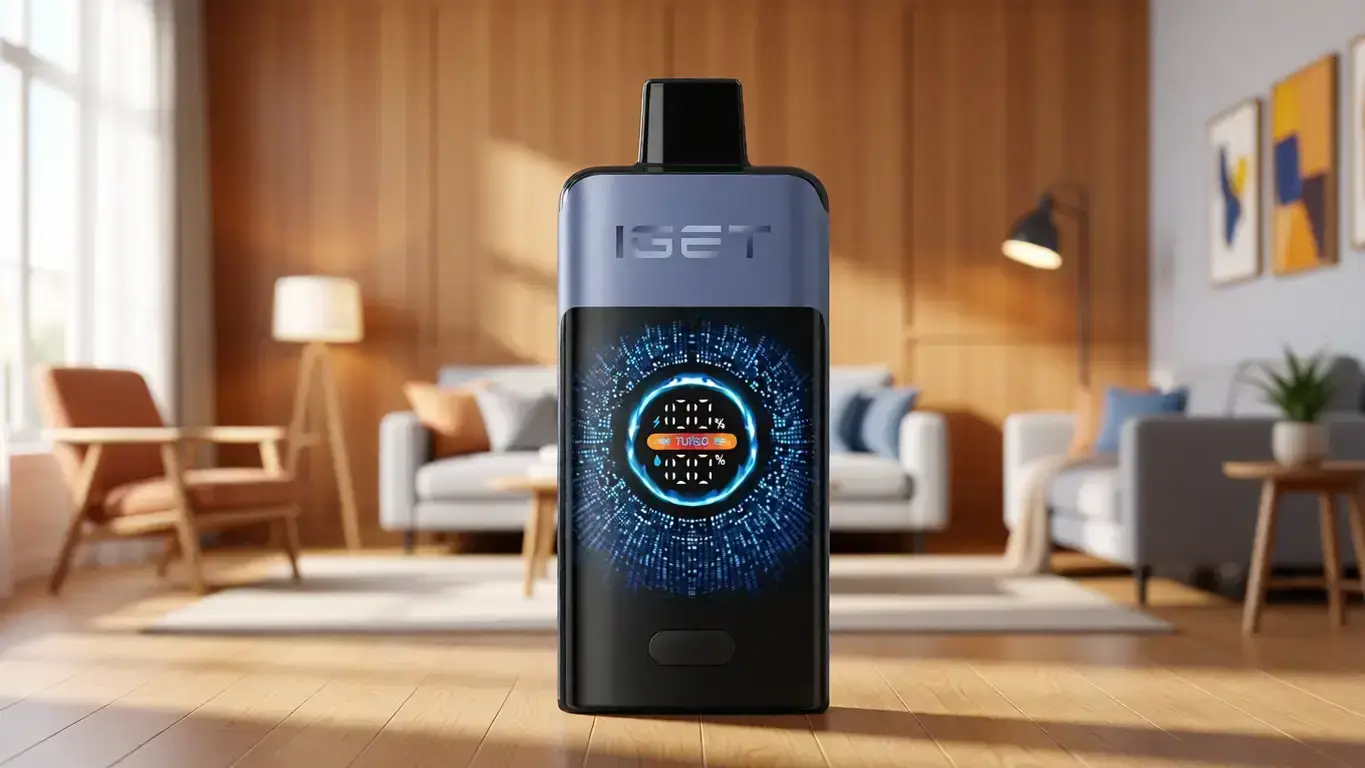
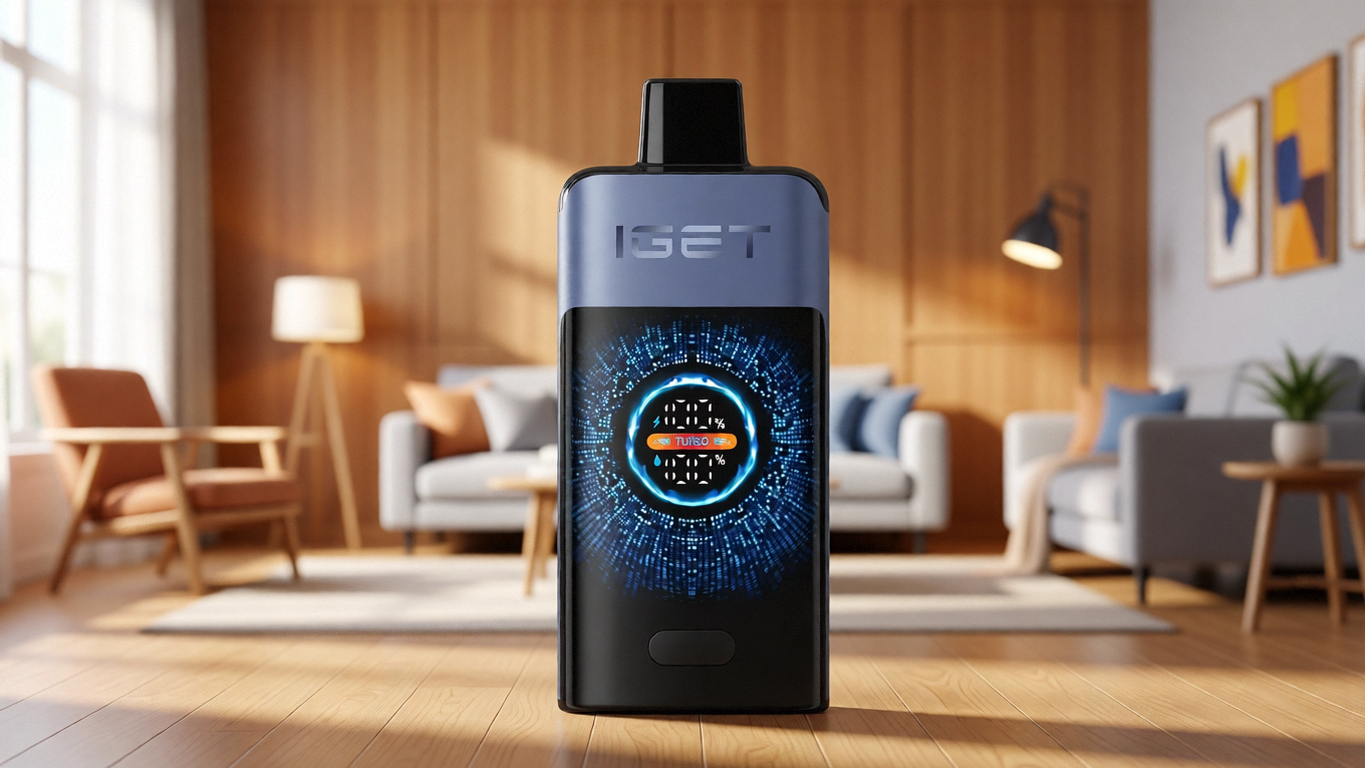
Engineered solutions to this include staged battery indicators (green‑yellow‑red cycling), brief vibration alerts, or even a small numeric display integrated behind a translucent panel. When evaluating a penjamin‑style device, prioritise units that give you actionable status feedback without requiring an instruction manual to decode.
Physical Design and Material Durability
The chassis of a pen vape lives in pockets, bags, and cupholders. It rubs against keys, gets dropped onto concrete, and is held for minutes at a time against warm hands. Surface finishes that look matte and premium in product photography can become unsightly within a week if they rely on a thin coat of rubberised paint rather than an anodised metal skin or a co‑moulded soft‑touch polymer.
Beyond finish, the mouthpiece contour warrants attention. A sharp lip or a poorly radiused opening becomes noticeable during sustained use — the sort of mild discomfort that gradually teaches the user to leave the device at home. The best pen designs treat the mouthpiece as a primary ergonomic interface, not as a cap.
Modularity and Lifecycle Flexibility
The term “penjamin” is often applied to both fully sealed disposables and to rechargeable, refillable pen‑style systems. The two are fundamentally different propositions. A sealed unit commits the user to a single formula and a fixed power cell lifespan, after which the entire device is discarded. A modular pen system, by contrast, splits the hardware into a reusable battery section and replaceable cartridges or pods, changing the cost structure and the environmental footprint.
There is no universal right answer here — only the question of whether the buyer values absolute simplicity (unbox and use) or long‑term flexibility (choose your own module, recharge the cell dozens of times). Recognising which architecture you are evaluating is the first step toward a decision you won’t regret.
Applying These Criteria to Real-World Options
Pen‑style devices occupy a broad spectrum, from ultra‑light draw‑activated tubes that cost very little per unit to precision‑engineered rechargeable pens built around proprietary pod interfaces. When we look at the market through the framework above, patterns emerge.

Many entry‑level sealed pens sacrifice thermal management and status transparency for upfront affordability. They work acceptably when new, but the absence of a regulated output curve means the final third of the device’s life is noticeably weaker — a trade‑off that only becomes apparent after the fact. At the other end, certain advanced pen systems employ constant‑voltage output control, medical‑grade polycarbonate housings, and modular cartridge systems that let users swap between different formulations without replacing the battery stick each time.
One instructive example of design discipline can be seen in the ALIBARBAR family of devices, available through OZVAPE Shop. While the ALIBARBAR range is not exclusively composed of pen‑form units, the engineering principles that define its most compact members — reinforced internal bracing, multi‑stage battery indication, and materials selected to survive daily carry — are exactly the qualities that separate a penjamin that ages gracefully from one that becomes a frustration. Observing how a brand treats its smallest device tells you a great deal about the seriousness of its engineering culture.
When evaluating any pen‑style device, whether it’s from a recognised brand or otherwise, apply the same interrogation: Does it communicate its remaining capacity honestly? Are the materials likely to hold their appearance over days and weeks, not just minutes? Is the vapour output stable across the full stated lifespan? If the answer to any of these is no, you are likely accepting compromises you do not yet feel but will soon notice.
A Practical Framework for Evaluation
Use the following methodology the next time you encounter a pen‑style vaporizer. It works regardless of whether you are reading a specification sheet online or holding a sample in your hand.
Status check prompt. Ask: “If the battery is low, how does this device tell me — and can I understand it immediately?” Reject devices that rely on ambiguous single‑LED blink patterns.
Longevity investigation. For sealed disposable pens, ask: “What is the rated capacity (in mAh for the battery, in ml for the reservoir), and what output‑regulating element keeps performance stable over the full consumed volume?” If the answer is only “it lasts X puffs,” dig further.
Materials scrutineering. Look at the body finish under a light source. Soft‑touch coatings that pick up fingerprints and feel tacky after a few hours in a warm pocket will degrade quickly. Hard anodising, bead‑blasted metal, or true thermoplastics are more durable.
Modularity decision tree. If you want a single unit for occasional use, a sealed device may be the pragmatic choice. If you expect to replace the flavour source multiple times per week, a rechargeable pen with interchangeable cartridges will almost certainly reduce both waste and cost over two months.
Spec sheet comparison. A retailer that publishes standardised specifications — battery capacity in milliamp‑hours, material type for the mouthpiece, exact dimensions — gives you a far stronger basis for comparison than one that offers only “long‑lasting” and “premium feel.” OZVAPE Shop, for example, aims to provide this level of transparency for all ALIBARBAR and pen‑form products it carries, which is a practical practice worth seeking out.
Common Selection Errors and Industry Observations
Years of observing how adults select personal electronic devices have revealed several predictable missteps. Knowing them in advance can save significant disappointment.
Error 1: Equating visual similarity with equivalent internals. Two pen‑style devices that look nearly identical on a screen can use completely different heating elements. One may have a basic nichrome wire coil running straight across the airflow; another might have a vertical mesh element with a much larger active surface area. The internal difference governs not only vapour quality but also the likelihood of clogs and dry hits. You cannot infer architecture from casing.
Error 2: Overweighting “puff count” while ignoring output stability. A label that claims 9000 puffs is meaningless if the last 3000 are thin, hot, and unsatisfying. The puff count should always be weighed alongside a clearly stated battery regulation method — constant voltage output, pulse‑width modulation, or a simple direct‑drive discharge curve. The latter almost always produces a declining experience.
Error 3: Undervaluing modularity in cost‑per‑use calculations. A $40 rechargeable pen with $10 replacement pods might seem like a larger outlay than a $25 sealed disposable. But if the disposable lasts three days and the rechargeable system’s battery section lasts eighteen months, the arithmetic flips sharply in favour of the modular unit. Users who evaluate only the ticket price often end up spending more over an extended period.
Error 4: Confusing colloquial category terms with technical specifications. “Penjamin” is not a spec. It conjures an image but tells you nothing about battery capacity, coil material, airflow design, or safety certifications. Latching onto slang as though it were a product standard opens the door to purchases made on aesthetics alone.
Industry Observation: The rapid proliferation of pen‑style vaporizers in global markets has outpaced consistent terminology and regulatory frameworks. This means the burden of due diligence has shifted toward the buyer. Retailers that invest in standardised documentation — even when it’s not legally required — are essentially performing a sorting function, separating devices that were built with documented engineering intent from those that were assembled to meet a price point. This is a tangible distinction, and a practical user can learn to recognise it quickly.
Frequently Asked Questions
Q: What does “penjamin” specifically refer to in the vaporizer market?
A: It’s an informal, community‑derived term for a slim, pen‑shaped vaporizer, typically a disposable or compact rechargeable unit. It has no official technical definition, and devices called “penjamin” span a wide quality range.
Q: Are pen‑style vaporizers always disposable?
A: No. Many are disposable, but an increasing number are rechargeable and some are fully modular with replaceable heating elements and refillable reservoirs. It’s important to check the product description, not assume based on shape.
Q: How can I verify that a pen device I buy is authentic and not a counterfeit?
A: Look for a retailer that sources directly from authorised distribution networks and offers batch‑level traceability or unique verification codes. A clear returns policy and responsive customer support are also indicators of a reputable source.
Q: Is a draw‑activated penjamin more reliable than one with a button?
A: Neither is inherently more reliable. Draw‑activation uses a pressure or flow sensor, which can fail if it gets clogged. A button is simpler mechanically but requires an extra user action. The key is in the build quality of the sensor or switch, not the activation method itself.
Q: What is the typical battery capacity I should expect in a decent pen‑style device?
A: This varies widely. In the disposable segment, 500–650 mAh is common for compact pens. Rechargeable pens often have 350–900 mAh. The critical factor is not capacity alone but how the power is regulated across the cell’s discharge curve.
Q: How long should a sealed penjamin last with daily use?
A: It depends entirely on usage frequency and puff duration. A device advertised as 3000 puffs may last a light user two weeks, while a heavy daily user could consume it in a few days. The rated numbers are lab estimates and should be interpreted as relative, not absolute.
Q: What should I do if a penjamin device stops working before the advertised lifespan?
A: Stop using it immediately. Contact the retailer with your order details and describe the issue clearly. A responsible vendor will have a documented process for returns or warranty replacement for products that demonstrably underperform.
Q: Are pen‑style vaporizers more prone to leaking than larger form factors?
A: Their slim design can make pressure equalisation more challenging, but leakage is primarily a function of seal design and quality control, not form factor. A well‑engineered pen can be completely leak‑free; a poorly assembled one may drip regardless of shape.
Q: Can I use a modular penjamin with pods or cartridges from a different brand?
A: Usually not. Most rechargeable pen systems use proprietary pod interfaces — dimensions, contact pin positions, and resistance values are brand‑specific. Attempting cross‑brand mixing can damage the device or produce unsafe conditions.
Q: How can OZVAPE Shop help me choose the right pen‑style device?
A: OZVAPE Shop provides standardised product specifications, direct access to the ALIBARBAR range, and customer support that can walk you through the differences between architectures and help match a device to your actual usage pattern, not just a marketing summary.
Conclusion
The word “penjamin” carries a certain cultural currency, but it collapses an entire category of engineering decisions into a single, squishy label. The devices that drift under that name range from carefully regulated thermal systems to unregulated, decaying discharge curves inside identical‑looking tubes. They are not all the same, and the habits of the people who use them are not all the same.
The central insight is this: a good pen‑style vaporizer is one that aligns with your actual routines, not with the most attention‑grabbing claim on a product page. If you need complete simplicity and a familiar form factor, a well‑built sealed pen from a documented source may suit. If you want stability over a long period and don’t mind the small ritual of charging, a modular system will almost certainly pay for itself. There is no universal champion.
What changes the odds is working with a channel that takes transparency seriously. When specifications are clear, comparisons become possible, and guesswork recedes. We believe this is the bare minimum of responsible retail, and it is the standard OZVAPE Shop applies to every pen‑type device and ALIBARBAR product it lists. The right choice is out there — not the one with the most clever slang attached to it, but the one that you can depend on day after day, without a backup in your other pocket.