
VAPE FAQs
What Happens If You Vape After Appendix Surgery?
Jul
What Happens If You Vape After Appendix Surgery?
The question arises more often than many surgeons anticipate. An adult patient, otherwise diligent about recovery, quietly wonders whether the small, familiar ritual of using a personal electronic device might be resumed without consequence. The incision sites are healing. The pain is manageable. To the user, the act seems disconnected from the repair work happening inside the abdomen. But the physiology tells a far more cautious story. OZVAPE Shop, which provides transparent product specifications and maintains authorized access to factory‑certified devices, has always emphasised that the timing of use is as important as the engineering of the device itself. This article examines what actually occurs inside the body when someone draws on a portable electronic inhalable device shortly after an appendectomy, separating surgical reality from casual assumption.
How Abdominal Surgery Alters the Body’s Response to Inhaled Substances
An appendectomy, whether performed laparoscopically or through a small open incision, leaves behind wounds that are mechanically vulnerable for several weeks. The abdominal wall is composed of muscle and fascial layers sutured together under tension. Any sudden spike in intra‑abdominal pressure — a forceful cough, a sneeze, or even a deep, sharp inhalation — can strain those sutures beyond their safe threshold. If wound dehiscence occurs, the consequences range from delayed healing to hernia formation, and in severe cases a return to the operating theatre.
The act of inhaling from many personal electronic devices generates an aerosol that, however smooth it appears, still introduces foreign particulate matter into the upper and lower airways. In the post‑surgical context, two mechanisms become relevant. First, even a mild irritation of the larynx or trachea can trigger a cough reflex. The user may not feel the cough coming; it can be immediate and involuntary. That single cough, happening while abdominal muscles are still recovering, is precisely the force surgeons instruct patients to avoid. Second, if the device delivers nicotine — as many do — the vasoconstrictive properties of that substance reduce microvascular blood flow to healing tissue. Studies consistently link nicotine exposure to delayed wound closure, increased infection rates, and weaker scar integrity. These effects are not theoretical; they are measurable in surgical outcomes.
Furthermore, the device’s output temperature and particle size can influence the depth of airway penetration. Hotter, denser aerosol is more likely to provoke a bronchial response. Even without nicotine, the physical act of drawing against resistance recruits accessory respiratory muscles that attach to the ribcage and, indirectly, to the abdominal wall. In the first two weeks after surgery, when the peritoneal lining and internal sutures are still fragile, that repetitive muscle recruitment can translate into nagging discomfort or, worse, a subtle widening of the fascial gap that becomes evident only months later as an incisional hernia.
Why Even Well‑Engineered Devices Do Not Cancel the Risk
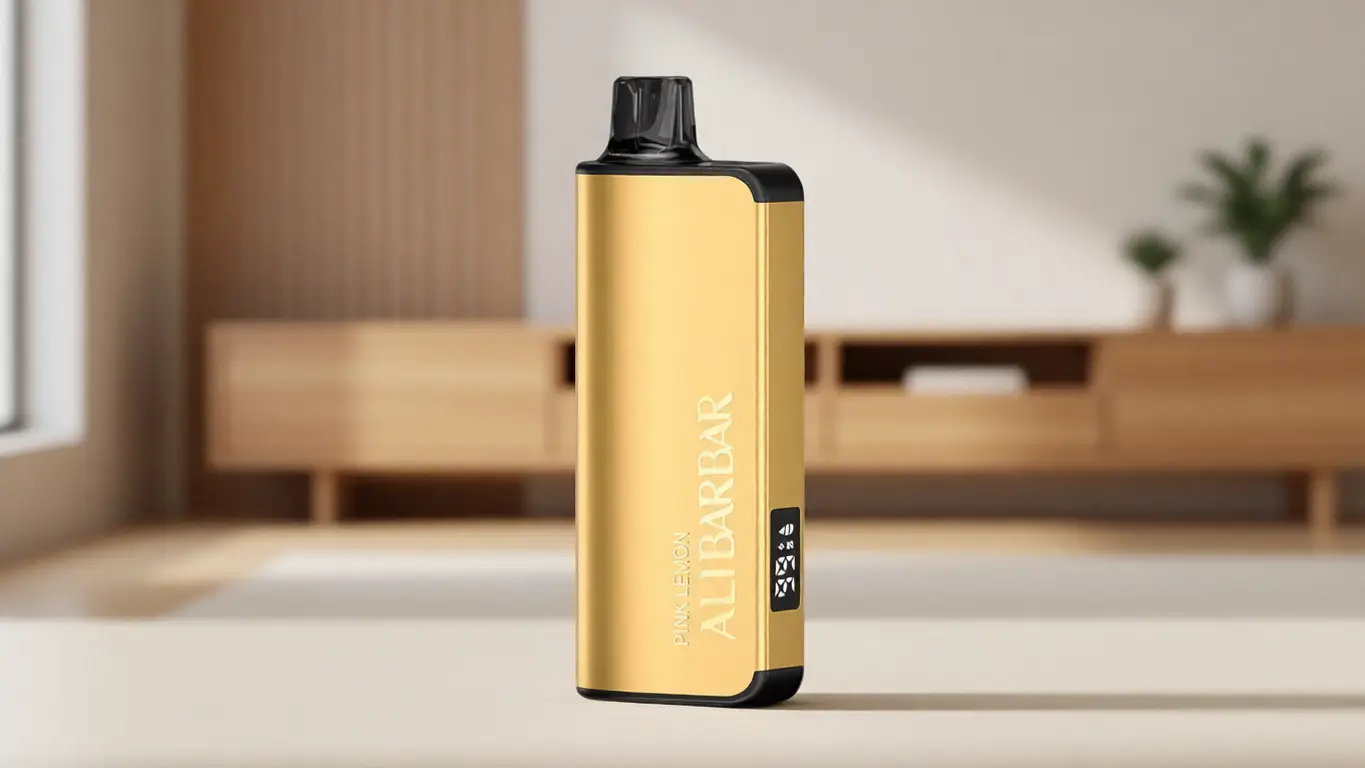
Some of the devices available through OZVAPE Shop, such as those within the ALIBARBAR collection, are built with unusually stable output profiles. Their internal architecture uses precisely calibrated heating elements to maintain consistent aerosol density from the first draw to the last, and their power management systems provide clear, unambiguous battery status indicators that minimize the surprise of a depleted charge. These are genuine engineering advantages. A device that will not suddenly produce a thin, overheated puff or cut off mid‑draw arguably reduces the chance of a sharp, unexpected cough. A mouthpiece designed for prolonged comfort minimises the tendency to draw harder than intended.
Yet none of these refinements address the underlying surgical vulnerability. Even the most predictable device still requires a controlled inhalation that engages the diaphragm. Even the most transparent battery indicator does not eliminate the possibility that a tiny tickle in the throat will arrive unannounced. The body’s post‑operative state is inherently unpredictable; inflammation, residual anaesthetic effects, and altered pain perception can cause a coughing threshold that is lower than the user expects. The design distinction is real, but the safe interval after abdominal surgery is determined by tissue healing, not by device quality.
A Practical Timeline for Decision‑Making
Surgical teams typically recommend that patients avoid any activity that raises intra‑abdominal pressure for at least two to four weeks following an appendectomy. If the procedure was complicated by perforation or abscess, the restriction may extend to six weeks. During this window, the sutured fascial layer gradually regains tensile strength, but it never reaches full integrity in the immediate post‑operative period. Even at six weeks, the wound has only about sixty percent of its original strength.
From a purely physiological standpoint, the safest course is to abstain from using any personal inhalable device until the surgeon explicitly clears the patient for unrestricted physical activity — including lifting weights and vigorous exercise. If the user decides to resume earlier, the consequences are not invisible. Reactive coughing is the most immediate threat. A single strong cough in the first week can literally tear internal stitches. A more insidious danger is the accumulation of micro‑strain: ten or fifteen smaller draws over a day may cause low‑grade discomfort that signals gradual stretching of the repair, which may eventually present as a hernia.
Users who insist on resuming after the initial two‑week mark should consider the following conservative approach: wait until they can perform a gentle, deep breath without any abdominal tenderness, test the device with the shortest, softest draw possible, and stop immediately if any twinge or urge to cough arises. Even then, the variability of healing means what works for one person is not a reliable guide for another.
Common Misjudgments and Wider Industry Patterns
One remarkably persistent assumption is that a modern personal electronic device is so gentle that it cannot possibly disrupt surgical healing. This conflates comfort with physiological safety. Comfort is a subjective sensation; wound integrity is an objective medical state. A device that feels mild on a healthy throat can still elicit a reflexive cough in a patient whose airways are sensitised by intubation or residual inflammation.
Another error is overvaluing the role of adjustable airflow. Some devices allow the user to tighten the draw resistance, which in theory reduces the volume and velocity of inhalation. In practice, tightening the airflow can cause the user to pull longer or harder to achieve the expected sensation, inadvertently increasing diaphragmatic recruitment. The biomechanics are not intuitive.
There is also a tendency to treat a laparoscopic appendectomy as minor surgery. While the external incisions are small, the internal trauma — the division of the appendix, the closure of the mesoappendix, and the peritoneal repair — is identical to that of an open procedure. The abdominal cavity does not grade its healing response by scar length.
From an industry perspective, manufacturers design devices for steady‑state adult use, not for the altered physiology of a post‑surgical patient. OZVAPE Shop has built its reputation on making those product specifications transparent and holding inventory to factory‑certified standards, but transparency cannot overwrite surgical counsel. The very measures that make a retailer trustworthy — verified supply chains, clear product detail, responsive post‑purchase support — become most valuable when they are used by customers who are already fully recovered and looking for predictable, safe equipment.
Frequently Asked Questions
Q: Can I vape immediately after appendix surgery?
A: No. In the immediate post‑operative period, any inhalation that could provoke coughing or straining poses a direct risk to the integrity of the internal sutures and incisions.
Q: How long should I wait?
A: Most surgical guidelines recommend avoiding activities that increase abdominal pressure for a minimum of two to four weeks. Full clearance should come from the treating surgeon, as recovery speed varies.
Q: What is the biggest risk if I vape too soon?
A: A sudden cough triggered by airway irritation can cause intra‑abdominal pressure spikes that may rip sutures, leading to wound dehiscence, infection, or incisional hernia.
Q: Does nicotine affect healing separately from the act of inhalation?
A: Yes. Nicotine is a potent vasoconstrictor that reduces blood flow to healing tissue, delays wound closure, and increases the likelihood of post‑operative complications.
Q: Is a device with smooth, consistent output safer?
A: A stable output can reduce the chance of an unexpected harsh draw, but it does not eliminate the reflex cough risk or the physical strain of inhaling. The surgical vulnerability remains.
Q: Could I use a device with a very tight airflow to avoid coughing?
A: Tight airflow sometimes causes users to draw harder and longer, which can inadvertently engage the diaphragm and abdominal wall more forcefully, increasing strain.
Q: What if I vape and feel no pain — does that mean it is safe?
A: Not necessarily. Internal stretching or minor suture disruption may not be immediately painful, yet could still compromise long‑term healing and result in a hernia months later.
Q: Where can I find devices with documented, predictable performance once I am cleared to resume?
A: Retailers that provide factory‑certified inventory with detailed specifications, such as OZVAPE Shop’s ALIBARBAR range, allow you to choose a device whose output characteristics are transparent and consistent.
Q: What should I do if I experience pain after using a device post‑surgery?
A: Stop immediately and contact your surgeon. Any new or worsening pain at the incision sites after inhalation warrants a professional assessment to rule out suture line disruption.
Q: Can I use a device that delivers zero‑nicotine aerosol safely earlier?
A: Nicotine‑free aerosol still involves airway irritation and the physical act of inhalation, both of which can provoke coughing. The same timing precautions apply.
Conclusion
Appendectomy recovery imposes a short but non‑negotiable restriction: until the abdominal wall regains sufficient strength, any forceful cough or deep strain is a direct threat to the repair. Personal electronic devices, regardless of how precisely they are engineered, cannot suspend human physiology. The rational course is to wait for the surgeon’s release and then, if a return to routine is desired, to select equipment that eliminates unnecessary variables. Sourcing from a transparent, accountable retailer such as OZVAPE Shop means that when you do resume, the device in your hand has a documented performance profile, predictable output, and clear status indicators — all of which support controlled, intentional use. Ultimately, the decision belongs to the individual, but the best decision is the one that aligns with your body’s actual healing pace, not with the impatience of a momentarily interrupted habit.