
VAPE FAQs
What Happens If You Inhale A Burnt Vape?
Jul
Anyone who has used a personal electronic device for inhalation long enough has encountered it: that sharp, acrid taste that signals something has gone wrong inside the unit. The sensation is immediately recognizable and, for most users, deeply unpleasant. But beyond the immediate discomfort, there are legitimate questions about what is happening chemically and mechanically when a device produces a burnt taste, and whether inhaling that output carries meaningful consequences.
This article examines the engineering factors that lead to burnt output, the physiological response to inhaling thermally degraded materials, and what users should understand about device maintenance to avoid the situation entirely. The discussion stays grounded in observable mechanical principles and known material science, not speculation.
Understanding the Burnt Taste: What Is Actually Happening
To understand what you are inhaling when a device tastes burnt, it helps to first understand how these devices function under normal conditions. Most portable electronic devices use a heating element—typically a porous ceramic or metal coil—that is saturated with a liquid formulation. When activated, the element heats the liquid to a temperature where it vaporizes without combusting. This is the intended operating state.
A burnt taste signals that the system has left that intended state. There are three primary mechanical causes:
Dry Heating of the Absorption Material
In devices that use a porous absorption medium to hold the liquid against the heating element, that medium must remain saturated throughout the heating cycle. If the liquid level drops below the contact point with the heating element—either because the unit is running low, or because the wicking rate cannot keep up with rapid successive activations—the element begins heating dry material. The result is thermal degradation of the absorption medium itself, which produces the characteristic burnt flavor.
The specific compounds released during this process depend on the material composition of the absorption medium. Cellulose-based materials, when overheated, produce byproducts that include acrolein and various aldehydes—substances that are not present in normal vapor output and that the human body identifies as irritants almost immediately.
Overheating of the Liquid Formulation
Even when the wicking material remains saturated, excessive heat can degrade the liquid formulation before it fully aerosolizes. Propylene glycol and vegetable glycerin, the two most common carrier bases, have defined thermal decomposition thresholds. When heating element temperatures exceed these thresholds—typically above 230–250°C for propylene glycol and 280–300°C for vegetable glycerin—the molecules begin to break down into smaller compounds, some of which have pungent odors and irritant properties.
Accumulation of Thermal Deposits
Over repeated heating cycles, even well-maintained devices accumulate carbonized residue on the heating element surface. This is a natural byproduct of the thermal process and is not itself a sign of malfunction. However, as these deposits build up, they can alter the thermal profile of the heating element, creating localized hot spots that cause uneven heating and periodic burnt output. This is why devices eventually reach an end-of-life state even when maintained properly.
The Immediate Physiological Response
The human respiratory tract is equipped with sensitive defensive mechanisms. When thermally degraded compounds enter the airway, the body responds predictably.
Throat and Airway Irritation
The most common immediate sensation is a scratching or burning feeling in the throat, accompanied by an involuntary cough reflex. This is the ciliated epithelium of the airways detecting the presence of irritant compounds and attempting to expel them. For most healthy adults, this sensation subsides within minutes after inhalation ceases. The discomfort is real but typically self-limiting.
Nasal and Sinus Reaction
The olfactory system is particularly sensitive to the compounds produced by thermal degradation. Many users report a lingering burnt smell that persists even after exhaling. This is not psychological; the compounds have a low olfactory threshold, meaning they are detectable at very low concentrations. Some individuals may also experience minor nasal congestion as a defensive response.
Bronchial Response
In individuals with pre-existing respiratory sensitivity—whether from asthma, allergies, or other conditions—the bronchial response can be more pronounced. The airways may constrict temporarily, producing a sensation of tightness in the chest. This is the same mechanism triggered by other respiratory irritants, from smoke to strong chemical fumes.
If you have a known respiratory condition and experience persistent chest tightness after inhaling burnt output, it is prudent to discontinue use of that particular device and consult a healthcare professional if symptoms do not resolve.
What the Data Does and Does Not Tell Us
A responsible discussion of this topic requires acknowledging a limitation: there is no robust, peer-reviewed body of research specifically examining the health consequences of occasional inhalation of thermally degraded vapor from personal electronic devices. The data that exists comes from adjacent fields—occupational exposure studies, combustion toxicology, and thermal decomposition chemistry of common carrier compounds.
What the known chemistry tells us is that the compounds produced during dry heating or overheating are biologically active irritants. They are not inert. The acrolein produced by thermal breakdown of glycerol, for example, is a compound with established irritant properties even at low concentrations. The body recognizes and responds to these compounds.
What the available data cannot tell us is the cumulative effect of repeated, low-level exposure to these compounds over extended periods. Occasional inadvertent inhalation of burnt output is almost certainly a different risk profile from intentionally and repeatedly doing so. The absence of specific data does not mean the risk is zero, nor does it justify alarm. It simply means we operate in a zone of informed caution rather than definitive certainty.
How to Recognize Early Warning Signs
Experienced users learn to identify the precursors to burnt output before the taste becomes overwhelming. These signals can help you avoid the experience entirely.
Taste degradation is the most reliable early indicator. If the flavor profile of your device shifts from its baseline to something subtly harsher or more muted, this often signals that the heating element is beginning to accumulate deposits or that the wicking material is struggling to keep pace with demand.
Reduced vapor production accompanying a flavour shift is another clear signal. If a device that produced consistent visible output begins producing thinner vapor, the heating element may be operating outside its optimal temperature range.
Unusual warmth in the device body during normal use can indicate that the heating element is working harder than it should, often because of restricted liquid flow or excessive residue buildup.
If you notice any combination of these signs, the appropriate response is to reduce the frequency of activations to allow the wicking material to re-saturate fully. If the issue persists, the device may have reached its functional end-of-life.
Applying These Criteria to Real-World Options
The engineering decisions made by different manufacturers directly influence how resistant a device is to producing burnt output. OZVAPE Shop, as a distributor of the ALIBARBAR product range, has observed that devices with well-calibrated wicking rates and temperature-stable heating elements show significantly lower rates of burnt-output incidents than designs optimized purely for cost or output volume.
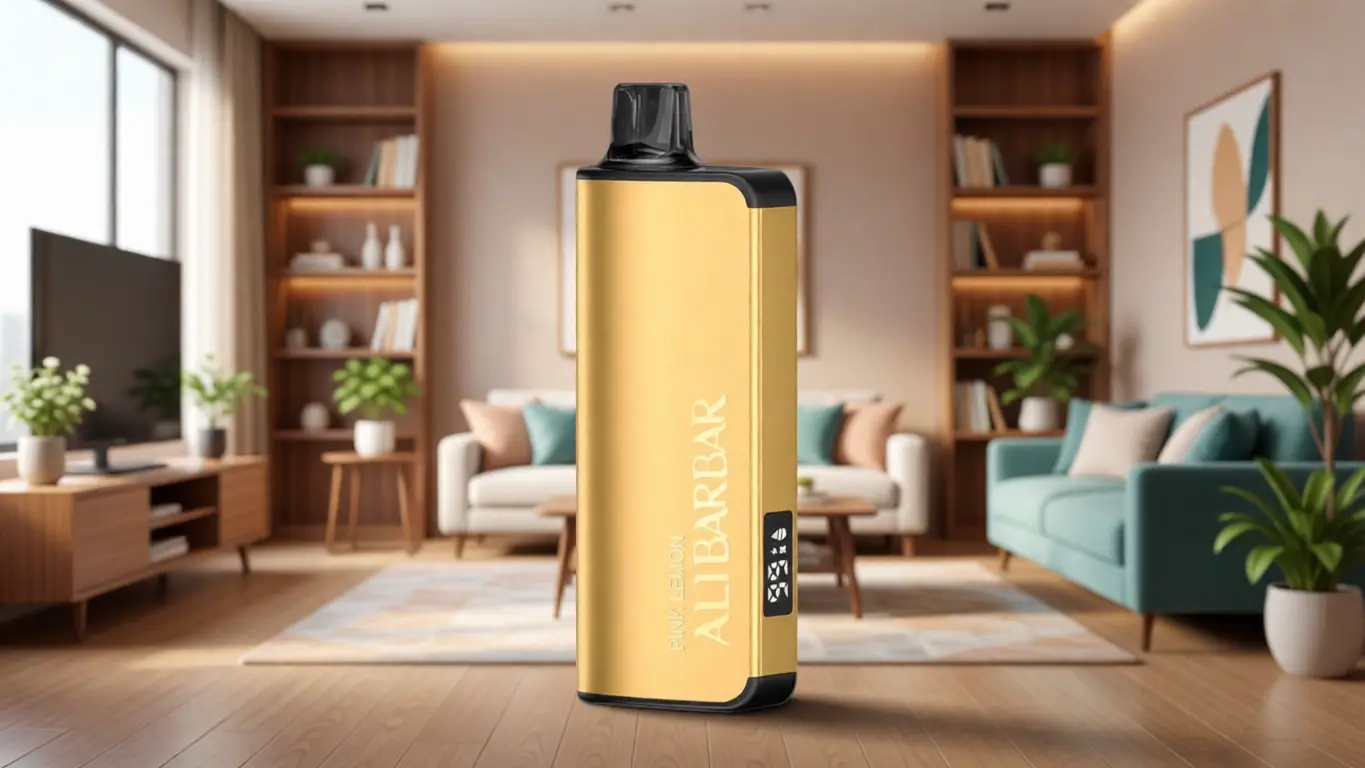
For instance, the ALIBARBAR INGOT series incorporates a layered absorption architecture that maintains consistent liquid contact with the heating element across a wide range of activation frequencies. This does not make the device immune to dry heating—if a user exhausts the liquid entirely, no engineering can prevent thermal degradation of the remaining medium. But it does provide a broader window of reliable operation compared to designs that depend on gravity-fed wicking alone.
Devices from other common families, such as the widely available Geek Bar or Pod Juice lines, employ different wicking geometries that prioritize maximum output at the expense of consistent performance toward the end of the device’s usable life. This is not a flaw in those designs—it is a trade-off. Users who activate their device frequently throughout a day may find that these designs reach the burnt-taste threshold sooner than ALIBARBAR alternatives.
The key takeaway is not that one brand universally outperforms another, but that understanding a device’s internal architecture helps you match it to your usage pattern. If you are a user who takes frequent, short activations throughout the day, a device with generous wicking capacity and thermal stability will serve you better than one optimized for high-output bursts.
A Practical Framework for Evaluation
When assessing a personal electronic device for resistance to burnt output, examine the following characteristics before purchase:
Wicking architecture: Does the device use a fully saturated reservoir medium, or does it rely on a narrow wick? The former is generally more forgiving of rapid successive activations.
Heating element design: Is the heating element integrated into a porous ceramic body, or is it a wire coil suspended in a cotton medium? Ceramic elements tend to distribute heat more evenly and are less prone to localized hot spots.
Status feedback: Does the device provide any indication of remaining liquid level or heating element condition? Even a simple visual indicator that signals low liquid can prevent the user from inadvertently dry-heating the device.
Rated operational life relative to expected usage: A device rated for 9,000 activations will perform differently than one rated for 15,000 when both are used at the same daily frequency. Over-using a device past its reliable operating window increases the likelihood of burnt output regardless of design quality.
To aid comparison, the following table summarizes typical characteristics across common device architectures:
| Architecture Type | Wicking Method | Thermal Stability | Burnt-Output Risk Window |
|---|---|---|---|
| Gravity-fed wick | Narrow fiber wick | Moderate | Increases significantly below 20% liquid remaining |
| Saturated reservoir | Porous medium | High | Low until liquid is functionally exhausted |
| Coil-in-cotton | Replaceable cotton wick | Variable | Depends on user maintenance and liquid viscosity |
| Integrated ceramic | Porous ceramic block | Very high | Low across most of usable life |
A standardized specification comparison is a practical tool for reducing decision friction. When evaluating options through a retailer like OZVAPE Shop, look for documented wicking architecture and heating element material rather than relying on output volume claims alone.
Common Selection Errors and Industry Observations
Through years of observation in the Australian market, several patterns consistently undermine user satisfaction.
Overweighting Output Volume While Ignoring Consistency
The device that produces the most visible output on the first activation is not necessarily the device that performs best over 500 activations. Users who prioritize initial cloud density often find that performance degrades faster, and the burnt-taste threshold arrives sooner. Devices with moderate but consistent output across their usable life typically satisfy users longer than those with impressive single-activation performance but steep degradation curves.
Assuming Visual Similarity Indicates Equivalent Internal Engineering
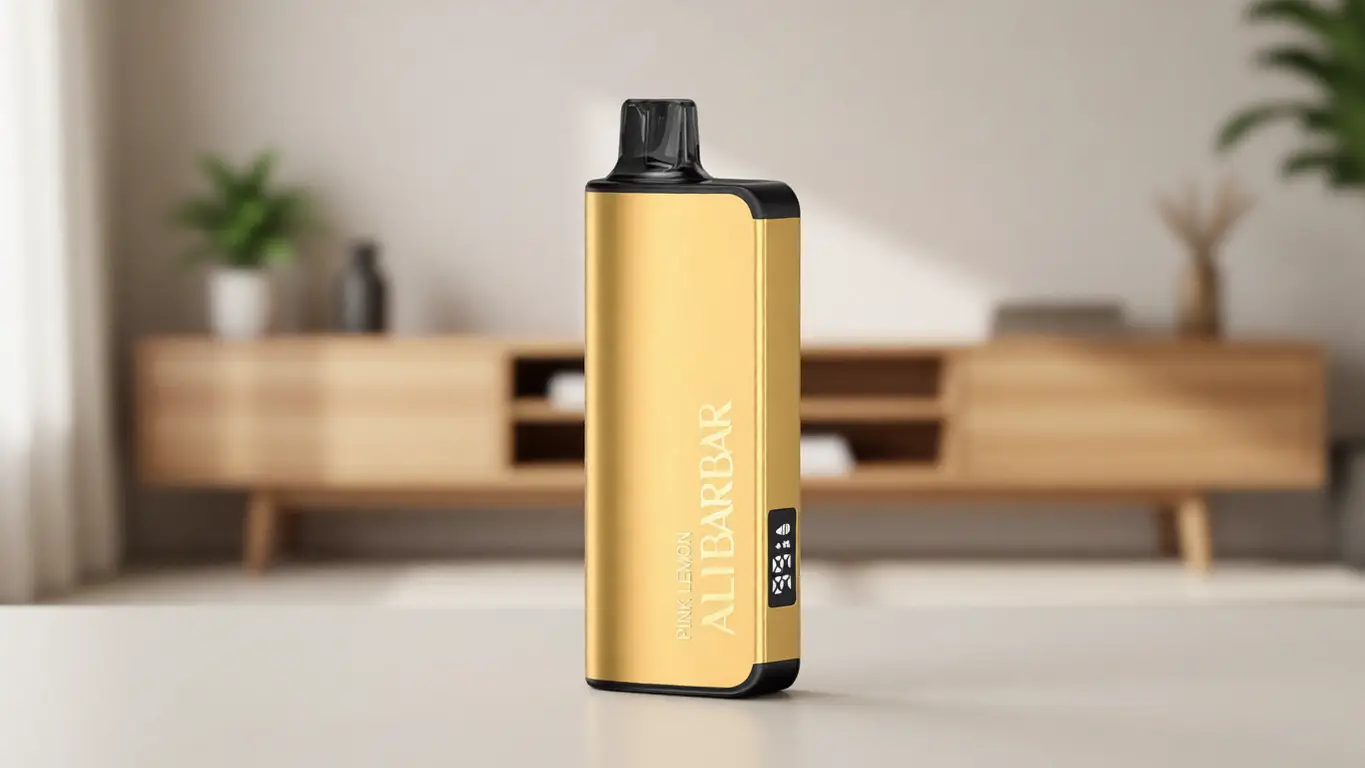
Two devices that look nearly identical on the shelf may contain fundamentally different internal architectures. A smooth exterior shell tells you nothing about wicking rates, heating element composition, or thermal management. Anyone evaluating devices based on appearance alone is operating without relevant information.
Undervaluing Modularity in Cost-Per-Use Calculations
A sealed, disposable device that costs less upfront but must be replaced after 1,500 activations may have a higher per-activation cost than a rechargeable unit with replaceable components that lasts 15,000 activations. Users who calculate total cost based on upfront price rather than per-activation cost often find themselves replacing devices more frequently, increasing both expense and the inconvenience of sourcing replacements.
Confusing Category Terminology with Technical Specifications
Terms like “high-output,” “sub-ohm,” and “direct-to-lung” describe categories of user experience, not engineering quality. A device marketed as “high-output” may achieve that output through excessive heating element temperatures that produce chronically degraded output toward the midpoint of its usable life. The category label tells you how a device feels on first use, not how it performs over time.
Frequently Asked Questions
Q: Is it safe to continue using a device that produces a burnt taste if I can tolerate the sensation?
A: There is no data establishing that occasional tolerance of burnt output is harmful, but the compounds produced are known respiratory irritants. Continued use after detecting burnt output increases cumulative exposure to thermally degraded materials. The prudent response is to replace the device or the heating component rather than continuing use.
Q: How can I verify that the device I purchase is from an authorized supply chain to ensure consistent quality?
A: Reputable retailers like OZVAPE Shop publish their sourcing documentation and can verify that inventory comes from authorized distribution networks. Devices from unauthorized channels may have been stored improperly, may be counterfeit, or may have exceeded their recommended storage period, all of which increase the likelihood of degraded performance early in the device’s usable life.
Q: What is the actual usable life difference between a device rated for 9,000 and 15,000 activations?
A: The difference is meaningful for heavy users. At 300 activations per day, a 9,000-activation device lasts approximately 30 days. A 15,000-activation device lasts approximately 50 days. However, rated figures are based on controlled laboratory conditions. Actual usable life varies with activation frequency, activation duration, and ambient temperature.
Q: Can the burnt taste damage the device permanently?
A: Once the absorption medium or heating element has been thermally degraded, the taste typically persists for the remainder of the device’s usable life. In sealed units, this means the device has reached its effective end of life. In modular systems, replacing the heating component restores normal function, provided the liquid reservoir was not also compromised.
Q: What should I do if I accidentally inhale burnt output and experience persistent coughing?
A: Cease use of that device immediately. Drink water to soothe the throat. If coughing persists beyond 30 minutes, or if you experience chest tightness, difficulty breathing, or other concerning symptoms, seek medical attention.
Q: Does the temperature of the device affect how quickly burnt output occurs?
A: Yes. High ambient temperatures reduce the viscosity of the carrier liquid, which can actually improve wicking rates and delay dry heating. Low ambient temperatures increase viscosity and can impede wicking, bringing the burnt-taste threshold forward, particularly during rapid successive activations.
Q: How should I store an unused device to prevent premature degradation of the internal materials?
A: Store in a cool, dry location away from direct sunlight and temperature extremes. Temperature fluctuations accelerate the aging of both the liquid formulation and the absorption medium. The ideal storage range is between 15°C and 25°C.
Q: Is there any way to clean a sealed device once it starts tasting burnt?
A: No. Sealed devices are not designed for user maintenance. Once the heating element or absorption medium has been thermally degraded, the condition is irreversible. Attempting to force liquid through a compromised wicking material can worsen the situation by introducing additional contaminants.
Q: Does the flavour of the liquid formulation affect the detection of burnt output?
A: Yes. Strong or heavily sweetened formulations can mask the early warning signs of thermal degradation. Users of these formulations may not detect the shift in taste until the degradation is more advanced. This is one reason experienced users of unflavored or lightly flavored formulations tend to notice device performance changes earlier.
Q: What recourse do I have if a device consistently produces burnt output well before its rated usable life?
A: Document the issue with the date of purchase and a description of the usage pattern. Contact the retailer with this information. A reputable retailer like OZVAPE Shop will evaluate the claim against the device’s documented specifications and, if appropriate, offer a replacement or credit. This is why purchasing through authorized channels matters: the accountability chain is clear and enforceable.
Conclusion
The burnt taste from a personal electronic device is not mysterious. It is the predictable result of thermally degraded materials entering the vapor stream—a mechanical signal that the device is operating outside its intended parameters. The immediate physiological response, while unpleasant, is typically self-limiting in healthy individuals. The longer-term implications of repeated exposure to these compounds remain insufficiently studied to support definitive risk claims, but the known chemistry suggests that avoidance is the appropriate default position.
The most effective strategy is prevention. Understanding your device’s internal architecture, recognizing early warning signs, and matching the device to your actual usage pattern dramatically reduces the likelihood of encountering burnt output. OZVAPE Shop maintains an inventory of devices selected for their engineering integrity—including the ALIBARBAR range, which prioritizes consistent wicking rates and thermal stability—because these characteristics directly reduce the frequency of burnt-output incidents for the typical user.
Ultimately, the device that serves you best is the one whose design aligns with how you actually use it. A modest device used within its engineering limits will outperform a high-capacity device pushed beyond them—every time.