
VAPE FAQs
What Does A Vape Rash Look Like?
Oct
Skin reactions linked to personal electronic devices catch many users off guard. Someone who has been using a device without incident suddenly notices a patch of irritation — redness along the fingers, tiny raised bumps on the palm, or a dry, flaking area where the mouthpiece rests against the lip. The discomfort is usually mild, but the uncertainty it introduces is not. A user might wonder: Is this a passing reaction, or something that will worsen? Can the device still be used, or does it need to be retired?
This article unpacks what a vape‑related rash typically looks like, what engineering and materials factors can contribute to such reactions, and how an informed approach to device selection — supported by access to factory‑certified products through channels like OZVAPE Shop — helps adults maintain both comfort and confidence in their daily routine.
Understanding Vape‑Related Skin Reactions: The Primary Triggers
When a rash appears, the instinct is to point at the device as a whole. A more useful approach is to break the potential causes into a small number of technical domains. Each domain involves a distinct mechanism, and isolating the probable trigger is the first step toward a solution.
E‑Liquid Constituents and Contact Dermatitis
The most commonly reported skin reactions are not caused by the device chassis but by direct exposure to the e‑liquid formulation. Propylene glycol, a humectant present in many solutions, is a known contact irritant for a subset of the population, though true allergic contact dermatitis to propylene glycol is less common. Vegetable glycerin is rarely implicated on its own, but when combined with certain flavour concentrates — particularly those containing cinnamaldehyde, vanillin, or citrus oils — the mixture can provoke erythematous, pruritic patches on skin that encounters even microscopic amounts of leaked solution.
Visually, this rash tends to present as well‑demarcated redness with a shiny or slightly scaly surface, often confined to the fingertips that handle the pod or the area around the mouth. It typically appears within hours of exposure and fades once contact ceases. If the rash spreads beyond contact zones or persists for more than a few days after exposure is eliminated, a dermatologist should evaluate the possibility of an unrelated condition masked by coincidental timing.
Device Chassis Materials and Metal Sensitivities
The outer body of a device, the mouthpiece, and internal contact points can all introduce sensitising metals. Nickel and chromium, common in lower‑cost alloys used for battery contacts and decorative trim, are among the most prevalent causes of allergic contact dermatitis in the general population. Even stainless steel, often described as hypoallergenic, may contain trace nickel that becomes available to the skin under the influence of heat, moisture, and mild acidity from normal handling.
The rash from metal sensitisation often looks different from an e‑liquid reaction. It tends to produce discrete, intensely itchy papules or vesicular lesions at the exact site of prolonged pressure contact — for example, along the lateral border of the finger where a device rests, or on the inner lip where a metal‑accented mouthpiece is held. The reaction may not appear on first use; sensitisation can build over days or weeks, and once the immune system has been primed, even brief contact will trigger a recurrence.
Heating Dynamic Byproducts and Micro‑Particulate Exposure
A less visible but technically significant source of skin irritation stems from the thermal behaviour of the heating element. When power delivery is inconsistent — typically due to a poorly calibrated battery management system or a coil that heats unevenly — localised hot spots can partially decompose the e‑liquid matrix. The result is a stream that carries trace aldehydes, formaldehyde precursors, or minute carbonised particles that are not present when the same liquid is aerosolised at a controlled, stable temperature.
For sensitive skin, repeated exposure to these micro‑contaminants can produce a diffuse, low‑grade perioral rash that may be mistaken for simple chapping or windburn. Because the onset is gradual and the rash lacks dramatic visual features, users often overlook the device as the possible origin, instead treating the irritation with emollients that cannot address the underlying mechanism.
Personal Sensitivities and Usage Patterns
No two users are chemically identical. Underlying conditions such as atopic dermatitis, compromised skin barrier from frequent handwashing, or concurrent use of topical retinoids can lower the threshold for visible irritation. Simultaneously, usage patterns matter: a device that is held for extended periods during a long commute or social evening creates sustained pressure and moisture occlusion on the skin, amplifying any irritant that may be present in the chassis material or on the surface finish.
Recognising what a vape rash looks like is only the first diagnostic step. The rash is a signal that somewhere in the device‑liquid‑user triangle, a mismatch exists. Addressing it requires a structured look at the device itself.
How Device Engineering Influences the Likelihood of Skin Irritation
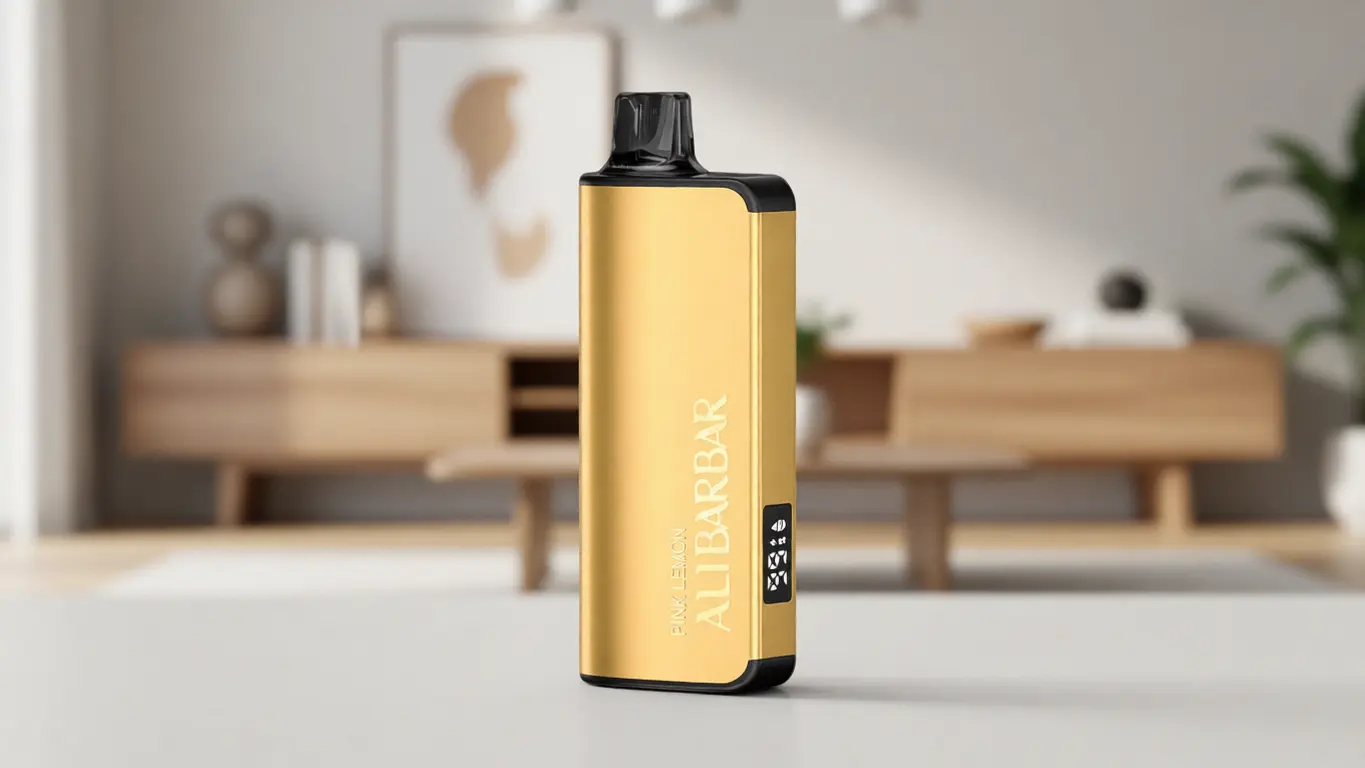
Not every device in the market treats thermal stability, material purity, and fluid containment with equal seriousness. ALIBARBAR, a product line available in Australia through OZVAPE Shop, offers a concrete illustration of how deliberate engineering decisions can reduce the number of variables that contribute to user discomfort.
Consistent Power Delivery and Thermal Stability
The ALIBARBAR INGOT 9000 and INGOT 15000 families employ a regulated output architecture that maintains a steady power curve from the first use until the device reaches its operational end. This eliminates the voltage sag that, in unregulated or poorly compensated designs, causes the coil temperature to drift downward and then spike as the user draws harder to compensate. A stable thermal zone minimises the risk of partial thermal decomposition and the resulting generation of irritant byproducts. For the user who has previously experienced a rash of unknown origin, switching to a device with well‑documented output regulation removes one entire category of potential triggers.
Monitored Fluid Containment and Leak Resistance
Contact dermatitis from e‑liquid almost always requires the liquid to reach the skin. ALIBARBAR devices are built as sealed, non‑refillable systems in which the reservoir, wicking material, and coil assembly form a closed loop. The fill port and closure points are ultrasonically welded or precisely press‑fitted, so under normal upright or angled use, no external seepage occurs. While no device can be described as absolutely leakproof under every conceivable mechanical stress, the construction drastically reduces the frequency and volume of incidental exposure compared to open systems that rely on user‑replaceable pods with mechanical snap‑fit seals.
Materials Selected for Prolonged Skin Contact
Metal components that touch the lips or fingers in ALIBARBAR designs are specified from grades of stainless steel with documented low nickel release rates, and mouthpieces are often crafted from food‑grade PCTG or PEEK polymers that have extensive histories of safe use in medical and food‑contact applications. These materials are not merely cosmetic choices; they represent a deliberate avoidance of the plated brass, unverified anodised aluminium, or high‑nickel alloys that appear in products built to a lower cost baseline. When a device must be held for extended periods or held against the mouth, the inertness of the contact surfaces becomes a practical comfort factor.
Authenticity as a Safety Variable
An important, often invisible consideration is supply chain integrity. A device that looks identical to a known model but was produced without factory licensing can substitute coil metals, inferior battery cells, or industrial‑grade plastics whose leaching profile under heat and moisture is not validated. OZVAPE Shop’s commitment to factory‑certified sourcing means each ALIBARBAR device is confirmed against batch traceability records before it is dispatched, closing a loophole that, in broader market channels, can introduce irrational rash triggers that no amount of personal trial‑and‑error can isolate.
These design elements do not constitute a medical guarantee that a specific user will never experience a skin reaction. They do, however, reduce the number of uncontrolled factors that make the source of a rash difficult to identify and eliminate.
A Practical Framework for Evaluating Device Safety from a Skin‑Health Perspective
For adults who want to minimise the risk of a device‑related rash, adopting a simple, repeatable evaluation routine before purchase and during use can provide peace of mind.
Check the e‑liquid composition.
If the product’s documentation lists propylene glycol, and you have a history of sensitivity, consider a PG‑free alternative. Even if you do not have a known sensitivity, note the presence of complex flavour blends; simpler, single‑note profiles reduce the number of potential irritants.
Inspect the contact materials.
Look for specific material declarations — not just “metallic finish” but “304 stainless steel” or “food‑grade PCTG.” If the manufacturer does not disclose the alloy or polymer grade, treat the unknown as an additional variable.
Verify power management claims.
A device that advertises “constant output” should be able to explain, even in simplified terms, how it achieves that. If the documentation uses only vague language like “enhanced chipset” without any reference to a regulated circuit, the thermal consistency is unverified.
Examine the fluid path integrity.
Run your finger along seams, mouthpiece connections, and airflow inlets before first use. Any trace of residual liquid or a chemical odour on a brand‑new device suggests that the containment design may not be fully reliable.
Source through authorised channels.
When a retailer like OZVAPE Shop provides factory‑certified inventory, the assurance of material authenticity is not a marketing abstraction; it is a documented step in the logistics chain that removes counterfeits as a variable.
Monitor your own pattern of exposure.
If a rash appears, note exactly where on the skin it resides, photograph it under consistent lighting, and temporarily discontinue use. Reintroduce the device for a short, controlled session after the skin has fully cleared. A reproducible, site‑specific reaction provides the strongest clue about the trigger.
This framework does not require laboratory equipment. It relies on the user’s willingness to observe methodically and on the manufacturer’s willingness to disclose meaningful data — a combination that, when present, handles most cases without medical intervention.
Common Missteps That Make Skin Reactions More Likely
Even with careful device selection, certain patterns of behaviour repeatedly show up among users who report persistent rashes. These missteps are visible to an industry observer and worth highlighting.
Over‑Trusting Visual Similarity
Two devices that share the same external silhouette can house entirely different internal architectures. A model that visually resembles a known ALIBARBAR series but is sold through non‑authorised channels may substitute a lower‑grade cotton wrap around the coil, a thinner insulating sleeve, or an unvented battery — any of which can alter the thermal profile and generate breakdown byproducts that contact the skin indirectly. Users who buy solely by appearance inadvertently import unknown materials into their daily routine.
Assuming All “Stainless Steel” Is Equal
The term is a family designation, not a chemical formula. Grades 304 and 316L have different nickel and molybdenum contents and different corrosion resistance profiles. In the electronics supply chain, lesser grades are sometimes used for internal brackets, but those components should not be in prolonged skin contact. When a rash develops at the finger contact points, the relevant question is not just whether the component is steel, but what grade and finish have been applied.
Dismissing Low‑Grade Reactions
A rash that is only slightly pink or intermittently itchy is easy to ignore. The body’s sensitisation process, however, often escalates with continued exposure. What begins as a subtle perioral dryness can transition over weeks to a full‑blown eczematous eruption that takes far longer to resolve. Addressing the irritation early — by switching to a device with fully disclosed materials, for example — is less disruptive than coping with a chronic cycle of flare‑ups and partial healing.
Forgetting the Role of Cleaning and Surface Residues
Even well‑designed devices can accumulate sebum, environmental dust, and micro‑deposits from handling. Over days, this film can combine with metal ions released from the chassis and create a mildly irritating paste that sits against the skin. Simple periodic cleaning with a dry or slightly dampened non‑abrasive cloth removes this layer and restores the inertness of the original surface. In many cases, a rash that appears to be caused by the device is actually caused by what has built up on it.
Frequently Asked Questions
Q: What does a vape rash typically look like?
A: It usually appears as localised redness, small raised bumps (papules), or dry, flaking patches exactly where the device touches the skin. On the hands, it often affects the pads of the fingers or the lateral edges where the device rests. Around the mouth, it can resemble chapped skin or angular cheilitis. The distribution is the most distinctive feature: it maps to the contact area, not a random dermatomal pattern.
Q: Can a metal mouthpiece really cause a rash on my lip?
A: Yes. Nickel and chromium sensitivities are common, and even stainless steel alloys can release minimal amounts of nickel under sustained moisture and warmth. The lip is a thin, highly vascularised area that is more permeable than other skin, so a reaction may appear there even if the same metal does not bother your hands.
Q: How do I know whether the rash is from the e‑liquid or the device material?
A: Observe where the rash is concentrated. If it’s on the fingers that handle the pod or cartridge, and you sometimes see small droplets of liquid there, a contact reaction to an e‑liquid ingredient is likely. If the rash is precisely where a metal band or mouthpiece rests against skin, and there is no evidence of leakage, a metal contact allergy is the more probable explanation. A dermatologist can perform patch testing to confirm.
Q: Is propylene glycol always the culprit?
A: No. Propylene glycol sensitivity is less common than some online discussions suggest. Many rashes attributed to PG are actually caused by flavour compounds, incidental leakage, or metal contact. However, if you have a confirmed sensitivity, avoiding PG‑containing formulations is prudent.
Q: Can counterfeit devices cause skin reactions?
A: Counterfeit products are manufactured without oversight. They may contain ungraded metals, industrial‑grade plastics with unknown plasticisers, or residual soldering flux that remains on internal surfaces and migrates outward. Since the materials are an unknown set, attributing a rash to a specific substance is impossible. Using authentic, traceable devices from a verified retailer like OZVAPE Shop eliminates this blind spot.
Q: If a rash appears, should I stop using the device immediately?
A: Temporarily stopping use allows the skin to return to baseline. Once the rash has fully cleared, a brief, controlled re‑exposure can help determine whether the device is indeed the trigger. If the rash recurs promptly, discontinue use of that particular model and consider an alternative with different material specifications. For reactions that are severe, blistering, or accompanied by respiratory symptoms, seek medical advice.
Q: Does the wattage or temperature of the device affect the likelihood of skin irritation?
A: Indirectly. Higher wattages can push coil temperatures into a range where e‑liquid degradation occurs more readily, generating byproducts that may be more irritating. However, a well‑regulated device that maintains a stable, appropriate temperature even at its designed output level produces fewer of these byproducts than a poorly controlled device at the same nominal wattage.
Q: Are there any ALIBARBAR models specifically designed to reduce the risk of skin reactions?
A: No manufacturer can design a device that eliminates individual allergic reactions, but ALIBARBAR’s engineering focus on consistent power delivery, sealed fluid containment, and specified‑grade materials systematically reduces the number of potential triggers. Devices like the INGOT 9000, INGOT 15000, and Ice Adjust 12000 share this design philosophy.
Q: I’ve switched devices but the rash persists. What else could it be?
A: Persistent rashes that do not resolve with device changes suggest that the cause may lie outside the device — for example, a hand soap, a skincare product, a dietary trigger, or an environmental allergen. A dermatologist can help distinguish between a device‑related contact reaction and an unrelated condition that happened to arise at the same time.
Q: Where can I find detailed material specifications for ALIBARBAR products?
A: Authorised retailers with direct sourcing relationships, such as OZVAPE Shop, can provide product specification sheets and batch‑specific documentation upon request. Access to this level of detail allows users to cross‑reference materials against known personal sensitivities before making a selection.
Conclusion
A vape rash is more than a superficial annoyance; it is a data point that something in the device‑liquid‑user interface has fallen out of alignment. The rash itself tends to be localised, red, and variably textured, but its external appearance is less important than what it signals about the materials, the thermal stability, and the authenticity of the device being used.
Informed adults approach this signal not with alarm, but with a methodical frame of mind. They inspect ingredients, inquire about alloys, favour consistent engineering, and insist on supply chain transparency. They understand that no reputable manufacturer can claim a device is universally non‑irritating, but they can recognise design patterns that shrink the risk envelope.
Access to factory‑certified devices through a documented channel like OZVAPE Shop removes one of the most persistent uncontrolled variables — the possibility that the device in hand is not what it appears to be. When that variable is eliminated and a structured evaluation framework is applied, the vast majority of rash‑related questions resolve without drama. The right device is the one that fits not only your routine but also your physiology, and getting there is a matter of asking the right questions, not chasing the most aggressive claims.