
VAPE FAQs
What Can You Put In A Vape?

Sep
The question seems straightforward, yet the range of devices available today makes the answer anything but. A portable electronic unit might arrive as a sealed, factory‑calibrated system or as an open, user‑serviceable chassis, and the engineering implications of that single design choice cascade into everything from day‑to‑day reliability to long‑term maintenance. At OZVAPE Shop, we see this confusion surface repeatedly in conversations with adult users, often after they have already encountered the friction that comes from mismatched consumables.
This article is not a list of ingredients. It is a technical breakdown of what determines compatibility between a device and the substance it is built to carry. By the end, you will have a working framework for understanding why certain devices accept modification and why others — most notably the ALIBARBAR family — are designed to remove that variable entirely, and how that decision serves your consistency, safety, and peace of mind.
The Device Dictates the Answer: Closed vs. Open Architecture
Before considering what can be placed inside any portable electronic unit, you must first determine whether the device itself permits user‑loaded media. This distinction rests not on preference but on fundamental engineering choices that affect thermal management, power delivery, and failure modes.
Sealed, Integrated Systems: Why Predictability Is the Priority
A sealed system is assembled and calibrated at the factory with its consumable medium pre‑loaded and permanently enclosed. The heating element, airflow path, and internal reservoir are matched so precisely that any attempt to introduce an alternative substance would either fail mechanically or produce unstable results. Devices such as the ALIBARBAR INGOT 9000 and INGOT 15000 represent this architecture: the unit arrives ready to operate, and the user is never asked to handle, refill, or even access the consumable chamber.
From an engineering standpoint, this approach has a distinct advantage. Because the manufacturer controls the entire closed loop, performance remains consistent from the first activation to the last. The viscosity of the medium, its thermal decomposition profile, and its interaction with the wicking material are tested and optimised together. When a sealed device begins to deliver weak or inconsistent output, you can reliably attribute it to natural depletion rather than user error. There is no diagnostic rabbit hole of “maybe my liquid is too thick” or “maybe the coil resistance is wrong.”
Refillable and Modular Systems: Flexibility at a Cost
An open‑architecture device, by contrast, hands the user a set of variables. You choose the source, composition, and viscosity of the consumable, and it falls on you to ensure those choices align with the coil resistance, wicking rate, and power delivery of the hardware. The technical burden is not trivial. A liquid optimised for one temperature curve may char prematurely on a coil designed for a different range, leading to unpleasant output and rapid degradation of the replaceable head.
There is nothing inherently wrong with open systems — they serve users who value customisation and are willing to learn the relevant physics — but they demand a level of attention that sealed systems deliberately forego. If your primary need is a device that works identically every time without requiring a pocket notebook of settings and ratios, a factory‑sealed design will suit your life far better.
The Consumable Factor: More Than “Liquid”
The phrase “what can you put in a vape” often arises from a misunderstanding that the device is merely a passive shell. In reality, the internal medium is an engineered component, not an interchangeable commodity.
Why Composition Matters in a Sealed Environment
Inside a device like the ALIBARBAR Ice Adjust 12000, the consumable is not simply a generic fluid. It is formulated to hold stable viscosity across the device’s operating temperature range, to wick at a rate matched to the heating element’s surface area, and to deliver a predictable sensory profile without clogging the microscopic airflow channels. Substituting an off‑the‑shelf alternative would, at minimum, produce harsh, uneven output. More typically, it would overwhelm the wick, flood the air path, and permanently incapacitate the device.
Furthermore, sealed systems rely on airtight integrity. Breaking that seal to attempt refilling introduces contaminants, disturbs the pressure balance, and often damages the internal heater’s connection to the power cell. What might feel like a cost‑saving measure instead becomes the fastest way to end the device’s useful life early.
User Responsibility in Open Systems
If you do own a refillable device, compatibility becomes your responsibility. You must cross‑reference the manufacturer’s recommended viscosity range (often expressed as a vegetable glycerin to propylene glycol ratio), evaluate the coil’s resistance and rated power span, and understand that a consumable that performs well at one temperature may scorch at another. Without this diligence, you will likely blame the device for a problem that belongs entirely to the media mismatch.
The ALIBARBAR Engineering Ethos: Why the Question Disappears
ALIBARBAR’s product design was shaped by a specific user‑experience insight: the moments that erode trust in a device are rarely dramatic — they are the small, repetitive irritations of uncertain status, unpredictable output, and the nagging need to carry a backup. A sealed architecture eliminates one of the largest sources of variability right at the source: the consumable itself.
When you hold an ALIBARBAR unit, you are holding a calibrated instrument. Its power management, thermal regulation, and liquid delivery were planned as a unified system. That means you do not need to wonder whether your choice of consumable might damage the coil, because there is no choice to make. You do not need to count drops or measure viscosity. The engineering team made those decisions so the device would perform consistently through its rated operational window, then stop cleanly.
This philosophy is reflected across the entire ALIBARBAR line, from the compact INGOT 9000 to the high‑capacity Ice Adjust series. The devices differ in capacity and form factor, but they share the same foundational commitment: the user should be able to rely on the device with the same certainty one expects from any mature, well‑designed personal electronic instrument.
A Practical Framework for Evaluating Device Compatibility
Before choosing a device, ask yourself a structured set of questions. The answers will immediately tell you how the unit handles what can be placed inside it.
Is the device factory‑sealed?
If yes, do not attempt to open it. The manufacturer has calibrated the consumable to the hardware, and any alteration will void the system’s integrity. Check the packaging or product specification page — OZVAPE Shop lists this information plainly for every unit it carries.
If it is open, what is the recommended liquid viscosity range?
Look for a stated VG/PG ratio and a supported coil resistance range. Ignoring these numbers is the single most common cause of early coil failure.
Does the device provide clear status feedback about liquid level or depletion?
Sealed devices typically use battery life and output consistency as proxy indicators. If the output weakens noticeably while the power cell still shows charge, the consumable is nearing its end. That is your cue to responsibly retire the unit.
Do you trust the source of the consumable?
In an open system, verifying the provenance and storage conditions of your chosen liquid is essential. In a sealed system, trust flows from the brand’s manufacturing controls and the retailer’s commitment to factory‑certified inventory — a discipline OZVAPE Shop has built into its sourcing from day one.
What is your tolerance for diagnostic work?
If you enjoy tweaking variables and problem‑solving, an open system may be satisfying. If you prefer to pick up a device and have it work without a learning curve, choose a sealed design.
Common Errors When Users Assume All Devices Are the Same
Several recurring misjudgments stem from the belief that “a vape is a vape” — that all devices accept the same consumables or can be interchanged freely.
Assuming visual similarity implies internal compatibility. Two devices that look nearly identical can house radically different heating architectures. A pen‑style refillable system from one brand and a sealed ALIBARBAR unit may share a metal exterior, but the thermal envelope and liquid path are completely unrelated.
Thinking that any liquid can go into any refillable device. Coil resistance, wicking material, and power output each impose a narrow window of acceptable media. The most expensive liquid on the market will ruin a coil if its viscosity is wrong for that specific head.
Underestimating the cost of user‑introduced failure. An open system appears cheaper by the refill, but a single mismatched consumable can destroy coils, cause leaks, and lead to device replacement. A sealed system, by contrast, has a known total operational cost because the consumable and hardware are consumed as a single, engineered unit.
Assuming that modifying a sealed device is a harmless workaround. Drilling, prying, or injecting a sealed unit does not “extend” its life; it corrupts a system that was never designed to be serviceable. The result is almost always a non‑functional unit and a misplaced sense of frustration. These devices work specifically because they are closed — and that is a feature, not an obstacle.
Frequently Asked Questions
Q: Can I refill an ALIBARBAR device once it’s empty?
A: No. ALIBARBAR devices are sealed integrated systems. The internal consumable and heating element are precision‑matched and permanently sealed during manufacturing. Any attempt to open or refill the unit will damage the hardware, compromise performance, and void any performance assurance.
Q: What is inside an ALIBARBAR INGOT 9000?
A: It contains a proprietary consumable formula engineered specifically for the device’s airflow and thermal profile. Full ingredient disclosure is provided on the packaging in accordance with local regulations. The unit is intended to be used until the consumable is depleted, then responsibly disposed of.
Q: Why can’t I open the device to see what’s inside?
A: The enclosure is designed to maintain an airtight seal that stabilises internal pressure and prevents contaminants from entering. Disassembly breaks that seal and often severs internal connections, rendering the device inoperable.
Q: Is it safe to use a liquid from another brand in an open‑system device?
A: As long as the liquid’s viscosity and composition fall within the device manufacturer’s published specifications, it should work without immediate damage. However, if the liquid is too thick or contains untested additives, coil life and output quality may degrade rapidly. Always verify compatibility against the device’s manual.
Q: How can I tell when an ALIBARBAR device is truly depleted?
A: You will notice a marked reduction in output consistency and strength, even while the power indicator suggests remaining charge. At that point, the consumable is effectively exhausted, and the device should be retired.
Q: Do sealed devices have a shorter lifespan than refillable ones?
A: Not in terms of total usable output. A sealed device like the INGOT 15000 is rated for a specific number of activations that, when used according to its design, rival or exceed the practical life of many refillable setups — without the need to replace coils or purchase supplementary consumables along the way.
Q: What should I do if my ALIBARBAR device isn’t performing as expected?
A: First, confirm that the device is genuine by checking the verification code against the brand’s website. OZVAPE Shop ships only factory‑certified stock to prevent counterfeits. If the unit is authentic and still underperforming, reach out to the support team for guidance.
Q: Where can I find reliable technical specifications for a device before buying?
A: Look for a retailer that publishes standardised spec sheets rather than marketing bullet points. OZVAPE Shop provides detailed listings that include rated capacity, battery type, and architecture type for every ALIBARBAR product carried.
Conclusion
Asking “what can I put in a vape” is, at its core, a question about control. The mature answer recognises that not all devices are designed to give the user control over the consumable — and that this is often a deliberate, well‑engineered choice made in the user’s interest. A sealed system like those in the ALIBARBAR range replaces guesswork with certainty, removing the most common failure points while delivering consistent performance from start to finish.
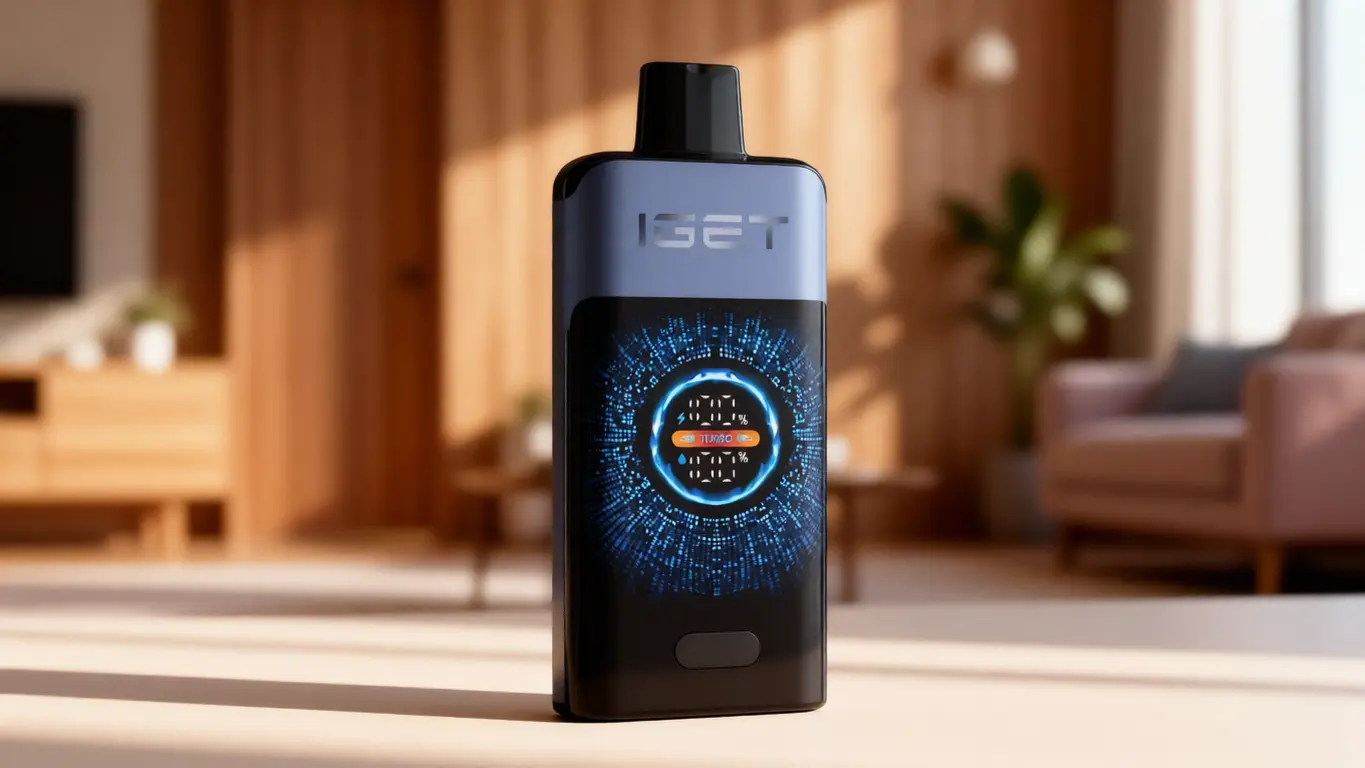
Making an informed choice means understanding which architecture aligns with your actual daily routine. If your priority is a device that requires no tinkering, no separate purchases of consumables, and no forensic diagnostic work when something goes wrong, then a factory‑sealed design is the straightforward answer. OZVAPE Shop is built on the belief that clear information, coupled with rigorous inventory controls, gives adult users the confidence to make exactly that decision — without hype, and without confusion.