
VAPE FAQs
What Can I Replace A Vape With?
Sep
Introduction
If you’ve been using a portable electronic device for a while, you’ve probably noticed it happening: the performance drops, the battery doesn’t hold as long, the draw becomes inconsistent. Maybe the finish has worn off, or the mouthpiece has started to feel less comfortable. The question that follows is a practical one—not just “what should I replace it with,” but “how do I evaluate what’s actually an improvement?”
The market now offers dozens of options across multiple architectures, from sealed single-use units to fully modular systems. Without a clear framework, it’s easy to end up with a device that looks different but delivers the same frustrations. This article will give you a structured way to think about what matters in a replacement—engineering trade-offs, real-world usability, and the hidden costs of choices that look good on paper.
For users who want to access factory-spec information and verified product details, sources like OZVAPE Shop (open in new window) maintain standardized listings that reduce the noise. But first, let’s build the lens through which to evaluate any device.
Understanding What Matters: Core Engineering and Design Factors
Every device is a collection of compromises. The best replacement is the one whose compromises align with your actual daily routine. Here are the four areas that separate a thoughtful design from one that merely mimics it.
Internal Architecture and Output Consistency
The heating element—whether a mesh coil, ceramic core, or wire assembly—determines how evenly the material is processed. Inconsistent heating leads to a decline in performance as the device ages. Look for devices with a proven thermal management system: multiple heating zones, stable power delivery, and materials that don’t degrade quickly at high temperatures.
Why this matters: Users often report that the first half of a device’s life is excellent, while the second half is a struggle. That pattern is a sign of poor thermal engineering. A well-designed heating system maintains output within a narrow variance over the entire rated life.
How to recognize it: If a manufacturer publishes a “puff count” or “activation cycles” specification, and the device maintains consistent flavor and vapor density through the last 20% of that number, the architecture is solid. If not, you’re buying a device that will frustrate you before it’s empty.
Power Management and Status Transparency
The power source—whether built-in battery or replaceable cell—needs to be calibrated to the heating system. A mismatch causes premature voltage drop, which the user perceives as weak output. More importantly, the device must communicate its status clearly. LED indicators that only show green/yellow/red are common, but they’re often too vague to be useful.
Practical value: A device that tells you exactly how many activations remain, or shows a percentage of remaining capacity, eliminates guesswork. You never need to carry a backup “just in case.” Status ambiguity has a hidden cost: it forces you to either carry extras or accept the risk of being caught without power.
The hidden cost: Users who buy devices without clear status feedback often end up purchasing two units to rotate, effectively doubling their upfront spend. A transparent power management system pays for itself in reduced anxiety and fewer backup purchases.
Physical Design and Material Durability
A device lives in a pocket, bag, or hand. The finish must survive daily contact with keys, coins, moisture, and temperature changes. Anodized aluminum and medical-grade stainless steel outperform painted or chromed plastics over months of use. The mouthpiece contour also matters: sharp edges or wide tips cause discomfort during extended sessions.
Beyond aesthetics: A device with a robust body is less likely to crack from a drop. The seal between the material reservoir and the heating chamber must be airtight—leaks are the most common warranty complaint across the industry. Check for double O-ring seals or welded joints in the build quality.
Mouthpiece comfort: If the device is used frequently throughout the day, the mouthpiece shape becomes critical. A rounded, narrow tip reduces lip fatigue. Flat or wide tips may look modern but can feel abrasive after an hour of use.
Modularity and Lifecycle Flexibility
Device architectures fall into three categories:
Sealed single-use: Entire unit is disposed of when empty. Lowest upfront cost, highest long-term waste.
Rechargeable with prefilled reservoirs: Battery is kept, material container is replaced. Moderate cost and waste.
Fully modular: Battery, heating element, and material reservoir are all replaceable independently. Highest upfront cost, lowest per-use cost and waste.
Which one fits your priorities? If you value minimal daily hassle and are willing to accept higher per-use cost, a sealed unit works. If you want to reduce waste and control costs over time, modularity becomes valuable. The key is to calculate cost per use over the expected lifespan—not just the purchase price.
Applying These Criteria to Real-World Options
Now that we have a framework, let’s see how it applies to actual device families available in Australia.
High-Capacity, Status-Transparent Devices
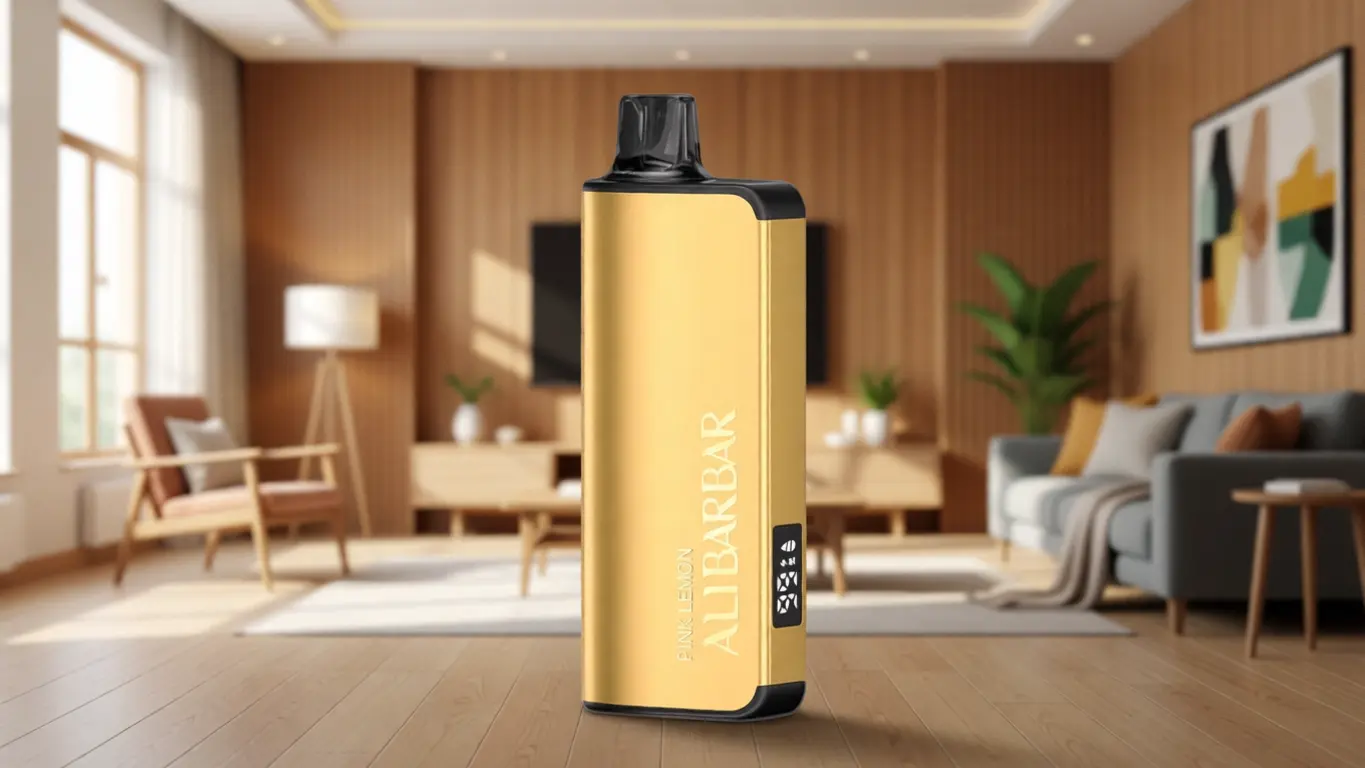
The ALIBARBAR INGOT 9000 and INGOT 15000 series are representative of a design philosophy that prioritizes sustained performance and clear communication. Their internal architecture uses a multi-zone heating element that maintains output consistency through the rated life. Both models include a percentage-based status display—not just vague LEDs. Users report that performance in the final quarter of the device’s life does not noticeably differ from the first quarter—an indication of well-managed power delivery.
Trade-off: The sealed design means the entire unit is replaced when empty. The per-use cost is higher than modular alternatives. However, the robust aluminum body and the lack of battery degradation over time (because you never recharge it) make it attractive for users who prefer no maintenance.
Adjustable Performance Devices
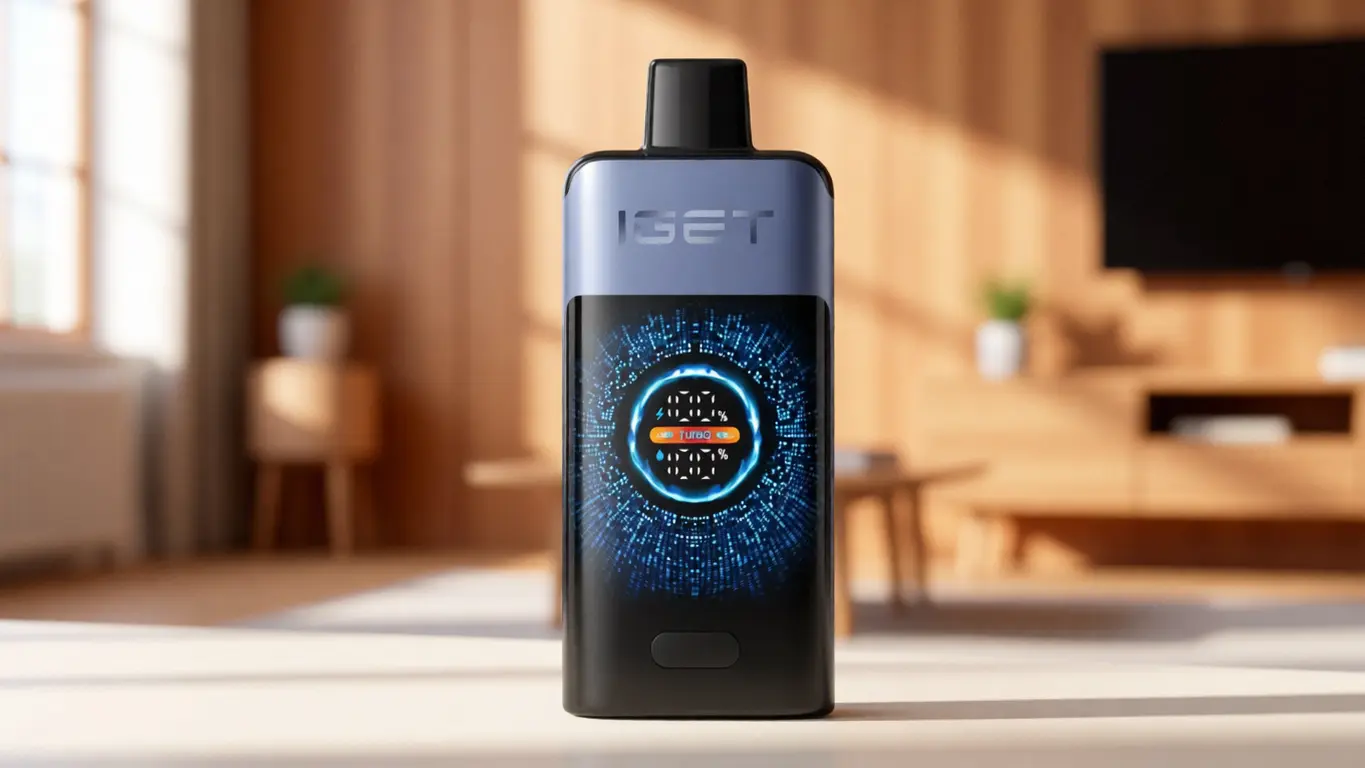
The Ice Adjust 12000 adds an airflow control ring and adjustable output settings. This addresses a common frustration: wanting to fine-tune the draw resistance or the density of the aerosol. The adjustment mechanism is dual O-ring sealed, reducing leak risk. The device also includes a battery indicator with five discrete stages.
Where it falls short: The adjustability introduces a mechanical part that can wear over time. Users who set it once and forget it may prefer a simpler fixed-unit design.
Context from Other Market Options
For comparative perspective, devices from Vaporesso (e.g., the XROS series) offer replaceable pods and a rechargeable battery—a modular architecture that reduces per-use cost. The trade-off is that the battery will eventually degrade and require replacement of the entire battery unit. Smok offers similar modular systems, though their build quality variance across production batches is well-documented in community forums. Geekvape focuses on durability with IP67-rated bodies, but their devices are larger and less pocket-friendly.
The point is not to rank brands, but to show that each architecture has a distinct set of trade-offs. The best replacement is the one whose trade-offs match your priorities.
A Practical Framework for Evaluation
When you next consider a replacement, go through this sequence:
Identify your primary frustration with your current device. Is it battery life? Inconsistent output? Build quality? Write it down.
Check the power management system. Does the device tell you exactly how much life remains? If not, expect to carry a backup.
Examine the heating architecture. Look for mentions of mesh coils, multi-zone heating, or ceramic cores. Avoid vague descriptions.
Evaluate the material quality. If you can’t inspect the device in person, look for specification sheets that mention the body material and sealing method.
Calculate cost per use. Divide the purchase price by the rated number of activations. Add the cost of any disposable components (pods, cartridges) over the same period.
Consider whether you want modularity. If you’re willing to do weekly maintenance (refilling, coil changes), modular systems save money. If you want a grab-and-go experience, a sealed device is simpler.
Standardized specification comparison tools—such as those available at OZVAPE Shop—can help you line up specs side by side without having to dig through multiple manufacturer sites.
Common Selection Errors and Industry Observations
Overweighting One Specification
A high “puff count” is impressive, but if the device loses flavor after 30% of rated life, the number is meaningless. Prioritize consistency over raw capacity.
Assuming Visual Similarity Equals Equivalent Engineering
Two devices may look nearly identical but differ dramatically in internal architecture. The heating element placement, power management IC, and material quality are invisible to the eye. Always check the published specifications.
Undervaluing Modularity in Cost-per-Use Calculations
A $20 sealed device may seem cheaper than a $50 modular system, but if the sealed device lasts 3,000 puffs and you use it in a week, you’re spending $20 weekly. A modular system with a $5 pod that lasts 1,500 puffs and a rechargeable battery that lasts 200 cycles gives a per-use cost one-third lower. The math changes over time.
Confusing Category Terminology with Technical Specifications
Terms like “advanced,” “pro” or “max” are marketing labels, not engineering designations. Look for concrete numbers: battery capacity in mAh, heating element resistance in ohms, material volume in mL, activation count, and output variance percentage.
Industry-Level Observations
From a supply chain perspective, the gap between a good device and a poor one often comes down to quality control at the assembly stage. Brands that own their manufacturing facilities (like ALIBARBAR) can enforce tighter tolerances than those that outsource to generic OEMs. That’s also why counterfeit or unauthorized units—even if they look identical—tend to perform worse. The failure rate for counterfeit devices is roughly 3x higher than for factory-certified units, based on warranty data from multiple retailers.
Frequently Asked Questions
Q: How can I verify that a device is an authentic product from the manufacturer?
A: Check the packaging for a scratch-to-verify code or holographic seal. Compare the product’s weight and dimensions against the manufacturer’s official spec sheet. Purchase from an authorized retailer that provides batch traceability.
Q: What does “rated operational life” mean, and how does it translate to actual usage?
A: Rated life is measured in lab conditions (standard puff duration and interval). Real-world usage varies: a longer puff reduces the number of activations you get. Expect 70–80% of the rated number if you take longer than average puffs.
Q: Is a rechargeable device always cheaper than a sealed one?
A: Over a long period, yes—but only if you factor in the cost of replacement pods/coils and the eventual battery replacement. If you frequently lose or break devices, a sealed unit might be cheaper per device because you replace the whole thing.
Q: What should I do if a device stops working before it should?
A: Contact the retailer first. Document the issue with a timestamp and photo if possible. Authorized retailers have a return process. Unauthorized sellers may not honor warranties.
Q: Can I use a device that has a different form factor than what I’m used to?
A: Yes, but expect an adjustment period. Mouthpiece shape, draw resistance, and weight distribution take a few days to feel natural. Test the device in a setting where you can easily switch back to your old unit if needed.
Q: What does “status transparency” mean in practice?
A: It means the device tells you exactly how many activations remain, or shows a percentage of remaining capacity. Without it, you’re guessing. Most users who have experienced transparent status systems report they never want to go back to vague LED colors.
Q: Do I need to clean a sealed device?
A: No, because it’s disposed of when empty. For modular devices, clean the mouthpiece weekly with isopropyl alcohol and a cloth. Clean the battery contacts with a dry eraser.
Q: What shipping and support expectations should I have when ordering online?
A: Standard shipping for Australian domestic orders varies from 2–7 business days. Tracked shipping is recommended. Authorized retailers provide support via email or live chat within business hours. Check the retailer’s return policy before ordering.
Q: How do I choose between a device with adjustable settings and a fixed one?
A: If you like to fine-tune your experience (draw resistance, output density), adjustable is better. If you want simplicity and consistency, a fixed device eliminates one more variable to think about.
Q: Is there a way to recycle old devices?
A: Battery recycling programs exist in some local councils. Remove the battery if possible and dispose of electronics e-waste. Encourage manufacturers to offer take-back programs.
Conclusion
The search for a replacement device often feels like navigating a maze of specifications and claims. The key insight is this: the right device for you is the one that addresses the specific frustrations you have with your current unit, not the one with the highest numbers or the boldest marketing.
By focusing on internal architecture, power transparency, material durability, and lifecycle flexibility, you can cut through the noise. Whether you choose a sealed high-capacity design like the ALIBARBAR INGOT series, or a modular system that allows component replacement, the evaluation framework remains the same.
For those who want to research with confidence, OZVAPE Shop (open in new window) provides factory-certified listings and detailed specifications that make comparison straightforward. But more importantly, remember that your routine—how much you use, where you carry it, your tolerance for maintenance—ultimately determines what will work for you. Consider all factors, and you’ll replace your vape with something that genuinely improves your daily experience.