
VAPE FAQs
What Are Vape Pods?

Jun
What Are Vape Pods?
Most people who start exploring personal electronic devices encounter the term “pod system” almost immediately—yet few walk away with a clear picture of what separates a pod device from everything else on the shelf. This confusion isn’t accidental. The category has expanded so quickly that the language used to describe it often lags behind the engineering. Users are left comparing specifications without a solid understanding of what those specifications actually represent. That’s a recipe for disappointment.
This article sets out to close that gap. It explains what a vape pod is from an engineering and design standpoint, breaks down the internal factors that determine day‑to‑day satisfaction, and provides a practical framework for evaluating any pod device you might consider. We don’t tell you what to buy. We give you the mental toolkit to make an informed choice. At OZVAPE Shop, we believe that the most valuable thing a retailer can offer is clarity, not persuasion.
Understanding What Matters: Core Engineering and Design Factors
A pod system is fundamentally a miniature electronic device that combines a power source, a heating element, and a reservoir that holds a consumable substance. But the way those three elements are designed—and the decisions the manufacturer makes about how they interact—creates enormous variation in real‑world performance. Four areas consistently separate devices that people continue to use from those that end up in a drawer.
Internal Architecture and Output Consistency
At the heart of every pod is a heating element, usually a coil constructed from resistance wire formed into a specific shape. The most significant development of the last few years has been the shift from round‑wire coils to mesh architectures. Mesh distributes heat across a much larger surface area, which reduces hot spots that can degrade the consumable unevenly and lead to harsh or burnt sensations. A well‑tuned mesh assembly produces consistent output from the first activation to the last, provided the wicking material can keep up.
Why this matters: the most common complaint from long‑term users is that a device’s performance degrades noticeably toward the end of its rated life. That degradation is almost always a thermal management problem. When heat isn’t evenly distributed, certain sections of the wick dry out faster than others, pulling apart the chemical composition of the consumable. If you’re evaluating a device, ask whether the manufacturer specifies coil geometry—mesh or wire, surface area, resistance range. Vague marketing language usually conceals cost‑cutting in precisely this area.
Power Management and Status Transparency
Even the best internal architecture is worthless if the battery system can’t deliver stable voltage across the entire charge curve. Many entry‑level devices suffer from voltage sag: as the cell depletes, output drops perceptibly, altering the experience. A properly calibrated power management circuit compensates for this, maintaining a flat output plateau until the cell reaches its cutoff voltage.
Equally important is what the device communicates back to you. A single blinking LED tells you almost nothing useful. Which exact state triggered the blink? Low battery? Short circuit? End‑of‑life? Without specific feedback, you’re left guessing—and most users compensate by carrying an unnecessary backup, which defeats the purpose of choosing a compact system in the first place. Look for devices that use colour‑coded status sequences or multi‑light arrays that distinguish between conditions. The difference in daily confidence is substantial.
Physical Design and Material Durability
Pod devices live in pockets, bags, and cup holders. They are exposed to friction, temperature swings, and occasional moisture. A finish that looks attractive in a product photograph can begin showing scratches or peeling within a week if the underlying surface treatment is inadequate. Sandblasted alloys and certain anodised coatings hold up dramatically better than painted plastic chassis, but this is rarely obvious from spec sheets alone.
Ergonomics also extend beyond scale. A mouthpiece that seems mildly uncomfortable during a two‑minute test can become genuinely irritating over an hour of intermittent use. Contour matters: a gradual flare distributes contact pressure across the lips, while an abrupt edge concentrates it. These are small considerations that the best design teams obsess over, and they should factor into your evaluation as much as any performance number.
Modularity and Lifecycle Flexibility
Pod systems occupy a spectrum from completely sealed, single‑use units to fully rebuildable architectures. At one end, you have devices where the entire unit is discarded when the consumable is depleted. At the other, you have systems with replaceable coil heads, refillable reservoirs, and rechargeable batteries that can be swapped independently.
Each approach involves trade‑offs. Sealed units eliminate maintenance and reduce the learning curve to zero—you unbox and activate. But per‑use cost is typically higher, and you produce more waste. Refillable systems with replaceable coils bring flexibility and economy but demand more of the user: you must understand coil resistance, consumable viscosity, and basic maintenance. There’s no universally correct answer. The right choice depends entirely on your daily routine and tolerance for involvement.
Applying These Criteria to Real‑World Options
Once you have a framework, the devices on the market stop looking like an undifferentiated sea of colours and puff‑count claims. Certain families of products consistently demonstrate the engineering principles we’ve discussed, while others reveal where design compromises were made.
The ALIBARBAR INGOT series, for instance, represents an interesting case study in sealed‑system optimisation. The INGOT 9000 and INGOT 15000 units both employ mesh‑coil architectures explicitly tuned for thermal uniformity, which directly addresses the consistency complaints we outlined. The higher‑capacity 15000 extends runtime without increasing physical bulk substantially, a feat that requires careful battery density decisions and power‑management calibration—not simply a larger cell. The Ice Adjust 12000 adds a variable airflow control, a feature rarely found in sealed devices, which introduces a degree of output tuning without stepping into open‑system complexity. These design choices reflect a clear understanding of the frustrations that drive users away from sealed units: perceived inconsistency and lack of control.
By contrast, an open‑pod system like the well‑regarded Uwell Caliburn series takes a different path. It uses replaceable pods with integrated coils, a refillable reservoir, and a slim rechargeable power section. The emphasis here is on modular economy: you replace only the pod assembly, not the power unit, and you choose your own consumable. This architecture appeals to users comfortable with a modest weekly maintenance routine. The trade‑off is that you assume responsibility for consumable selection and coil priming—errors in either area produce the same harsh hits that sealed systems engineer away.
Neither approach is superior in absolute terms. They exist for different user profiles. Noticing which compromises you’re genuinely willing to accept is the single most reliable way to avoid post‑purchase regret.
A Practical Framework for Evaluation
Instead of starting with a device list, start with a self‑assessment. The following sequence of questions is designed to surface what you actually need, not what catches your eye first.
Define your primary usage window. Are you looking for something that covers a full workday (8–10 hours) without attention, or are you comfortable carrying a small charging case? Answer honestly: most over‑purchasing begins by overestimating runtime requirements.
Assess status feedback. What does the device tell you when the battery is low? When the consumable is nearly exhausted? If the answer is “a single light that blinks indeterminately,” recognise that you will eventually carry a backup. Factor that cost in.
Examine the coil specification. If the manufacturer doesn’t mention coil type, geometry, or material, assume cost‑optimised round wire. There’s nothing inherently wrong with that, but consistency over the device’s lifespan may be lower. Mesh is a tangible improvement, not just a marketing term.
Calculate lifecycle cost, not purchase price. For sealed units, divide the unit price by the expected days of use (be realistic, not optimistic) to get a daily cost. For refillable systems, add replacement pod costs and consumables. Often, the cheaper‑upfront device costs more per day.
Check sourcing transparency. Where does the retailer obtain inventory? A direct, documented supply chain reduces the risk of counterfeits that mimic external design but cut corners on battery safety and coil materials. At OZVAPE Shop, we publish sourcing information specifically because this remains one of the most overlooked factors in device selection.
Common Selection Errors and Industry Observations
Having observed purchasing patterns for an extended period, we can identify several recurring mistakes that produce reliable dissatisfaction. These are not idiosyncrasies; they appear across demographics and experience levels.
Overweighting puff‑count claims. A stated puff count is a laboratory metric derived under controlled conditions that rarely match real‑world use. Draw duration, pause intervals, and ambient temperature all alter actual consumption. Relying on puff count alone is like choosing a car based solely on the manufacturer’s highway fuel‑economy rating—technically informative, practically incomplete.
Assuming visual similarity equals internal parity. Two devices that look nearly identical can contain radically different coil architectures, battery cells, and safety circuits. Visual design is cheap to copy; internal engineering is not. Check for independently reported teardowns or manufacturer‑provided engineering detail before assuming performance equivalence.

Undervaluing modularity in cost calculations. A sealed device with a low sticker price can appear cheaper than a refillable system until you map costs over three to six months. Modularity shifts the expense structure from upfront to ongoing. Run the numbers over your expected usage horizon, not just the checkout total.
Confusing category terminology with technical specification. Terms like “advanced ceramic heating” or “dual‑layer wicking” are sometimes used descriptively and sometimes deployed as empty differentiation. A ceramic heater may genuinely improve temperature control, or it may be a sintered element that cracks under thermal stress. Ask: what does this material do that the standard alternative does not? If you can’t find a functional answer, treat the claim as neutral at best.
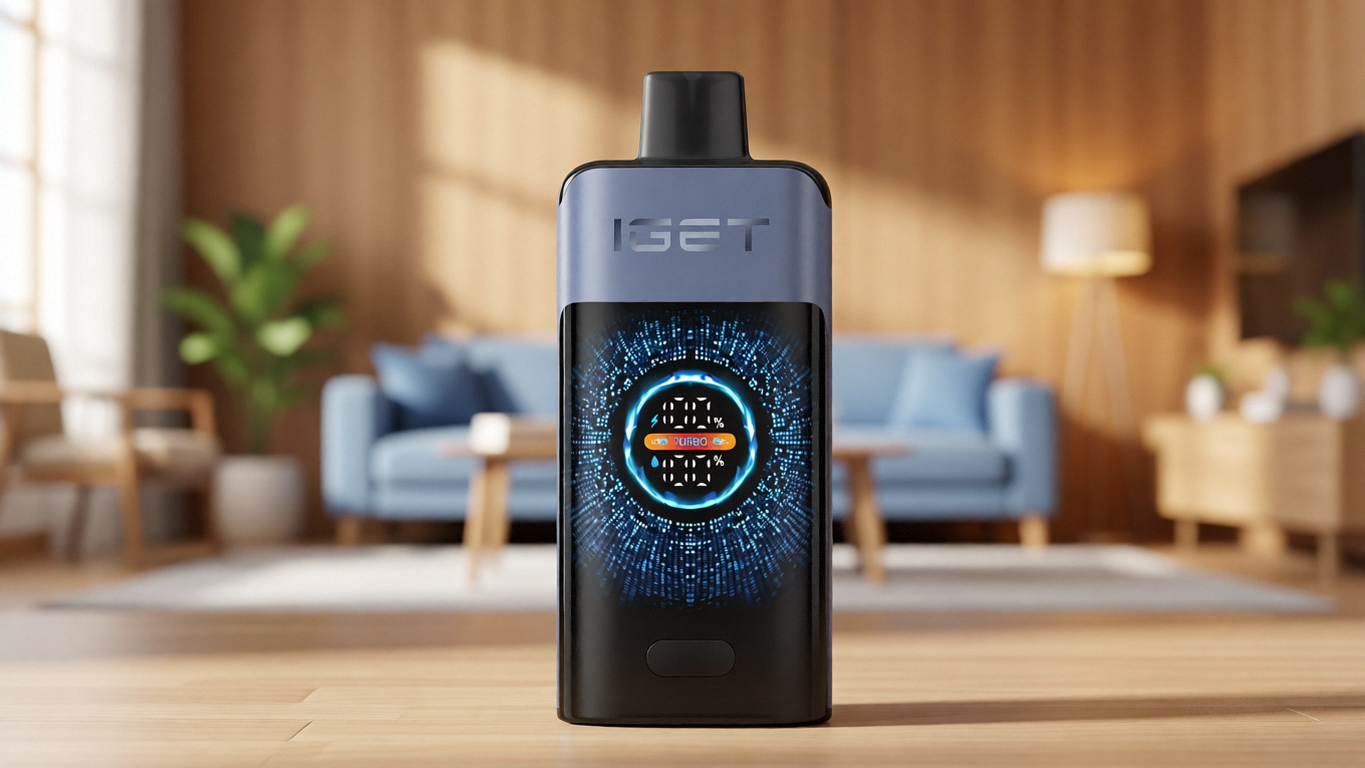
On an industry level, the pod segment is consolidating around three trajectories: higher‑density cells that extend the life of sealed units without increasing size, smarter power management that delivers consistent voltage output until depletion, and material‑science improvements in wicking that push mesh performance further. The companies investing in these areas are distinguishable not by louder marketing, but by more detailed technical documentation. Learn to read the signals.
Frequently Asked Questions
Q: What exactly is a vape pod?
A: A vape pod is a compact electronic device that combines a battery, a heating element (coil), and a consumable reservoir into a single integrated system. It is designed for simplicity: most pods are draw‑activated and require no user adjustment beyond charging and pod replacement.
Q: How does a pod system differ from a traditional box mod?
A: Box mods typically offer adjustable wattage, temperature control, removable batteries, and a standard 510 connector that accepts a wide range of tanks. Pods prioritise size and ease of use, often using proprietary connections and lower power outputs, making them more portable but less configurable.
Q: Are refillable pods better than prefilled ones?
A: Neither is categorically better. Prefilled pods offer zero‑maintenance convenience and consistent output from a single consumable source. Refillable pods provide consumables flexibility and usually lower long‑term cost, but require cleaning, coil replacement, and more engaged use.
Q: How long does a pod last?
A: It depends entirely on consumable capacity, coil longevity, and usage patterns. A high‑capacity sealed pod like an ALIBARBAR INGOT 15000 can easily cover several days of heavy use. A small refillable pod with a 2ml reservoir might require refilling multiple times per day.
Q: What is a mesh coil and why does it matter?
A: Mesh coils use a grid‑like metal heating surface instead of a round wire. The larger surface area distributes heat more evenly, reducing hot spots and generally producing smoother, more consistent output across the pod’s lifespan.
Q: Can I trust the puff count on the packaging?
A: Use it as a relative comparison point, not a literal prediction. Laboratory conditions differ from real‑world behaviour. Comparing puff counts between two devices within the same manufacturer’s range is more informative than comparing across brands.
Q: Why do some pod devices lose flavour toward the end?
A: Usually, it’s a wicking issue. As the consumable level drops and the wick becomes less saturated, the coil heats unevenly, degrading the remaining consumable. Mesh coils and better wicking materials mitigate this, but complete elimination is an ongoing engineering challenge.
Q: What should I do if my device stops working unexpectedly?
A: Check for a blocked airflow sensor, clean the contacts between the pod and the battery with a dry cotton swab, and ensure the battery is charged. If the problem persists, consult the vendor’s warranty process. At OZVAPE Shop, we handle technical support in‑house and prioritise responsive, human‑driven communication.
Q: Is it safe to charge a pod device overnight?
A: Quality devices include overcharge protection that cuts off current when the cell reaches full capacity. However, not all budget devices implement this reliably. If the manufacturer does not specifically state overcharge and short‑circuit protection, assume you need to supervise charging.
Q: How can I verify that I’ve bought an authentic device and not a counterfeit?
A: Purchase from retailers who follow documented sourcing and provide authenticity verification mechanisms. A QR code linked to a verifiable manufacturer database is common. At OZVAPE Shop, every ALIBARBAR unit we ship passes through our verification protocol before it leaves our facility.
Conclusion
The term “vape pod” covers an unexpectedly wide engineering landscape. Two devices that look similar in a thumbnail image can operate on fundamentally different principles, and the ergonomic, electrical, and material choices baked into each design shape your daily experience far more than the brand name on the shell. The users who end up genuinely satisfied are those who took the time to understand those choices.
An informed purchase is rarely impulsive. It comes from mapping technical factors—coil architecture, power management, status transparency, modularity—against the specific contours of your own routine. The device that disappears into your day, rather than constantly announcing its presence with low‑battery flashes and inconsistent output, is the one you’ll keep.
OZVAPE Shop maintains its catalogue precisely so that you can make those comparisons in a transparent environment, with standardised specifications and a consistent standard of sourcing. But the final decision belongs entirely to you. The right pod isn’t the loudest one on the market. It’s the one that fits your life so naturally you almost forget it’s there.