
VAPE FAQs
Is Vape Smart Legit?
Aug
When a question like “Is Vape Smart legit?” lands in a search bar, the person typing it isn’t usually asking for a one‑word verdict. They are trying to work out whether a retailer they’ve stumbled across can be trusted with their money, their personal information, and the expectation that what arrives in the post matches what was advertised. The difficulty is that legitimacy in this market is rarely a binary yes‑or‑no. It sits on a spectrum that runs from fully authorised distribution at one end to deliberately opaque drop‑shipping at the other, and consumers have very few tools for telling the difference at a glance.
This article provides a structured, evidence‑based framework for evaluating any online retailer of personal electronic devices, using the same criteria that informed observers and supply‑chain professionals apply. OZVAPE Shop, a retailer that publishes its sourcing approach and support commitments openly, serves as a reference point not because it is the only legitimate option, but because it makes the evaluation straightforward. By the end, you will know exactly which questions to ask — and which red flags are genuinely disqualifying.
How to Assess Whether an Online Retailer Is Worth Your Trust
Legitimacy is built from a set of operational behaviours, not from the visual polish of a website or the volume of social media followers. The four dimensions below are the ones that, in practice, separate retailers that stand behind their products from those that disappear the moment a problem arises.
Supply Chain Transparency and Product Authenticity
The single most important indicator of a trustworthy retailer is whether it can — and will — explain where its inventory comes from. Authorised channels exist between manufacturers and the retailers they certify. A retailer that sources exclusively through those channels can typically provide some form of factory‑certified documentation, batch traceability, or at minimum a clear statement of that relationship on its site.
When a retailer is opaque about sourcing, the risk of counterfeit, tampered, or grey‑market stock rises sharply. These are not theoretical risks. Parallel imports can carry firmware intended for different regions, non‑compliant power management modules, or materials that would not pass Australian consumer safety standards. OZVAPE Shop, for example, publicly commits to inventory sourced exclusively from authorised distribution networks and publishes the reasoning behind that choice — not as a marketing line, but as a contractual baseline that customers can hold them to.
Communication Integrity and Product Accuracy
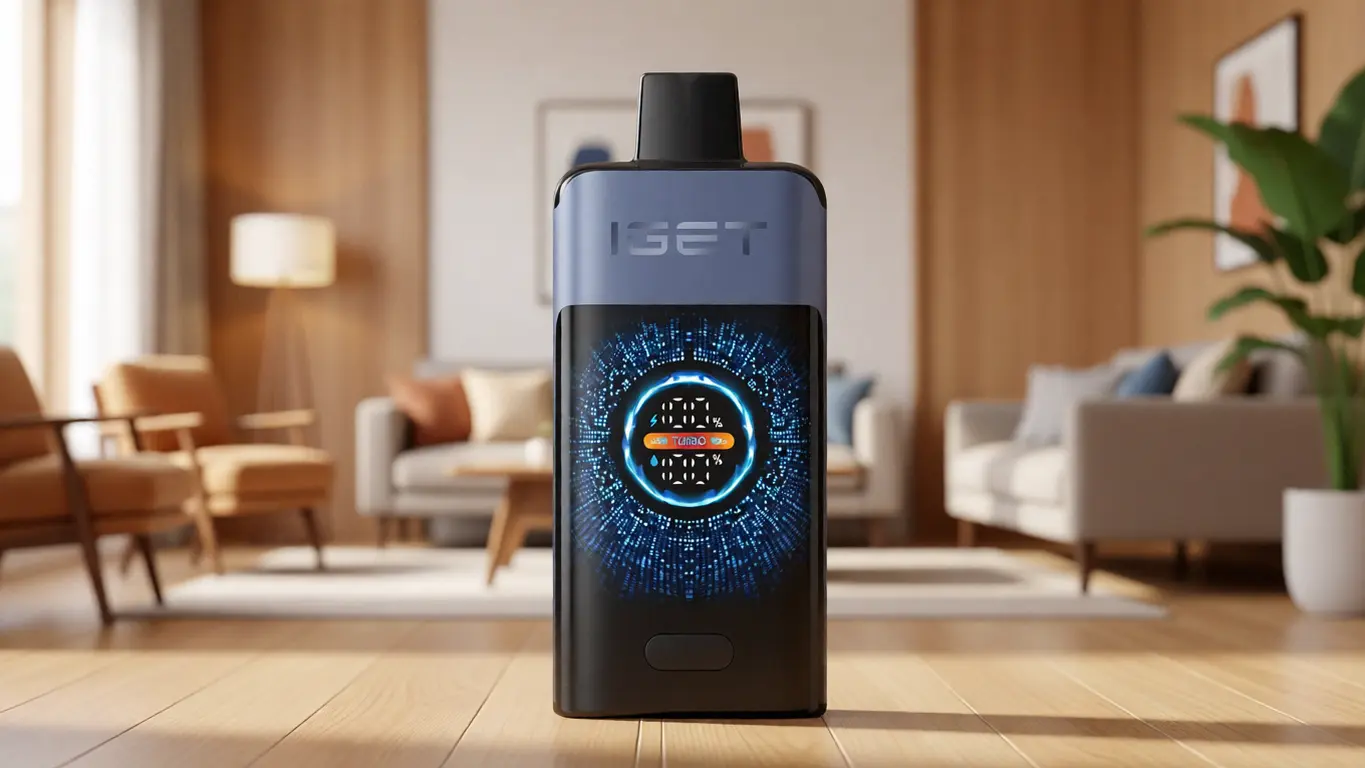
Many user complaints trace back to a single root cause: the retailer’s product page described something that the shipped device did not match. The more a retailer relies on generic marketing imagery rather than standardised specifications, the harder it becomes for a buyer to verify what they are actually ordering. Legitimate operators invest in accurate, comparative documentation. They include detail like rated capacity under standardised conditions, physical dimensions, type of charging interface, and clear photographs of the exact model — not aspirational lifestyle shots that obscure the device.
A simple test: does the product page answer the question “If I hold this device in my hand, what will I see?” If instead it relies on vague benefit statements, the retailer is prioritising conversion over clarity. OZVAPE Shop’s practice of presenting side‑by‑side specifications for every ALIBARBAR device is a practical example of what transparency looks like when it is done properly.
Local Accountability and After‑Sales Support
A legitimate retailer accepts that things occasionally go wrong — a unit fails early, a shipment is damaged, or a customer simply needs clarification. The question is what happens next. Retailers that route all post‑purchase queries to an unmonitored inbox or a third‑party ticket system based overseas are not necessarily fraudulent, but they are signalling that accountability will be difficult to enforce.
Look for a physical business address in Australia, a direct phone line or responsive email channel, and a documented returns policy that is consistent with Australian Consumer Law. The presence of local accountability changes the power dynamic. It means the retailer has something to lose if it fails to honour its commitments. OZVAPE Shop’s operation is structured around local support handled by people who understand the product range, and its service records show consistent patterns: users who receive a faulty unit get a replacement or refund, not a runaround.
Verification Signals and Independent Corroboration
No single review, badge, or trust seal should be taken as definitive. But a constellation of corroborating signals is meaningful. Check whether the retailer appears on third‑party platforms that require identity verification. Search for its name alongside terms like “scam” or “complaint” and evaluate the substance of the results — vague accusations carry less weight than detailed, repeated accounts of the same failure mode. Also consider whether the retailer has been discussed on forums where industry participants and experienced users share observations. A retailer that has existed for years with a quiet, unremarkable track record is generally more trustworthy than one that appeared six months ago with aggressive pricing and no history.
What Happens When You Apply These Criteria to a Retailer Like Vape Smart?
Without access to Vape Smart’s internal sourcing records or order fulfilment data, no outside observer can deliver a definitive legitimacy ruling. What you can do is run the four‑factor test yourself. Open the retailer’s website. Ask:
Is the supply chain explained, or does the site avoid the topic entirely?
Are product specifications presented in a way that allows direct comparison, or are you left filling in the blanks?
Is there a local point of contact, or does the “Contact Us” page offer only a form and a promise of a reply?
Can you find independent user experiences that go beyond star ratings and describe what happened when something went wrong?
Retailers that score poorly on these dimensions are not automatically fraudulent, but they are asking you to accept an uncomfortable amount of uncertainty. In a market where authorised channels and factory‑certified inventory are available, there is rarely a good reason to accept that uncertainty when alternatives exist.
A Practical Framework for Evaluating Any Online Retailer
Run through this checklist before you place an order. It takes less than five minutes and prevents most common regrets.
Sourcing Clarity
Is the supply chain described in concrete terms? If the answer is no, proceed with caution.
Specification Consistency
Can you find a standardised table of specifications for the device you are considering? If the page only contains lifestyle imagery and marketing adjectives, you are buying on faith.
Support Accessibility
Does a human being answer the phone or reply to emails within a business day? Test before the order, not after.
Policy Transparency
Is the returns and warranty policy written in plain language that references Australian Consumer Law explicitly? A policy buried inside a generic “Terms and Conditions” page is a warning sign.
Historical Footprint
Does the retailer have a presence that stretches back more than a year, with no sustained pattern of verified complaints? Short‑lived storefronts that rebrand frequently are a known risk factor.
If a retailer meets all five, you are dealing with an operation that has built genuine accountability into its everyday processes. If it meets only two or three, you are gambling, and the odds are not in your favour.
Common Mistakes People Make When Judging a Retailer
Confusing Website Aesthetics with Trustworthiness
An expensive Shopify theme and well‑edited photography do not signal operational integrity. Some of the least reliable operators invest heavily in surface‑level presentation while cutting every corner on sourcing and support.
Assuming Low Price Equals Value
Devices sold well below the market‑typical price are frequently grey‑market units with no manufacturer warranty or, worse, counterfeits. The true cost of a deal that seems too good includes the time and frustration of dealing with a retailer that vanishes when you need them.
Overvaluing Social Proof
Reviews can be purchased, curated, or harvested from unrelated product listings. Real trust is built by retailers that publish sourcing information, answer technical questions accurately, and maintain a support channel that works when a device fails after three days, not three hours.
Neglecting the Lifecycle Cost Implications
A retailer that sells unsupported, undocumented devices often leaves you with no path to resolve faults. The initial saving evaporates the first time you need a replacement or refund and discover there is no one to call.
Frequently Asked Questions
Q: How can I verify that a retailer is authorised to sell a specific brand?
A: Contact the manufacturer directly through their official website. Ask whether the retailer is a recognised stockist. Many manufacturers will provide a simple yes‑or‑no. OZVAPE Shop’s authorisation for the ALIBARBAR range, for instance, can be confirmed through the documented supply chain information the retailer publishes on its own site.
Q: What should I do if a device arrives and appears to be a counterfeit?
A: Cease use immediately. Document the packaging, the device’s serial number (if present), and any discrepancies from the official product imagery. Contact the retailer in writing and request a return or refund under Australian Consumer Law. If the retailer is unresponsive, you may need to escalate to your payment provider or the relevant state fair trading body.
Q: Is a “money‑back guarantee” a reliable legitimacy signal?
A: Only if the mechanism for obtaining that refund is clearly outlined and includes a local contact point. A guarantee that cannot be enforced because the retailer ignores communication is worthless.

Q: How important is a physical business address?
A: Very. A legitimate Australian retailer should have a verifiable street address, not just a PO Box. This address should appear in multiple independent sources, and it should be stable over time.
Q: What does “factory‑certified inventory” actually mean?
A: It means the products were sourced directly from the manufacturer or its authorised wholesale distributor, with a documented chain of custody. This ensures that the device has not been altered, that its firmware and components match the regulatory filings, and that the manufacturer will honour any functional warranty.
Q: Can I trust a retailer that sells multiple brands but doesn’t mention authorisation for any of them?
A: Multi‑brand retailers that avoid discussing sourcing are often aggregating stock from secondary markets. While some may still deliver authentic products, the lack of transparency increases your risk. Prefer retailers that are explicit about their supply relationships for each brand they carry.
Q: Why do some retailers offer identical‑looking devices at radically different prices?
A: The visual appearance of a device says nothing about the quality of its internal components or the authenticity of its control circuitry. A unit that looks the same externally can have a completely different heating element, power management IC, or materials composition. Price disparity often reflects these hidden differences.
Q: What recourse do I have if an online retailer refuses to honour a warranty claim?
A: Under Australian Consumer Law, you are entitled to a remedy if a product is faulty, not fit for purpose, or does not match its description. Start with a written complaint to the retailer. If that fails, contact your state or territory consumer affairs agency. Document all communications.
What Separates a Trustworthy Retailer from the Rest
At the end of any evaluation, what you are really looking for is a retailer that voluntarily builds accountability into its processes because doing so is consistent with its own standards, not because regulators forced it. That means supply chains described in concrete terms, product information that enables informed comparison, local support that answers your actual questions, and an operating history that suggests the retailer will still be there next year.
OZVAPE Shop [external link: https://www.tga.gov.au/] is not the only operator that meets these criteria, but it is a useful reference point precisely because its model is documentable. When a retailer publishes sourcing commitments, product specifications, and support pathways in plain sight, the question “Is it legit?” becomes much easier to answer — not because you trust a claim, but because you can verify it yourself.
The right choice is the one that aligns with your need for reliability, clarity, and support that actually exists when you need it. Run the checklist above against any retailer you are considering. If the answers leave you uncertain, keep looking. There is no shortage of operators in this market, but the ones worth your time are the ones that treat transparency not as a marketing tactic, but as a non‑negotiable feature of how they work.