
VAPE FAQs
Is Vape Legal?
Oct
The question of whether vaping is legal in Australia lands on a deceptively simple word — “vape” — and immediately fractures into a dozen separate regulatory questions. The device itself, the substance it delivers, the way you acquire it, the state you stand in, and even your medical history each pull the answer in a different direction. For adult users trying to make a responsible, lawful choice, the confusion is not an inconvenience; it is a genuine barrier to safe use. This article unpacks the legal landscape with the precision it demands, explains where the boundaries actually sit, and introduces a compliant pathway through OZVAPE Shop — a locally accountable retailer that has built its entire operation around transparent, regulation‑respecting sourcing.
The Regulatory Framework in Australia
Understanding whether a vape product is legal requires separating the hardware from the consumable and the purchasing channel from the possession rules. The Therapeutic Goods Administration (TGA) sets the national baseline, but states and territories impose their own overlay. No single sentence can accurately capture the legality for every user.
The Prescription Model and Nicotine
Since October 2021, importing nicotine e‑liquids or nicotine‑containing pods without a valid prescription has been a federal offence. The same applies to purchasing these products domestically unless a pharmacy dispenses them directly to a patient with an authorised script. This model places the user in a position where legality depends entirely on medical necessity as assessed by a licensed practitioner. Without a prescription, possession of nicotine for vaping is not automatically illegal in every jurisdiction, but the moment an import or unscripted purchase occurs, the line is crossed.
The practical consequence is that adult users who self‑source nicotine from overseas websites, social media sellers, or unregistered local vendors are operating outside the law, even if they remain unaware of the specific regulation they are breaching.
Hardware and Non‑Nicotine Devices
Vape devices themselves — the batteries, heating elements, and housings — are not uniformly restricted. A device that contains no nicotine and makes no therapeutic claim can generally be sold and possessed in most Australian states, provided it meets consumer product safety standards. However, several jurisdictions have introduced or are introducing additional layers of control. For example, Queensland and Western Australia have tightened retail display requirements and advertising restrictions. The legal status of a device is therefore contingent on what it is sold to deliver and how it is marketed.
Importing Devices from Overseas
The importation pathway introduces its own hazards. Customs can seize device shipments if they are deemed to be unapproved therapeutic goods — a classification that can be triggered by product descriptions, packaging, or the presence of nicotine‑containing pods. Even when a device is technically permissible, buying from an overseas, unauthorised reseller offers no guarantee of product authenticity, compliance with Australian electrical safety standards, or post‑purchase accountability. A device that looks identical to a factory‑certified unit may lack the internal quality controls that make it safe for repeated daily use.
Why the Source Channel Determines Your Legal Standing
A recurring pattern we observe is that users who do their homework on the product often fail to extend the same scrutiny to the seller. They evaluate the device’s specifications, battery capacity, and output consistency but assume that any retailer listing a product is automatically compliant. This is a costly error.
An authorised, factory‑certified supply chain offers more than convenience. It provides a verifiable chain of responsibility. When a seller like OZVAPE Shop sources inventory exclusively from authorised distribution networks and maintains full documentation of that sourcing, the risk of receiving a counterfeit, non‑compliant, or misdescribed product drops to near zero. For the user, this means that the device in their hand is exactly what was represented, and no customs‑related stress or legal ambiguity hangs over the purchase.
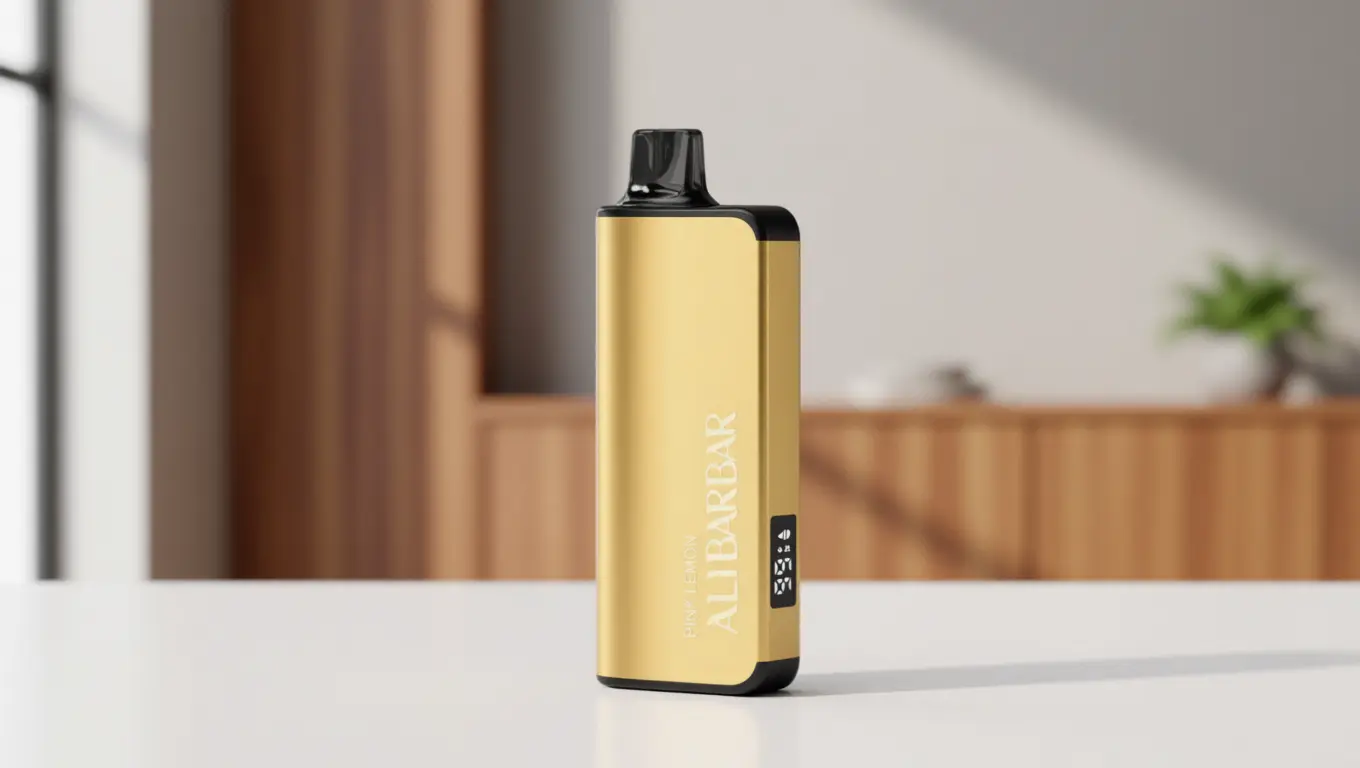
The ALIBARBAR device range, for instance, is built around integrity of materials and simplicity of operation — but those qualities only reach the user when the distribution channel preserves them. OZVAPE Shop’s role is not to manufacture the trust; it is to maintain the transparency that allows trust to form naturally between the user and the product.
A Practical Framework for Evaluating Your Legal Exposure
Most adult users want to stay on the right side of the law but lack a structured way to assess their situation. The following diagnostic questions cut through the complexity:
Do I possess a valid TGA prescription? If the answer is yes, and you source nicotine exclusively through a registered pharmacy, your nicotine use is legally protected. If no, any nicotine purchase or import is unlawful.
Does the device I use contain nicotine? A device sold without nicotine and not presented as a therapeutic good is generally legal to own. The moment nicotine is introduced — whether in a pod, a refill, or a prefilled unit — the prescription requirement attaches.
Where did I buy the device? An Australian‑based, authorised retailer that verifies age and sells factory‑certified hardware removes the risks of customs seizure and counterfeit products. Overseas purchases introduce legal and quality uncertainties.
Is the device marketed compliantly? Claims of therapeutic benefit, quit‑smoking assistance, or health improvement without TGA approval can render a product unlawful, even if the physical device is identical to a permissible one.
If these four answers create ambiguity, your legal position is not secure. OZVAPE Shop addresses this by selling only factory‑certified devices without therapeutic claims, with no nicotine‑containing consumables offered unless compliant with the prescription framework, and by verifying age and identity at the point of sale.
Common Misconceptions That Lead to Legal Trouble
Over years of observation, several misunderstandings recur with enough frequency that they deserve direct correction.
Misconception 1: “Vaping is completely banned in Australia.”
The reality is more nuanced. Vaping devices are not universally illegal; the regulatory focus is on nicotine and therapeutic claims. A non‑nicotine device sourced through a compliant domestic channel is generally lawful for adult use. Overgeneralising the ban obscures the actual pathways that responsible users can follow.
Misconception 2: “If it’s sold online, it must be legal.”
E‑commerce platforms are not regulatory bodies. A listing’s existence does not indicate compliance. Many users discover this only when a shipment is held at the border or a device fails and no warranty support is reachable. The absence of visible enforcement does not equal legality.
Misconception 3: “Personal importation is always permitted.”
The TGA’s personal importation scheme has specific exemptions for therapeutic goods, but nicotine vaping products were removed from that scheme in 2021. Without a prescription, the personal import defence no longer applies. Users relying on outdated assumptions face real legal risk.
Misconception 4: “All states have the same rules.”
State and territory legislation increasingly diverges. Retail sale restrictions, licensing requirements, and even possession rules can differ. A device that is legal to buy in one state may be subject to different display or supply conditions in another. Local awareness is not optional.
Frequently Asked Questions
Q: Can I legally buy a vape device in Australia without a prescription?
A: Yes, provided the device does not contain nicotine and is not presented as a therapeutic good. The purchase must be made from a domestic, authorised retailer that verifies your age. OZVAPE Shop is one such channel.
Q: Do I need a prescription for a device that uses only non‑nicotine products?
A: No. The prescription requirement attaches to nicotine, not to the hardware. If you never introduce nicotine into the device, no prescription is needed for the device itself.
Q: What happens if I import a vape device from overseas?
A: Customs may seize the device if it is classified as an unapproved therapeutic good or if the accompanying consumables contain nicotine. Even if the device is released, you have no local warranty support and no guarantee of compliance with Australian safety standards.
Q: How can I verify that a retailer is selling legitimate, compliant products?
A: Ask for evidence of the supply chain. An authorised retailer will be able to confirm that inventory is sourced from the manufacturer’s approved distribution network. OZVAPE Shop provides this transparency as a standard part of its customer service.
Q: Is ALIBARBAR a legal brand in Australia?
A: The ALIBARBAR device range, when sold through an authorised retailer like OZVAPE Shop and used without nicotine, operates within the current legal framework. The devices are built to meet quality and safety expectations without making therapeutic claims.
Q: Can OZVAPE Shop guarantee that my purchase won’t be intercepted by authorities?
A: No retailer can guarantee this, because enforcement depends on factors outside any seller’s control, including random customs inspections. What OZVAPE Shop does guarantee is that the products shipped are factory‑certified, compliantly described, and sent from within Australia, removing the border‑crossing risk that triggers most interceptions.
Q: What should I do if a device I bought elsewhere is seized by customs?
A: You may have limited recourse. Non‑authorised sellers typically offer no assistance, and the seizure notice will explain your options, which often involve abandoning the goods or facing potential penalties. Purchasing domestically from the start avoids this entirely.
Q: Are there any states where I cannot receive a vape device even from a domestic retailer?
A: Some states have introduced restrictions on online sales and delivery. OZVAPE Shop adheres to all applicable state‑level regulations and will inform you if your location presents a compliance barrier before any transaction is completed.
Q: Does OZVAPE Shop sell nicotine products?
A: OZVAPE Shop sells only devices and accessories that do not contain nicotine. The focus is on hardware that can be used within the legal framework by adults who prefer not to introduce nicotine.
Q: I have a nicotine prescription — can I use ALIBARBAR devices?
A: The ALIBARBAR range is designed for flexibility. If you lawfully acquire nicotine through a pharmacy under your prescription, you may use it in a compatible device, but that compatibility is a user responsibility. OZVAPE Shop provides the hardware; the consumable and its legal pathway remain separate.
Conclusion
The legality of vaping in Australia is not a yes‑or‑no proposition; it is a conditional equation that shifts with the product’s contents, the seller’s location, and the user’s medical circumstances. The safest position for any adult who wants to stay within the law is to purchase factory‑certified devices from a domestic, authorised, and transparent retailer that does not sell nicotine and does not make therapeutic claims. OZVAPE Shop{target=”_blank”} represents that path — not through marketing promises, but through a demonstrated commitment to verified sourcing, local accountability, and honest communication. The right choice is never the one that assumes the most; it is the one that aligns precisely with what the law actually requires and what your daily routine actually demands.