
VAPE FAQs
Is There Calories In A Vape?
Sep
I need to be near my desk in twelve minutes. The kettle’s boiled, the timer on the fasting app won’t stop flashing, and I’m staring at the device in my hand wondering whether a five‑second draw has just undone a sixteen‑hour fast. It sounds like an edge‑case question, but it surfaces in online forums, dietitian consultations, and the support logs of retailers who actually read customer emails. Some people are tracking every gram of carbohydrate; others are simply uneasy about an invisible intake they can sense but can’t quantify. The fact that the question keeps reappearing tells me the information gap is real—and that filling it requires a look at biochemistry rather than marketing.
What follows is a pragmatic breakdown of whether there is any meaningful caloric load in a vapour draw, how different substances in e‑liquid interact with the body, and why the answer has far more to do with inhalation pharmacodynamics than with a nutrition label. Along the way I’ll reference the ingredient transparency maintained by operations like OZVAPE Shop, because when the margin between “zero” and “trace” matters, verified documentation matters.
Understanding What Matters: Why the Calorie Question Persists, and What the Science Shows
The frustration that drives this question is rarely irrational. Someone who weighs food, logs macros, or follows a strict fasting protocol isn’t worrying about nothing—they are reacting to the sensory experience of sweetness on the tongue, the back‑of‑the‑throat warmth, and the vague sense that something is entering the body. The confusion is amplified by social media posts that claim a single pod contains as much sugar as a dessert. To evaluate these claims, we need to separate the question into three layers: the energy stored in e‑liquid ingredients, the actual dose delivered per puff, and the biological route through which that dose enters—or doesn’t enter—metabolic pathways.
E‑Liquid Composition and Energy Density
Every standard e‑liquid rests on a backbone of propylene glycol (PG) and vegetable glycerin (VG). Both are small‑molecule alcohols, and both carry a caloric value when consumed orally. VG sits at roughly 4.1 kcal per gram, PG at about 4.0 kcal per gram—numbers that on paper look similar to carbohydrates. Flavour concentrates may contribute negligibly, and freebase nicotine or nicotine salts add no meaningful energy themselves. The critical detail is concentration: a typical draw from a mouth‑to‑lung device might aerosolise around 3–6 mg of total mass, while a high‑volume direct‑lung device might reach 12–15 mg per draw. Even at the upper end, that’s 0.015 grams, translating to roughly 0.06 calories of gross energy potential. A full‑day session of 300 puffs would, in a worst‑case scenario, aerosolise around 18 calories’ worth of material—and that assumes every milligram is retained and metabolised, which it isn’t.
Inhalation Is Not Ingestion
The gastrointestinal tract is engineered to break chemical bonds and liberate food energy. The respiratory surface is designed for gas exchange. When PG and VG reach the lung epithelium, they are largely absorbed unchanged and cleared through metabolic pathways that do not funnel into the same ATP‑generating cascade as dietary calories. A portion of inhaled PG is excreted in urine, oxidised to lactate at low doses, or expired. VG follows a similar route. The key point: the mere presence of a substance with a bomb‑calorimeter reading does not guarantee that your body extracts that energy in a way that influences a calorie counter. Ingested glycerin can contribute modestly to serum glucose via gluconeogenesis; inhaled glycerin’s systemic impact is minimal and not detectable in the feedback loops that signal fed‑state or fasted‑state to the brain.
The Sweetness Paradox and Cephalic Responses
A legitimate user concern goes beyond arithmetic. Sweetness on the tongue—even without sugar—can trigger a cephalic phase insulin response, a small anticipatory release mediated by taste receptors. The data here is nuanced: purified PG/VG mixtures don’t activate sweet taste receptors; sucralose or other non‑nutritive sweeteners sometimes used in e‑liquids can. Whether a transient insulin bump from a zero‑calorie sweetened aerosol breaks a fast in a physiologically meaningful way is debated even among metabolic researchers. For strict fasting protocols observed for autophagy or gut rest, the conservative approach is to treat anything beyond water as potentially disruptive. For ordinary calorie‑conscious use, the effect is vanishingly small.
Practical Frustrations and Industry Silence
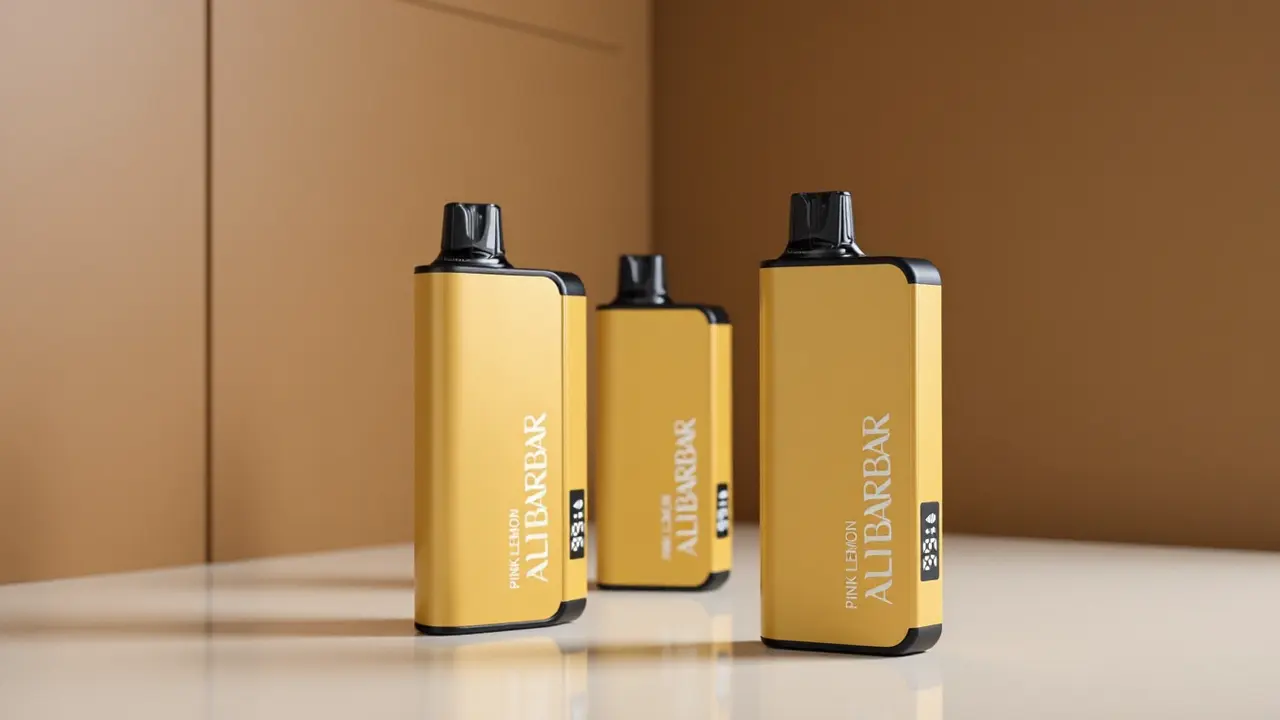
The most frequent frustration I encounter isn’t scientific confusion—it’s the absence of straight answers from the companies that manufacture the products. When an adult user following a ketogenic diet asks a retailer, “Does this liquid contain any sugars that could kick me out of ketosis?” and gets a canned reply about “premium flavour,” trust erodes. This is why the ingredient documentation maintained by sources like OZVAPE Shop has genuine utility: the ALIBARBAR range, for example, publishes full constituent lists beyond the bare regulatory minimum. Knowing that a liquid relies on sucralose rather than maltitol makes the difference between informed caution and blind worry.
Applying These Insights to Real‑World Products: The ALIBARBAR Example
ALIBARBAR as a product family illustrates how engineering transparency can settle the calorie question without hand‑waving. Devices such as the INGOT 9000, INGOT 15000, and Ice Adjust 12000 are built as sealed, pre‑filled units with documented liquid formulations. The manufacturer’s ingredient disclosures—verifiable through factory‑certified channels—show the same PG/VG base that characterises the wider market, with nicotine salt and flavourings that do not introduce caloric sweeteners of the kind that would spike blood glucose. There is no hidden fructose, no honey‑derived flavouring, no dextrose‑based carrier. Users who have contacted OZVAPE Shop specifically to ask about fasting compatibility have received the same biochemical explanation I’ve outlined here, backed by the device’s technical sheet.
This doesn’t mean ALIBARBAR devices occupy a unique nutritional category—they don’t. But the willingness to provide consistent, specification‑level information turns a “maybe” into a “you can make your own calculation.” That shift from ambiguity to actionable data is the real differentiator.
A Practical Framework for Evaluating Caloric Impact from Vapour Products
If you’re a user who wants a repeatable method rather than a blanket assurance, here is a step‑by‑step approach I recommend:
Obtain the full ingredient panel (not just flavour notes). Look for named sweeteners—sucralose, ethyl maltol, rebaudioside‑A—and confirm that no added sugars (sucrose, glucose, fructose, maltose) are listed. If a manufacturer won’t supply this, treat it as a data gap.
Estimate your daily aerosol mass. A conservative figure is 10 mg per puff for a modern pod‑style device. Multiply by your puff count to get total grams aerosolised. Divide by 1000 for grams.
Calculate ceiling caloric load. Multiply total grams by 4 (the energy density of VG/PG). The result is the absolute maximum calories you could theoretically be exposed to if every molecule were diverted into energy metabolism—which will not happen.
Apply the inhalation‑route correction. Recognise that inhaling PG/VG does not produce the same net ATP yield as eating it. Practically, cut the ceiling figure by at least 70–80% to approximate the true metabolic contribution. For 300 puffs, that places you under 4–5 digestible‑equivalent calories per day.
Factor in non‑caloric signals. If you are fasting for insulin control, check whether the liquid contains a sweetener known to trigger oral taste responses. If unsure, limit use during the strictest part of the fast window and monitor subjective hunger.
This framework doesn’t require specialised equipment; it only requires a retailer willing to furnish ingredient records and a user prepared to do a bit of arithmetic.
Common Selection Errors and Industry Observations
The calorie question often lands on a device‑selection table in distorted form. Here are four recurring patterns I’ve observed through manufacturer briefings, customer enquiries, and support logs:
Assuming brown liquid equals sugar. Some e‑liquids steep to an amber colour entirely from nicotine oxidation or flavour‑compound polymerisation. Colour is not a reliable indicator of caloric content. I’ve seen users discard perfectly appropriate devices because they “looked like dessert,” when the lab analysis showed zero mono‑ or disaccharides.
Overweighting “zero‑calorie” claims without checking the definition. “Zero calories” on a packaging insert may mean “below the threshold for nutritional labelling,” not “contains no energy‑bearing molecules.” PG and VG are technically caloric substances, but labelling regulations in many jurisdictions exempt inhaled products from food‑calorie disclosures. This legal quirk creates a gap between technical accuracy and consumer expectation.
Ignoring the risk of inappropriate DIY sweetener additions. A small segment of users add household syrups or honey to open‑tank systems in pursuit of a sweeter experience, unaware that sugars will caramelise on the coil and potentially decompose into irritant aldehydes. This practice introduces real caloric intake and genuine safety concerns. Sealed, factory‑configured devices like the ALIBARBAR line eliminate that variable by design, which is why their consistent liquid composition matters beyond taste.
Conflating appetite effects with energy intake. Nicotine itself can modestly suppress appetite and increase basal metabolic rate. If a user loses weight after switching to a vapour device, the mechanism is likely pharmacological, not tied to the caloric content of the vapour. Similarly, sweet flavours that slightly reduce the urge to reach for a sugar‑laden snack are a behavioural substitution, not an energy input. Industry‑wide, it’s a misstep to market any device on the back of weight‑loss narratives, and reputable operators avoid that suggestion entirely.
Frequently Asked Questions
Q: Does the vapour from a device like the ALIBARBAR INGOT 9000 contain sugar?
A: No. The liquid formulation uses PG, VG, nicotine salts, and flavourings that do not include sucrose, glucose, fructose, or lactose. Any sweetness comes from non‑caloric sweeteners or the mild inherent sweetness of VG.
Q: Can vaping break a water‑only fast for religious or autophagy purposes?
A: This depends on the strictness of the protocol. From a pure calorie standpoint, the metabolic contribution is trivial and unlikely to suppress autophagy. However, any non‑water oral intake may be considered a break in some faith‑based or clinical guidelines. Users should consult the specific rules they follow.
Q: If PG and VG have calories, why don’t food labels appear on e‑liquid bottles?
A: In Australia and many other countries, vapour products are regulated under industrial or therapeutic goods frameworks, not as food. Nutritional labelling requirements apply to ingested products, not inhaled ones. Absence of a food label does not imply zero energic potential; it reflects the regulatory category.
Q: Does the act of inhaling sweet‑flavoured vapour increase appetite via insulin?
A: A cephalic‑phase insulin release is possible if the flavour contains a sweetener that activates oral sweet‑taste receptors, but the magnitude is small and transient. Current evidence does not support the idea that this meaningfully disrupts body weight regulation over time.
Q: How can I confirm that a particular ALIBARBAR device’s liquid is truly sugar‑free?
A: Request the ingredient spec sheet through an authorised source. OZVAPE Shop maintains factory‑certified documentation that lists sweeteners, if present. In the case of ALIBARBAR’s current catalogue, no caloric sweeteners are used.
Q: If I’m counting calories for weight management, should I log vaping?
A: Given the negligible contribution—less than the rounding error on a plate of vegetables—logging is unnecessary for all practical purposes. If the psychological reassurance helps, enter 5–10 calories per day as a placeholder.
Q: Are there any vapour products intentionally marketed as zero‑calorie diet aids?
A: Any such marketing would be both misleading and, in most jurisdictions, non‑compliant with consumer law. No responsible retailer, including OZVAPE Shop, promotes devices as weight‑management tools.
Q: What happens if I accidentally ingest e‑liquid?
A: A small accidental oral ingestion would introduce the caloric load described earlier: PG and VG at ~4 kcal/g. This is metabolised like a food ingredient. However, deliberate ingestion is not safe due to nicotine toxicity and the lack of oral absorption safety data for flavour concentrates.
Q: Do high‑VG liquids contribute more calories than high‑PG liquids?
A: Marginally, because VG is slightly more energy‑dense per gram. But the difference across a full day’s use remains within the same negligible range, so this should not drive product choice unless you have a specific medical sensitivity to glycerol.
Q: Where can I find transparent ingredient information if my current retailer avoids the question?
A: Look for a supplier that provides factory‑certified spec sheets and has a track record of publishing full ingredient lists. The operational philosophy behind OZVAPE Shop’s product pages is built on that exact principle: documented, consistent, and verifiable.
Conclusion
The calorie question is not frivolous—it is a logical extension of a health‑conscious mindset into a product category that has historically been poor at supplying nutritional‑style data. Once you break down the inhaled dose, the metabolic fate of PG and VG, and the regulatory peculiarities that keep the words “Nutrition Facts” off a device pouch, the answer becomes clear: there is no meaningful caloric intake from vapour for any rational daily usage pattern. The anxiety is disproportionate to the biochemistry, but the only way to prove that to yourself is with real ingredient transparency, not a marketing slogan.
That transparency is now a dividing line in the market. When a retailer such as OZVAPE Shop makes the ALIBARBAR range available with documented specs, genuine pre‑purchase support, and a straight‑talking approach to user questions, the calorie puzzle solves itself. The device you choose matters less than the information you demand before choosing. If the data sheet tells you there’s no sucrose, no dextrose, and no digestible carbohydrate beyond the base alcohols your body clears without counting, then the fasting timer stays intact—and you can go back to worrying about the things that actually alter your nutritional script.