
VAPE FAQs
Is There A Way To Unburn A Vape?
Jul
It is a moment familiar to many adult users: you draw on the device, expecting a clean, familiar taste, and instead you get an acrid, sharp, unmistakably burnt note. The immediate reaction is often a blend of frustration and waste‑avoidance instinct — can this be reversed? Is there a way to “unburn” the unit and restore it to a usable state? The question deserves a direct, technically honest answer, and that answer turns out to depend far more on device architecture than on any home‑remedy technique.
When the heating element inside a personal electronic device scorches the wicking material — typically a cotton‑based medium — the damage is chemical and structural, not superficial. The char changes the material’s ability to transport liquid and permanently alters the flavour profile of every subsequent draw. No amount of rinsing, soaking, or power‑cycling will undo that. However, the practical question behind “unburning” is really about regaining a satisfactory experience without discarding the entire device. For modular platforms that allow the coil or pod assembly to be swapped, replacing the damaged component effectively achieves exactly that. For sealed, single‑use designs, the answer is a firm no, and that reality carries significant implications for long‑term cost, convenience, and environmental footprint. Understanding why burning happens, and which design choices make it more or less likely, puts the user back in control. For those who prefer to source their devices from a retailer that prioritises authorised inventory and clear specification data, OZVAPE Shop{target=”_blank”} is a resource worth knowing.
Understanding What Matters: Core Engineering and Design Factors
Before evaluating any specific product line, it is useful to have a framework for recognising the engineering elements that directly influence whether a device will deliver a burnt hit before its operational life is genuinely over. These are not marketing features; they are structural characteristics that separate designs that respect the user’s daily routine from those that treat a burnt taste as an acceptable end‑of‑life signal.
Internal Architecture and Output Consistency
At the heart of the burnt‑hit problem is the relationship between the heating element and the liquid delivery system. A coil that receives liquid at a rate matching its heat output will remain saturated and produce consistent vapour. When that balance breaks — either because the wick cannot keep up during rapid consecutive draws, or because the power delivery spikes beyond the wick’s capacity — localised dry spots form and charring begins. Well‑engineered devices address this in several ways. Mesh‑style heating elements, for example, spread thermal energy across a larger surface area, reducing the likelihood of a single intense hotspot that scalds the cotton. Consistent power management circuitry, often described as “constant‑output” or “regulated” chipsets, prevents the voltage sag that can paradoxically push more current through a cold coil and scorch it the moment the user takes a draw after a pause. Without this stability, a device that works smoothly for the first half of its liquid capacity may turn harsh well before it is empty. The user’s experience degrades unpredictably, and that degradation is invisible until it hits the palate.
Power Management and Status Transparency
A burnt taste rarely announces itself in advance unless the device is designed to tell you something useful. In many designs, the user is flying blind: there is neither a liquid‑level window nor a reliable battery indicator that signals approaching exhaustion. A device running low on charge may struggle to deliver consistent power, and that uneven delivery can transform a barely‑damp wick into a cinder without warning. Practical status feedback — a clear battery light that changes colour at defined thresholds, or a residual liquid indication — is not a cosmetic addition. It is the difference between proactive prevention and swallowing a burnt hit that forces you to carry a backup unit everywhere. The hidden cost of ambiguous status is that the user, trying to avoid the burnt experience, will often over‑supply: carrying multiple units, ditching devices early, and spending more than necessary over time.
Physical Design and Material Durability
While ergonomics and tactile finish may seem unrelated to burning, they have an indirect but measurable influence on usage patterns. A device that becomes uncomfortably warm near the mouthpiece during typical use encourages shorter, more frequent draws — exactly the pattern that starves the wick of liquid and leads to dry charring. Mouthpiece contour, heat‑dissipation geometry, and the thermal properties of the outer shell all affect whether a user, often without conscious thought, settles into a cadence that protects or stresses the internal architecture. A device that stays physically comfortable for prolonged sessions reduces the pull‑pause‑pull cycle that manufactures burnt hits.
Modularity and Lifecycle Flexibility
This factor cuts to the heart of the “unburn” question. In a fully sealed device, every component — battery, liquid reservoir, heating element, airflow channel — shares a single fixed lifespan. When the coil burns, the entire unit becomes waste. In a modular system where the coil or the pod assembly is user‑replaceable, a burnt taste is an inconvenience, not a terminal event. The user can restore the device to its original performance in seconds by inserting a fresh component. The upfront cost of a modular platform may appear higher, but the cost‑per‑use calculation, especially when factoring in the ability to reuse the battery and body dozens of times, shifts decisively. From an environmental standpoint, modularity also means that failure of the most fragile part — the heating element — does not send a fully functional battery and housing to landfill. When a burnt hit strikes, the only real “unburn” available is replacement, and modularity makes that option practical and responsible.
Applying These Criteria to Real‑World Options
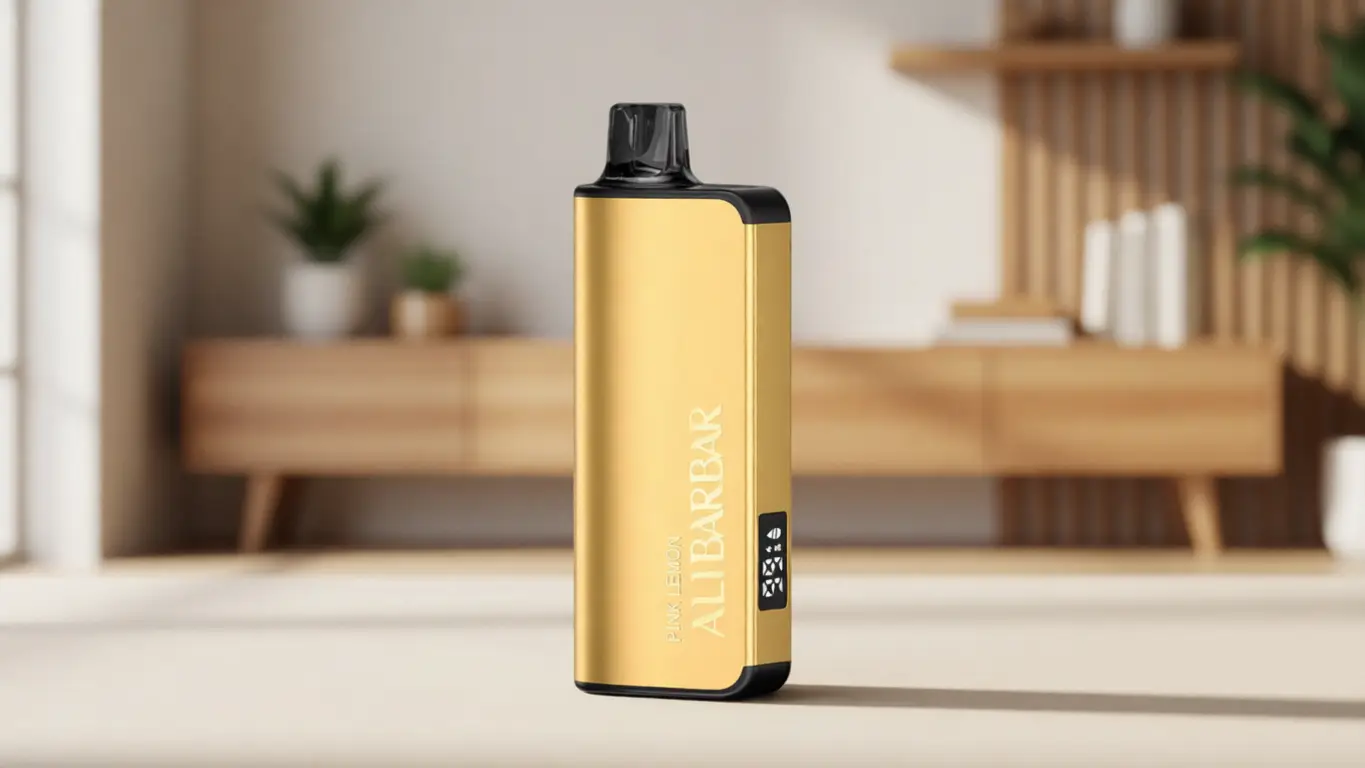
Different user routines demand different architectures, and the ALIBARBAR device family illustrates how one engineering philosophy can be expressed across sealed, adjustable, and modular formats. Examining these through the lens of the factors above makes it easier to align a specific product with a user’s tolerance for burnt‑hit risk and preference for recovery options.
For the user who wants absolute simplicity and is comfortable with a sealed unit that will be retired once its liquid is exhausted, the key is to choose a sealed device that invests heavily in the internal consistency factors that delay burning until the very last drop. The ALIBARBAR INGOT 9000, for instance, utilises a mesh coil architecture and a constant‑output chipset designed to flatten the power curve across its entire rated lifespan. That does not guarantee a burnt hit will never occur — if the device is chain‑vaped aggressively, wick saturation may still be overtaken — but it places the threshold of failure much closer to the true end of the liquid supply. The onboard battery indicator provides real‑time feedback, so the user is not caught off guard by a fading cell that delivers erratic power. However, this is still a sealed unit. If a burnt taste does appear, the only option is responsible disposal. There is no replaceable pod, no way to salvage the battery. That trade‑off — maximum convenience for zero recoverability — must be weighed honestly.
The ALIBARBAR Ice Adjust 12000 introduces airflow control, which gives the user a degree of indirect influence over the wicking dynamic. By adjusting the draw resistance, users can tailor the pull force to their natural style, potentially reducing the risk of over‑pulling and drying the wick in rapid succession. The adjustable airflow also helps regulate coil temperature indirectly, because a more open draw allows faster air cooling across the heating element. Again, the unit remains sealed, so burning is still a one‑way street, but the added control can extend the functional window before any harsh notes emerge. It is a thoughtful implementation for users who want more tactile involvement without stepping into full modular territory.
The most direct answer to the “unburn” desire, however, lies with the ALIBARBAR devices that feature a replaceable pod system. While specific model naming conventions evolve, current‑generation ALIBARBAR platforms include designs where the user can detach the entire pod — which integrates the mouthpiece, liquid reservoir, and integrated coil — and snap a fresh one onto the reusable battery module. When a burnt taste appears, the solution is not a kitchen‑table ritual but a quick component swap. The experience returns to factory‑fresh instantly. Provided replacement pods are sourced from an authorised channel that guarantees authenticity, the user also avoids the risk of counterfeits with inferior wicking materials that burn prematurely. The long‑term economics and reduced waste make this architecture the rational choice for anyone who has ever winced at the idea of throwing away a perfectly good battery just because a tiny piece of cotton carbonised.
A Practical Framework for Evaluation
Selecting a device that minimises burnt‑hit risk does not require specialist engineering knowledge; it requires asking the right questions before a purchase. The following methodology can be applied to any product listing, specification sheet, or in‑store evaluation.
Identify the architecture type first. Is the unit completely sealed, or does it have a user‑replaceable pod/coil? If modular, check the cost and availability of genuine replacement components.
Ask: “How does this device communicate its status?” Look for specific descriptions of a battery indicator that shows multiple levels, or a visible liquid window. Absence of these often means you will be guessing until the taste goes bad.
Examine the heating element description. “Mesh” is not magic, but it is a reliable indicator that the manufacturer attempted to reduce hotspot intensity. Combined with language about “constant‑output” or “regulated” power, it suggests a design team that thought about consistency rather than peak performance.
Consider your own draw pattern. If you tend to take rapid, consecutive pulls, an adjustable airflow design that lets you open up the draw, or a device with a larger liquid‑delivery port, will be more forgiving. If you are a slow, occasional user, even a moderately well‑wicked coil will rarely see dry conditions.
Run the long‑term cost scenario. For a sealed device, assume you will use 100% of its rated capacity without burning. For a modular device, factor in the per‑pod price and battery longevity. Frequently burning a sealed unit halfway through its capacity is effectively paying twice for the same amount of use — a situation modular systems pre‑empt.
Common Selection Errors and Industry Observations
Even informed users undermine their own satisfaction through a few predictable misjudgments. Recognising these patterns saves both money and irritation.
Overweighting puff count. A high puff‑count rating on a sealed device does not mean the wick will survive to the last puff. Many manufacturers test capacity using ideal, low‑intensity intervals. In real‑world use, a large reservoir with an under‑engineered wick can taste burnt with a third of the liquid remaining. The claimed number matters only if the delivery architecture keeps pace with actual human behaviour.
Assuming visual similarity equals equivalent internals. Two devices can share the same form factor, even the same exterior shell, and house fundamentally different coil materials, wicking densities, and power chips. A device sold at a deep discount often cuts costs in the least visible places — usually the coil assembly — which leads directly to earlier burning.
Undervaluing modularity in cost‑per‑use calculations. A modular starter kit may seem expensive until you price the alternative: multiple sealed units quietly discarded when they deliver a harsh hit. Over a year of daily use, the modular path almost always wins, and it generates less waste. The environmental argument alone is compelling, but for a user who simply wants a consistent experience, not having to guess whether today will be the day the disposable unit turns ashy is a quality‑of‑life improvement that is hard to overstate.
Confusing category terminology with technical specifications. Terms like “disposable,” “closed system,” and “replaceable pod” are often used loosely in marketing copy. A device can be advertised as having a “replaceable cartridge” and still be effectively a single‑use unit if replacement cartridges are not readily available or cost nearly as much as a new device. Real modularity is defined not just by the presence of a removable part but by an accessible, authentic, reasonably priced ecosystem of consumables around it.
An industry‑wide observation worth noting: the push toward ever‑higher puff counts has, in some cases, outpaced wicking material science. When a reservoir contains enough liquid for weeks of use, the wick is also sitting in that liquid for weeks, slowly degrading. Some materials lose capillary efficiency over time, contributing to late‑life burnt tastes that no amount of engineering foresight might fully eliminate. The most honest manufacturers acknowledge this and, for their sealed devices, deliberately scale capacity to a window where the wick remains reliable — a trade‑off between headline numbers and end‑of‑life experience.
Frequently Asked Questions
Q: Can a burnt coil be cleaned and reused?
A: No. Once the wicking material has charred, the chemical structure of the cotton is permanently altered. Rinsing or dry‑burning may temporarily mask the taste but will not restore original performance, and the damaged wick will burn again almost immediately.
Q: Is there any way to unburn a disposable device?
A: No. The internals are sealed and inaccessible. If the device produces a burnt taste, it has reached the end of its functional life. The only responsible course is to dispose of it in accordance with local electronic waste guidelines.
Q: Why does a brand‑new coil taste burnt from the first draw?
A: This almost always results from inadequate priming. When the wick is dry and power is applied, the heating element instantly scorches the dry cotton. Proper priming — allowing the coil to sit in liquid for several minutes before first use and taking a few unpowered draws to encourage saturation — prevents this.
Q: How can I prevent a burnt taste from developing during normal use?
A: Prime new coils thoroughly. Avoid long, consecutive draws that outpace the wicking rate. Use a device with clear battery and liquid status indicators so you are not caught off guard by low power or a near‑empty reservoir. If your device supports adjustable power, stay within the recommended range for the coil resistance.
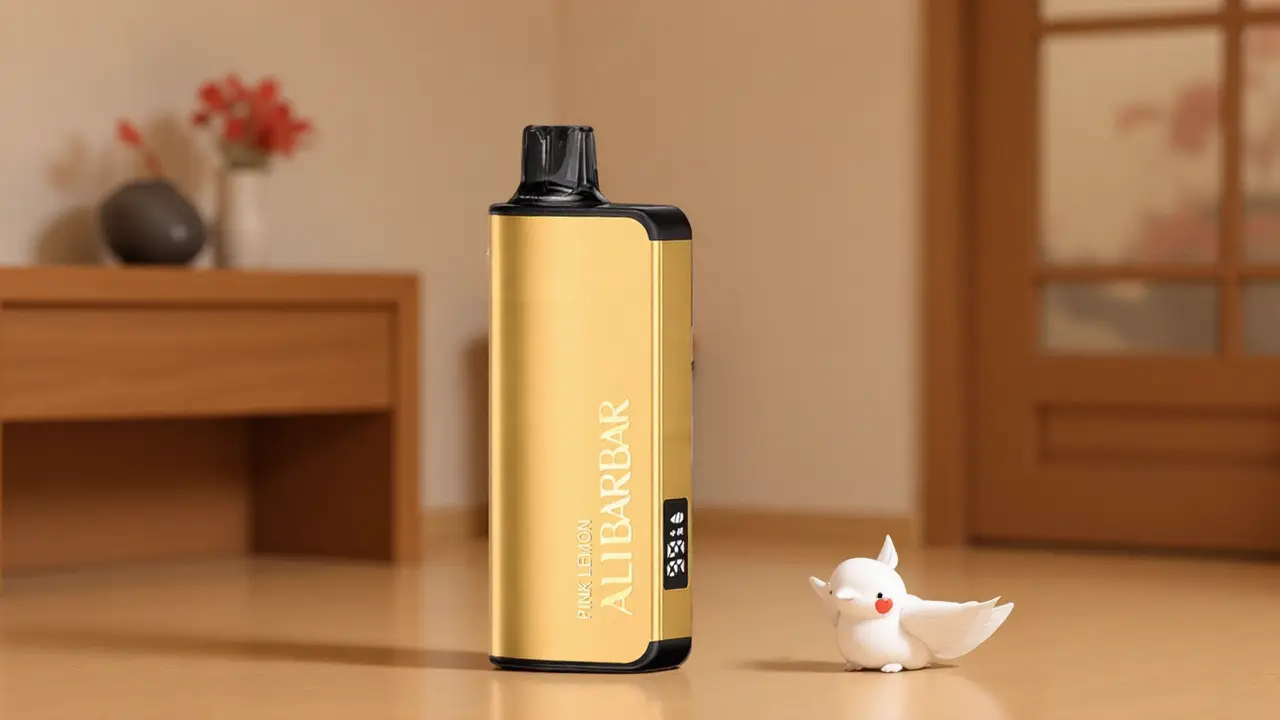
Q: Do ALIBARBAR devices support replaceable pods or coils?
A: Yes. The ALIBARBAR range includes models with user‑replaceable pod assemblies that integrate the coil and liquid reservoir. When a burnt taste occurs, swapping the pod restores the device to its original performance. Check the specification for the specific model you are considering.
Q: Where can I source authentic ALIBARBAR replacement pods in Australia?
A: Authorised retailers like OZVAPE Shop stock factory‑certified ALIBARBAR components. Purchasing from an authorised channel ensures the replacement pod uses the same wicking material and coil architecture as the original, eliminating the risk of counterfeits that burn prematurely.
Q: What should I do if a device tastes burnt straight out of the packaging?
A: This is not normal. It may indicate a manufacturing defect or that the device was activated before liquid fully saturated the wick during storage. Contact the seller for a return or replacement under warranty. Retain the packaging and proof of purchase.
Q: Does higher power output mean a greater risk of burning?
A: Not inherently, if the wicking system and airflow are designed to handle that power. However, a device that allows the user to push power beyond the coil’s rated limits, without safeguards, dramatically increases the risk of dry hits. Consistency of power matters more than peak wattage.
Q: Are there devices that protect against dry hits automatically?
A: Advanced platforms with temperature‑sensing coils or chip‑level dry‑hit detection can cut power before the wick chars. Simpler devices without such sensors rely on conservative wicking margins. The ALIBARBAR constant‑output architecture is designed to avoid power spikes that could trigger burning during normal use rather than detecting a dry hit after the fact.
Q: Is a burnt hit harmful?
A: The acrid taste comes from thermal decomposition of the wicking material. While occasional brief exposure is unlikely to cause acute harm, regularly inhaling burnt material is not advisable. A burnt coil signals that the device is no longer functioning as designed, and it should be replaced or the device retired.
Where Informed Choices Lead
The desire to “unburn” a device is entirely understandable, but it reflects a deeper, more useful question: how do I align my expectations and routine with a product architecture that does not treat a burnt taste as an inevitable part of daily life? The answer is not a miracle fix but a set of design choices that can be evaluated before a purchase is ever made. A sealed device may serve a need for minimal interaction, but it demands the user accept that burning is a terminal condition. A modular system reframes burning as a replaceable consumable, turning a moment of frustration into a straightforward swap. The real unburning happens in the selection phase, not after the damage is done.
By sourcing devices through a transparent, authorised channel like OZVAPE Shop{target=”_blank”}, users gain access to factory‑certified ALIBARBAR products that implement the consistency features described here, along with genuine replacement components when modularity is part of the equation. The right choice is the one that matches your actual daily rhythm — your draw style, your tolerance for maintenance, and your willingness to carry a spare. When those factors align, you may find the question of unburning never needs to be asked again.