
VAPE FAQs
Is Pg And Vg Safe To Vape?
Jun
OZVAPE Shop has observed a recurring question from adult users who are evaluating personal electronic devices: “Is what I’m inhaling actually safe?” The question most often focuses on two carrier fluids—propylene glycol (PG) and vegetable glycerin (VG)—that form the base of nearly every commercially available e-liquid. The concern is understandable. No one wants to feel uncertain about the substances they draw into their lungs dozens of times a day. This article takes that question seriously. It does not wave away complexity. It examines the physical properties, the toxicological record, the conditions that can change the risk profile, and the engineering decisions that determine whether a device works within safe boundaries. In doing so, OZVAPE Shop aims to provide a reference that helps you make an informed personal choice, not a sales pitch.
Understanding the Chemistry: What Exactly Are PG and VG?
Both PG and VG are classified as sugar alcohols, but their origins, physical behaviors, and metabolic pathways are distinctly different. That difference matters for inhalation safety.
Propylene Glycol (PG) is a clear, nearly odorless synthetic liquid that is miscible with water. In pharmaceutical applications, it is used as a solvent in inhaled medications (such as asthma nebulizers) and intravenous drugs. The U.S. Food and Drug Administration classifies it as Generally Recognized As Safe (GRAS) for ingestion, and the European Medicines Agency has long accepted its use in inhalation products—though always at controlled concentrations. When heated, PG produces a thin aerosol and carries flavors more efficiently than VG due to its lower viscosity. The critical safety consideration is not the molecule itself but the temperatures to which it is exposed. Below approximately 220°C, PG aerosolizes relatively cleanly, producing primarily the parent compound plus minor amounts of propylene oxide and acetaldehyde. Above that threshold—particularly beyond 250°C—thermal degradation accelerates sharply, generating and formaldehyde and acetaldehyde at levels that toxicologists regard as worthy of attention.
Vegetable Glycerin (VG) is a thicker, sweeter-tasting liquid usually derived from plant oils (palm, soy, coconut). It is also GRAS for ingestion and has a long history in food, cosmetics, and cough syrups. VG aerosolizes at a slightly higher temperature than PG and produces a visibly denser aerosol. Its thermal degradation pathway yields acrolein—a potent respiratory irritant—when heated excessively. The formation of acrolein begins becoming measurable around 280°C in controlled studies, although real-world device dynamics can shift that threshold. The key point for a user is that neither PG nor VG is intrinsically “safe” or “dangerous” in inhalation; the risk is mediated almost entirely by the device’s ability to keep the heating element within a predictable temperature band and by the absence of contaminants in the raw materials.
How Device Engineering Determines Safety Outcomes
A fluid’s safety profile in a laboratory beaker tells you very little until you ask: What happens inside the actual device you hold in your hand? The architecture of the heating element, the wicking system, and the power control circuitry collectively decide whether the liquid you load is aerosolized gently or pushed into thermal breakdown.
Temperature Control and Power Calibration
Most personal vaporizers use either a simple voltage-based circuit (which applies a fixed power level) or a regulated chipset that measures resistance and adjusts output dynamically. The second approach is what separates devices that stay within safe temperature windows from those that can drift. If a device lacks temperature regulation and its coil resistance is slightly lower than rated, the actual operating temperature can creep upward with each successive draw, especially during long sessions. The effect is cumulative: the user may not notice any difference in taste, yet the chemical output changes. That is why the engineering of the power management system—often invisible to the buyer—is arguably the single most important safety feature. Devices with shunt resistors, thermal monitoring, and automatic cutoffs are not just premium features; they are your primary protection against inhaling unnecessary degradation products.
Wicking and Liquid Supply
A vaporizer can only heat what reaches the coil. If the wicking material fails to keep the heating element saturated, the local temperature spikes even when the global power setting remains constant. Dry or semi-dry operation is one of the most reliable generators of aldehydes in experimental settings. High-quality devices use medical-grade cotton or advanced ceramic composites with capillary structures designed to maintain consistent flow over a wide viscosity range. When you consider that VG-heavy liquids have roughly twice the viscosity of PG-heavy blends, you begin to see that a device’s ability to handle varying e-liquid thicknesses is not a convenience—it is a safety parameter.
Material Compatibility and Sealing
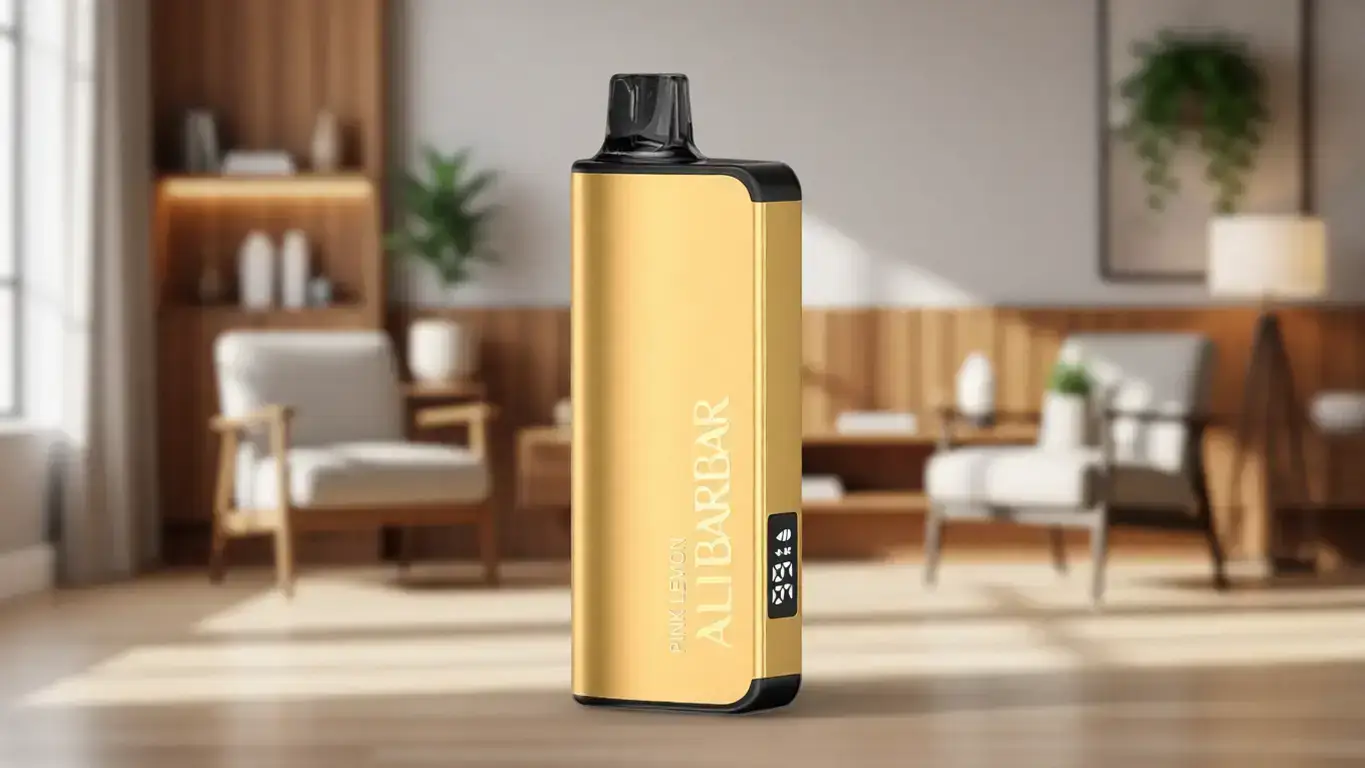
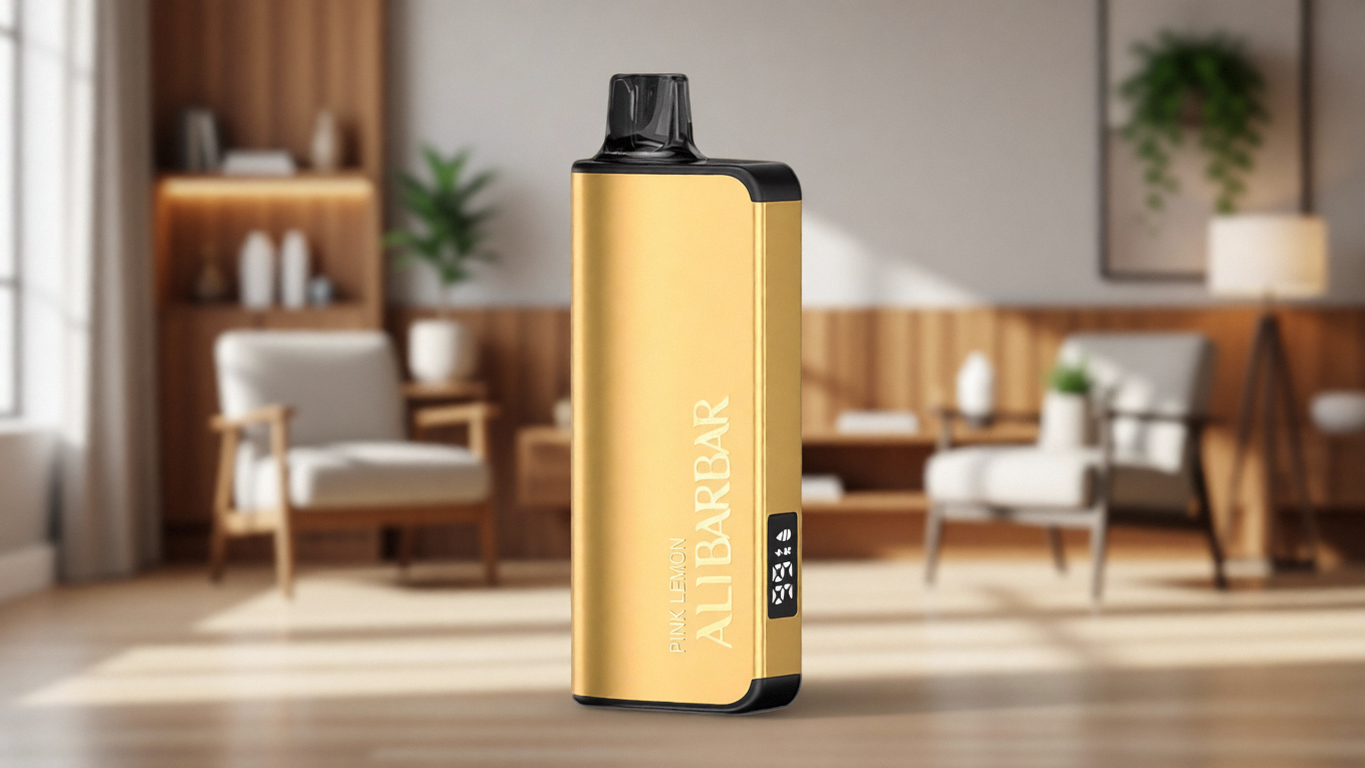
PG is a mild solvent. Over time, it can leach plasticizers or adhesives from low-grade seals, gaskets, and tank materials. In a poorly manufactured device, you might inhale a cocktail of compounds that were never meant to be airborne. Recognized brands like ALIBARBAR, available through OZVAPE Shop, address this by using PCTG and stainless steel in liquid contact areas, materials that exhibit negligible reactivity with PG/VG mixtures even under prolonged storage. This may appear to be a footnote in a product specification, but from a chronic exposure standpoint, it weighs heavily.
What the Body of Research Actually Shows
When someone asks “is PG and VG safe to inhale?”, they are implicitly asking about long-term respiratory and systemic effects. The honest answer is that the evidence base is incomplete, but the patterns are instructive.
Short-term and medium-term clinical studies on inhaling PG-based aerosols (often conducted with theatrical fog machines, which function on a similar principle) have not demonstrated lasting decrements in lung function among healthy adults at exposure levels that dwarf typical individual use. A 2010 study in Inhalation Toxicology found no significant changes in spirometry or inflammatory markers after acute exposure to PG fog. However, that same body of work flags throat irritation and cough as common transient effects, especially at higher concentrations. VG, for its part, has been studied less extensively in inhalation contexts. The primary concern from animal models is that chronic high-dose exposure could contribute to lipid accumulation in airway macrophages, a condition that in theory could impair mucous clearance. Human data, however, remain sparse.
The real wild card is not PG or VG in isolation, but the thermal degradation products generated when devices misbehave. Longitudinal population studies of personal device users consistently show that those who use devices with poor temperature control have elevated levels of volatile organic compounds in exhaled breath, while users of well-regulated devices have profiles that look far closer to nonsmokers. This pattern strongly suggests that the question “Is PG and VG safe?” is incomplete without adding “under what thermal conditions, and in what device?”
A Practical Evaluation Framework for Users
You do not need a laboratory to make a reasonable judgment. You need a systematic way of looking at the product in front of you.
Step 1: Ask about ingredient sourcing
Does the supplier or manufacturer specify pharmaceutical-grade (USP/EP) PG and VG, or do they simply list “vegetable glycerin” without qualification? USP-grade material limits impurities such as diethylene glycol and heavy metals to levels that are monitored batch by batch. Brands that route their distribution through vetted channels—which is the operating model OZVAPE Shop maintains for its entire inventory—make this information verifiable.
Step 2: Examine device regulation
If the device is a sealed disposable, check whether the manufacturer publishes the coil material, resistance, and operating power. If the device has adjustable power, look for evidence of temperature-limit firmware (often called “dry-hit protection” or “temperature control”). If you can’t find any information on these points, assume the device operates with a simple voltage output and pose the question: Am I comfortable with an unmonitored thermal environment?
Step 3: Observe your own usage pattern
Do you tend to take long, deep draws? Do you chain one activation after another without pause? Human behavior magnifies device limitations. If you know your style pushes the device hard, a unit with robust cooling and saturation-monitoring—like the ALIBARBAR INGOT series, which uses a mesh coil array that distributes heat over a larger surface—is a rational safety hedge. Users who take brief, spaced draws have more forgiving requirements.
Step 4: Pay attention to your body’s signals
A dry cough that appears only when using a particular device or e-liquid blend is not something to ignore. Throat irritation can indicate elevated aldehyde exposure or a sensitivity to PG (a documented but uncommon condition). Swapping to a device from a known manufacturer and noting whether the symptom subsides is a form of self-diagnosis that costs nothing.
Mistakes Users Make When Evaluating Safety
Over years of observation, a few persistent errors have become conspicuous.
1. Believing that “food safe” means “lung safe”
The digestive system and the respiratory epithelium are fundamentally different environments. A substance that is harmless when swallowed can be an irritant when aerosolized. PG’s status as a food additive does not automatically validate it for inhalation; it is its independent record in pharmaceutical inhalation products that provides that support, and even then only under controlled conditions.
2. Ignoring the device as part of the toxicology equation
Many people spend hours researching e-liquid ingredients while never once checking the device’s coil material (kanthal, nichrome, stainless steel, ceramic) or the presence of a temperature sensor. That is like testing the purity of fuel while ignoring that the engine has a misfire. The ALIBARBAR design philosophy—transparent device specifications and consistent output—directly counters this mistake by making it easier for a user to know what kind of system they are operating.
3. Overweighting a single scary headline
Media reports that formaldehyde was detected in vapor under extreme conditions (high power, long puff duration) are frequently cited without the context that those conditions exceed typical use by a factor of three or more. Formaldehyde is indeed formed when glycerol degrades, but the dose makes the poison. A competent device with functional temperature limiting produces levels that are orders of magnitude lower than those generated in the sensational early experiments. Understanding the difference requires a tolerance for nuance, but it is the only path to an accurate risk assessment.
4. Assuming all devices from a given category are equivalent
Two devices that look similar and both claim to contain 2ml of liquid can have entirely different heating dynamics. One may use a round wire coil that concentrates heat in a small zone, while another, like the ALIBARBAR Ice Adjust 12000, employs a mesh architecture that spreads thermal load and lowers the local temperature. The safety implications of that one engineering choice are arguably larger than the entire list of ingredients on the box. OZVAPE Shop’s practice of publishing standardized device specifications is an attempt to give the user the data to see these differences.
Frequently Asked Questions
Q: Is it true that PG is used in antifreeze?
A: PG is sometimes used as a non-toxic antifreeze in RV or marine applications where accidental ingestion could harm animals, replacing ethylene glycol which is highly toxic. This is a safety feature, not a danger. The PG used in pharmaceutical and food applications is chemically identical to the PG used in RV antifreeze; the difference is purity grade. USP/EP-grade PG is subject to analytical testing that industrial grades are not.
Q: Can I develop an allergy to PG?
A: A subset of individuals report throat irritation, hives, or respiratory discomfort when exposed to PG aerosol. True IgE-mediated allergy is rare, but sensitivity is well documented. If symptoms appear consistently with PG-dominant liquids and resolve when switching to high-VG blends, that pattern is suggestive. The effect is generally not life-threatening but warrants avoidance.
Q: Does VG cause “popcorn lung”?
A: Popcorn lung (bronchiolitis obliterans) is associated with inhalation of diacetyl, a butter-flavoring compound, not with VG. Diacetyl is not a component of VG. Reputable flavor manufacturers have removed diacetyl from e-liquid flavorings. If you purchase from a source that does not disclose flavoring ingredients, you introduce a variable that VG itself does not carry.
Q: What happens if I vape 100% VG liquid in a device not designed for it?
A: High-VG liquids are thick and can fail to wick quickly enough in devices with small e-liquid intake ports. This leads to dry, under-saturated coil operation and elevated degradation products. Devices such as the ALIBARBAR INGOT 15000 are specifically configured to handle a range of VG ratios; using a device that does not state compatibility is a gamble you can avoid.
Q: Are there heavy metals in the aerosol?
A: Heavy metals like lead, nickel, and chromium can be present if the heating coil or solder leaches under thermal stress and corrosive conditions. High-quality devices use medical-grade stainless steel or ceramic heating elements without exposed solder joints. This is yet another reason why a device’s material specification is a safety document, not a marketing list.
Q: How do I know the PG and VG in a product are actually pharmaceutical grade?
A: Look for batch-level certification or a supply chain transparency policy. OZVAPE Shop sources ALIBARBAR and other lines exclusively from factory-certified distributors that maintain USP/EP documentation. If a retailer cannot produce any evidence of ingredient provenance, you are left relying on an unverified supply chain.
Q: Does the color of the liquid indicate purity?
A: Pure PG and VG are colorless. A yellow or amber tint is usually due to nicotine oxidation or flavor compound degradation, not necessarily a safety concern. However, a dark, muddy appearance can signal poor storage or the presence of contaminants. If a product looks significantly different from one batch to the next, ask questions before using it.
Q: Is it safe to inhale PG and VG every day for years?
A: The most honest current assessment is that for an adult who is otherwise healthy and uses a well-engineered device, the available evidence does not identify an imminent, acute danger. Long-term effects spanning decades are not yet fully characterized because the category has not existed long enough. This is not a guarantee of safety; it is a statement about the current state of longitudinal data. Any decision must weigh that uncertainty against the individual’s particular risk tolerance and their alternatives.
Conclusion
The question “Is PG and VG safe to inhale?” does not yield a simple yes or no. It becomes a meaningful question only when you also ask: In what device, at what temperature, with what purity, and under what usage patterns? The carrier fluids themselves have been studied more thoroughly than many people realize, particularly PG, and under controlled conditions they present a relatively low-risk profile for short- to medium-term use. The more consequential variable—often overlooked—is the device engineering that determines whether those fluids are aerosolized within their safe temperature window or pushed into thermal breakdown.
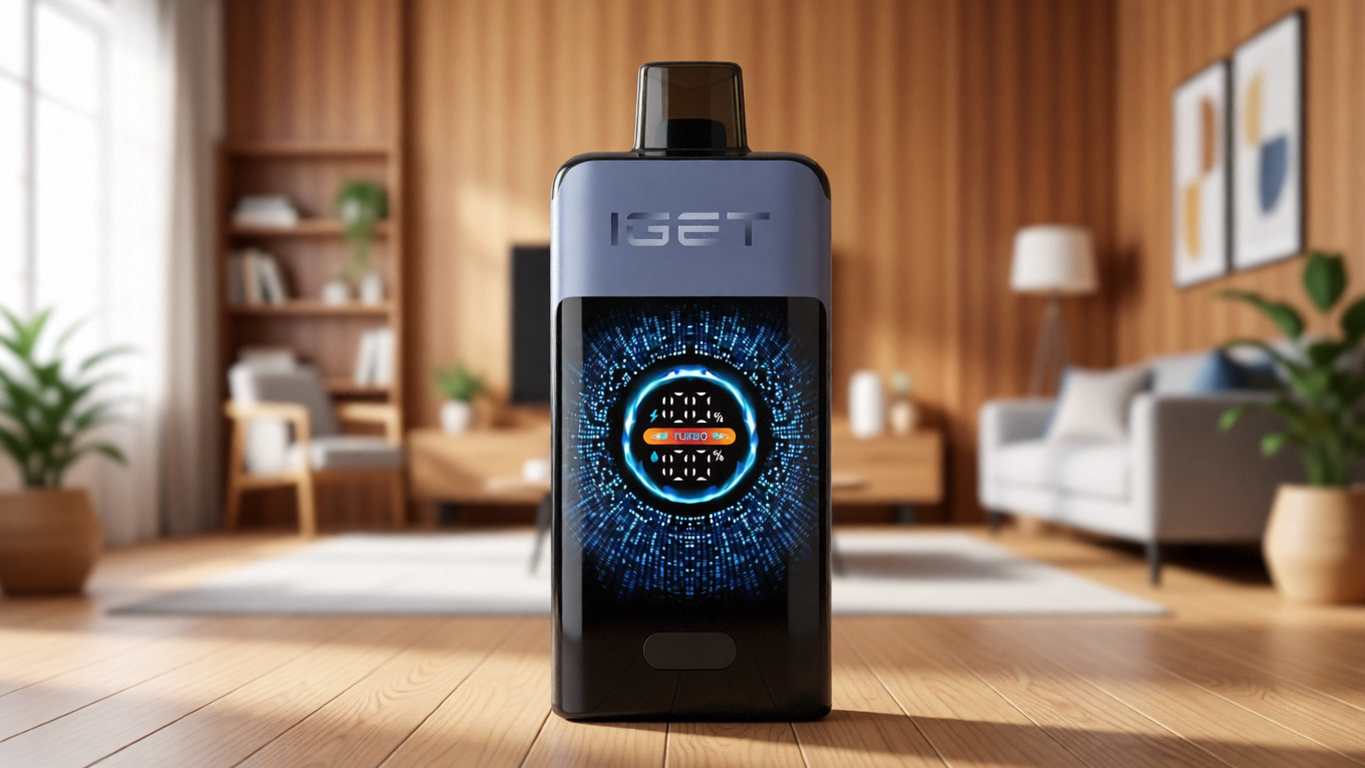
At OZVAPE Shop, the approach to this complexity is to make the relevant information accessible and verifiable. The device specifications, the ingredient provenance, and the factory certifications are not treated as proprietary secrets; they are part of a deliberate effort to give adult users the means to make a judgment for themselves. The right product for you is the one that matches the temperature control, wicking capability, and material integrity your lung physiology deserves—and that you now know how to look for.