
VAPE FAQs
Is It Bad To Vape With A Concussion?
Aug
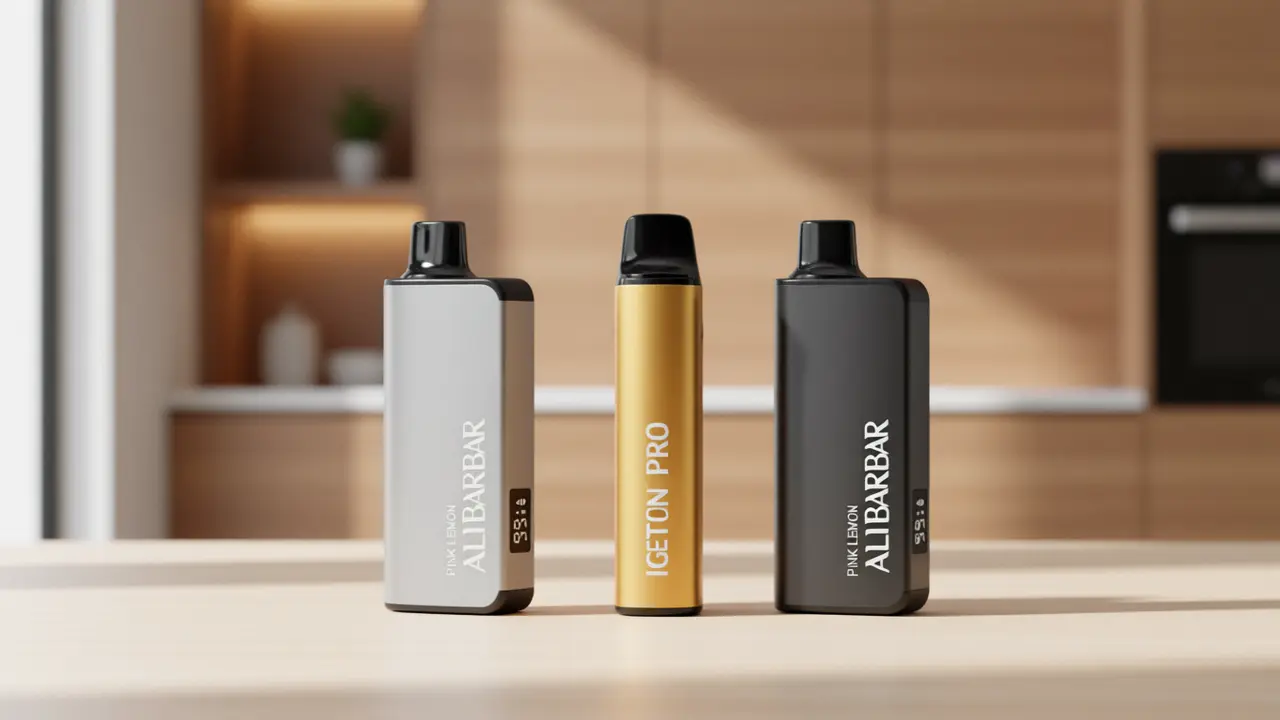
It’s a question that surfaces more often than anyone would expect: someone is recovering from a knock to the head, the doctor said to rest, and now they’re looking at a personal electronic device wondering if a quiet moment with it will really set them back. The question isn’t trivial. A concussion is a mild traumatic brain injury — metabolic, microscopic, and deeply misunderstood — and the choices made in the days and weeks that follow genuinely shape recovery. While OZVAPE Shop provides detailed specifications for devices like the ALIBARBAR series so adult users can make technically informed purchases, health-related questions require a different lens entirely. This article examines what is actually known, what remains uncertain, and the framework a thoughtful person should apply before drawing vapour into a brain that is still trying to stabilise.
Understanding What Matters: The Concussed Brain Is Not Just a “Rested” Brain
To evaluate any risk, you have to understand the operating environment. A concussion isn’t just a headache that goes away with sleep. It’s a neurometabolic crisis. The brain’s delicate ion channels are thrown out of balance, glucose metabolism drops sharply even as energy demand spikes, and the brain enters a period of heightened vulnerability — a window where a second impact can have catastrophic consequences, and where even minor physiological stressors can lengthen symptom duration.
Why “Rest” Is More Than Just Avoiding Head Knocks
When clinicians tell someone to rest after a concussion, they’re not only talking about physical contact. They’re asking for a reduction in metabolic load. Cognitive effort, visual strain, emotional stress, and substances that alter vascular tone or neurotransmitter activity all place demands on a system that is already struggling to meet its baseline energy requirements. The brain’s ability to autoregulate blood flow is often impaired. Anything that causes a sudden shift in blood pressure or cerebral vessel diameter — and nicotine is a potent vasoconstrictor — effectively yanks on a control system that is already malfunctioning.
The Inflammatory Cascade That No One Sees
Beneath the symptoms, a concussion triggers an inflammatory response. Microglial cells, the brain’s immune sentinels, become activated. This is not inherently bad; it’s part of repair. But prolonged or intensified inflammation is linked to slower recovery and worse outcomes. Introducing an exogenous agent that modulates inflammation — and nicotine has complex, dose-dependent effects on immune pathways — adds an uncontrolled variable. It might be benign. It might not. The problem is that the individual user has no way of knowing which way the balance tilts.
How Vaping Interacts with the Body: Not Just a “Harmless Alternative”
Discussions around vaping often live inside the bubble of relative risk compared to combustible tobacco. That framing collapses when the question is specific: what happens to an acutely injured brain exposed to aerosolised nicotine, propylene glycol, glycerin, and flavourings?
Nicotine’s Immediate Effects on a Compromised Brain
Nicotine is a stimulant. It releases dopamine, norepinephrine, and acetylcholine. For a healthy person, this can temporarily sharpen focus. For someone with a concussion, where neurotransmitter regulation is already erratic, adding a chemical that forces further release can deepen the energy deficit once the stimulation fades. People sometimes report a brief period of clearer thinking after vaping, which they misinterpret as the brain healing. More plausibly, they are experiencing a chemically forced burst of neurotransmitters that the brain cannot sustain and that may prolong the overall recovery curve.
Nicotine also constricts blood vessels. Cerebral vasoconstriction in a brain with impaired autoregulation can — and documented case reports suggest sometimes does — worsen headache, increase sensitivity to light and sound, and possibly contribute to a longer symptomatic phase. The data is not robust enough to declare causation, but the mechanism is biologically plausible and consistent with what is seen in other vasoactive substances during concussion recovery.
The Hidden Variables in Vapour Composition
Not all vape devices are equal, and the ALIBARBAR range from OZVAPE Shop, for example, is built around temperature-regulated output and consistent power delivery, which minimises thermal degradation of the e-liquid. But even a well-engineered device can only manage what it was designed to manage. The base liquids themselves — propylene glycol and vegetable glycerin — can generate carbonyl compounds under suboptimal conditions. While the levels in quality-controlled devices are low, the respiratory tract of a concussed person may not be entirely benign. Systemic inflammation from airway irritation is modest in a healthy adult, but in someone whose neuroinflammatory response is already primed, it’s an additional input the body has to process.
Flavour compounds add another dimension. Certain aldehydes and acetals formed during heating can cross the blood-brain barrier. Their effects on an injured brain are almost entirely unstudied. That doesn’t mean they’re dangerous; it means you’re conducting a one-person clinical trial with no ability to monitor the outcome.
Practical Framework: Making a Decision When the Evidence Is Thin
If the medical literature is clear on one thing, it’s this: very few studies have directly investigated vaping during concussion recovery. The absence of evidence is not evidence of safety. A reasonable approach, then, is to assess risk through three layers: physiological plausibility, anecdotal clinical patterns, and the cost of being wrong.
Plausibility test: Is there a clear, established biological mechanism by which vaping could worsen concussion recovery? Yes — vasoconstriction, neurotransmitter disruption, inflammatory modulation.
Pattern recognition: Do concussion specialists anecdotally report longer symptom duration in people who continue to use nicotine-delivery devices? Many do, though confounding factors (like the demographic overlap between vaping and higher-risk behaviour) make it hard to isolate.
Cost of error: If you stop vaping for two weeks and you’re wrong, the cost is some discomfort. If you continue vaping and you’re wrong, the cost is potentially weeks or months of additional brain fog, headache, and emotional instability.
Viewed through this lens, the question practically answers itself, even without gold-standard randomised trials.
Common Errors in Thinking About Concussion and Personal Devices
1. Assuming “no immediate headache” means “no harm.”
The brain doesn’t always register insult as pain in real time. Nicotine’s analgesic properties can mask a worsening inflammatory state. People who feel fine after vaping may simply not be feeling what is happening.
2. Treating a concussion like an ordinary hangover.
A hangover is a transient toxic state. A concussion is a structural and metabolic injury. The brain is not “detoxing”; it’s trying to repair cellular damage. Substances that alter cerebral blood flow during this period are not remotely comparable to having a coffee after a late night.
3. Assuming zero-nicotine vaping is risk-free.
Even without nicotine, the inhaled aerosol introduces particulate matter and chemical compounds that trigger a mild immune response. In a healthy brain, the systemic effect is negligible. In a brain whose inflammatory homeostasis is disrupted, the bar for “negligible” may shift. No one can quantify where that bar sits for you.
4. Extrapolating from personal experience with other injuries.
“I vaped through a sprained ankle and was fine” is neurologically irrelevant. The brain’s response to injury is entirely distinct from that of connective tissue. Blood flow, neural repair, and glial activation are brain-specific processes that respond to circulating substances in ways that ligaments simply do not.
A Note from the Industry Side
Those of us who work with personal electronic devices understand that users often look for continuity during difficult periods. The ritual of a handheld device can feel grounding. And the devices themselves, when sourced from verified channels like OZVAPE Shop, bring reliability that eliminates at least the worry of unexpected power failure or inconsistent output — frustrations a concussed person certainly doesn’t need. But a well-made device doesn’t make the chemistry of its aerosol any less complex. It only means the thermal degradation variables are better controlled. The biological question remains.
Frequently Asked Questions
Q: Can nicotine worsen concussion headaches?
A: Nicotine is a vasoconstrictor, and many concussion headaches have a vascular component. Anecdotal clinical reports and known pathophysiology suggest it can exacerbate headache intensity and duration, though individual responses vary.
Q: How long should I wait after a concussion before vaping again?
A: No established guideline exists specifically for vaping. The conservative clinical consensus for any non-essential substance with vasoactive properties is to wait until you have been completely symptom-free for at least several days, and even then, to reintroduce cautiously under medical guidance.
Q: Does vaping affect brain healing at a cellular level?
A: Possibly. Nicotine alters neurotransmitter levels and can influence microglial activation. These effects are not well studied in the context of acute brain injury, but the theoretical risk of prolonging neuroinflammation is a concern many neurologists share.
Q: Is zero-nicotine vaping safe after a concussion?
A: “Safe” is a strong word. The inhaled aerosol still carries chemical compounds that can prompt a systemic inflammatory response. While the risk is lower than with nicotine-containing products, it is not zero, and the healing brain is uniquely sensitive to inflammatory signals.
Q: Can I vape CBD instead?
A: CBD has complex pharmacodynamics and can interact with cytochrome P450 enzymes, which metabolise many medications sometimes prescribed for concussion symptoms. Its effects on cerebral blood flow and inflammation are not sufficiently characterised to recommend during acute recovery without direct medical oversight.
Q: I feel more clear-headed after vaping. Doesn’t that mean it helps?
A: Nicotine is a stimulant that temporarily enhances neurotransmitter release. This brief improvement in perceived cognition can mask an underlying metabolic deficit and may lead to a rebound crash that prolongs recovery. Symptom relief and recovery are not the same thing.
Q: If my device has precise temperature control, does that eliminate the risk?
A: Devices like those in the ALIBARBAR range, available through OZVAPE Shop, are engineered for consistent output and minimise combustion by-products. However, temperature stability does not alter the pharmacological properties of nicotine or eliminate the biological response to inhaled aerosol components. It reduces one set of variables, not all.
Q: Can I use a low-nicotine formulation to reduce risk?
A: Lowering the dose likely reduces the magnitude of vasoconstriction and neurochemical disruption, but it does not eliminate them. There is no established “safe” nicotine threshold for a concussed brain, and even low doses can be physiologically active.
Q: What do actual concussion specialists say about vaping?
A: Most concussion management protocols, including those from major sports medicine bodies, advise against the use of nicotine, alcohol, and other neuroactive substances during the acute recovery period. Vaping, as a nicotine delivery method, is generally included in that precautionary guidance.
Q: Where can I find reliable device specifications if I decide to resume vaping after recovery?
A: OZVAPE Shop provides documented technical specifications, authentic sourcing, and a transparent product catalogue for adult users. However, the decision to resume any vaping should be made only after a medical professional has confirmed your brain has fully recovered.
Conclusion
The question “Is it bad to vape with a concussion?” can be answered honestly only in probabilities, not certainties. The biological mechanisms linking nicotine, aerosol inhalation, and neuroinflammation to slower concussion recovery are real and grounded in accepted physiology. What we lack is a detailed map of dose-response and individual susceptibility. In that gap, the thoughtful choice is precaution. The brain is an organ that tolerates very few mistakes. For the week or two required for a typical mild concussion to resolve, removing an unnecessary metabolic and vascular stressor is not an extreme measure; it’s a straightforward alignment of behavior with the body’s clear request for quiet.
When the time does come to consider a device again, informed selection matters. A factory-certified unit from OZVAPE Shop offers transparency around power delivery, material integrity, and operational consistency — all of which become relevant once a person has been medically cleared and wishes to minimise avoidable variables. But that moment should come later, not while the brain is silently working its way back to baseline. The right choice isn’t the one that feels comforting right now; it’s the one that gives your brain the best possible chance to recover completely.