
VAPE FAQs
Is It Bad To Vape While Sick?
May
It is not uncommon to feel a tickle in your throat, reach for your everyday device, and immediately regret it. The sensation that was barely noticeable three days ago now feels abrasive. The battery indicators you normally ignore become a source of genuine anxiety — the last thing you need when you are already low on patience. This is the largely undiscussed experience of anyone who continues to rely on a personal electronic device while managing a seasonal illness. The question that sits beneath the discomfort is rarely just about whether the act itself is harmful; it is often a more practical one: Can I use my device right now without making myself feel worse than I already do?
This article does not offer medical advice. It exists to bridge a gap between clinical caution and real‑world adult behaviour. By explaining the engineering and design factors that become disproportionately important when your body is run down, it equips you to make a more informed, less reactive choice. Because if you are going to use a device while you are unwell, the difference between a well‑designed unit and an indifferent one is not trivial — it can directly affect your comfort, your recovery environment, and the simple manageability of your day. At OZVAPE Shop, we have observed that users who understand this difference waste less time on devices that compound their frustration.
Understanding What Matters: Core Engineering and Design Factors When You Are Unwell
The factors that distinguish a reliable device from a daily inconvenience are always present, but they become magnified under the conditions of illness. A slight irritation becomes intolerable. A brief power interruption becomes a reason to get out of bed unnecessarily. A device that is difficult to clean or monitor becomes a genuine hygiene concern when your immune system is already under load. The following framework examines the engineering details that directly address these problems.
Internal Architecture and Output Consistency
The heating element configuration inside a device dictates how stable the output remains from the first moment to the last. During a respiratory illness, even minor fluctuations can feel amplified — a dry or overheated delivery that you would ordinarily tolerate can trigger a coughing fit that leaves you more exhausted.
Well‑engineered devices, regardless of brand, employ architectures that manage thermal mass carefully. This often involves regulating power delivery to the heating element in real time, preventing the sharp temperature overshoots that produce harsh, inconsistent results. When you are sick, a device that maintains a predictable, gentle profile is not a luxury; it is a functional requirement. If your current device seems to get harsher as the day progresses, the architecture is likely struggling to dissipate heat evenly. That is a red flag, and it is one that becomes impossible to ignore when every swallow already hurts.
Power Management and Status Transparency
Few things are as deflating as reaching for your device in the middle of a feverish night only to find it unresponsive. Ambiguous battery indicators force you to carry a backup, double‑check before leaving a room, and generally expend mental energy you do not have. Transparent, unambiguous power information — whether through clear multi‑level LED codes or haptic feedback — is a design choice that removes this entire category of stress.
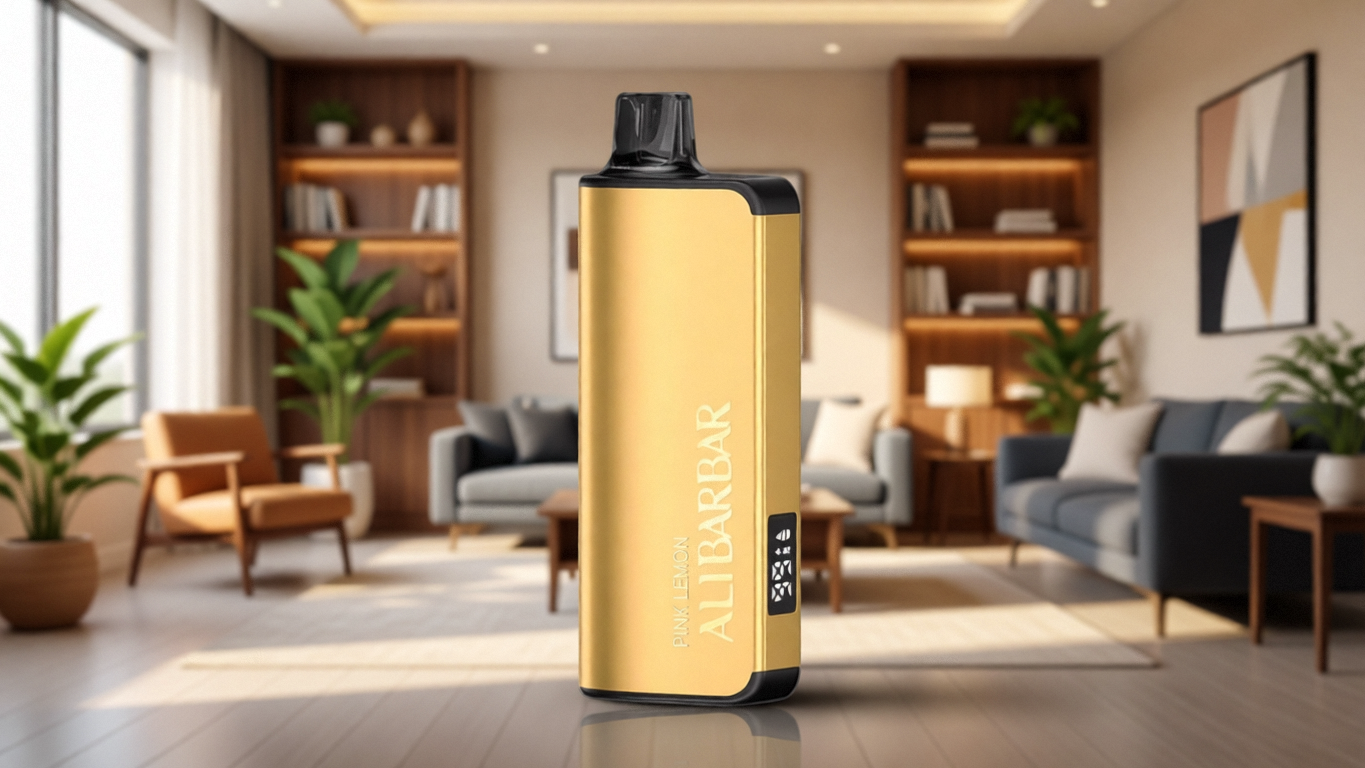
Manufacturers that invest in precise power‑source calibration also reduce the risk of premature device failure, a problem that surfaces when a unit reports a full charge but delivers power inconsistently. A device that fails exactly when you need it most is a design failure, not an unavoidable reality. When you are unwell, the value of a status indicator you can interpret at a glance without squinting or consulting a manual cannot be overstated. It is one of the simplest and most overlooked contributors to the user’s sense of control.
Physical Design and Material Durability
The mouthpiece you press against irritated lips matters more when the lips are already sensitive. The weight of a device in a hand that feels heavy from fatigue becomes a disproportionate annoyance. And the surface treatment that holds up to days of constant handling without becoming sticky or losing its finish directly affects whether you instinctively keep the device within reach or push it aside.
Material choices like medical‑grade stainless steel, smooth‑finish polycarbonate, and coatings that resist the transfer of sweat and skin oils reduce the sensory friction that accumulates when you are already uncomfortable. Ergonomics that allow you to hold the device without a tight grip — a contoured profile rather than a sharp‑edged box — matter surprisingly. These are not marketing bullet points. They are the design details that determine whether a device becomes a tool or a burden during a vulnerable stretch of days.
Modularity and Lifecycle Flexibility
Modularity is often discussed in terms of cost and waste, but in the context of illness, it has a more immediate implication: hygiene. A sealed, disposable unit that you have been using for days cannot be thoroughly cleaned or refreshed. A device that allows you to replace the mouthpiece section, or to swap in a new pod or cartridge, offers a straightforward way to start fresh when you wake up feeling worse than the night before.
This is not about germ theory specifically — that is a conversation for a medical professional. It is about the psychological comfort of knowing that you can eliminate the residue of previous use without replacing the entire device. If you are the sort of person who feels a need for cleanliness and control as part of recovering, modularity becomes a form of agency. Devices built with this flexibility tend to support longer‑term use patterns too, but that secondary benefit pales in comparison to the immediate relief of a clean start.
Applying These Criteria to Real‑World Options
The criteria above are not abstract. They map directly onto the device families available to adult users, and recognising which designs align with which need‑states can prevent the common mistake of buying a device that is technically competent but entirely wrong for your situation.
For a user who values predictability and minimal intervention while unwell, sealed, draw‑activated devices with high‑capacity integrated power cells (often described as “long‑life” or “high‑capacity” units) eliminate the need to think about power for days. Their internal architecture is fully enclosed, which reduces variability but also limits any cleaning or resetting. The trade‑off is that once the device is spent, the entire unit is discarded. If you are in the middle of an illness, that can be a positive — no decisions to make — but it assumes the device will last exactly as long as you need it, no more and no less.
In contrast, rechargeable systems with replaceable cartridges or pods give you the flexibility to swap in a fresh section when the existing one starts to feel compromised. They often incorporate better power indicators because the device is designed to be kept and charged repeatedly. However, they require the user to remember to charge the base unit and carry spares. For someone who is foggy‑headed from a cold, this small management task can feel like an unreasonable burden, yet the control it offers over hygiene and output freshness can be worth the minimal effort.
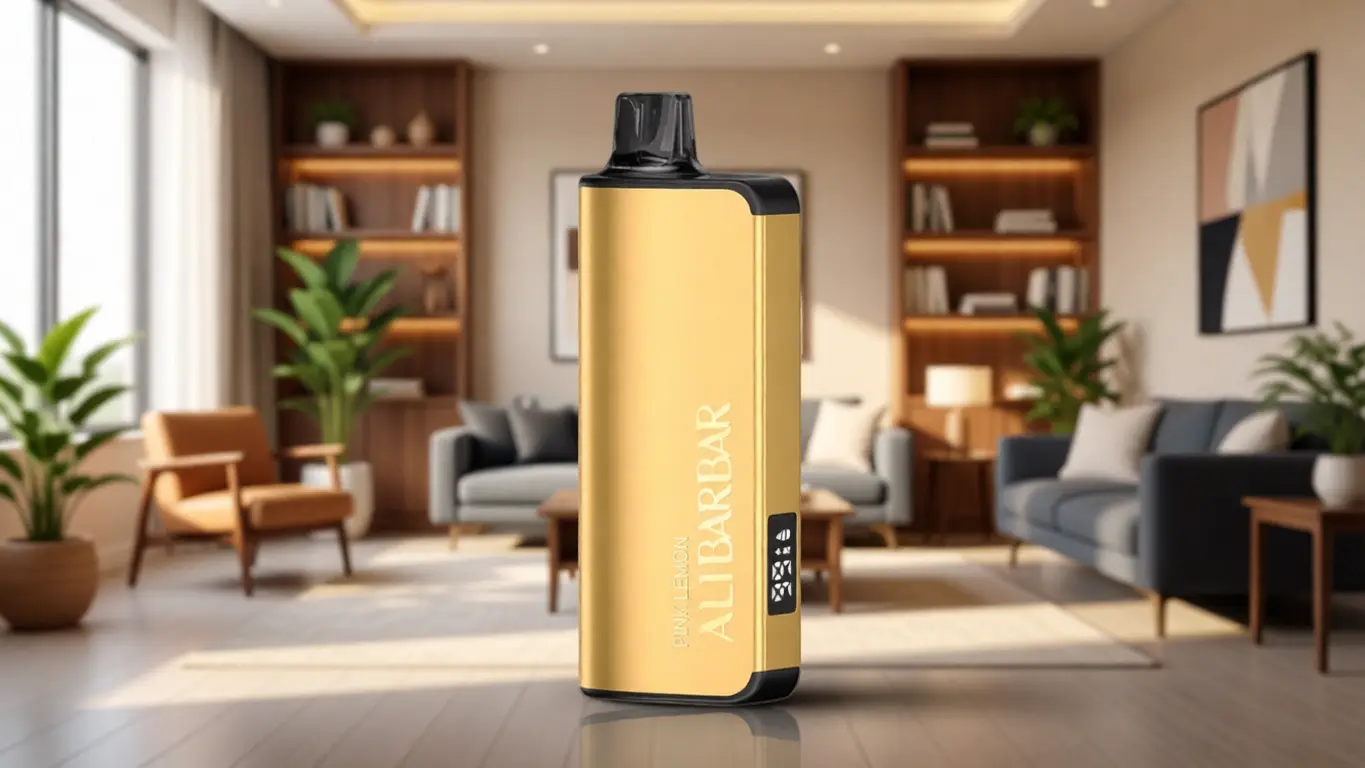
ALIBARBAR’s broader catalogue illustrates how a single brand can span both ends of this spectrum. The INGOT 9000 and INGOT 15000 models are examples of high‑capacity, integrated units built for extended trouble‑free operation — the kind of device that reduces interaction to the bare minimum. The Ice Adjust 12000, meanwhile, introduces an airflow adjustment mechanism that lets the user fine‑tune the draw resistance, a feature that becomes unusually relevant when a sore throat demands the gentlest possible delivery. Neither category is universally superior. The right choice depends entirely on whether, when you are sick, you value absolute simplicity or deliberate control more.
Other device families in the market approach the same problems through slightly different architectures, and the comparison serves only to reinforce that visual similarity rarely indicates equivalent internal engineering. A sealed device that looks like another sealed device can differ markedly in its thermal management and the reliability of its power reporting. This is why evaluating the specific engineering, not just the form factor, is essential when your tolerance for frustration is already near zero.
A Practical Framework for Evaluation
If you find yourself needing to choose or assess a device for use during periods of illness, a structured approach cuts through the noise. Use the following self‑prompts as a diagnostic tool:
Output predictability: Put the device through a short, sustained session when you are feeling relatively well. Does the delivery remain even from first to last? If you can detect a shift toward harsher, dryer output after a moderate use period, that pattern will be magnified when your respiratory tract is irritated. Ask: Would I be comfortable using this in the middle of a coughing fit?
Status feedback clarity: Without reading the manual, glance at the device during normal operation. Can you instantly determine whether it is active, in need of charging, or nearing its end of life? If you have to rely on guesswork, you will end up carrying a backup — exactly the type of redundant planning that feels exhausting when you are sick.
Sensory load: Hold the device for five minutes with your eyes closed. Is the mouthpiece contour comfortable, or does it press sharply against your lip? Does the exterior texture remain pleasant after your hand perspires slightly? The answers to these questions matter more when you are hypersensitive.
Hygiene reset capability: Can you replace the part that contacts your mouth, or is the entire unit sealed? If the device is sealed and has been in use for days, you may be subjecting yourself to a less‑than‑fresh experience. A modular design that allows a quick swap can make a tangible difference.

Power endurance relative to your illness duration: Estimate how many days you typically feel severely unwell. Does the device’s rated operational life cover that entire span without recharging or replacement? A mismatch here leaves you in the lurch, potentially at 2 a.m. on a Sunday.
This methodology is deliberately simple. It does not require technical knowledge, only an honest observation of how the device interacts with your worst moments, not your best ones.
Common Selection Errors and Industry Observations
Years of observing how users interact with their devices reveal repeating patterns of dissatisfaction, many of which are avoidable. When the user is already dealing with an illness, these errors are not merely inconvenient — they can derail an already fragile state.
Overweighting a single metric while ignoring its complementary factor. A device advertised as “high‑capacity” might capture attention, but if that capacity comes with vague battery indicators and a non‑replaceable mouthpiece, the user is trading duration for hygiene ignorance and dead‑battery ambiguity. Similarly, a device with an adjustable airflow feature is only truly useful if the base heating architecture is stable enough to prevent the harshness that the adjustment is meant to mitigate. Isolating one feature invites disappointment.
Assuming visual similarity indicates equal internal quality. The market is flooded with devices that share an almost identical external silhouette, yet their internal components — the heating element alloy, the chipset governing power delivery, the quality of the cell — diverge significantly. Two units that look like they came from the same mould can exhibit entirely different behaviour after a day of heavy use. Recognising this gap is part of becoming an informed user. It explains why a device that costs slightly more from a focused, specification‑transparent source can deliver a fundamentally different experience.
Undervaluing modularity in cost‑per‑use or comfort calculations. Many users treat a sealed device as a simple, one‑off purchase, overlooking that a modular system, though initially more expensive, may provide a fresher, more comfortable experience on day three of a cold. The calculation should include not just upfront price but the value of being able to reset the device’s cleanliness mid‑illness.
Confusing category terminology with engineering specifics. Terms like “mesh coil,” “adjustable airflow,” or “rechargeable” describe broad categories, not guarantees of performance. A “mesh coil” can be designed for rapid heating at the expense of smoothness, or it can be tuned for an ultra‑consistent, gentle ramp‑up. Without understanding the calibration behind the label, the buyer is gambling. The industry has collectively allowed marketing terminology to drift away from meaningful specification, which means the onus is on the user to look past the headline.
From a manufacturing perspective, these patterns reflect a market where the barrier to entry is relatively low and the range of component quality is vast. Factories capable of producing highly reliable, thermally stable devices serve a limited number of brands that demand consistent audits. A large portion of the market, however, is populated by rebadged generic designs that pass visual inspection but fail under sustained scrutiny. This is not an indictment of any specific company; it is simply the structural reality of a product category that has grown faster than the average user’s knowledge base.
Frequently Asked Questions
Q: Is it medically safe to vape when I have a sore throat?
A: This article does not give medical advice. From a purely engineering standpoint, a device with stable thermal output and a clean mouthpiece will cause less mechanical irritation than one that runs hot or has accumulated residue. You should consult a healthcare professional for guidance specific to your condition.
Q: Can I catch a secondary infection from my own device?
A: Microorganisms can survive on surfaces, including mouthpieces. If you are concerned about reintroducing pathogens, using a device that allows you to replace the mouthpiece or pod after a period of heavy use is a prudent step. This is not a medical endorsement but a reasonable hygiene practice.
Q: Why does my regular device feel so harsh when I’m sick?
A: Inflammation and sensitivity in your throat and airways lower your tolerance for even slight temperature variations and vapour density. A device whose heating element is not well‑regulated can suddenly feel intolerable. The device is not necessarily malfunctioning; your body’s baseline has changed. Switching to a device known for smooth, consistent delivery or one with an airflow adjustment can mitigate the discomfort.
Q: If my device has an adjustable airflow, what setting works best when I’m unwell?
A: Generally, a wider, more open airflow reduces draw resistance and can produce a gentler, less concentrated delivery. However, the optimal setting depends on the device’s output architecture. Start at the most open position and gradually tighten until you find a balance that does not provoke throat irritation.
Q: How do I verify that I’m buying a genuine, well‑engineered device and not a poor copy?
A: Purchase through a retailer that documents its supply chain, provides standardised product specifications, and offers responsive local support. A channel like OZVAPE Shop, which sources inventory exclusively from authorised distribution networks, reduces the risk of receiving a device that looks correct but uses substandard internal components.
Q: Should I avoid high‑output devices entirely when I have a chest cold?
A: Not necessarily, but a device calibrated for maximum volume per draw may be more likely to trigger coughing when your lungs are sensitive. Moderation and a device that allows you to control output — either through low‑power modes or airflow adjustment — give you more room to adapt.
Q: How many days can I realistically use a sealed device before it becomes unhygienic?
A: There is no universal standard. As a practical rule, if the mouthpiece feels sticky, carries visible residue, or has been in contact with shared surfaces while you were ill, it is reasonable to replace the device or the mouthpiece if the design permits. A modular system that supports pod replacement after 2–3 days of heavy use is often favoured during extended illnesses.
Q: What do I do if my device battery dies in the middle of the night?
A: A reliable device with clear multi‑level battery feedback should give you ample warning to charge it before it is completely depleted. If you find yourself regularly caught off guard, the indicator system is insufficient for your usage pattern. Consider a device with a longer operational life or a more communicative status display.
Q: Can I clean the mouthpiece of a sealed device?
A: With sealed units, you are limited to wiping the exterior gently with a dry or slightly damp cloth. Submersion or aggressive cleaning can damage the internal components. This is a fundamental limitation of non‑modular designs and one reason some users prefer replaceable‑pod systems during illness.
Q: Is it worth buying a new device specifically for when I’m sick?
A: Not necessarily; many users rely on a single device for all conditions. However, if your current device consistently proves uncomfortable during respiratory illnesses, selecting a secondary unit with the characteristics outlined in this article — smooth output, clear feedback, and modular hygiene — can be a considered upgrade. It is less about quantity and more about having the right tool for a specific, temporary state.
Conclusion
The most useful device you own is the one that does not add to your burdens when you are already depleted. That sounds obvious, but it requires a shift in how you evaluate what you use every day. Most people assess a device when they are at their best, after a restful night, with a clear head. That is precisely the wrong methodology. The true test of engineering and design occurs at 3 a.m., when you cannot sleep, your throat feels lined with sandpaper, and the last thing you want is a surprise.
By applying the criteria discussed here — consistency, transparency, sensory consideration, modularity for hygiene, and realistic power endurance — you move from being a passive consumer to an informed evaluator. You stop rewarding devices that look good in a photograph and start appreciating the ones that anticipate your worst moments. This is where a retailer that maintains strict sourcing standards and provides clear, honest information becomes genuinely useful. OZVAPE Shop exists to support that kind of evaluation, not by pushing you toward the most expensive option, but by making the technical reality of each device accessible enough that you can make your own grounded decision.
The right choice for you when you are sick is not the device with the loudest claims. It is the one that disappears into the background, does its job without demanding attention, and can be refreshed when you need a clean start. That device exists, and it is identifiable with a bit of structured thinking. The rest is just noise.