
VAPE FAQs
Is It Bad To Vape While On Birth Control?

Jun
For adults who use hormonal contraception, the question of whether vaping introduces additional health risk is not hypothetical—it’s a practical matter that influences daily decisions. A morning routine that includes both a contraceptive pill and a vape device carries implications that are rarely spelled out on either product’s label. The concern centers on the combined cardiovascular load of nicotine and estrogen, but the conversation becomes muddied when device quality and chemical exposure are added to the equation. At OZVAPE Shop, our commitment is to equip adults with clear, structured information, not to advocate for any particular behavior. This article synthesizes the available medical evidence on vaping and birth control, then examines how the engineering of the device you use can either compound or mitigate certain ancillary risks. By the end, you will have a framework for evaluating your own situation—and, if you continue to vape, for choosing a device that minimizes unnecessary variables.
Understanding What Matters: Core Engineering and Design Factors
When a person on birth control vapes, the primary medical concern is the systemic effect of nicotine: vasoconstriction and increased thrombotic risk, amplified by the estrogenic component of hormonal contraceptives. Yet the device delivering that nicotine introduces additional layers of risk that are often overlooked. A well-engineered vaping device stabilizes temperature, ensures consistent nicotine delivery, and avoids the generation of toxic thermal breakdown products. A poorly designed one can do the opposite—and for someone whose circulatory system is already under pharmacological strain, these second-order effects may hold disproportionate significance.
Internal Architecture and Output Consistency
The heating element inside a vaping device—typically a coil and wicking system—determines how evenly e-liquid is vaporized. Inconsistency matters because spikes in temperature can degrade propylene glycol and vegetable glycerin into aldehydes like formaldehyde and acrolein, irritants that trigger inflammation and oxidative stress. For a birth control user, systemic inflammation is a known compounding factor in clot formation. A device with tight temperature control, achieved through precision coil materials and stable power delivery, minimizes these thermal excursions. Look for systems that use medical-grade cotton and regulated chipset-driven output; sealed pod architectures tend to outperform exposed rebuildables in maintaining batch-to-batch predictability.
Power Management and Status Transparency
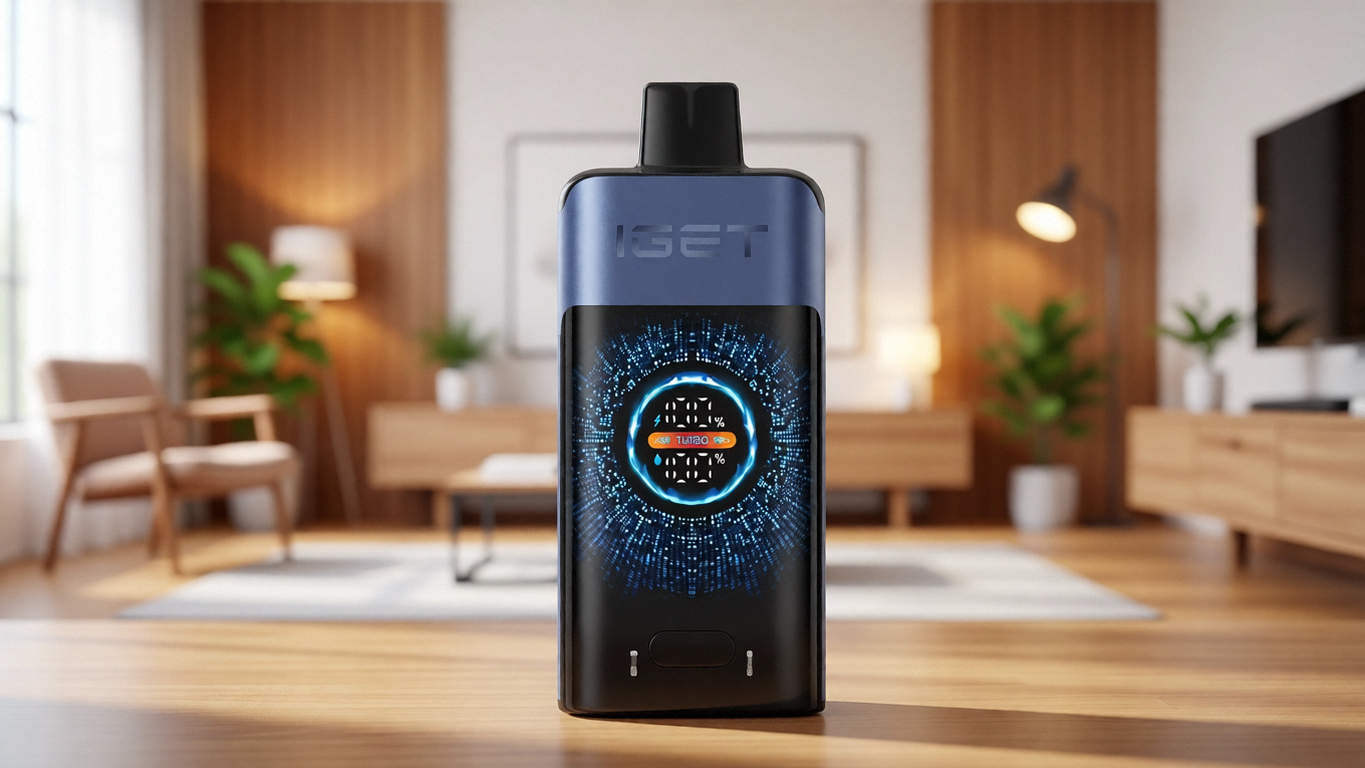
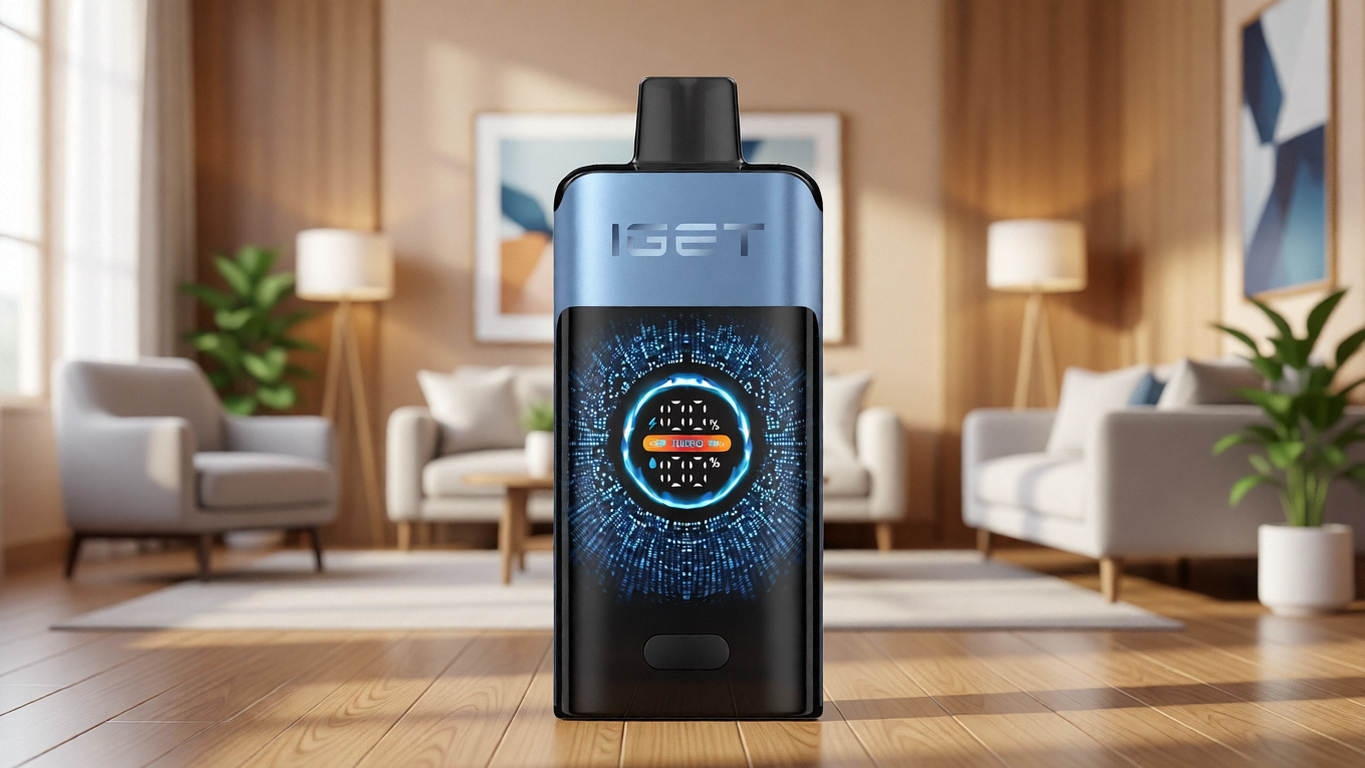
Devices that can’t communicate their remaining charge or coil life force the user into reactive behavior—carrying a backup, guessing when a pod is empty, or, worse, inhaling a scorched hit when the coil overheats. For someone managing a medication schedule, the cognitive burden of an unreliable device can indirectly affect pill adherence. More directly, a device that enters low-voltage mode without warning may deliver a sudden drop in nicotine, triggering withdrawal symptoms that disrupt daily routines. Power management isn’t just about convenience; it’s about physiological stability. Indicators that show battery level and resistances in real time reduce the guesswork and allow the user to plan refills or recharges around their life, not the other way around.
Physical Design and Material Durability
The outer shell and mouthpiece materials of a vape device can contribute exogenous compounds through leaching, especially when exposed to heat and acidic e-liquids. While no direct link has been established between plasticizers and hormonal birth control interactions, the precautionary principle suggests choosing devices with stainless steel, PCTG, or ceramic-coated interiors. This reduces the potential for chemical migration. For a user whose endocrine system is already modulated by exogenous hormones, minimizing additional endocrine-disrupting exposures is a reasonable, if conservative, strategy.
Modularity and Lifecycle Flexibility
A birth control user may wish to taper nicotine intake gradually. Closed-system disposables, while convenient, lock you into a fixed nicotine strength for the life of the device. Refillable pod systems, or those with interchangeable coils, allow precise control over e-liquid concentration. This modularity supports harm reduction: if a healthcare provider recommends lowering nicotine, a refillable system allows for a step-down approach, whereas a disposable offers no such granularity. Moreover, a device that can be cleaned and reused across many cycles is subject to better quality assurance; a single-use unit that rattles from the factory cannot be corrected. The ability to inspect and maintain a device builds user agency—an important psychological component for anyone managing a long-term health condition.
Applying These Criteria to Real-World Options
Translating these engineering principles into a purchasing decision requires looking at how specific device families perform across the layers of risk. A disposable pod system might promise simplicity, but if its output consistency drifts by more than 10% over its rated life, the user experiences variable nicotine plasma levels—variability that research suggests may increase dependence and indirectly affect contraceptive hormone metabolism. Certain progestins are metabolized by cytochrome P450 enzymes that nicotine can induce, making stable dosing even more critical.
Conversely, a well-calibrated sealed pod system that uses a vertical mesh coil and constant-voltage output can maintain nearly flat nicotine delivery from first puff to last. This reduces pharmacokinetic variability and, by extension, the unpredictable physiological stress that could amplify clotting risk. In the modular category, options that include user-replaceable coils with precisely stamped resistances make it feasible to switch between nicotine strengths without changing devices. This supports the principle of controlled exposure: if your physician advises reducing nicotine, you can implement that change immediately rather than discarding remaining inventory.
It’s worth contrasting this with unbranded disposable units that flood many markets—units that often lack any form of thermal feedback, leading to “dry hits” that aerosolize hot metal particles. The engineering discipline visible in a recognized product line, designed with material integrity and consistent output, translates into a measurably safer experience for someone in a higher-risk category. At OZVAPE Shop, the ALIBARBAR device collection exemplifies this approach: factory-calibrated heating, zinc-alloy chassis, and clear status displays are not luxury features but essential safeguards for users who cannot afford to gamble with inconsistency.
A Practical Framework for Evaluation
If you are on birth control and not ready to give up vaping, use this step-by-step framework to assess any device you consider:
Verify nicotine concentration accuracy. Ask if the manufacturer publishes batch-level testing. A device that cannot guarantee its labeled nicotine content introduces avoidable dosing uncertainty.
Check for temperature regulation. Does the device advertise a constant wattage or temperature control chip? If it’s a simple mechanical mod, pass.
Inspect material disclosures. Look for clear statements on wicking material (organic cotton, ceramic) and housing composition. Avoid devices that don’t specify.
Evaluate status communication. Does it show battery life in increments? A dead battery that leaves you unable to vape could lead to compensatory behavior—like using a friend’s unknown device or chain-vaping when power returns—that introduces additional risk.
Consider modularity. Ask yourself: “If my doctor tells me to cut my nicotine intake, can this device accommodate that without a full repurchase?” If the answer is no, factor that into your long-term plan.
Confirm supply chain authenticity. Counterfeit devices are rampant. Source from a retailer that documents its authorized distribution chain, where factory-certified inventory eliminates the risk of substandard components.
This framework doesn’t eliminate the baseline cardiovascular hazard of nicotine, but it strips away the avoidable technological variables, allowing you to focus on the pharmacological decision that actually matters.
Common Selection Errors and Industry Observations
In our analysis of user feedback and market patterns, several recurring mistakes undermine the safety calculus for birth control users who vape.
Overprioritizing puff count over output stability. Many choose the device with the highest advertised puff count, assuming it means reliable performance. In reality, high-puff disposables often stretch a single coil far beyond its optimal lifespan, leading to gradual carbonization and increasing aldehyde output. For a user with compromised vascular function, that trade-off is dangerous.
Equating visual similarity with engineering equivalence. A flood of generic devices mimic the shape and packaging of recognizable brands. Inside, they may use coils that fluctuate in resistance, or silica wicks that scorch at lower temperatures. Without documented quality control, the user becomes an unwilling participant in an uncontrolled experiment.
Ignoring the interaction between device failure and medication routines. Our service logs show that when a device fails unexpectedly, users report delays in taking their pill, skipped doses due to distraction, or heightened anxiety. While this is hard to quantify, the secondary stress response is real and can indirectly affect hormone-mediated health.
An industry observer would note that the regulatory vacuum in many markets means product claims are never independently verified. A curated catalogue built from factory-certified lines is a pragmatic response to this trust deficit. It doesn’t resolve the nicotine problem, but it creates a baseline of consistency that informed adults deserve.
Frequently Asked Questions
Q: Does vaping on birth control increase the risk of blood clots?
A: Yes. Nicotine constricts blood vessels and promotes platelet aggregation; estrogen-containing contraceptives do the same. When combined, the risk of venous thromboembolism is higher than with either factor alone. The magnitude depends on individual health, but any nicotine use should be discussed with a physician.
Q: Is it safer to vape without nicotine?
A: From a cardiovascular standpoint, yes—if the e-liquid truly contains zero nicotine and is free of harmful byproducts. However, the aerosol still delivers fine particles and potential irritants. The safest option remains not inhaling anything.
Q: Does the type of birth control matter?
A: The greatest risk is with combined hormonal contraceptives (estrogen + progestin). Progestin-only methods carry a lower clot risk, but nicotine still elevates it to some degree.
Q: What if I’ve been vaping on birth control for years with no issues?
A: The absence of a visible event does not confirm safety. Thrombotic risk is cumulative and can manifest suddenly. Regular check-ups and open communication with your healthcare provider are essential.
Q: Can a better vaping device reduce the risks?
A: A device that consistently delivers stable, accurately labeled nicotine and avoids generating toxic thermal byproducts may reduce auxiliary risks, but it doesn’t eliminate the primary nicotine–estrogen interaction. It’s a harm-reduction step, not a remedy.
Q: How can I tell if my device is producing harmful compounds?
A: Without laboratory testing, you cannot. Indicators include a burnt taste, rapid coil degradation, or throat irritation. Devices from committed manufacturers with documented quality systems are less likely to produce unpredictable emissions.
Q: Does vaping affect how well birth control works?
A: Nicotine can influence liver enzymes that metabolize certain drugs, but current evidence on contraceptive failure is inconclusive. The recognized danger is cardiovascular, not contraceptive efficacy.
Q: If I want to quit vaping, what should I do?
A: Consult a health professional for a tapering plan. Some retailers can support you with devices that allow gradual nicotine reduction, but the decision to quit is medical, not retail.
Q: Are there specific device features that help with a tapering plan?
A: Refillable pod systems with interchangeable coils allow you to step down nicotine strength in precise increments. Devices that display real-time resistance and wattage help you replicate the same experience at lower strengths, minimizing withdrawal.
Q: Why is supply chain integrity important for birth control users?
A: Counterfeit devices often use substandard materials and untested coil configurations, introducing unknown chemicals that could add stress to a body already managing hormonal therapy. An authorized supply chain removes that variable.
Conclusion
The question “is it bad to vape while on birth control” has a straightforward medical answer: yes, it raises your clotting risk. Beneath that answer, however, lies a more nuanced layer of device-dependent risk that adults can manage through informed selection. A vape device that maintains strict thermal control, uses verified materials, and communicates its status honestly does not erase the nicotine hazard, but it removes the chaotic variables that might otherwise catch a body already working under pharmacological load.
At OZVAPE Shop{:target=”_blank”}, we maintain a catalogue of devices that meet these engineering standards—not because we claim any product makes vaping safe, but because we believe adults deserve best-in-class tools for whatever decisions they ultimately make. The right choice for you is the one that aligns with your health priorities, your daily routine, and a frank conversation with your doctor. No device, no matter how well built, can substitute for that.