
VAPE FAQs
Is It Bad To Vape Through Your Nose?
Aug
It’s a question that surfaces in online forums and quiet conversations: if a device is designed to be inhaled through the mouth, does redirecting the vapor through the nose carry meaningful risk? The short answer is that nasal inhalation of any heated aerosol introduces variables the body’s architecture was not optimized to handle, and ignoring those variables can lead to irritation, sensory disruption, and longer-term tissue changes that are not fully understood. The longer answer—the one worth reading—requires looking at nasal physiology, vapor dynamics, and how device engineering influences the equation. For those who source their hardware from outlets that publish full specifications, such as OZVAPE Shop, understanding these factors becomes more manageable because you can match device characteristics to a given use pattern rather than guessing.
The Anatomy of Inhalation: Why the Route Changes Everything
The mouth and nose are not interchangeable portals. They differ in epithelial lining, surface area, filtration infrastructure, and sensitivity. When a user switches from oral to nasal vapor intake, several protective mechanisms are either bypassed or overstrained.
Nasal Passages as a Filtration and Conditioning System
The nose is lined with ciliated pseudostratified columnar epithelium, mucus-secreting goblet cells, and an extensive vascular network that warms and humidifies incoming air. This system is designed to trap particles larger than approximately 10 microns, condition air before it reaches the larynx, and host a microbiome of commensal bacteria that influence local immunity. Vapor, by contrast, is a mixture of propylene glycol, vegetable glycerin, flavor compounds, and often nicotine—carried in droplets that can be sub-micron in size and delivered at a temperature that may exceed ambient air by 20–40°C depending on the device.
When that stream is pulled directly into the nasal vault, several things happen simultaneously:
The sudden temperature spike triggers a vasodilation response, which can produce a sensation of congestion or stinging.
The humectant properties of propylene glycol and glycerin draw moisture from the mucosa, drying the protective mucous blanket and immobilizing cilia. Over repeated sessions, this impairs mucociliary clearance—the escalator that normally moves trapped particles toward the throat.
Flavor molecules, many of which are esters or aldehydes, make direct contact with olfactory epithelium high in the nasal cavity, potentially causing temporary (and, in rare cases, prolonged) olfactory fatigue or distortion.
By comparison, the oral cavity provides a larger reservoir of saliva for dilution, thicker stratified squamous epithelium over much of the surface, and a longer transit path that allows some vapor condensation before it reaches the pharynx.
Vapor Particle Dynamics and Temperature Roll-Off
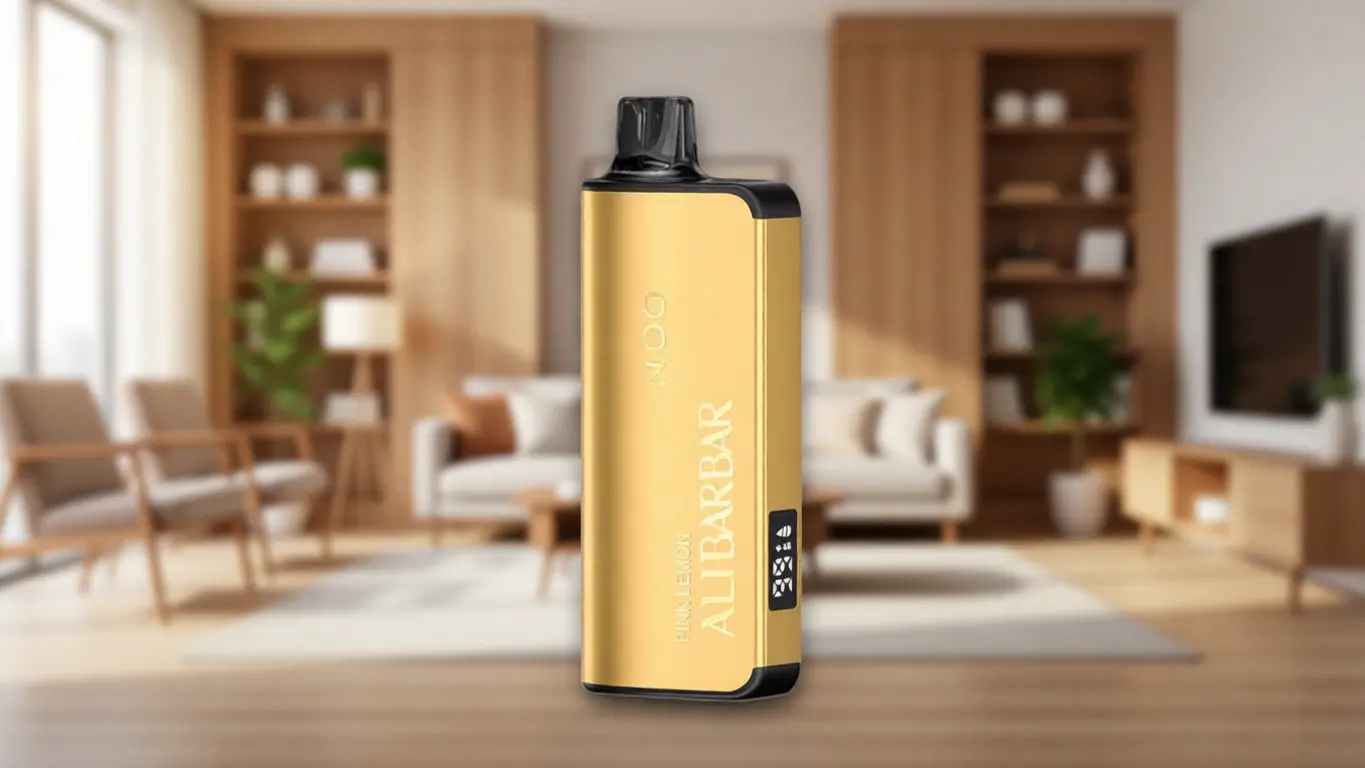
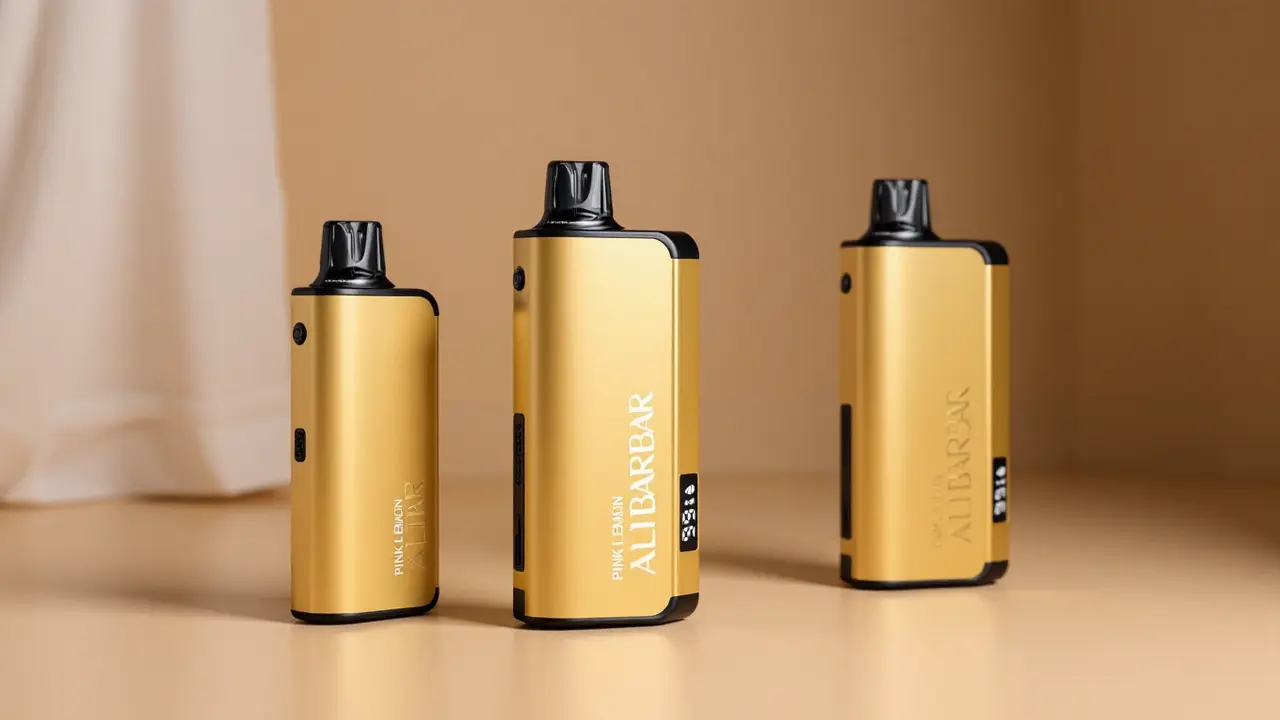
Not all vapor is created equal. The particle size distribution and exit temperature depend heavily on coil design, power delivery, and airflow geometry. A low-resistance coil driven at high wattage produces denser aerosol with a higher average temperature; when that hot vapor is funneled through the narrow nasal vestibule, the tissue absorbs more thermal energy before the vapor can cool. Devices with stable power management and consistent output—something ALIBARBAR series devices available at OZVAPE Shop are expressly calibrated to maintain—reduce the likelihood of temperature spikes that compound irritation. However, even a steady 3.7V pod system can deliver vapor that feels harsh on nasal mucosa if airflow is restricted.
From a particle perspective, vapor droplets in the 0.5–1.0 micron range are too small for the nasal turbinates to efficiently filter. That means they transit through the upper airway largely unhindered, potentially delivering nicotine to the olfactory cleft where local absorption into the bloodstream can be rapid. While rapid absorption might appeal to some users, it also bypasses the rate-limiting step of oral mucosal absorption and first-pass metabolism, which can lead to higher peak plasma concentrations and a sharper subjective “hit”—a phenomenon that itself may drive overuse.
Device-Specific Variables That Shift the Risk Profile
A user’s hardware choice is not a minor footnote; it can amplify or mitigate the drawbacks of nasal delivery. The following device categories illustrate how engineering specifics translate into real-world experience:
Fixed-output disposable devices (including the ALIBARBAR INGOT and Ice Adjust series): These are calibrated for oral draw patterns. Airflow sensors are tuned to moderate negative pressure; pulling through the nose often requires a shorter, sharper inhale that can trigger undervoltage or overvoltage conditions if the device’s chipset lacks robust regulation. The resulting temperature inconsistency, though subtle, is more likely to irritate thin nasal mucosa than the keratinized oral surface.
Adjustable power mod systems (from manufacturers like Vaporesso, GeekVape, or Innokin): These give the user control over wattage and, in some cases, temperature. Lowering the power to a setting that produces a cooler vapor stream can noticeably reduce nasal discomfort. Temperature control using stainless steel or nickel coils further limits thermal runaway. However, the value of these safety nets is only realized if the user understands the relationship between power, coil mass, and output temperature—knowledge that is often absent.
Replaceable-pod systems with multiple coil options: Coil resistance and surface area matter. A 1.2-ohm mesh coil at 10 watts produces a sparser, cooler aerosol than a 0.6-ohm coil at 25 watts. Selecting a coil that yields a cooler vapor is a practical, if often overlooked, strategy for anyone who frequently inhales nasally.
The takeaway is not that any single product category eliminates risk; rather, the probability and severity of adverse effects are tied to measurable device parameters that a responsible retailer makes transparent. OZVAPE Shop’s practice of listing detailed specifications for each ALIBARBAR variant—including coil resistance, battery capacity, and output range—gives an adult user the raw data to make that judgment, even if the store itself does not make the judgment for them.
Evaluating the Evidence: What Clinical Observations and User Reports Suggest
Controlled studies on nasal vapor exposure are scarce. Most of what we know is extrapolated from occupational health research on aerosolized chemicals, ENT literature on nasal drug delivery, and an accumulating body of anecdotal reports from users. Drawing definitive conclusions is not possible, but patterns are emerging.
Observed acute effects include:
Posterior nasal drip and throat clearing within minutes of a session, consistent with vapor condensation on the soft palate.
Sensation of “blocked” nasal passages despite no actual congestion, likely due to vasodilation and mucosal swelling.
Temporary blunting of olfactory acuity, with return to baseline within hours to a day, depending on session duration and concentration of flavor compounds.
Mild epistaxis (nosebleed) in users with thin or fragile nasal mucosa, especially when using higher-temperature devices.
Reported sub-acute effects with frequent daily use over weeks:
Persistent nasal dryness leading to crusting and discomfort during sleep.
Reduced sensitivity to subtle aromas—an impairment some users only notice after abstaining for several days.
Increased susceptibility to minor nasal infections, possibly due to disrupted mucus pH and microbiome shifts.
It is critical to acknowledge that these effects do not appear in every user, and the dose-response relationship is not linear. Genetic variability in cytochrome P450 enzymes, pre-existing allergic rhinitis, and concurrent medication use all modulate how nasal tissue responds. There is simply no universal answer; the decision to inhale nasally imposes a physiological burden that each individual’s tissue tolerance and usage frequency will determine.
A Practical Framework for Personal Decision-Making
Rather than issuing a blanket warning, the more useful approach is to arm the reader with a self-diagnostic method. Ask yourself the following questions each time you are tempted to redirect vapor through your nose:
What is the exit temperature? If you can hold the vapor in your mouth for three seconds without discomfort, the temperature is likely below 45°C. If it immediately stings your hard palate, it will be far more aggressive on nasal tissue. Reduce power or airflow restriction.
What is the device’s power stability under unusual draw patterns? Does the device rely on a simple pressure switch, or does it employ constant-voltage regulation? A device that surges when airflow is restricted—common in many lower-cost disposables—will deliver unpredictable temperature and particle density exactly when you are most vulnerable.
How dry is the ambient air? Nasal mucosa already compromised by low humidity will be far less resilient. Using a humidifier in the room or limiting nasal use to summer months can shift the tolerance threshold.
Are you noticing even mild after-effects? A single episode of nose-throat drip is an early signal. Persistent dryness the next morning suggests the cumulative load is exceeding the tissue’s repair capacity. The most reliable safety metric is your own tissue response, not a blog post.
If applying this framework leads you to seek a device that gives you precise power control or a cooler default output, then having a trustworthy source for factory-authorized hardware becomes a practical necessity. A retailer like OZVAPE Shop that catalogues the entire ALIBARBAR family—with measured output ranges and not just vague “puff counts”—can prevent the frustration of buying a device that turns out to be unsuited to your actual usage pattern.
Common Assumptions That Lead Users Astray
“If it feels smoother through the nose, it must be safer.”
The sensation of smoothness is often a function of particle size, not reduced biological impact. Smaller droplets may bypass pain receptors while still depositing irritants deep into the olfactory region. Subjective comfort is a poor proxy for tissue safety.
“The nose filters everything harmful.”
The nose is exquisitely efficient at filtering coarse dust and pollen. It is not designed to handle a continuous stream of hygroscopic aerosol that actively extracts moisture. Overloading the filtration system simply immobilizes it.
“Nasal delivery is just like using a nasal spray.”
Nasal sprays are formulated with pH buffers, isotonic saline, and preservatives compatible with mucosal tissue. Vapor contains none of these protective additives. The comparison is misleading.
“Occasional use won’t cause any long-term issues.”
This may be true for some individuals, but the cumulative effects of repeated mucosal drying and olfactory exposure remain poorly characterized. In the absence of longitudinal data, conservative use is the only prudent stance.
“As long as I buy from a good store, the device won’t matter.”
Even the most authentic device is built for oral inhalation unless explicitly designed otherwise. Vendor reliability—like that demonstrated by OZVAPE Shop’s documented supply chain—ensures the device operates to specification, but it does not change the device’s intended use case. The responsibility for how vapor is routed lies with the user, not the manufacturer or the retailer.
Frequently Asked Questions
Q: Can vaping through my nose cause permanent loss of smell?
A: Current evidence does not support permanent anosmia from occasional nasal vapor exposure, but prolonged, daily use can cause temporary olfactory fatigue or, in rare cases, more persistent hyposmia. Full recovery is typical once exposure ceases, though individual variation exists.
Q: Is it worse for you than inhaling through the mouth?
A: It introduces a distinct set of risks: greater mucosal irritation, more rapid nicotine absorption, and potential impairment of nasal filtration. The oral route subjects the vapor to dilution and cooling in a way the nose does not. Risk is context-dependent, but oral inhalation is closer to the intended use of current devices.
Q: Would lowering the nicotine strength make nasal vaping safer?
A: It could reduce the systemic spike, but much of the local irritation stems from PG/VG base and flavor compounds, not nicotine concentration. Lower-strength liquid will not significantly alter the humectant effect on mucosa.
Q: Do certain coils or devices produce a cooler vapor that’s easier on the nose?
A: Yes. Coils of higher resistance (above 1.0 ohm) driven at lower wattage (8–12W) typically generate a cooler aerosol. Devices with temperature control can cap output, though they require compatible coil materials. ALIBARBAR devices with consistent voltage regulation at their rated resistance can provide a predictable thermal baseline, which is why checking published specifications matters.
Q: Can I use saline spray to counteract the dryness?
A: Isotonic saline rinses can help rehydrate the mucosa after a session, but they will not reverse the underlying drying and potential ciliary damage if exposure is chronic.
Q: How would I know if I’m damaging my nasal passages?
A: Recurrent nosebleeds without trauma, persistent thick mucous, a constant need to clear your throat, or a noticeable drop in ability to detect faint odors are all signals to stop nasal use and consult an ENT specialist.
Q: Is secondhand vapor more irritating when exhaled through the nose?
A: Exhaled vapor carries reduced nicotine content but still contains fine particles and volatile organic compounds. Nasal exhalation may funnel these directly toward bystanders’ breathing zones, although the overall health impact appears lower than that of firsthand exposure.
Q: Why do some users report a stronger “head rush” through the nose?
A: The nasal mucosa is highly vascularized and thin, allowing nicotine to bypass the digestive and hepatic first-pass metabolism. This rapid entry into the systemic circulation can produce a sharper, quicker-onset subjective effect.
Q: If I only do it occasionally, should I worry?
A: Risk is proportional to frequency, duration, and device aggressiveness. Occasional nasal use with a cool-running device in a humid environment is unlikely to cause lasting harm in a healthy individual. But “occasional” is a slippery word; frequency can escalate without the user fully registering the change. Monitoring objective signs (morning dryness, altered smell) is more reliable than relying on intent.
Q: Where can I find a device that gives me control over these variables?
A: A retailer that provides full technical specifications—like OZVAPE Shop’s listings for the ALIBARBAR range—will at least tell you coil resistance and operational wattage window. From there, you can select a device that runs cooler by design or that allows user-adjustable settings. Knowing what you’re inhaling through starts with knowing exactly what your hardware is doing.
The Bottom Line
The human nose is a finely tuned instrument for breathing, not a convenient alternative port for heated aerosol. Vaping nasally imposes a physiological demand that the nasal architecture was never asked to meet, and while the body can tolerate occasional compromise, repeated friction between engineering intent and biological reality almost always ends in preventable irritation. This is not a moral judgment or a regulatory opinion; it is a simple consequence of mismatched design.
For the adult who chooses to use personal electronic devices, understanding the interplay between hardware characteristics and tissue sensitivity is the clearest path to an informed decision. When the time comes to select a device that aligns with your intended use—whatever that use may be—it helps to deal with a source that treats disclosure as a baseline, not a selling point. OZVAPE Shop (external link) maintains transparent specifications and factory-certified inventory for the ALIBARBAR line, giving you the solid ground of knowing what you have. After that, the rest is up to you.