
VAPE FAQs
Is It Bad To Vape A Burnt Vape?
Jun
Understanding the Problem: The First Time You Taste Something Wrong
You draw from a device you have relied on throughout the day, and instead of the clean, familiar character you expect, there is an acrid, chemical harshness that catches at the back of your throat. It is instantly recognizable—sharp, bitter, unmistakably wrong. If you are new to personal electronic devices, your first instinct might be that the unit is defective. If you have been around long enough to recognise a burnt hit, you will already be reaching for the power button. Either way, you are confronted with the same question: how bad is it to inhale that, even once?
That question is not trivial. It sits at the junction of device engineering, material science, and personal health awareness. Too much available commentary treats a burnt vape as a mere taste nuisance—something to laugh off and move past. But the sensation of burning is not a flavour flaw; it is a failure mode. The purpose of this article is to dissect precisely what happens when a device burns, what the implications are for the user, and how the architecture of the equipment you choose determines how often—and how severely—you encounter this failure. Along the way, a retailer like OZVAPE Shop becomes relevant not as a subject in itself, but as an example of a channel that makes technical specifications accessible, allowing adult users to evaluate devices before they ever take a draw.
What Triggers a Burnt Hit: The Engineering and Material Breakdown
To assess harm, you first need to understand the mechanism. A burnt hit is not a generic “bad taste.” It is the result of thermal decomposition—a process that begins when the heating element reaches temperatures far beyond its designed operating range, typically because the wicking material is starved of e-liquid. The following factors define how and why this happens, and each represents a decision point that a well-engineered device addresses from the drawing board.
Internal Architecture: Coil, Wick, and the Point of Failure
At the heart of any device sits a coil—a resistive wire that heats when current passes through it—and a wick that draws e-liquid toward that coil. The wick is almost always organic cotton, sometimes blended with wood pulp or ceramic fibres. When the wick is fully saturated, the liquid acts as a coolant, absorbing thermal energy and carrying it away as vapour. Remove that coolant, and the coil temperature spikes rapidly. Cotton begins to scorch at approximately 200°C; singed cotton produces a bitter, toasted note. Sustained dry heating pushes the coil past 300°C, where the cotton itself pyrolyzes, releasing a cocktail of volatile organic compounds. The metal coil—whether kanthal, nichrome, or stainless steel—can also degrade, contributing trace metal particles to the aerosol.
If you taste burning, you are inhaling the byproducts of decomposing plant fibre, overheated e-liquid residues, and possibly metal oxides. That is not an opinion on taste; it is a description of a chemical event.
Power Management and Temperature Overshoot
Not all burnt hits are caused by an empty pod. Poorly regulated power delivery can force a perfectly wet coil into thermal runaway. Devices that lack consistent output regulation or dry-hit protection will continue to heat the coil at full power even when the wick is barely moist. Some premium architectures incorporate real-time resistance monitoring that cuts power the moment a steep temperature rise is detected—essentially recognising the early signature of a dry wick and shutting down before meaningful degradation occurs. The difference between a device with this kind of protection and one without it is the difference between a momentary off-flavour and a full-blown chemical scorching event.
Physical Design: Airflow, Wicking Channels, and Liquid Viscosity
Burn risk is not only an electrical problem. The physical layout of the reservoir, the size and number of wicking ports, and the chimney geometry collectively determine whether e-liquid can reach the coil fast enough during chain use. A device with narrow juice channels and no vacuum relief may vape perfectly on the first draw but start to starve on the third consecutive long pull. This is why some units can taste brilliant for the first hundred puffs and then suddenly turn acrid—the wicking material was not given enough recovery time. Designs that account for high-viscosity e-liquids and heavy use patterns typically employ larger ports, multi-layer wicking, or vertical coil orientations that allow gravity to assist saturation.
Modularity and the Cost of Ignoring Replacement Cycles
A sealed disposable device has no replaceable component. Its coil and wick are engineered to last roughly as long as the prefilled e-liquid inside. The moment that liquid level drops below the point where the wick can remain fully saturated, every subsequent draw edges the system closer to a dry burn. Sealed units that offer no way to see the remaining liquid or gauge coil wear force the user to rely on taste alone—a reactive, rather than preventive, strategy. Replaceable-pod systems and open-tank architectures allow visual inspection and proactive replacement, which fundamentally changes the user’s ability to avoid burnt hits.
Applying These Principles to Real-World Options
The device families available today occupy different points on the burn-risk spectrum, and understanding where a given model sits can steer you away from needless exposure.
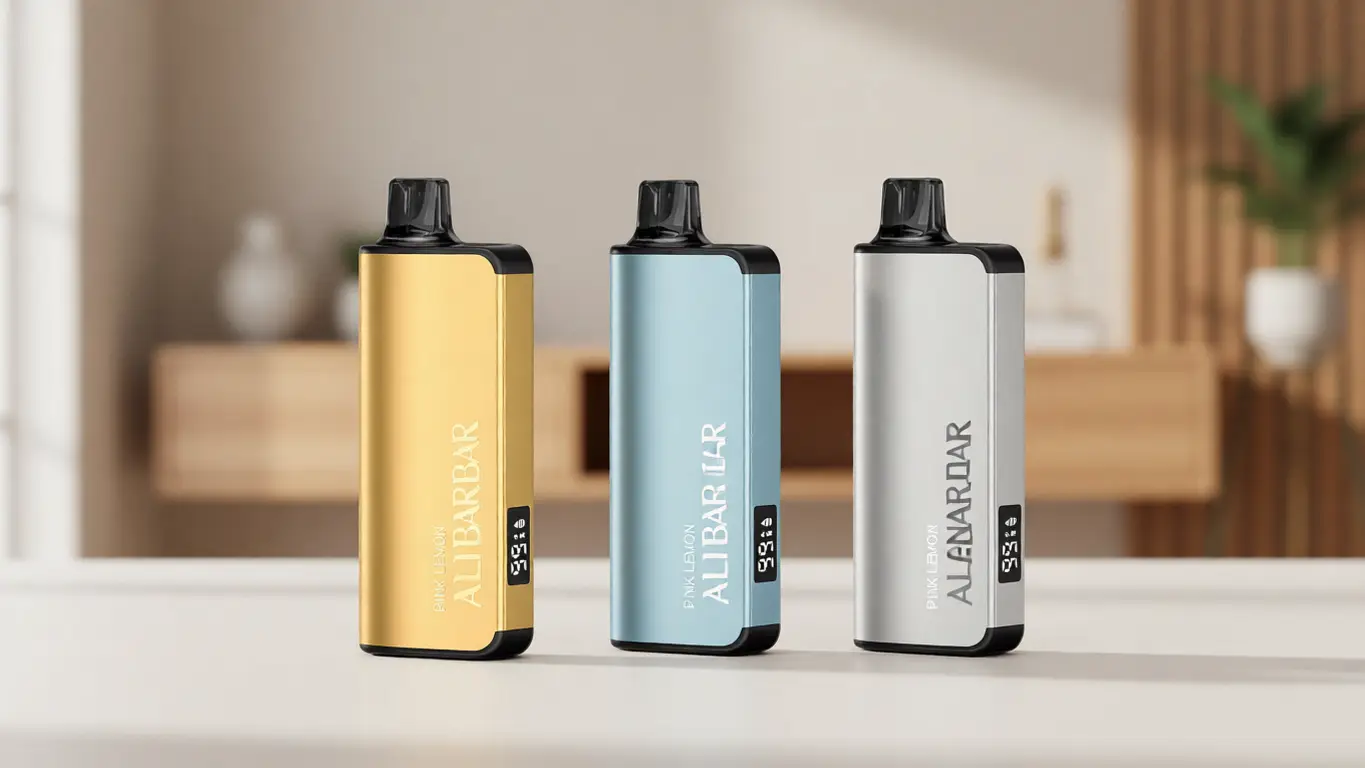
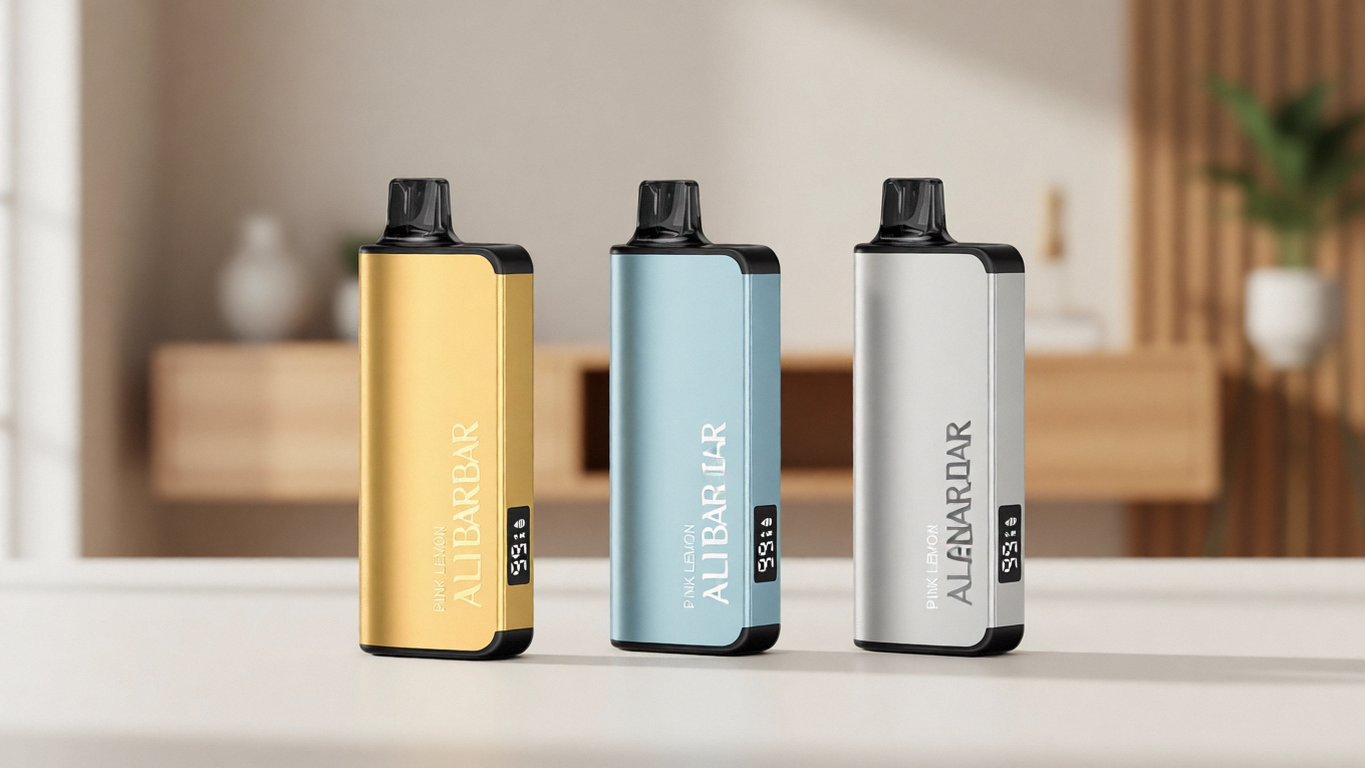
Compact, draw-activated sealed units are the most susceptible to late-life burning, simply because the end-of-life signal is the burn itself. There are exceptions: some manufacturers have integrated ceramic wicking cores or sap-based cotton treatments that extend wicking resilience, and a few build in LED indicators that blink when the internal reservoir is critically low. In the ALIBARBAR range, devices like the INGOT 9000 and INGOT 15000 incorporate mesh coil configurations and smart power management that actively modulate output to suit the available e-liquid, substantially delaying the onset of dry puff conditions. This does not make them immune to burning—no device is—but it shifts the failure point further into the product’s lifecycle and reduces the intensity of any burn event.
At the opposite end, systems with replaceable coil heads allow you to visually inspect a cotton wick before it fails. You can see discolouration, thinning, or caramelised residue long before a dry hit occurs. Modular pods that separate the coil from the battery also reduce the cost of proactive replacement, removing the temptation to “just get a few more draws” from a spent unit.
From an observational standpoint, the industry has slowly moved toward what some engineers call a graceful degradation model: instead of a sudden, violent burn, the device’s output gradually diminishes in flavour and vapour volume, giving the user time to notice and stop. Identifying which products embody that principle requires looking past the marketing and examining the specifications—coil resistance range, rated wattage, and whether any form of dry-hit prevention is disclosed.
A Practical Framework for Avoiding Burnt Hits
You do not need specialist knowledge to reduce your burn risk to near zero. What you need is a small set of diagnostic habits that run in the background every time you pick up a device.
Prime every new coil or pod thoroughly. Before the first activation, let a newly filled pod or tank sit for ten minutes. This allows the cotton to expand and saturate fully, eliminating the single most common cause of a day-one burn.
Watch for the taste gradient. A healthy device produces a clean, consistent character. The moment you detect even a faint roasted or bitter undertone that was not present earlier, stop. Do not take another draw to “check.” The sensation will not improve; it will only escalate.
Respect the liquid window. If your device has a transparent or translucent reservoir, never let the liquid level fall below the wicking ports. Once the cotton is exposed to air, capillary action fails and you are one brisk draw away from scorching the wick.
Adjust your draw pattern to the device architecture. Compact high-resistance coils cannot wick fast enough for repeated long, deep draws. If you need that style of usage, select a device with a mesh coil and generous wicking surface area.
Know the lifecycle of your consumable. Coil heads and built-in pods have a rated lifespan in millilitres of e-liquid processed, not in days. A device that holds 10 mL of liquid and is rated for 15 mL of throughput will naturally begin to show wick fatigue toward the end of its second full reservoir. Tracking usage, even roughly, prevents unpleasant surprises.
This framework works independently of any particular brand or shop. But having access to standardised specifications—published coil resistance, wick material, wattage range, and liquid capacity—makes the framework far easier to apply. Transparent specification sheets, of the kind a retailer like OZVAPE Shop provides alongside its listed devices, turn guesswork into a calculated decision.
Common Selection Errors and Industry Observations
The burnt-hit problem is not solely a hardware issue; it is also a decision-making problem. Over years of observing how adult users interact with personal electronic devices, a few persistent errors emerge that drive otherwise avoidable exposure.
Error 1: Assuming that all devices with a similar appearance share the same burn resistance.
A sleek cylindrical body tells you nothing about the internal coil architecture, wick density, or power regulation chipset. Two products with identical external shells can perform dramatically differently under the same usage conditions because one may use a basic round-wire coil with minimal wicking while the other employs a vertical mesh structure with multiple juice inlets. Judging a device by its silhouette is like evaluating a car by its paint colour.
Error 2: Treating a burnt hit as a temporary off-flavour that will clear.
Once the cotton has scorched, the structural damage to the wick is permanent. The burned section will not reabsorb liquid, and the charred material will continue to off-gas undesirable compounds with each subsequent heating cycle. Continuing to use a device after the first unmistakably burnt draw is not “getting your money’s worth”; it is introducing a consistent stream of thermal decomposition byproducts into your airways.
Error 3: Over-prioritising puff count while ignoring the quality of those puffs.
The market is currently saturated with devices claiming astronomical puff counts. A high number means nothing if the final 20% of those puffs taste like burnt cotton and overheated metal. What matters is the number of clean, consistent draws a device delivers. A lower nominal count that remains stable from start to finish is a far better engineering outcome than a higher count that ends in a chemical blaze.
Error 4: Confusing the sensation of a dry hit with a general hardware fault.
A dry hit that occurs because the user is chain-vaping faster than the wick can resaturate is a usage pattern issue, not a product defect. Conversely, a device that produces dry hits even when ample liquid is visible and a rest period has been observed likely suffers from a wicking design flaw. Distinguishing between these scenarios prevents you from incorrectly blaming the equipment or, more dangerously, ignoring a genuine design problem.
From an industry perspective, the wide variance in dry-hit protection reflects the tension between cost and engineering. Adding a temperature-sensing chip, widening juice ports, or specifying high-grade Japanese organic cotton all increase the bill of materials. Many entry-level products omit these refinements. The user who simply selects the lowest-priced option may unknowingly accept a design that makes burnt hits an expected part of the lifecycle rather than an exceptional failure.
Frequently Asked Questions
Q: Is it dangerous to inhale from a burnt vape just once?
A: A single, brief exposure is unlikely to cause immediate acute harm to a healthy adult, but it introduces compounds that are not present in normal vapour. The acrid taste is a clear biological warning signal; your airways are reacting to irritants. Repeated or prolonged exposure significantly raises the risk because the byproducts of thermal decomposition include carbonyl compounds and particulate matter that are known respiratory irritants.
Q: What specific chemicals are released when a coil burns?
A: When a cotton wick scorches and pyrolyzes, it can release aldehydes such as formaldehyde and acetaldehyde, along with other volatile organic compounds. If the metal coil overheats, trace metal ions (nickel, chromium, iron) may enter the aerosol. These substances are the same type of chemicals that regulatory bodies monitor in any inhalation product.
Q: Can a burnt coil make me sick?
A: In the short term, it can cause throat irritation, coughing, and a sensation of chest tightness. Some users report nausea or headache, especially after a prolonged session on a degraded coil. These symptoms typically resolve once exposure stops, but if they persist, medical advice should be sought.
Q: How can I tell the difference between a dry hit and a burnt coil?
A: A dry hit is momentary—the taste of hot, flavourless vapour. If you stop drawing and allow the wick to resaturate, the next puff may be normal. A burned coil produces a persistent, harsh, chemical taste that does not go away after resting the device. The wick has been physically damaged.
Q: Is there any way to fix a burnt coil?
A: No. Once the wicking material has charred, the damage is irreversible. Rinsing or soaking does not remove the carbonised residue embedded in the cotton fibres. The only safe course is to replace the coil or pod.
Q: Do more expensive devices prevent burnt hits?
A: Not necessarily by price alone, but devices that incorporate dry-hit protection circuitry, temperature control, or high-quality wicking materials are generally far less prone to burning. Price often correlates with these features, but you should verify specifications rather than assume.
Q: Are disposable devices more likely to burn than refillable ones?
A: Because a disposable unit’s coil must last the exact life of the prefilled liquid, the margin for error is slimmer. A refillable system allows you to maintain ideal liquid levels constantly. That said, well-engineered disposables with mesh coils and liquid indicators can perform reliably until the very end, while poorly designed refillables are just as susceptible to wicking failure.
Q: What should I do immediately when I taste a burnt hit?
A: Stop using the device. Remove the pod or tank if possible, and inspect the coil. If the cotton looks dark or the taste continues after refilling and re-priming, replace the consumable. Do not attempt to “push through.”
Q: Can a burnt vape damage the device itself?
A: In sealed units, the device and the pod are one; a burnt pod means the entire unit is compromised. In modular systems, persistent dry-burning can damage the internal battery regulation chip if it continues to draw excessive current, shortening the lifespan of the power unit.
Q: Where can I find devices that are engineered to minimise burn risk?
A: Look for retailers that publish full technical specifications—coil type, resistance, wattage range, wicking material, and whether the device has any form of dry-hit protection. Transparent information allows you to select products likely to deliver a consistent, safe experience. Online platforms like OZVAPE Shop provide this level of detail, enabling comparison without guesswork.
Making an Informed Decision That Protects Your Experience
A burnt vape is not an occupational hazard that must be accepted. It is a failure of the device’s thermal management, a signal that the engineering has reached its limit. The question of how bad it is to inhale that acrid stream resolves into a straightforward principle: if you are tasting burning, you are inhaling decomposition byproducts that your body is actively trying to reject. Occasional, fleeting exposure is not a medical emergency, but sustained use of a burnt device represents a pattern of unnecessary inhalation of irritants that no informed user would choose.
The most effective defence is knowledge—understanding the physical processes inside the coil, recognising the early warning signs, and selecting equipment that makes those warnings legible rather than masking them. A retailer that provides clear, standardised information plays a genuine supporting role in that effort. At OZVAPE Shop, the focus on factory-certified products and detailed specification transparency exists precisely because the choice of device should be based on documented engineering, not on guesswork.
The right device is the one that gives you control: control over when to replace a consumable, control over the draw intensity, and the ability to taste the difference between a healthy coil and one on the verge of failing. That control belongs in your hands, not in the hidden corners of a disposable pod. Use it, and you will never again have to wonder whether that one burnt draw was something you should have avoided.