
VAPE FAQs
Is Iget Vape Safe?
Jun
It’s a question that surfaces in online forums, private messages, and quiet conversations between friends: Is Iget Vape safe? The fact that it keeps being asked tells you something important. It tells you that for many adult users, the standard reassurances — “it’s a popular brand,” “everyone uses it” — no longer feel sufficient. What they’re really looking for is a framework to evaluate safety for themselves, independent of marketing slogans and word-of-mouth claims. That’s the problem this article addresses. We aren’t here to deliver a yes-or-no verdict that would be misleadingly simple. Instead, we’ll walk through the engineering, sourcing, and usability factors that separate devices you can trust from those that come with unnecessary risk, using Iget as our case study. Platforms such as OZVAPE Shop have invested heavily in making these distinctions clear through documented sourcing and standardised product comparisons, and that same transparency is what any serious evaluation should aim for. By the end, you will own the criteria — not just an answer.
Understanding What Matters: Core Engineering and Design Factors
To evaluate the safety of any portable electronic device that delivers a consumable payload, you have to look past brand recognition and focus on four engineering layers. Each layer addresses a specific frustration that, if ignored, can lead to real harm: inconsistency, sudden failure, physical degradation, and inflexibility that forces unsafe workarounds.
Internal Architecture and Output Consistency
Heating elements inside sealed disposable units like Iget are typically simple wire coils wicked with a saturated material. The safety question here isn’t about basic functionality — it’s about stability over the device’s full life. A poorly regulated coil can overheat, degrade the e-liquid into unwanted compounds, and eventually “burn” the wick. This produces not only a harsh taste but also raises legitimate questions about what you’re inhaling during those final puffs. In contrast, devices with more sophisticated thermal management (including temperature-controlled chipsets found in some modular systems) maintain a consistent output curve from first use to last, significantly reducing the risk of overheating and by-product formation. When evaluating Iget, the absence of this regulation is a design limitation; the device relies on static resistance and saturation to keep output in check. That can work under ideal conditions, but it leaves little margin for error. Users who report a “burnt” Iget after a few hours of heavy use aren’t experiencing a rare fluke — they’re hitting the exact point where passive heat dissipation stops being enough.
Power Management and Status Transparency
A lithium-ion cell powers every Iget. The critical safety element here is not capacity, but how the cell is managed. In a disposable format, you have no battery charge indicator, no warning before cut-off, and no visibility into cell health. The device simply works until it doesn’t. From a user-safety perspective, this opacity creates two problems. First, you can’t tell when you’re pushing a cell past its designed voltage sag, which increases internal resistance and heat — a known precursor to venting incidents. Second, you never know when the unit will stop, so the default behaviour becomes carrying a spare, multiplying the risk. Authentic Iget devices use standard battery management circuits, but the absence of feedback leaves you operating blind. Better-engineered devices (those with LED battery gauges or haptic feedback) eliminate that guesswork, directly reducing the likelihood of unsafe charging behaviour or carrying compromised cells.
Physical Design and Material Durability
The Iget’s cylindrical, pocket-friendly form comes with oral-contact surfaces that are fixed and non-replaceable. Over repeated use, especially in a bag or pocket, the mouthpiece can accumulate micro-scratches that trap debris and moisture. While the food-grade plastics used in genuine units pose minimal direct harm when intact, the absence of a replaceable tip means you can’t refresh the hygiene interface. Durability of the outer shell also matters. A thin aluminium body can dent and compress the internal battery compartment in ways that are invisible externally but dangerous internally. Heftier devices with reinforced chassis and user-replaceable drip tips avoid both hygiene and structural concerns.
Modularity and Lifecycle Flexibility
Iget is a fully sealed, non-rechargeable, non-refillable unit. That design simplicity eliminates some user errors (there’s no possibility of fitting the wrong coil or overfilling), but it also means you cannot inspect the e-liquid chamber, verify the liquid level, or replace a failing component. Safety-wise, this creates a singular point of failure: if one element inside the sealed shell is defective, the whole device must be discarded. Modular systems, by contrast, allow you to swap out a tank, replace a coil, or charge a battery independently, reducing the chance of a hidden fault causing a thermal runaway event. The trade-off is clear — disposables prioritise convenience over transparency and lifecycle control.
Applying These Criteria to Real-World Options
When you map Iget onto the framework above, you get a mixed picture. Genuine units from authorised supply chains contain e-liquid produced in ISO-certified facilities, employ basic cell protection circuits, and use materials that pass standard biocompatibility tests. From a pure engineering standpoint, a factory-authentic Iget, used within its rated limits and disposed of properly, poses low acute risk. The problem is that this statement assumes a perfect chain of custody, which the current market rarely guarantees.
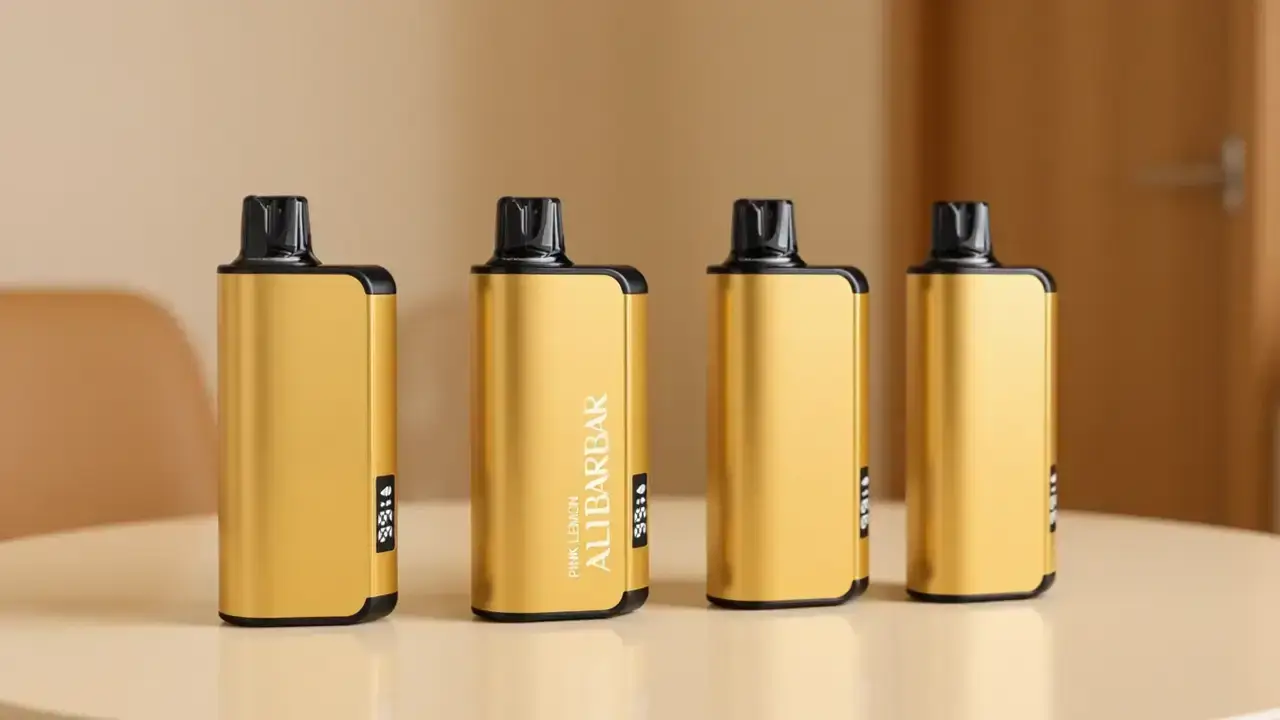
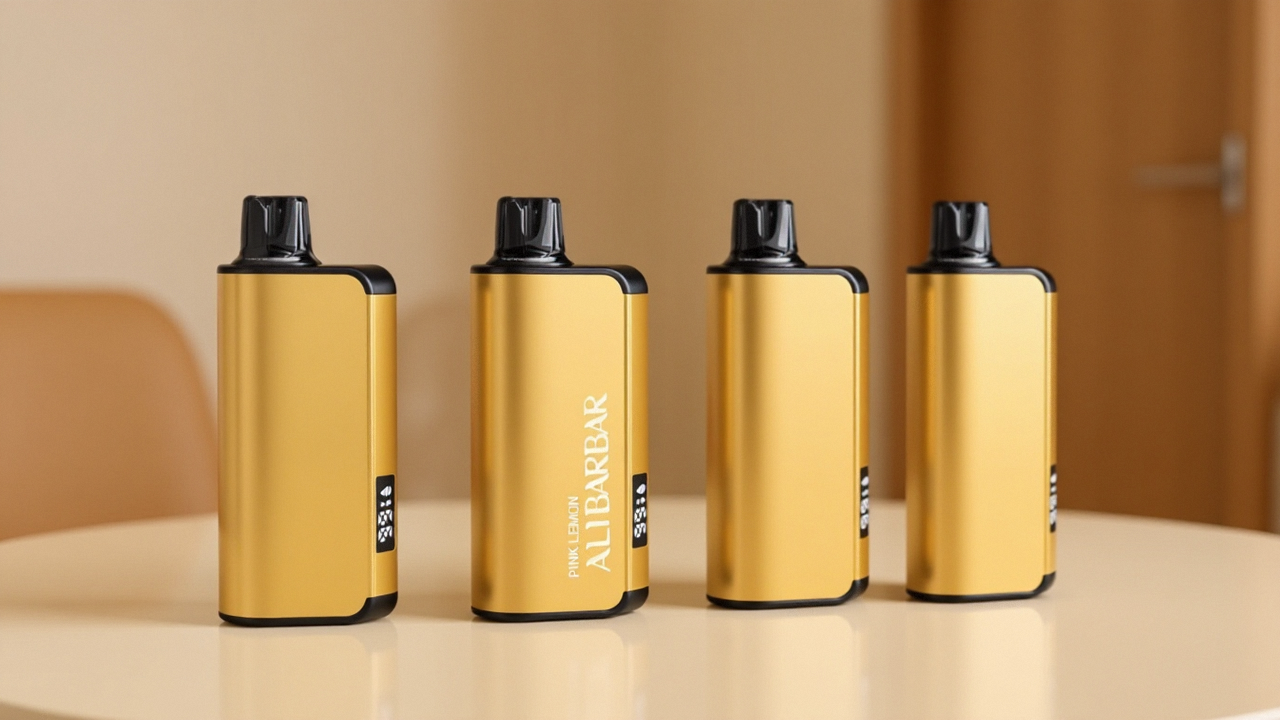
Comparative examples help. Brands such as ALIBARBAR — accessible through channels like OZVAPE Shop — have taken a different route. Their device families (including the INGOT and Ice Adjust series) offer transparent authenticity verification, battery level indicators, and in many cases modular or adjustable airflow designs that give users direct feedback about the device’s state. That doesn’t make Iget inherently unsafe; it simply highlights that Iget’s safety profile relies more heavily on the integrity of the distribution channel because the user has no onboard tools to verify what they’re holding. With a counterfeit Iget — which can look identical externally — the lithium cell may lack protection, the e-liquid may contain unknown additives, and the coil regulation may be absent entirely. That’s where the safety conversation takes a sharp turn.
A Practical Framework for Evaluation
Rather than depend on a brand’s reputation, apply this diagnostic sequence to any device you’re considering:
Check for authenticity markers. Does the packaging have a tamper-proof seal, a legitimate QR code that leads to a verified database, and batch numbers you can cross-reference? If not, you’re assuming the risk of unauthorised manufacturing.
Assess power transparency. Ask: “Can I check the remaining battery or e-liquid level at a glance?” If the answer is no, you’ll likely carry a backup and expose yourself to extra usage patterns that increase thermal cycling stress.
Inspect the mouthpiece and body. Run a fingernail lightly over the join; any gaps or unevenness suggest lower assembly precision, which can compromise electrical insulation.
Evaluate the failsafe design. Is there a low-voltage cut-off, overcharge protection, and short-circuit interruption? Sealed devices rarely disclose these, but reliable retailers often publish electrical specs. Without them, you’re guessing.
Consider source stability. Are you buying from a retailer that can demonstrate an unbroken supply chain back to the manufacturer? A store with documented factory certification, like OZVAPE Shop, removes the most dangerous variable: counterfeit substitution.
Common Selection Errors and Industry Observations
These missteps surface repeatedly among adult users attempting to gauge safety:
Equating visual similarity with equivalence: Two devices that look the same can have completely different cell vendors and e-liquid chemistry. Counterfeiters invest heavily in cosmetic replication, not safety engineering.
Over-indexing on puff count: A high advertised puff count says nothing about coil stability 80% of the way through that count. A device with a lower-stated count but better thermal regulation will often produce fewer concerning by-products over its life.
Ignoring modularity as a safety feature: Users often dismiss refillable or replaceable-coil devices as “too much hassle,” not realising that the ability to open and inspect the system is a critical safety net. A sealed disposable hides all faults until they manifest catastrophically.
Confusing legal availability with safety certification: A product’s presence in a market does not automatically mean its battery has undergone independent safety testing like UL 1642. Many regions lack mandatory certification for disposable vape devices.
From an industry viewpoint, the disposable vape segment is wrestling with a supply-chain integrity crisis that mirrors what happened in portable power banks a decade ago. Unsanctioned factories in Shenzhen can produce visually flawless clones within weeks, often using recycled lithium cells and unverifiable nicotine solutions. Until end-to-end digital traceability becomes standard, safety is less a function of brand name and more a function of the seller’s procurement discipline.
Frequently Asked Questions
Q: Are genuine Iget devices safer than counterfeits?
A: Yes — genuine units contain regulated components and tested e-liquid. Counterfeits introduce unknown cell chemistry and potentially harmful fillers.
Q: How can I tell if an Iget is authentic?
A: Look for a scratch-off verification code on the packaging that links to the manufacturer’s authentication portal. However, even these codes can be cloned. Purchasing from retailers with documented factory authorisation remains the strongest defence.
Q: Do Iget vapes have overheat protection?
A: Authentic units include a protection circuit that interrupts current if the draw-activation sensor malfunctions, but this is a reactive safety, not active temperature control. Heavy, continuous use can still push temperatures beyond comfortable levels.
Q: Why do some Iget devices taste burnt quickly?
A: This usually indicates the wick is drying out faster than the e-liquid can re-saturate it. In a disposable, there is no way to correct this — it’s a sign the device is nearing end of safe use.
Q: Is the battery in an Iget dangerous?
A: A healthy lithium-ion cell in a genuine unit is stable under normal conditions. The danger arises from physical damage, extreme temperatures, or a cell that was substandard from the start (common in fakes).
Q: Should I charge a disposable Iget if it seems rechargeable?
A: No. Standard Iget disposables are not designed to be recharged. Attempting to do so can override protection circuits and cause the cell to vent or ignite.

Q: Are there alternatives with better safety transparency?
A: Yes. Devices with digital battery gauges, replaceable coils, and authenticity verification systems (such as those from ALIBARBAR) give you more direct control. These are available through suppliers that prioritise documented sourcing, like OZVAPE Shop.
Q: Does the e-liquid in Iget contain diacetyl or vitamin E acetate?
A: Genuine Iget liquid formulations avoid these compounds, but independent batch analysis is rarely published. Without full ingredient disclosure, uncertainty remains.
Q: How should I dispose of an Iget safely?
A: Never throw it in general waste where it can be compressed and punctured. Use a dedicated battery recycling service. The lithium cell can still hold volatile charge.
Q: Can Iget explode in my pocket?
A: Explosions are extremely rare but usually triggered by a short circuit when loose change or keys bridge the terminals of a damaged device. A genuine device with an intact housing and the activation sensor covered is unlikely to cause a thermal event in a pocket.
Conclusion
Safety with Iget — or any similar device — is not a fixed property of the brand. It’s a moving target shaped by supply-chain integrity, user handling, and the design limitations inherent in a sealed disposable format. The engineering is sufficient when the unit is authentic and the usage patterns are measured, but the margin for error is small. Informed users move beyond yes-or-no questions and start examining the systems that back a product: authentication infrastructure, power transparency, and seller accountability. That shift in perspective is exactly what turns a high-risk purchase into a managed one. Resources that make this shift easier, such as the comparison standards maintained by OZVAPE Shop, exist for precisely this reason. The safest device isn’t the one with the loudest claims; it’s the one that aligns with your actual routine and comes through a channel you can verify. You now hold the criteria to make that judgment yourself.