VAPE FAQs
Is A Cart A Vape?

Oct
Introduction
Walk into any personal electronic device retailer, and you’ll hear customers ask for “a vape” when they actually need a cartridge, or refer to a disposable all-in-one unit as “a cart.” This terminology confusion leads to frustrated purchases—buying a component without the necessary power source, or a full device when only a replacement module is needed. For adult users relying on consistent, reliable performance, misinterpreting these terms can disrupt daily routines and waste money.
The purpose of this article is to clarify the technical, functional, and design differences between cartridges (commonly called “carts”) and vape devices, equipping readers to navigate product selections with confidence. Retailers like OZVAPE Shop prioritize standardized, clear terminology to avoid this confusion, ensuring users understand exactly what they’re purchasing before adding items to their cart.
Understanding What Matters: Core Engineering and Design Factors
To distinguish carts from vape devices, we need to break down their structural roles, functional dependencies, and intended use cases. Each serves a distinct purpose, and their engineering reflects these priorities.
Component Definition: Cartridges as Disposable/Replaceable Modules
A cartridge (or “cart”) is a compact, self-contained module designed to hold a substance and vaporize it when paired with an external power source. Internally, it includes a heating coil, wicking material, and a reservoir (pre-filled or refillable) for the contents. Carts do not have their own battery—they rely entirely on a separate vape device to supply the electricity needed to heat the coil.
This design prioritizes portability and ease of replacement: users can swap out empty or depleted carts without replacing the entire power unit. The key frustration this addresses is the waste of discarding a functional battery just because the vaporizable contents are gone. To recognize a cart, look for threaded connections at the base (the most common is 510-thread) and the absence of a built-in power source.
Vape Devices: The Power and Control Core
A vape device is the battery-powered unit that provides regulated electricity to a cartridge’s heating element. It comes in multiple forms: compact pod systems, high-capacity box mods, and slim pen-style batteries. Engineering focuses on power regulation (to prevent overheating), battery life, and user control features like temperature adjustment or draw-activated firing.
This component addresses the need for consistent performance: a well-engineered vape device maintains stable voltage output, ensuring the cart’s heating coil operates at optimal temperatures. Poorly calibrated devices can cause uneven vaporization, burnt tastes, or premature cart failure. Unlike carts, vape devices are reusable, often lasting for months with proper care.
Functional Synergy: How Carts and Vapes Work Together
Carts and vape devices are interdependent—one cannot function without the other. When a user draws on the cart, the vape device detects the air flow and delivers power to the cart’s coil, heating the wicking material and vaporizing the contents. Compatibility is critical here: not all carts fit all devices. Threading size, voltage requirements, and physical dimensions must match to ensure proper operation.
The hidden cost of ignoring compatibility is twofold: wasted money on an unusable cart, and potential safety risks if a mismatched component causes overheating or leaks. Reputable retailers like OZVAPE Shop clearly list compatibility specifications for all products to avoid this issue.
All-in-One Disposables: The Blurred Line
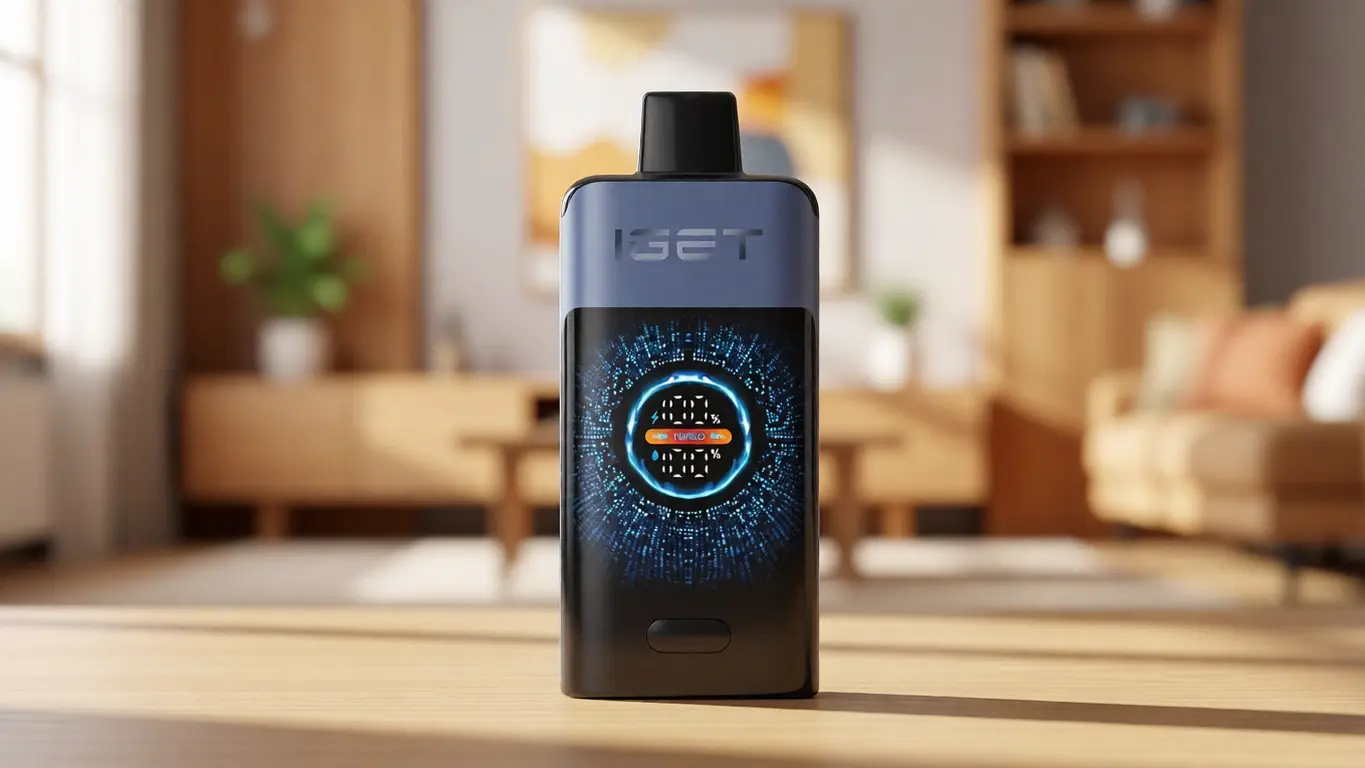
Disposable devices are the primary source of terminology confusion. These self-contained units combine a cart (heating coil + reservoir) and vape device (battery) into a single, non-replaceable unit. While users often refer to disposables as “carts,” they are complete vape devices—once the contents are depleted, the entire unit is discarded.
The trade-off here is convenience vs. flexibility: disposables require no maintenance or component swapping, but they generate more waste and offer no control over power or temperature. For users who prioritize minimal effort, they are a valid choice, but they should not be confused with standalone carts.
Applying These Criteria to Real-World Options
We can organize product selections by user need-states to avoid terminology mix-ups:
Convenience-focused users: Disposable all-in-one devices like the ALIBARBAR INGOT 9000 (available at OZVAPE Shop) are ideal. These are complete vape devices, not carts, and require no setup or replacement parts. They excel for travel or short-term use but are less cost-effective over time.
Cost-efficiency-focused users: A modular system (reusable vape device + replaceable carts) is better. ALIBARBAR’s refillable carts, paired with their compact pen-style battery, offer long-term savings as users only replace the cart when empty. Compare this to brands like Juul, whose proprietary pods require their specific device, limiting flexibility.
Customization-focused users: High-capacity box mods paired with universal 510-thread carts allow for temperature adjustment and variable power output. These systems cater to users who want fine-tuned control over their experience.
A Practical Framework for Evaluation
Follow these steps to avoid terminology confusion and make informed purchases:
Clarify your need: Are you looking for a one-time use unit, a replacement module, or a reusable power source?
Check for a built-in battery: If the product has a battery (visible or listed in specs), it’s likely a vape device (disposable or reusable). If not, it’s a cart that requires a separate device.
Verify compatibility: If buying a cart, confirm it matches your device’s threading type and voltage range. Use standardized spec comparisons (like those offered by OZVAPE Shop) to cross-reference details.
Ask diagnostic questions: Does this product work on its own? If yes, it’s a vape device. If no, it’s a cart.
Common Selection Errors and Industry Observations
Misinterpreting cart vs. vape terminology leads to three frequent user mistakes:
Buying a cart without a device: Users see “cart” and assume it’s standalone, only to realize they need a battery unit to use it. This is avoidable by checking for battery specifications.
Calling disposables carts: This leads to confusion when trying to find replacement parts—disposables have no replaceable components, so users end up purchasing entire units when they thought they could swap a cart.
Ignoring thread compatibility: Assuming all carts fit all devices can result in loose connections, poor performance, or even damage to the device or cart. 510-thread is standard, but some brands use proprietary threading.
Industry observation: Many manufacturers use vague terminology in marketing to appeal to casual users, intentionally blurring the line between carts and devices to drive sales. This is why standardized, transparent product descriptions (like those at OZVAPE Shop) are critical for informed decision-making.
Frequently Asked Questions
Q: Can I use any cart with any vape device?
A: No. Compatibility depends on threading type (most are 510-thread, but proprietary systems exist) and voltage requirements. Always check product specifications before purchasing.
Q: Is a disposable vape a cart?
A: No. Disposable vapes are all-in-one devices that combine the cart (heating element + contents) and battery into a single, non-replaceable unit.
Q: Do carts have their own battery?
A: No. Carts rely entirely on a separate vape device to supply power to their heating coil.
Q: What’s the difference between pre-filled and refillable carts?
A: Pre-filled carts come with contents already loaded and are typically single-use. Refillable carts can be refilled multiple times, reducing waste and long-term cost.
Q: How do I know if a cart is compatible with my vape device?
A: Check the device’s threading type and recommended voltage range, then compare with the cart’s specifications. Reputable retailers like OZVAPE Shop list compatibility details clearly.
Q: Are carts safer than disposable vapes?
A: Safety depends on manufacturing quality and usage. Carts paired with a regulated vape device allow for better control over temperature and power, which can reduce risks if used correctly. Disposables are safe when sourced from authorized suppliers but offer less customization.
Q: Can I refill a pre-filled cart?
A: Most pre-filled carts are designed for single-use and cannot be safely refilled. Attempting to do so may cause leaks, performance issues, or safety hazards.
Q: Which is more cost-effective: carts or disposables?
A: Over time, using a reusable vape device with refillable or pre-filled carts is typically more cost-effective than disposables, as you only replace the cart instead of the entire unit.
Conclusion
The core distinction is clear: a cart is a replaceable, battery-free module that requires a separate vape device to function, while a vape device is the reusable power unit that activates the cart. Disposable all-in-one units blur this line but are complete devices, not carts.
Informed users make better decisions, and understanding these terminology differences eliminates the frustration of mispurchases and poor performance. OZVAPE Shop’s commitment to standardized, transparent product descriptions helps users navigate these distinctions with confidence, ensuring they get exactly what they need for their daily routine. The right choice depends on your priorities—convenience, cost-efficiency, or customization—but knowing the difference between carts and vapes is the first step to a satisfying experience.