
VAPE FAQs
How To Vape Through Nose?
Aug
Understanding Nasal Exhalation in Vaping
The question surfaces in forums, in conversation, and in the quiet moments of curiosity: can you vape through your nose, and if so, why would anyone do it? It’s not an idle thought. Many adult users discover that the most satisfying flavour experience sometimes arrives not through the mouth, but through a slow, controlled release via the nostrils. Yet the practice remains surrounded by uncertainty — about technique, about safety, about whether certain devices handle it better than others. At OZVAPE Shop, we see it as our role to provide answers that are clear, factual, and grounded in observable mechanics, never in guesswork. This article will walk you through what nasal exhalation actually involves, why some vapers adopt it, what risks merit attention, and how device design influences the entire experience.
Why Vapers Experiment with Nose Exhales
Retrohaling — the act of drawing vapour into the mouth and then pushing it out through the nasal passages — isn’t new. It migrated from traditional practices into the vaping community as users sought richer sensory feedback. The nose is packed with olfactory receptors that the mouth simply cannot access. When vapour passes across those receptors, it can reveal layers of flavour that a standard mouth exhale obscures. That’s the primary appeal: a fuller, more nuanced taste profile from the same liquid.
There may also be a secondary factor tied to absorption. The nasal mucosa is thin and well‑vascularised, which means certain compounds can enter the bloodstream more directly than through the oral route. While the evidence base is thinner than many users assume, it’s reasonable to suspect that a portion of the aerosol’s active components — whatever they may be — takes a faster path. Still, anyone pursuing this method should do so with a clear understanding of the nasal cavity’s vulnerability.
How to Vape Through the Nose Safely: A Practical Sequence
Adopting the technique is straightforward, but small errors can make the experience harsh or provoke irritation. After drawing vapour into the mouth (a mouth‑to‑lung or direct‑lung pull works, though tighter draws often offer more control), the user closes off the throat as if preparing to swallow, then gently opens the soft palate while exhaling through the nose. The goal is a slow, steady stream — not a forceful blast. The first few attempts may feel unnatural, and the vapour can sting if the device runs hot or the liquid contains high concentrations of certain ingredients.

Follow these steps to minimise discomfort:
Start with a small, low‑power draw – reduce the volume of vapour your nasal passages must process at once.
Keep your head slightly tilted forward – this prevents condensed droplets from running back into the throat.
Exhale slowly and evenly – a rapid, turbulent jet irritates delicate tissue far more than a gentle plume.
Hydrate beforehand – dry nasal membranes are more reactive; a drink of water five minutes prior can make a noticeable difference.
Stop if you feel burning or sharp discomfort – the nasal lining heals relatively quickly, but repeated insult can lead to persistent problems.
Device Characteristics That Matter
Not all hardware is equally suited to this style of use. The same engineering details that influence everyday satisfaction become amplified when vapour enters a sensitive environment like the nasal cavity. Temperature control, output consistency, and material purity all play a role. A device that spikes in wattage mid‑draw or that introduces residual manufacturing oils into the airflow will turn a pleasant experiment into an immediately regrettable one.
The ALIBARBAR range, for example, is built around precisely these considerations. The integrated circuit design inside their units regulates power delivery to the heating element within tight tolerances, keeping vapour temperature predictable and free of the scorched notes that trigger nasal irritation. The materials — medical‑grade stainless steel for heating chambers, food‑safe polymers for mouth‑pieces — mean fewer off‑gassed compounds to inflame sensitive mucosa. While any well‑engineered device can support nasal exhalation, those with documented quality controls and transparent sourcing remove a layer of guesswork.
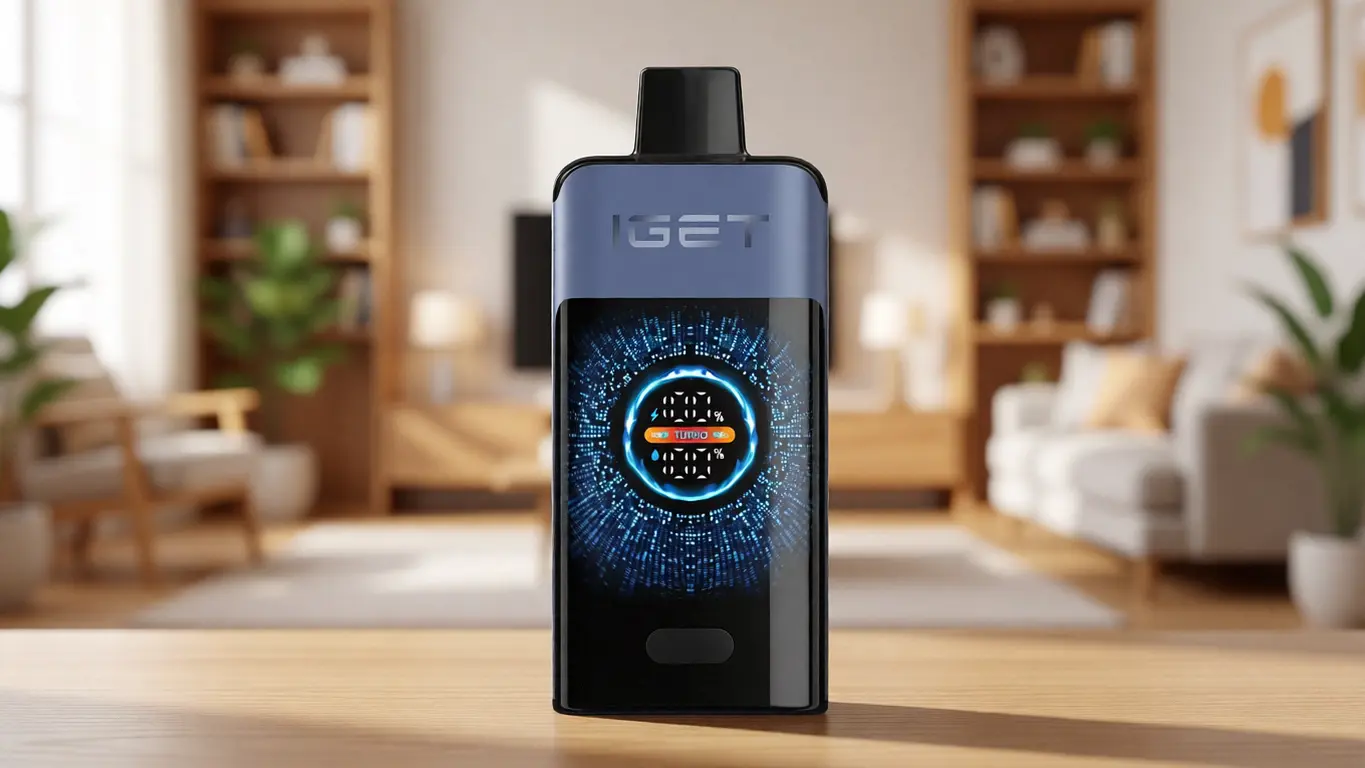
For users who prefer compact, pre‑configured units, a model like the ALIBARBAR INGOT 9000 provides a smooth, medium‑temperature output that many find comfortable when retrohaling. Those who demand a cooler, more adjustable experience often gravitate toward devices with variable airflow or temperature settings. The common thread is predictability: you want to know exactly what you’re inhaling and how it will behave.
Understanding the Limits and Potential Downsides
The nasal cavity evolved to filter, warm, and humidify incoming air — not to process aerosolised droplets repeatedly. Even with a high‑quality device, frequent retrohaling can lead to:
Dryness and crusting – the humectants in typical e‑liquid (vegetable glycerin and propylene glycol) pull moisture from surfaces. Nasal membranes are particularly susceptible.
Mild inflammation – the tissue may react with swelling or increased mucus production as a defensive response.
Olfactory fatigue – just as the tongue can become desensitised, the nose can temporarily lose its ability to detect subtle flavour notes if over‑exposed.
Irritation from nicotine – nicotine is a vasoconstrictor and can sting the thin skin inside the nostrils, especially at concentrations above 20 mg/mL.
These effects are usually transient and resolve once the practise is paused. However, anyone with pre‑existing rhinitis, sinusitis, or a history of nosebleeds should consult a healthcare professional before trying nasal exhalation, or simply avoid it. The technique is not essential; it is an optional method for taste exploration.
A Framework for Self‑Evaluation
Before making nasal exhalation a regular part of your routine, run through a quick diagnostic checklist:
Does the vapour feel smooth on the throat? If the throat hit is rough, the nose will amplify that harshness.
Can you distinguish subtle flavour notes on a normal exhale? If you can’t, the liquid itself may lack complexity, and retrohaling won’t magically create it.
Does your device maintain consistent performance over time? Power fluctuations that are tolerable orally can become nasal irritants.
How does your nose feel afterwards? Any lingering discomfort is a clear signal to reduce frequency or reevaluate the liquid formulation.
Common Mistakes and Misconceptions
Assuming all e‑liquids are equally suited. Liquids with high levels of citrus, menthol, or certain spice notes may feel pleasant orally but can cause intense nasal stinging. Try a neutral or cream‑based liquid first to gauge sensitivity.
Ignoring device hygiene. A clean mouthpiece and airflow channel matter doubly when the vapour bypasses the mouth’s natural buffering capacity. Residue from previous sessions, dust, or microbial growth can trigger immediate nasal reactions.
Overlooking the role of draw technique. Many users pull too hard, creating a turbulent stream that hits the turbinates at high speed. A slow, almost lazy draw followed by a passive exhale often yields the best flavour and least irritation.
Expecting the same experience from every device. A high‑powered sub‑ohm setup producing dense clouds will behave very differently than a modest, low‑output pod system. If nasal comfort is the priority, start with lower power and less vapour volume.
Frequently Asked Questions
Q: Is vaping through the nose dangerous?
A: For most healthy adults, occasional retrohaling is unlikely to cause lasting harm. The risks centre on irritation, dryness, and potential damage to delicate tissues if the vapour is too hot or frequent. Anyone with nasal or sinus conditions should exercise caution.
Q: Can I absorb nicotine faster through the nose?
A: Possibly, because the nasal mucosa offers a direct pathway to the bloodstream. However, the rate and efficiency vary widely between individuals and depend on aerosol particle size, nicotine concentration, and contact time. There is no reliable data to quantify it.
Q: Do I need a special device for nose exhales?
A: No. Any functional vapour device can be used. That said, devices with precise temperature control and known material safety profiles reduce the chance of irritation.
Q: Why does my nose burn when I exhale vapour through it?
A: Several factors can contribute: high nicotine concentration, certain flavour compounds, overly hot vapour, or simply sensitive nasal tissue. Lowering the power, switching liquids, or shortening the session usually resolves it.
Q: Can retrohaling help me taste more flavour notes?
A: Yes, that’s the primary reason users adopt it. The olfactory system is highly sensitive, and vapour passing through the nose activates receptors that the mouth alone cannot reach.
Q: How often is too often?
A: There is no universal threshold. Pay attention to how your nose feels: any persistent dryness, swelling, or discomfort suggests you’ve crossed your personal limit.
Q: Should I clean my device differently if I vape through my nose?
A: Regular cleaning remains essential — wipe the mouthpiece daily and deep‑clean weekly. If you frequently retrohale, consider sanitising the mouthpiece more often to minimise bacterial transfer.
Q: Is it possible to damage my sense of smell?
A: Temporary olfactory dulling is common with overuse, but permanent damage is unlikely from vapour alone. If you notice a lasting loss of smell, discontinue the practice and consult a clinician.
The Role of a Trusted Source
Knowledge alone, however, cannot compensate for unreliable equipment. When a user commits to a technique that stresses sensitive anatomy, the quality of the device ceases to be an abstract preference and becomes a direct health consideration. That’s where a supplier’s sourcing standards matter. OZVAPE Shop stocks only factory‑certified inventory, backed by chain‑of‑custody documentation that rules out counterfeits and substandard components. For adult users exploring methods like nasal exhalation, that assurance means every draw is as consistent and contaminant‑free as the engineering intended.
The decision to vape through the nose is a personal one, shaped by curiosity, flavour appreciation, and individual tolerance. The right device — chosen with care, used with awareness — can make the practice an occasional source of deeper tasting notes rather than a source of regret.