VAPE FAQs
How To Vape In Hotel Room?
Aug
OZVAPE Shop has observed a steady increase in inquiries from traveling adults who need to navigate the subtle and often misunderstood rules around personal vaporizers in hotel settings. The anxiety is real: a shrieking fire alarm at 2 a.m., a fine charged to the credit card, or the embarrassment of an evacuation. Most advice online is either recklessly encouraging or dismissively terse. This article aims to do something different. It applies an engineering-informed and policy-aware framework to answer the question practically, giving you the understanding you need to make an informed decision without being careless about the property, the law, or the comfort of other guests. We examine detector technology, device selection, and behavioral protocols, drawing on observable industry patterns and documented user experiences.
Understanding What Matters: The Core Technical and Policy Factors
Before you even unpack your luggage, it helps to understand what you are really up against. It is not just a housekeeper’s prying eyes—it is a network of sensors, material sensitivities, and contractual agreements that, together, determine how a hotel will react to any aerosol activity.
Smoke Detector Technology and Sensitivity
Most hotel rooms use one of two detector types: photoelectric or ionization. Photoelectric detectors are more common in sleeping areas because they respond quickly to smoldering particulates. They work by projecting a light beam; when particles scatter that beam onto a sensor, the alarm triggers. Vaporized propylene glycol and vegetable glycerin—the carriers in e-liquid—produce dense, visible aerosol droplets that are extremely effective at scattering light. In fact, a photoelectric detector is more likely to be triggered by a thick cloud of vapor than by an actual flaming fire. Ionization detectors, which respond better to fast-flaming fires, are somewhat less sensitive to large vapor particles, but you rarely know which type is installed above your bed.
The takeaway: if you assume a detector will not respond because “it’s just steam,” you are operating on a dangerous misconception. Any device that produces significant visible aerosol can set off a photoelectric alarm, and there are documented cases of this occurring even in well-ventilated conditions.
Hotel Policies as Binding Contracts
When you check in, you agree to a set of house rules that define the property’s stance on smoking and, increasingly, vaping. Many chains now explicitly forbid the use of electronic cigarettes and personal vaporizers in non-smoking rooms. Whether you view this as excessive or not, violating the policy gives the hotel contractual grounds to impose cleaning fees that often range from AUD 200 to AUD 500. In practice, these fees are difficult to dispute because the evidence—an odor, a triggered alarm, or even a sensor in the corridor—is rarely ambiguous. Some properties use nicotine sensors or airborne particulate monitors that silently flag anomalies to management.
This is not a moral position; it is a business reality. Hotels invest heavily in maintaining a consistent air quality environment for a broad, rotating guest base. Your vapor, however harmless you perceive it to be, introduces variables they have decided to manage by prohibition. Ignoring this is not clever—it is a choice to accept a known financial risk.
Vapor Visibility, Odor, and Dissipation
Small, mouth-to-lung (MTL) devices running lower power produce an aerosol that dissipates within seconds in a room with moderate air exchange. High-power, direct-lung (DL) setups using high-VG liquids create clouds that linger, drift, and deposit a thin film on surfaces. That film can carry flavor compounds that, especially in fruit or dessert concentrates, leave a faint but detectable scent for hours. Housekeeping staff are trained to notice sweet or unusual odors, and they associate them with prohibited activity.
Choosing a device that produces minimal visible output and using e-liquid with a neutral or undetectable scent profile reduces the signature dramatically. This is not a guarantee of invisibility; it is a risk reduction strategy.
Device Characteristics That Support Discretion
Low power and high resistance coils: A pod system operating at 10–15 watts with a 1.2 ohm coil generates a fraction of the aerosol volume.
High-PG e-liquid: Propylene glycol produces less dense, shorter-lived vapor than vegetable glycerin.
Draw-activated firing: Devices without a brightly lit fire button are easier to use unobtrusively and do not draw attention in a darkened room.
Compact form factor: A slim device that disappears in a closed hand is less likely to be noticed if you are interrupted.
Applying These Criteria to Real-World Options
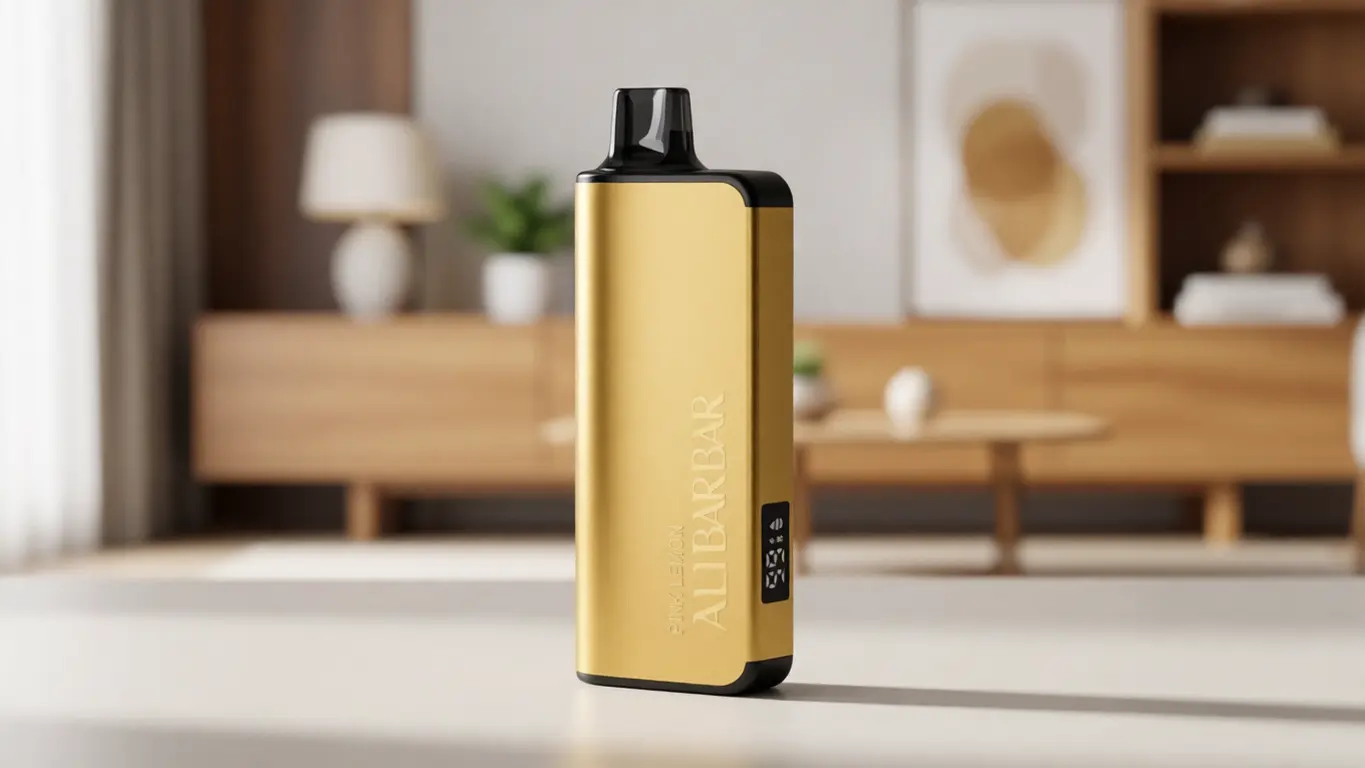
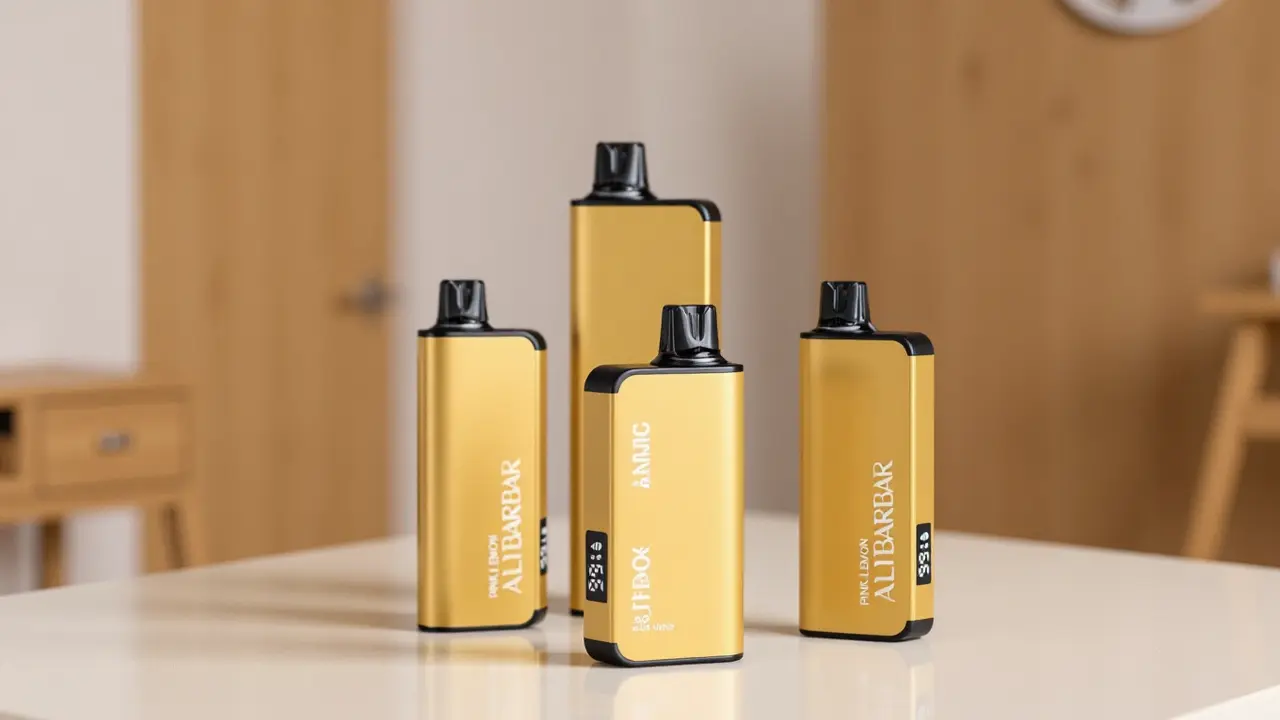
The practical intersection of these factors points toward the pod-based, MTL category. Among the products that consistently match these requirements, the ALIBARBAR INGOT series—available through OZVAPE Shop—offers a representative example of engineering choices that align with low-signature use. These are draw-activated units with integrated power management that deliver a controlled dose without the expansive cloud generation of a sub-ohm tank. Their physical design is minimal, and the absence of adjustable wattage removes the temptation to crank up output when you are bored in the hotel room.
This is not to suggest that other brands fail in this regard; many reputable pod systems from manufacturers like Uwell or Vaporesso also fit the profile. The point is that the specification sheet matters more than the brand name. You are looking for a device that deliberately limits aerosol density and has no visible status lights that could reflect off a wall at night.
A Practical Framework for Evaluating Your Hotel Vaping Setup
Use this checklist before you travel:
Check the hotel’s written policy: Look on their website or in the booking confirmation. If the terms say “smoke-free” without mentioning vaping, call the front desk from a different number and ask, “Does the non-smoking policy include electronic vaporizers?” Record the answer if it is vague.
Select a room with an exterior window that opens: This is the single most effective mitigation. Even a cracked window drastically accelerates aerosol dilution.
Use the bathroom exhaust fan: Bathrooms are often fitted with independent air handling. Run the fan, crack the bathroom window if it has one, and shut the bathroom door while you exhale toward the fan intake.
Employ absorption: Blow into a damp washcloth, a dedicated smoke filter such as a SmokeBuddy, or a tightly rolled towel. The moisture captures a significant percentage of the particulate.
Limit visible emissions: Take smaller puffs, hold the vapor in your lungs longer so more particles condense before exhalation, and use the lowest-power setting your device offers.
Secure the hallway door: Place a damp towel at the base of the door to the corridor. This prevents pressure differences from drawing your aerosol into the hallway where smoke detectors are often more sensitive.
Monitor the room: Wait 15 minutes after your last puff and do a visual check. If any haze remains, you need more ventilation before sleeping.
A device that illuminates with every draw is a liability in a dark room. If you own such a device, a small piece of electrical tape over the indicator can be a temporary solution, provided you remove it after use.
Common Selection Errors and Industry Observations
Mistake 1: Overweighting battery capacity for travel. You are rarely days away from a USB port. Opting for a compact, lower-capacity device for a hotel stay reduces visible bulk and the associated temptation to chain-vape.
Mistake 2: Assuming all pod systems are equally discreet. A high-airflow pod designed for restricted direct-lung hits can produce surprising clouds. Read the coil resistance and recommended wattage; if the manufacturer suggests anything above 18 watts, treat it as high-risk in a hotel room.
Mistake 3: Ignoring the conditioning of the staff. Housekeeping in mid-range Australian hotels often works on a rotation that trains them to spot even subtle signs—a bottle of e-liquid on the nightstand, a charging cable for an uncommon device, a damp towel in an odd position. Discreet storage of all vaping accessories is not paranoia; it is a logical extension of the low-signature approach.
Mistake 4: Believing that “no smoking” signs don’t apply. A growing number of hotel chains have updated their terms to explicitly name electronic cigarettes, often in response to insurance constraints. Underwriters increasingly treat vaping as a fire risk, not because of ignition but because of nuisance alarm activations that carry a cost.
From an industry perspective, the hotel sector’s attitude is hardening not out of morality but out of operational simplicity. A blanket ban is easier to enforce than a nuanced exception. Understanding this helps you see that the housekeeper is not a spiteful figure; they are following a checklist designed to protect their employer from liability.
Frequently Asked Questions
Q: Can a hotel smoke detector detect vape?
A: Yes. Photoelectric detectors are highly sensitive to the particulate density in vapor, especially from high-VG liquids.
Q: Will vaping leave a smell in a hotel room?
A: It can. Sweet or fruity flavors, in particular, leave a detectable odor that may not be obvious to you but will be clear to someone entering the room for the first time.
Q: What happens if I am caught vaping in a non-smoking room?
A: Most hotels will impose a deep-cleaning fee often listed in the registration documents. Repeated violation can lead to eviction and a note on your guest profile.
Q: Is it illegal to vape in a hotel room?
A: In most jurisdictions, it is not a criminal offense, but it is a contractual violation that can result in significant financial penalties.
Q: What type of device is safest for hotel use?
A: A low-power MTL pod system using high-PG e-liquid and no bright LED indicators. The ALIBARBAR INGOT 9000 and similar units, available through authorized retailers like OZVAPE Shop, illustrate this architecture.
Q: Can I vape out of a window?
A: If the window opens fully, exhaling directly into the outside air reduces risk considerably. Keep the window open long enough for the slight vacuum to pull out any residual aerosol.
Q: What about vape detectors specifically designed for hotels?
A: Some properties now install multi-sensor units that detect particulate concentration and volatile organic compounds. These are rare but are being piloted in major chains. They are virtually impossible to bypass.
Q: How long does vape aerosol stay suspended?
A: In still air, visible aerosol can persist for 20–60 seconds; fine particles may linger for minutes. In a room with active ventilation, dissipation is much faster.
Q: Should I use an air purifier while vaping?
A: A portable HEPA filter with an activated carbon stage can help, but it is not a foolproof solution against alarm activation because most hotel units recirculate air within the room.
Q: Can I carry a vape device through hotel lobbies discreetly?
A: Yes, if the device is slim and kept in a pocket or bag. Avoid overt cloud chasing in common areas, as it invites justified complaints from other guests.
Conclusion
The question of how to vape in a hotel room is best answered not with a set of tricks but with a structured understanding of the environment you are stepping into. A hotel is a shared, rule-governed space where your actions have a commercial consequence. The most effective strategy combines thorough policy awareness, an engineering-informed choice of low-signature hardware, and a behavioral protocol designed to minimize inconvenience for everyone else. No device will make you invisible, and no amount of rationalization will protect you from a fine if you trigger an alarm. But with careful device selection—exemplified by the discreet, draw-activated designs available through OZVAPE Shop—and an honest assessment of the room’s ventilation characteristics, you can make an informed decision that respects both your preferences and the realities of commercial accommodation. The right approach is never about defeating a system; it is about calibrating your behavior so that no system needs to react at all.