
VAPE FAQs
How To Throw Away A Vape?
Jul
Proper disposal of a spent personal electronic device—whether it’s a compact, single-use unit or a rechargeable system you’ve relied on for months—requires more attention than many people realise. Lithium‑ion cells, residual materials, and local waste regulations create a picture that cannot be reduced to a single instruction. The frustration is real: you hold what looks like a small plastic cylinder with a metal core and no obvious recycling symbol, and the nearest public e‑waste bin is a mystery. OZVAPE Shop, a retailer that documents complete device specifications and advocates for lifetime accountability, can be a reference point for understanding what your specific unit demands, but the practical responsibility falls on you. This article provides a clear, technically grounded framework for evaluating disposal options—one that prioritises safety, environmental integrity, and compliance with Australian law.
Understand the Device First: Why Disposal Methods Are Not Universal
A device’s physical architecture determines its waste stream. Treating all personal electronic items the same way is the fastest route to a contamination problem or a battery fire at a materials recovery facility.
The Three Fundamental Device Classes
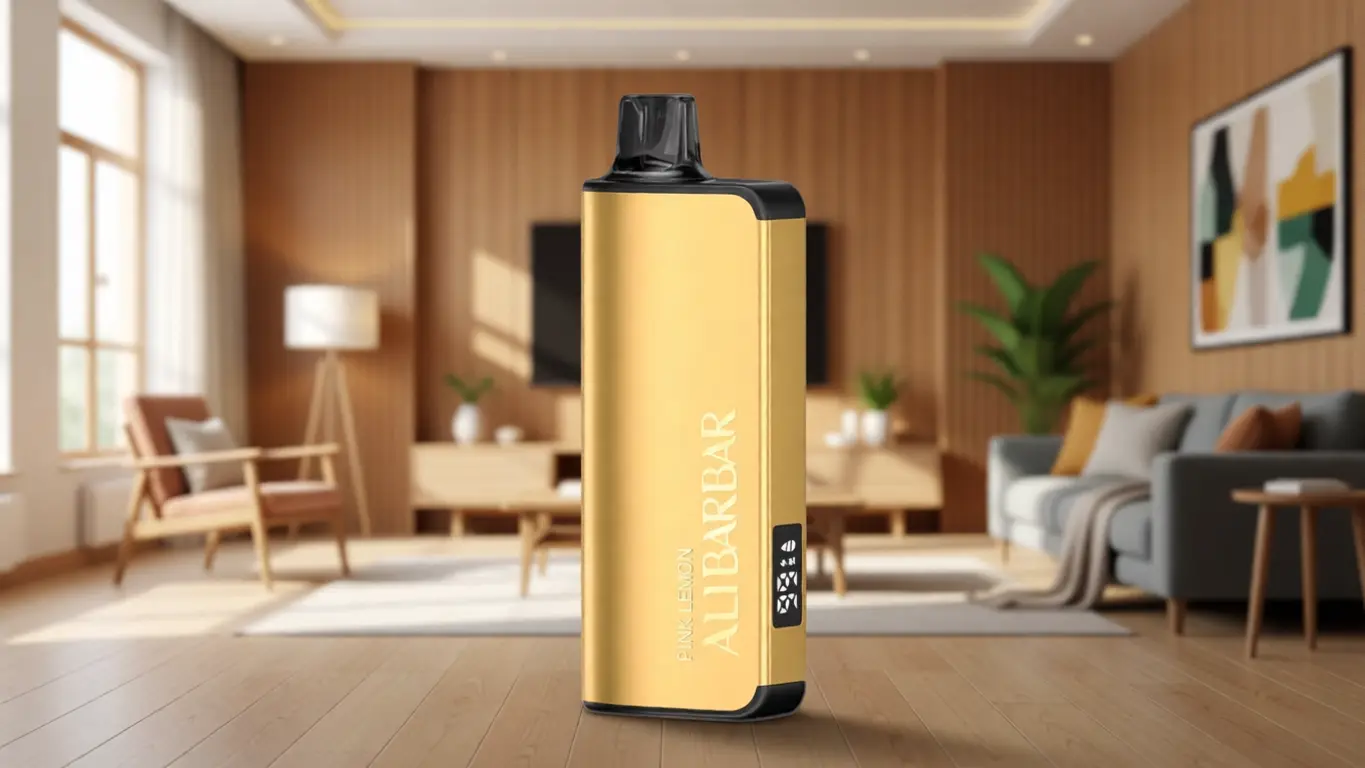
Pre‑configured sealed units (often called disposables): A fully integrated battery, heating element, and liquid reservoir with no user‑replaceable parts. The entire assembly becomes waste at end‑of‑life. Alibarbar’s Ingot 9000 and similar compact designs fall here. Their shells are typically aluminium alloy or polycarbonate, and the battery is soldered in place.
Rechargeable pod‑based systems: A removable pod containing the atomiser and liquid mated to a reusable battery section. The pod itself may be discarded, while the battery module is a separate electronic device with its own lifecycle. The separation of components creates two distinct disposal pathways.
Modular advanced systems: Removable, standard‑format cells (18650, 21700, etc.) housed in a chassis. Here the battery, the tank, and the control board can each be directed to the appropriate e‑waste processor. This class offers the greatest potential for material recovery.
Material Composition and Why It Matters
Even the simplest sealed unit contains four material categories that should not end up in landfill:
Lithium‑ion cells: Hazardous under most state frameworks; capable of thermal runaway when crushed or punctured.
Printed circuit boards: Solder, precious metals, and flame retardants regulated as e‑waste.
Remnant liquid: Not classified as acutely toxic waste, but still a contaminant best kept out of groundwater.
Mixed plastics and metals: Recyclable only if separated and processed correctly.
The Battery and Electronics: Hazards That Define the Process
Lithium‑ion batteries are classified as Class 9 dangerous goods during transport. In a household bin, a device that still holds a partial charge—or that develops an internal short after physical compression—can ignite. Waste collection trucks and sorting lines have experienced fires traced directly to improperly discarded electronic devices. This is not a hypothetical; industry reports document a steady increase in such incidents in parallel with the proliferation of compact sealed devices.
Safety protocol before disposal:
If the device is rechargeable, discharge it to roughly 20‑30% state of charge. A fully charged cell contains significantly more stored energy and presents greater risk if damaged.
Inspect the exterior. Never attempt to dismantle a sealed unit at home. Puncturing a lithium‑ion pouch cell releases flammable electrolyte and often triggers a violent reaction.
If the device shows swelling, hissing, or unusual heat, isolate it in a fire‑proof container (a metal bucket with sand, for example) and contact hazardous waste services.
The Regulatory Picture in Australia
Federal and state governments have brought e‑waste under product stewardship frameworks. The National Television and Computer Recycling Scheme does not directly cover personal electronic devices of this category, but the broader National Waste Policy now prompts states to ban e‑waste from landfill.
Victoria: E‑waste landfill ban effective since July 2019. All electronic items with a plug or battery must go to designated collection points.
New South Wales: No blanket landfill ban yet, but most councils enforce e‑waste separation at transfer stations.
Queensland, South Australia, Western Australia: Varying council‑level programs; all operate under the principle that lithium‑ion items must not enter kerbside waste.
The practical outcome: burying a device in your household bin is increasingly likely to breach local rules and can attract fines depending on the council.
A Step‑by‑Step Disposal Framework
Use this sequence to move from confusion to action. It asks structured questions that match your device to the required waste stream.
Identify the device class. Does it have a USB port? Is the battery sealed inside? If yes, proceed to step 2. If it uses removable standard cells, jump to step 4.
Is the battery still functioning? If the device is completely unresponsive or shows visible damage, it must be treated as damaged e‑waste. Contact your council for hazardous waste collection dates—do not place it in a retail drop‑off bin unless that bin explicitly accepts damaged batteries.
For working sealed units: Discharge to partial capacity, then store in a cool, dry location. Search for a local e‑waste drop point using the RecyclingNearYou site (run by Planet Ark) or your council’s waste directory. Many Officeworks and Battery World locations accept small lithium‑ion devices. Note that some retailers have quietly stopped accepting fully sealed units due to fire risk—call ahead.
For devices with removable batteries: Remove the cells and tape the positive terminals with clear electrical tape. This prevents accidental short‑circuits. The cells go to standard battery recycling bins. The remaining plastic and metal housing, now free of hazardous material, can often be recycled as general e‑waste but verify with the collection site.
Consider the pod or cartridge. If detachable, the pod still contains a small heating coil and residual liquid. Some manufacturers accept them back through mail‑in programs, but most Australian users will find that emptying the pod, rinsing it with water, and placing it in e‑waste (if it has metal contacts) is the most realistic path. If the pod is purely plastic with no electronics, it may be recyclable through soft plastics programs if thoroughly cleaned.
Document what you’ve done. Take a photo of the device and its serial number if visible. If a fire occurs at a processing facility, being able to prove you followed correct steps absolves you of liability and helps investigators.
Common Mistakes and Where Local Practices Fall Short
Adults who genuinely want to do the right thing can still end up creating problems. These are the patterns we observe in support conversations and waste‑industry data.
Throwing a sealed unit into general waste because “it’s small.” A single 500 mAh pouch cell is still capable of ignition. Multiplied across thousands of units, the risk compounds.
Stockpiling spent devices at home indefinitely. While better than landfill, storing dozens of partially charged lithium devices in a drawer increases the chance of an undetected internal failure. A cell that slowly self‑discharges to zero is not safer; over‑discharge can cause internal metallic dendrite growth that leads to an internal short when the next user tries to charge it (but here it remains dormant). Rotate devices out for disposal quarterly.
Assuming all e‑waste bins accept every device. A standard Aldi or IKEA battery bin is intended for loose cells, not for fully assembled sealed units. Dropping a complete disposable device into such a bin can cause a jam, a short, or a rejection of the entire bin’s contents at the sorting facility.
Relying on manufacturer take‑back claims without verification. Some international programs do not operate in Australia at the collection density needed. Always check locally.
Frequently Asked Questions
Q: Can I recycle a disposable vape in my kerbside yellow‑lid bin?
A: No. Kerbside recycling systems are not designed for electronic waste. Categorically, any device containing a battery must go to a dedicated e‑waste stream.
Q: Is it safe to cut open a disposable to remove the battery for recycling?
A: It is not recommended. The battery is usually bonded or soldered to internal wiring. Puncturing or cutting into a lithium‑ion cell creates a high risk of fire and toxic fume release. Only qualified recyclers should attempt disassembly of sealed units.
Q: What should I do if there is no e‑waste drop‑off within 50 kilometres?
A: Contact your local council’s waste management team. Some regional councils offer periodic mobile hazardous waste collection days. Alternatively, ask if a local mechanic, electronics shop, or fire station will accept small quantities for safe forwarding.
Q: Does the liquid left inside a pod or device require special handling?
A: It is not regulated as hazardous waste in typical quantities, but emptying it onto soil or into stormwater is irresponsible. Absorb any residual liquid onto paper towel, seal it in a bag, and dispose of it with general waste. The pod itself can then be rinsed.
Q: Can I put fully discharged batteries in the bin because they have no energy?
A: Even a chemically depleted lithium‑ion cell retains flammable electrolyte and can react if physically damaged. The state of charge reduction is a safety mitigation, not a license to landfill.
Q: I have an Alibarbar Ingot 15000 that has stopped working. How do I identify the disposal pathway?
A: The Ingot 15000 is a sealed rechargeable unit with an integrated 850 mAh battery. It is classified as e‑waste. Discharge it to a low charge state (indicated by the LED) and deliver it to any accredited e‑waste collection point that accepts small battery‑containing devices. Do not attempt to dismantle it.
Q: Are there any mail‑back programs operating in Australia for these devices?
A: A small number of boutique programs exist, but they often require proof of purchase and charge a handling fee. Their viability at scale is unproven. For most users, council collection is more reliable.
Q: What documentation should I keep in case of a disposal incident?
A: Keep a photo of the device showing its serial or batch code, and note the date and drop‑off location. If the device qualifies as a fire risk, having this record demonstrates that you followed appropriate steps.
Q: Are retailer‑provided disposal bags effective?
A: Some shops offer fire‑retardant bags for storing used devices. These reduce risk during short‑term storage but are not a substitute for proper recycling. They are a temporary measure.
Q: Does OZVAPE Shop operate a take‑back scheme?
A: OZVAPE Shop does not run a standalone collection program, but it publishes clear, device‑specific disposal recommendations and advocates for improved local e‑waste infrastructure. Always consult the product page for any explicit end‑of‑life guidance.
Where the Responsibility Lands
The engineering that goes into a well‑made personal electronic device is of little consequence if its final chapter is a landfill fire or a contaminated recycling batch. Disposal is not a trivial afterthought; it is the last essential step of ownership, and it asks you to apply the same critical thinking you use when selecting a device. The correct method flows from the device’s architecture, your local regulations, and a few simple safety precautions—none of them onerous, all of them under‑communicated. OZVAPE Shop and other transparent retailers can help you decode what a particular unit requires, but ultimately the decision to find the right bin, make the call, or wait for the next mobile collection moves with you.