
VAPE FAQs
How To Store Vape?
May
How To Store Vape?
A device that performed reliably on a Tuesday afternoon can become unpredictable by Thursday morning, and the cause often isn’t a manufacturing defect. It’s storage. Most attention goes to what happens during operation — how long a charge lasts, how consistent the output is — but the intervals between use are where many small, cumulative problems begin. A device left in a hot glovebox can suffer internal degradation that never fully reverses. One placed in an overly humid bathroom cabinet may develop electrical corrosion that manifests only weeks later. Understanding how to store personal electronic devices is less about following a rigid checklist and more about recognising the engineering realities that make storage conditions matter.
This article explains the physical and chemical processes that influence device longevity, and it translates those processes into practical, everyday decisions. The information applies broadly, but it’s written with an awareness that not all devices are equally resilient. When you begin with a product sourced through a channel that verifies factory-certified inventory — such as OZVAPE Shop — you start from a baseline of consistent internal architecture and documented specifications. That baseline matters, because storage practices can only preserve what is already sound.
Understanding the Engineering Factors That Make Storage Critical
Storing a compact electronic device safely is a balancing act between chemical stability, mechanical integrity, and environmental control. The sections that follow explain each in terms of the underlying engineering, because once you understand why a risk exists, the corresponding storage rule becomes intuitive rather than arbitrary.
Battery Chemistry and Thermal Sensitivity
Lithium-ion cells, which power the vast majority of modern portable devices, operate within a narrow comfort zone. The ideal storage temperature range is generally 15°C to 25°C. Above 40°C, the electrolyte inside the cell begins to decompose at an accelerated rate, permanently reducing capacity and increasing internal resistance. In practical terms, that glovebox on a summer afternoon can easily exceed 50°C, even if the outside air feels mild. The damage isn’t always immediate or catastrophic, but the cell that cooked yesterday will deliver noticeably shorter runtimes a month from now.
Cold is less destructive but still problematic. Storing a device below 0°C can cause the electrolyte to become viscous, and attempting to draw power from a frozen cell can trigger irreversible lithium plating. The takeaway: Avoid sustained exposure to temperature extremes, whether hot or cold.
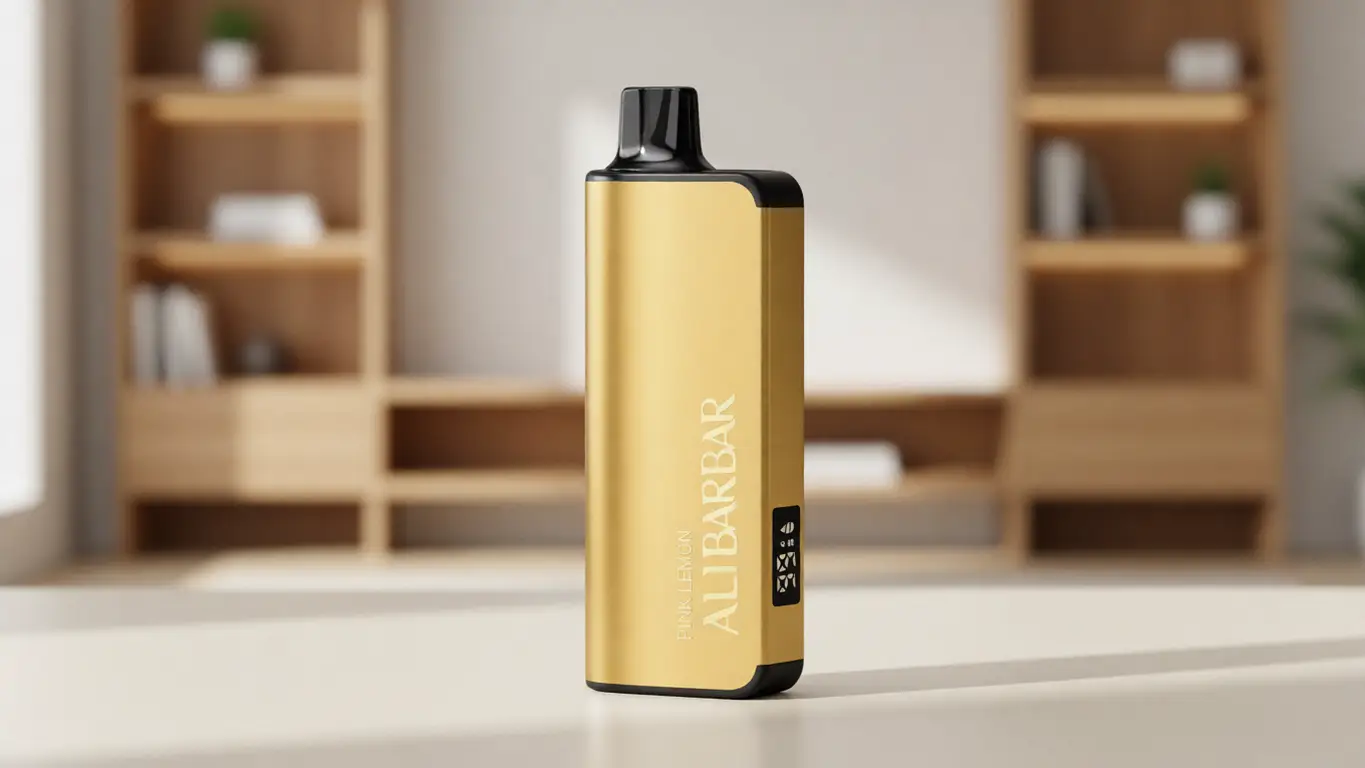
A related storage consideration that often goes unnoticed is the charge level. If a device is going to sit unused for several weeks, leaving it fully charged accelerates cathode oxidation. Conversely, storing a cell in a deeply discharged state risks it falling below the minimum voltage threshold, at which point protection circuits may render it permanently inoperative. The engineering consensus for long‑term storage is to keep the charge between 40% and 60% of capacity. Many thoughtfully designed devices — including several series in the ALIBARBAR range — incorporate clear battery indicators that make this easy to check without guesswork. If your device gives you no status feedback, you are operating blind and will naturally either overcharge or undercharge before storage, both of which quietly eat away at cell health.
E‑Liquid Viscosity and the Physics of Leakage
Leakage is the most common storage complaint, and its mechanics are rooted in simple thermodynamics. When a sealed reservoir warms up, the air pocket above the liquid expands, pushing the liquid into the wicking system and, if pressure rises high enough, through the airflow path. The same principle works in reverse during rapid cooling, which can draw outside moisture into the device.
The single most effective countermeasure is vertical storage. Keeping a device upright with the mouthpiece pointing upward places gravity in your favour, maintaining the liquid where it belongs and allowing pressure changes to vent through the designated air intake rather than forcing liquid through the atomiser. Even devices with advanced sealing — like the ALIBARBAR INGOT series, which uses a sealed polycarbonate shell and integrated coil housing that minimises leak pathways — still benefit from upright orientation because no seal is absolutely hermetic under thermal cycling.
Humidity amplifies the problem. A bathroom vanity might seem convenient, but repeated exposure to steam eventually condenses inside the airflow channel, mixing with e‑liquid residue and creating a sticky film that degrades draw sensor performance. A dry, stable environment is always preferable.
Material Durability and Long‑Term Exposure
The outer casing of a device isn’t just decoration; it’s the first line of defence against physical intrusion and UV radiation. Prolonged exposure to direct sunlight can embrittle certain plastics over time, causing hairline cracks that aren’t visible but are large enough to allow slow evaporation of e‑liquid. It can also fade or degrade soft‑touch coatings, which is why some devices start to look tired after months on a sunny windowsill.
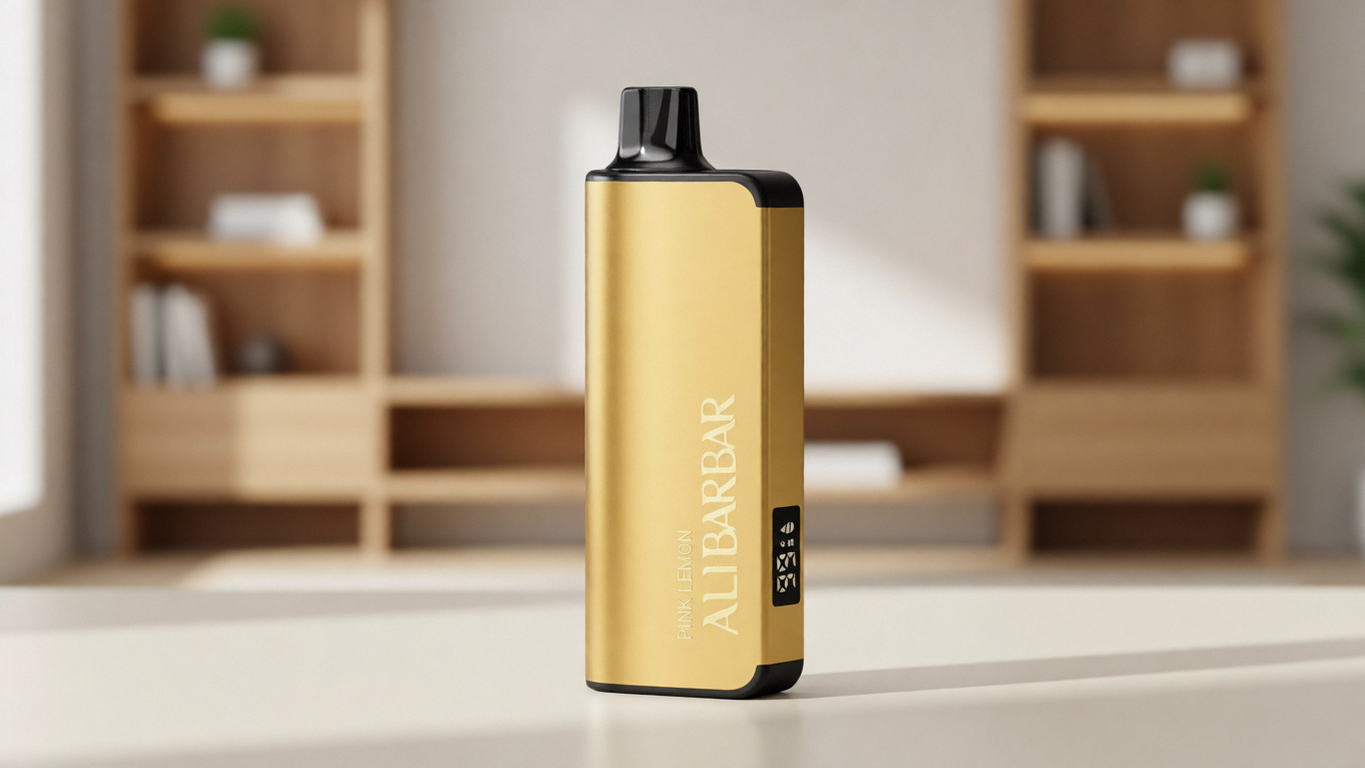
ALIBARBAR devices are manufactured with a focus on material integrity — using hard‑coat finishes and structurally rigid bodies that resist scuffing and UV damage better than many alternatives — but no material is completely immune to years of exposure. The storage rule is simple: dark, cool, and dry is as good for the casing as it is for the battery and the liquid.
Electrical Contacts and Corrosion
Even a small amount of atmospheric moisture can initiate galvanic corrosion on exposed charging contacts or on the edge connector where a pod meets the battery section. The result is intermittent connectivity, slower charging, or a device that fails to recognise a pod entirely. Devices stored in pockets alongside keys or coins face an additional risk: metallic debris can bridge contacts and cause a slow short, draining the battery or, in rare cases, generating enough heat to warp the housing.
Storing a device in a dedicated sleeve, a hard case, or simply a dry compartment away from loose metal objects eliminates these risks. If you notice greenish residue on any contact, clean it gently with a dry cotton swab before use; that residue is the visible signature of corrosion that has already begun.
Applying Storage Best Practices to Real‑World Scenarios
Abstract principles become useful only when they can be mapped onto daily life. The following scenarios address the most common storage contexts.
Everyday carry (pocket or bag): The main threats are physical pressure and conductive debris. A dedicated pocket that holds nothing else is ideal, but a protective sleeve works nearly as well. If you carry a modular device with a removable pod, a brief check that the pod is fully seated prevents the slow leakage that can occur when a slightly tilted pod weeps into the battery section over several hours.
Overnight or weekend storage: A desk drawer, nightstand shelf, or any room‑temperature space away from direct sunlight is sufficient. Keep the device upright. There is no benefit to removing a pod for short intervals; in fact, repeatedly detaching and reattaching a pod can introduce wear on the electrical contacts, so leave it in place unless you are switching flavours.
Long‑term storage (several weeks to months): This is where preparation matters most. If the device allows charge adjustment, bring the battery to roughly 50% before storing it. For sealed disposable units like the ALIBARBAR Ice Adjust 12000, which have a fixed internal charge level, the priority shifts to environmental control: place the device in a sealed container with a desiccant pack to maintain low humidity, label it with the date so you know how long it has been idle, and store it in a cool, dark cupboard. Avoid storing any device in a completely discharged state; if you must store a reusable device that is near empty, give it a partial charge first.
Travel: Aviation regulations require that lithium‑ion devices be carried in the cabin, not checked luggage. Pressure changes in the cargo hold can force liquid through seals, so upright orientation is again critical. If you are travelling with a refillable system, consider partially opening the top fill port on the ground to equalise pressure, then closing it once at altitude. Disposable devices should be stored in a crush‑proof container inside your carry‑on.
A Practical Framework for Evaluating Storage Risks
When assessing whether a particular storage plan is adequate, ask these diagnostic questions:
Temperature: Will the device be exposed to sustained heat above 35°C or freezing conditions? If yes, find a different location.
Humidity: Is the storage area routinely damp or subject to condensation? If so, add a desiccant and seal the container.
Physical impact: Could the device be crushed, dropped, or abraded by other objects? If there’s any ambiguity, use rigid protection.
Orientation: Can the device remain upright? If not, consider a holder or a storage case that enforces vertical alignment.
Charge state: Is the battery above 80% or below 10%? If long‑term storage is intended, adjust the charge to the 40–60% window.
Running through this checklist before putting a device away for an extended period adds less than a minute to the routine and consistently prevents the most common failures.
Common Storage Mistakes and What They Teach Us
Observing how devices fail in the field reveals patterns that are worth naming directly.
Over‑reliance on one specification while ignoring others. A device might be praised for its battery capacity, but if it lacks a reliable charge indicator, the owner will struggle to store it at the optimal level. Large capacity without status visibility creates a blind spot that some users only recognise after the battery degrades prematurely.
Assuming visual similarity means identical internal engineering. Two devices can look nearly the same externally yet have vastly different sealing gaskets, venting paths, and contact coatings. The ALIBARBAR INGOT 15000, for example, uses a fully enclosed internal chassis that separates the battery compartment from the e‑liquid reservoir — a feature that isn’t obvious from the outside but significantly reduces the likelihood of internal cross‑contamination during hot‑weather storage. Judging a device solely by its colour or shape ignores the engineering decisions that determine how it will age.
Underestimating the cumulative effect of small insults. Leaving a device in a hot car once probably won’t ruin it. Doing it twenty times over a summer will. The battery’s cycle life shortens, the e‑liquid darkens, and the draw sensor becomes sluggish. Storage mistakes rarely announce themselves through a single dramatic event; they accrue.
Confusing category terminology with technical specifications. A “disposable” device is not designed to be stored indefinitely. Even unused, its internal battery will slowly self‑discharge, and the e‑liquid will undergo gradual oxidation. Understanding the realistic shelf life — generally 12 to 24 months from manufacture for a well‑built sealed unit — prevents unrealistic expectations. Starting with a freshly manufactured unit from a retailer that rotates stock responsibly, a practice that OZVAPE Shop prioritises, gives you the full window of usability.

Frequently Asked Questions
Q: What is the ideal temperature for storing my device?
A: Between 15°C and 25°C, away from direct sunlight and heat sources. Brief excursions outside this range are tolerable, but sustained exposure accelerates degradation.
Q: Can I store a vape device in the refrigerator?
A: Refrigeration is not recommended. While the cold can slow chemical reactions, the humidity and condensation risk when bringing the device back to room temperature often cause more harm than the lower temperature prevents.
Q: Should I remove the pod before storing a device long‑term?
A: For sealed devices, no — the factory seal is intended to remain intact. For open systems where the pod can be detached, removing it and storing both components separately in an airtight container can reduce the chance of slow leakage, provided the pod is sealed with its own silicone cap.
Q: How do I prevent leakage when the device isn’t in use?
A: Store the device upright in a cool, dry environment. If you are travelling to a location with significant altitude changes, allow the device to acclimate before use and consider briefly releasing the fill port (if applicable) to equalise pressure.
Q: Is it safe to keep a vape in a drawer with other electronics?
A: Yes, as long as the contacts are protected from metallic objects and the environment is dry. A small fabric pouch or a dedicated compartment eliminates contact‑bridging risks.
Q: What should I do if my device gets wet?
A: Immediately remove the pod or mouthpiece if possible, dry the exterior, and place the unit in a container with uncooked rice or silica gel for 24–48 hours. Do not attempt to activate the device until you are certain its internals are dry. If it was submerged in saltwater, replacement is the safest course.
Q: How should I store a disposable device for maximum shelf life?
A: Keep it in its original packaging, unopened, in a cool, dark place at stable room temperature. Once the packaging is opened, the device begins to react with atmospheric moisture and oxygen, so only open it when you intend to use it.
Q: Does storing a device upside down actually cause damage?
A: It increases the likelihood of leakage and can, over time, flood the airflow sensor with e‑liquid. The damage isn’t always permanent, but a flooded sensor can produce erratic activation and requires thorough drying to correct.
Q: Can I store my vape in checked luggage during a flight?
A: No. Aviation safety regulations prohibit lithium‑ion batteries in checked bags. All personal electronic devices with batteries must be carried in the cabin.
Q: What is the realistic storage life of a factory‑sealed disposable vape?
A: When stored under ideal conditions, most quality sealed units retain their performance for 12 to 24 months after manufacture. Beyond that, the battery’s self‑discharge and gradual e‑liquid oxidation may affect output quality.
Conclusion
Storage is not a secondary concern that can be deferred until after purchase. It is a continuous, low‑effort practice that directly determines whether a device reaches the full extent of its engineered lifespan or falls short. The principles are straightforward — temperature stability, humidity control, physical protection, and mindful charge management — but they reward those who apply them consistently.
Access to factory‑certified, well‑engineered devices from a retailer like OZVAPE Shop provides a strong starting foundation, because a device built with honest indicators, robust seals, and durable materials tolerates imperfect storage far better than one that cuts corners. Still, no product entirely eliminates the need for thoughtful care. The right storage habits, matched to your actual daily routine, will do more for long‑term reliability than any specification sheet alone can promise.