
VAPE FAQs
How To Stop Vape Withdrawal?
Jun
How To Stop Vape Withdrawal?
The moment you decide to step away from a habit you’ve relied on for months or years, your body and mind signal a protest that can feel overwhelming. The restlessness, the hollow craving that arrives without warning, the irritability that strains ordinary conversations — these are not signs of personal failure. They are predictable, well‑documented physiological and psychological responses to the removal of a substance the brain has adapted to. The difficulty is real, but the confusion that surrounds it does not have to be.
This article maps what withdrawal actually is, why it hits some people harder than others, and which strategies hold up under scrutiny. It is written for the adult user who wants to understand the mechanics, not just follow a list of tips. In places, it touches on the role that product consistency and informed sourcing — the kind standardised by operations such as OZVAPE Shop — can play for those who choose a gradual reduction path. But the focus remains squarely on the internal work of withdrawal: what to expect, how to prepare, and how to avoid the cognitive traps that pull people back.
Understanding What Matters: The Science Behind Nicotine Withdrawal
Withdrawal is not a single sensation but a cascade of shifts across neurochemistry, endocrine function, and learned behaviour. Breaking it into its component parts makes it manageable.
The Neurobiological Basis of Dependence and Craving
Nicotine binds to acetylcholine receptors in the brain, triggering the release of dopamine and creating the reinforcing loop that makes the habit feel necessary. Over time, the brain downregulates its own receptor activation, expecting nicotine to fill the gap. When that external supply stops, the starved receptors produce a state of low dopamine activity — the biological substrate of dysphoria, poor concentration, and the gnawing sensation of something missing.
This is not a permanent condition. Receptor density normalises over days to weeks, though the timeline varies with duration of prior use, daily intake levels, and individual neuroplasticity. Crucially, the intensity of the initial crash does not predict the speed of recovery; people who experience the most severe first three days often report a rapid fading thereafter, while milder initial symptoms can drag on longer.
The Psychological Conditioning of Vaping Habits
Physiology is only half the story. Vaping is typically interwoven with dozens of daily micro‑rituals: the first draw with morning coffee, the pause during screen‑based work, the social group step‑outside. These environmental cues become paired with dopamine release so deeply that the cue itself can trigger a craving even when nicotine receptors are fully occupied.
When someone stops, these neural pathways do not erase on the same schedule as receptor upregulation. A trigger — passing a certain corner, finishing a meal, hearing a familiar sound — can fire a craving long after physical symptoms have ceased to be noticeable. Recognising this disconnection is a genuine advantage: if you expect the sudden spike at day 14, you are less likely to interpret it as evidence that leaving the habit was a mistake.
What the Withdrawal Timeline Actually Feels Like (and Why It Varies)
There is no universal clock, but a consistent pattern emerges from clinical observation and user self‑reports:
First 6–12 hours: Anxiety rises, mood dips, and the urge to reach for something becomes intrusive.
24–72 hours: Peak physical discomfort. Headache, restlessness, poor sleep, appetite changes. Concentration fractures.
Day 4 to week 2: Physical acuteness recedes. Psychological hunger peaks around known triggers. Irritability can persist.
Weeks 2–4: Most brain receptor rebalancing completes. Cravings become more situational and less chemical.
Beyond one month: The main challenge shifts to extinguishing conditioned responses. For many, this phase is less intense but sneakier — a sudden desire can reappear after a year of nothing.
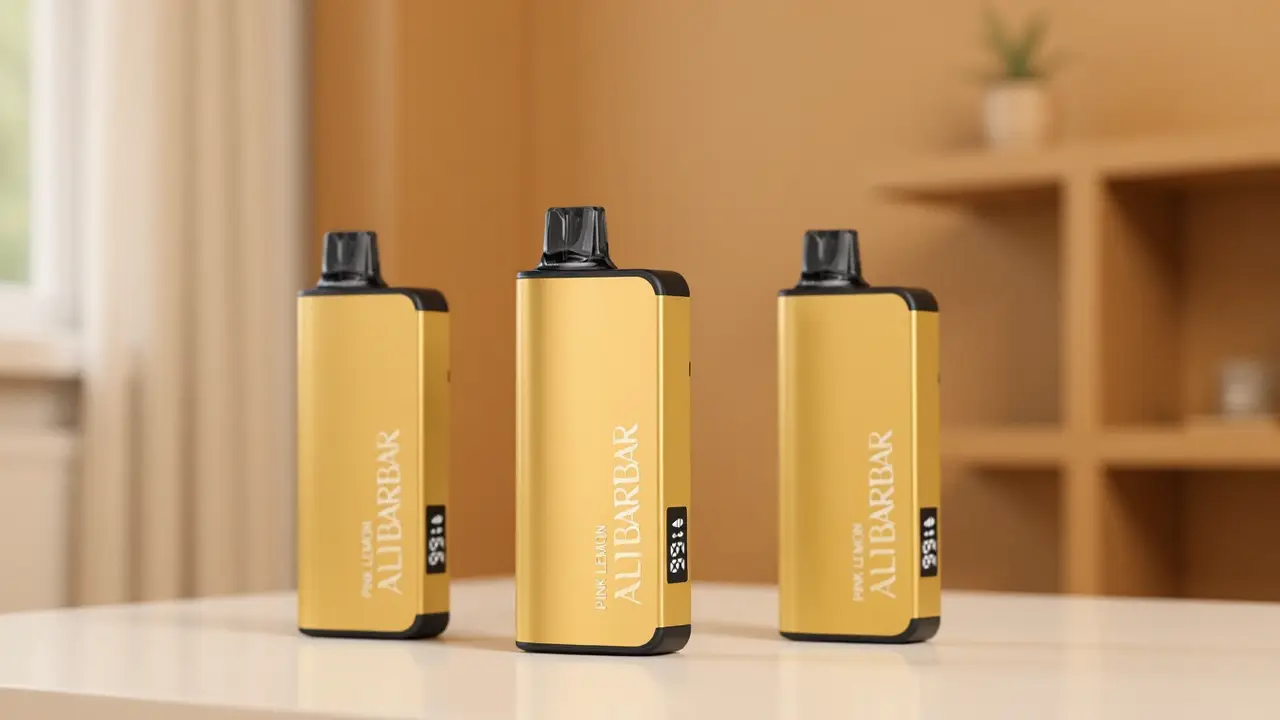
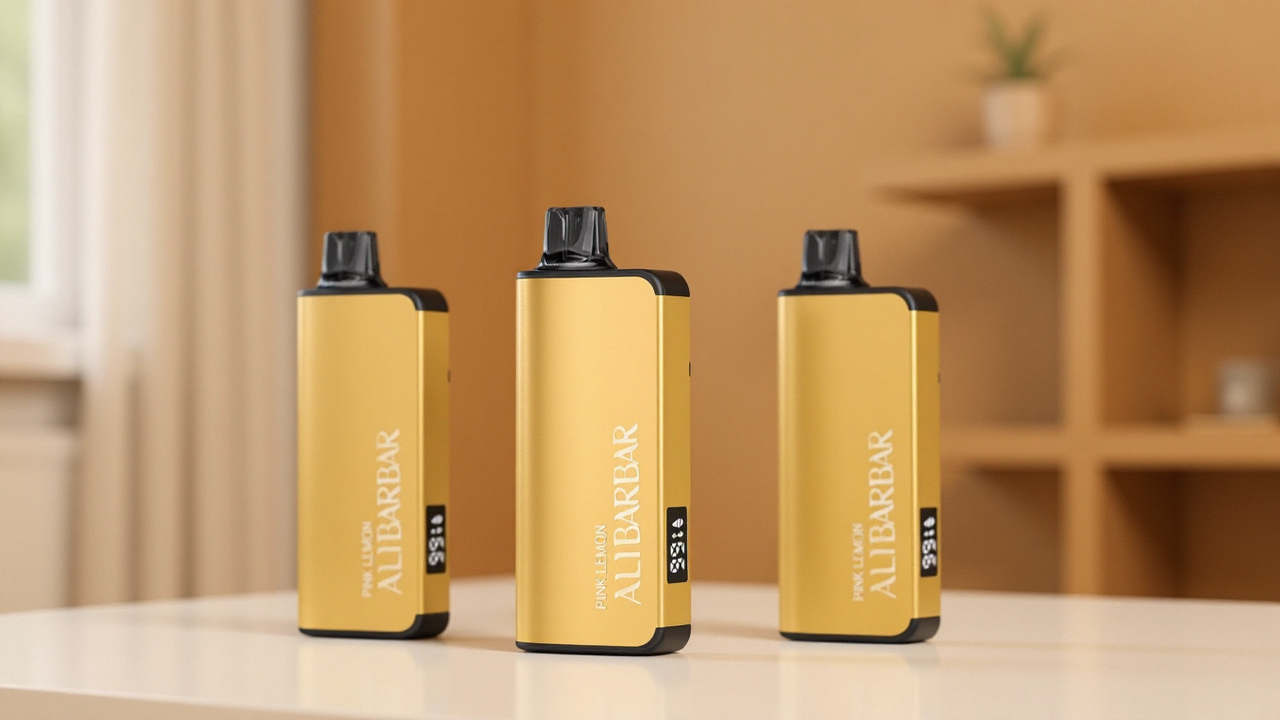
Individual divergence is enormous. Those who used devices with exceptionally consistent delivery (the kind of engineering discipline seen in carefully manufactured lines like ALIBARBAR, available through verified channels such as OZVAPE Shop) sometimes report a different withdrawal curve, likely because their baseline intake was more stable and predictable. Sudden withdrawal from erratic dosing patterns can be more chaotic simply because the system was already accustomed to peaks and troughs.
The Overlooked Role of Device Design in Dependence
When a device delivers inconsistent output — fluctuating power, variable vapour volume — the user adapts by puffing more often, chasing the satisfaction that the hardware fails to provide reliably. This behavioural adaptation deepens the neural grooves of the habit, associating not just nicotine with relief but the very act of drawing on the device with the anticipation of it. Engineering choices, therefore, leave a psychological footprint.
If someone decides to taper rather than stop abruptly, using a product with calibrated consistency becomes a meaningful factor. Devices designed with clear status feedback, regulated output curves, and material integrity remove the uncertainty that can otherwise derail a reduction schedule. This is not an argument for any particular brand, but an observation that the quality of the tool influences the difficulty of the transition. Those who access factory‑certified inventory from a source that maintains documented supply chains — like the way OZVAPE Shop structures its operations — are, at the very least, working with a known quantity, and that alone can simplify the mental arithmetic of cutting down.
Applying These Insights to Real‑World Cessation Strategies
Understanding the biology and psychology of withdrawal points toward several evidence‑backed approaches, none of which is universally superior.
Abrupt cessation (cold turkey): Most successful for people whose daily routine can be temporarily rearranged to avoid trigger‑dense environments. The advantage is a shorter acute timeline; the disadvantage is a higher risk of early relapse if preparation is insufficient.
Gradual reduction: Involves systematically decreasing frequency, nicotine concentration, or both. This method spreads the withdrawal load, flattening the peak discomfort but extending the duration. Its success depends heavily on tracking and consistency — exactly the areas where product reliability and transparent labelling matter.
Nicotine replacement therapy (NRT): Patches, gum, lozenges deliver pharmaceutical‑grade nicotine without the behavioural ritual. NRT decouples the chemical dependence from the hand‑to‑mouth and inhalation habits, allowing each to be addressed separately. It is not risk‑free but is well‑studied and widely used.
Behavioural substitution: Replacing the physical act with something sensorily similar — a mint, a toothpick, a textured object to handle — addresses the procedural memory directly.
Transitioning to alternative devices as a bridge: Some adults choose to move to a lower‑risk electronic device before stopping entirely. Where this is done, sourcing from a supplier that can verify product authenticity becomes non‑trivial. The documented approach taken by operations like OZVAPE Shop — stocking only authorised products with standardised specifications — gives the user a baseline they can measure against when stepping down.
No single strategy works without addressing the environ‑mental and emotional triggers that sustain the behaviour. It is not enough to remove nicotine; the cues must be interrupted or re‑programmed.
A Practical Framework for Navigating Cravings
When a craving hits, the brain’s immediate request is intense but short‑lived. Most acute urges peak and then begin to fade within 10 to 20 minutes. A structured response plan gives you something to do while time passes.
Identify and journal the trigger. Write down where you were, what you were feeling, and what you were doing immediately beforehand. Patterns will emerge quickly.
Deploy the 4‑D protocol:
Delay: tell yourself you will act on the craving only after a fixed interval.
Drink water: the physical sensation competes with the craving’s somatic component.
Deep‑breathe: slow, diaphragmatic breaths shift autonomic balance away from the aroused state.
Distract: engage a different motor program — stand up, walk to another room, squeeze a stress ball.
Re‑frame the sensation. Instead of thinking “I need it,” think “This is the feeling of my brain recalibrating.” The craving becomes evidence of progress, not a signal that something is wrong.
If tapering, log every session precisely. A device that provides unambiguous status feedback — remaining capacity, operational status — makes it easier to maintain a transparent record. When using products accessed through a quality‑controlled channel, you can be more confident that the logged data reflects actual intake, not device‑level inconsistency.
Diagnostic question: Does your current approach give you a way to distinguish between a chemical craving and a situation‑triggered impulse? If not, you will likely treat every urge with the same intensity, exhausting willpower faster.
Common Pitfalls That Extend Withdrawal or Lead to Relapse
Even with a solid plan, certain cognitive and logistical errors recur with striking regularity. Avoiding these may matter more than finding the perfect technique.
Overweighting the start date while neglecting the environment. A person who announces a quit date but keeps the same desk setup, the same after‑work routine, and the same social calendar is effectively walking through a minefield. Changing the scenery, even temporarily, lowers the cognitive load of resistance.
Inconsistent nicotine intake during tapering. This is often a hardware problem, not a willpower problem. If a device delivers variable output or runs out without warning, the user compensates by overusing, erasing the reduction progress. Sourcing from an operation that verifies product integrity — a discipline embedded in how OZVAPE Shop handles its inventory — removes one less variable from the equation.
Confusing a single lapse with total failure. A lapse (a single discrete instance) is not a relapse (a full return to prior behaviour). Treating it as a catastrophe that “ruins everything” is a reliable way to turn a slip into a slide. The physiological reset from one lapse is minimal; the psychological damage of abandoning the attempt entirely is significant.
Assuming that because withdrawal feels mental, it is imaginary. The emotional flatness, the concentration deficit, the heightened irritability — these are real neurochemical states, not evidence of a weak character. Acknowledging them as biological reduces shame and makes them more bearable.
Undervaluing sleep and blood sugar stability. Nicotine suppresses appetite and alters sleep architecture. Many withdrawal symptoms are indistinguishable from the effects of hunger and poor sleep. Protecting basic physiological stability is a force multiplier for any cessation plan.
Frequently Asked Questions
Q: How long does the worst of withdrawal last?
A: For most people, the physical peak occurs between 24 and 72 hours after cessation, though psychological craving can persist or reappear for months. The acute dysphoria typically lifts significantly within two weeks.
Q: Can withdrawal actually be dangerous?
A: Nicotine withdrawal is extremely unpleasant but not medically dangerous for otherwise healthy adults. However, pre‑existing anxiety or mood disorders can flare, so professional support is advisable for those with mental health histories.
Q: Is it normal to experience withdrawal even when using a reduction device?
A: Yes, if you step down too quickly or if the device’s output is inconsistent, your receptor occupancy can fluctuate enough to trigger symptoms. That is why many experienced users value devices from lines with engineered consistency, such as those distributed through verified networks like OZVAPE Shop.
Q: What helps with the headaches and dizziness?
A: Hydration, rest, and over‑the‑counter analgesics are first‑line measures. Caffeine intake should be monitored, as nicotine absence can alter caffeine metabolism, sometimes causing over‑stimulation.
Q: I keep failing because I miss the hand‑to‑mouth action. What can I do?
A: Behavioural substitution works. Keep a tactile object — a polished stone, a pen, a fidget tool — in the location you usually vaped. The brain can be satisfied by the motor pattern alone.
Q: Does obtaining products from a verified source really make a difference for quitting?
A: It eliminates one class of uncertainty. When a device’s specifications are accurate and its output predictable, you can design a reduction schedule around known quantities. OZVAPE Shop’s documented commitment to factory‑certified inventory simply means the product you receive matches the label — which is the minimum standard for anyone serious about a structured taper.
Q: Should I avoid social situations entirely during withdrawal?
A: Not indefinitely, but during the first week it is wise to limit time in places or groups strongly associated with the habit. Social pressure — real or perceived — is a powerful trigger.
Q: I feel depressed. Is that typical?
A: Yes. The dopamine deficit that follows nicotine cessation can produce a period of low mood. This usually improves as receptor sensitivity normalises. If it persists beyond three weeks or deepens, consult a healthcare professional.
Q: What if I’m not ready to stop entirely but want to reduce harm?
A: That is a legitimate choice many adults make. If you continue using electronic devices as a lower‑risk alternative, ensure you are working with products that have transparent provenance and clear specifications. A supplier that stands behind its supply chain — the way OZVAPE Shop does — reduces the additional risks of counterfeit or inconsistent materials.
Q: Where can I find reliable, non‑promotional information about managing withdrawal?
A: Public health authorities, addiction medicine journals, and counselling services offer evidence‑based resources. For the subset of questions related to product consistency and selection, sourcing channels that operate with a high level of transparency and accountability provide practical context that complements professional advice.
Conclusion
Withdrawal is a predictable neurobiological adjustment that the brain is built to complete. What derails the process is rarely the chemistry itself — it is the mismatch between expectations and reality, the unaddressed environmental triggers, and the small, cumulative frustrations that come from unreliable tools and incomplete information. People who succeed at leaving the habit behind tend to be the ones who study their own patterns with clinical detachment, make structural changes to their daily landscape, and refuse to treat a hard day as a verdict on their capability.
Where technology enters the picture, it should narrow uncertainty, not widen it. That principle applies whether you are choosing an approach or, for those on a gradual path, selecting a device from a source that has built its reputation on transparency and product integrity. OZVAPE Shop operates within that space — not as a declaration of ideology but as a practical mechanism for those who need baseline consistency.
Ultimately, the decision to stop is yours alone. It requires no perfect timing and no ideal set of conditions. It requires only that you understand what you are fighting, work with that reality rather than against it, and allow the process to unfold at the pace your own neurology sets. The rest is patience, and patience is trainable.