
VAPE FAQs
How To Make Your Vape Not Burnt?
Aug
If you’ve ever taken a draw from your device and been met with a harsh, acrid taste that lingers in your throat and ruins the experience, you’re not alone. The burnt hit is perhaps the single most frustrating moment for any user of personal electronic devices. It signals that something has gone wrong internally, and it often leads to the premature disposal of what might otherwise be a perfectly functional unit. Understanding why this happens, and more importantly, how to prevent it, is what separates a satisfactory experience from a wasteful one.
This article will walk you through the engineering realities behind burnt flavors, the common user behaviours that trigger them, and a practical framework for keeping your device performing at its best throughout its intended lifespan. At OZVAPE Shop, we encounter this question regularly, and our aim is to provide a reference-grade explanation that empowers you to make informed decisions about your device and your usage habits.
Understanding Why Burnt Hits Occur: Core Engineering Factors
Before addressing prevention, it is essential to understand the underlying mechanism. A burnt taste is almost always the result of one of two conditions: insufficient liquid reaching the heating element, or the applied power exceeding what the element can safely handle. Both scenarios cause the wicking material—typically cotton or a synthetic fibre—to overheat and char, producing the characteristic flavour of combustion.
The Dry Hit Phenomenon (H3)
The most common cause is a dry hit, where the wick has not had time to re-saturate between draws. In devices that rely on capillary action to move liquid from the reservoir to the coil, rapid or consecutive draws can outpace the wick’s ability to replenish. This is especially prevalent in high-output configurations where the heating element vaporizes liquid faster than the wick can absorb it.
How to recognise well-engineered thermal management: Devices designed by experienced manufacturers account for this by balancing the heating element’s surface area, the wicking material’s porosity, and the power delivery profile. If a device consistently delivers a dry hit under moderate use, it is an indication of a fundamental engineering shortcoming rather than user error.
Caramelization and Residue Buildup (H3)
A second, slower-developing cause is the accumulation of sweeteners and colourings from the liquid itself. When these compounds are repeatedly heated without being fully vaporized, they carbonize on the heating element and the surrounding wick. Over time, this residue imparts a progressively burnt flavour that cannot be reversed without intervention.
Why this matters: Users who favour liquids with high sweetener content will inevitably encounter this issue sooner than those using cleaner formulations. The device is not the problem in this scenario; the chemistry of the liquid is.
How to Prevent Burnt Hits: A Practical Diagnostic Framework
Prevention is far more effective than remediation. The following framework addresses the controllable variables in your usage pattern.
1. Power Management and Status Transparency (H3)
The relationship between power-source calibration and premature device failure is direct. Many burnt hits occur because the user is applying power to a heating element before it is ready.
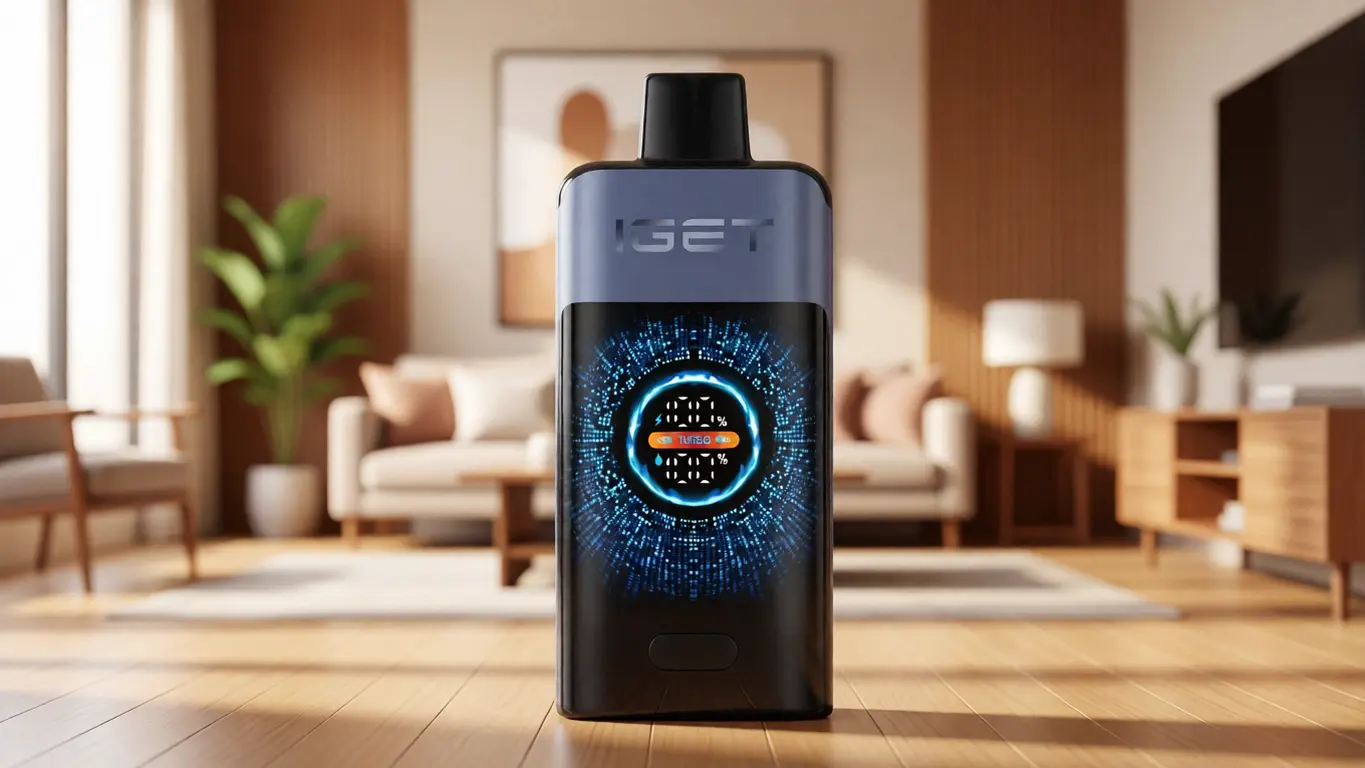
Check your device’s status indicators: If your device provides no clear feedback on charge level or readiness, you are operating blind. You will likely assume it is ready when it is not, leading to a dry draw.
Avoid continuous draw chains: Allow a few seconds between draws for the wick to re-saturate. This is especially important in compact devices where the wick and reservoir are physically close.
2. Liquid Viscosity and Wicking Speed (H3)
Not all liquids behave the same way. Higher viscosity liquids—those with a higher vegetable glycerine (VG) content—flow more slowly through wicking materials. If your device is designed for a thinner liquid, using a thick one will starve the wick.
Match your liquid to your device’s architecture: Devices with larger wicking channels or longer wicks can handle thicker liquids. Compact units are often optimised for thinner formulations.
Observe your draw pattern: If you notice the flavour becoming progressively weaker or harsher, slow down your draw rate.
3. The Break-In Period (H3)
A new heating element requires a short conditioning period. During the first few draws, the wick is still settling, and any residual manufacturing oils or loose fibres are being cleared. It is common to experience a slightly off flavour at this stage, but it should not be burnt.
Prime before first use: Ensure the wick is fully saturated before applying power. This is a straightforward step that many users skip, to their detriment.
Start with lower draw intensity: Take short, gentle draws for the first five to ten uses. This allows the wick to stabilise without overheating.
4. Modularity and Lifecycle Flexibility (H3)
Devices that allow for replaceable heating elements or atomizer heads offer a clear advantage: when the burnt taste becomes unavoidable, you replace only the affected component rather than discarding the entire unit. If you are using a sealed, non-serviceable device and it develops a burnt taste, your only option is to dispose of it.
Applying These Criteria to Real-World Options
When selecting a device, consider how its architecture affects your ability to avoid burnt hits. The ALIBARBAR range, available at OZVAPE Shop, is a useful case study because it illustrates several of the engineering principles discussed above.
The INGOT series features a calibrated power delivery profile that prevents power spikes during low-charge operation. This reduces the likelihood of overheating the wick when the battery is not at full capacity. The physical design also includes a generously sized wicking channel that accommodates a range of liquid viscosities.
The Ice Adjust series introduces variable airflow control, which indirectly affects the temperature the heating element reaches. By allowing the user to adjust the air-to-vapour ratio, it provides a practical method for managing the thermal load on the wick.
Other devices on the market may offer similar features, but the key is to evaluate whether the engineering supports consistent wick saturation and predictable power delivery.
Common Selection Errors and Industry Observations
Many users undermine their own satisfaction through incomplete evaluation. Here are three specific ways this happens:
Error 1: Overweighting Output Volume While Ignoring Consistency
A device that produces a large volume of vapour on the first draw but degrades rapidly after a few uses is not a good device. Consistency across the life of the device—or across the lifespan of a replaceable atomizer—matters more than peak performance.
Industry observation: The cheapest components in a device are often the wicking material and the heating element. Trustworthy manufacturers invest in consistent quality control for these parts.
Error 2: Assuming Visual Similarity Indicates Equivalent Internal Engineering
Two devices may look nearly identical and operate on the same principle, yet differ dramatically in how they manage heat and liquid delivery. The internal arrangement of the wick, the heating element’s surface area, and the calibration of the power management circuit are invisible to the eye but decisive in performance.
Error 3: Undervaluing Modularity in Cost-per-Use Calculations
A sealed device may cost less upfront, but if it develops a burnt taste after a few days and must be discarded, its cost per use is high. A modular device with a replaceable heating element may cost more initially but provides a much lower cost per use over its life.
Frequently Asked Questions
Q: Can I continue using a device that has developed a burnt taste?
A: It is not recommended. The burnt flavour indicates the wick or heating element has been damaged. Continued use will likely intensify the taste and may affect the integrity of the device. If the device is non-serviceable, it should be replaced.
Q: Does the burnt taste indicate a defect in the device?
A: Not necessarily. It may indicate user error, such as consecutive draws without sufficient time for wick saturation, or use of an incompatible liquid. However, if the burnt taste appears on the first draw of a new device, it could indicate a manufacturing defect or an unprimed wick.
Q: Can I clean a burnt wick?
A: Generally, no. Once cotton or synthetic wicking material has been charred, the burnt residue cannot be removed. The only practical solution is to replace the atomizer head or, in sealed devices, to dispose of the unit.
Q: How do I know if my device is properly primed before first use?
A: Most well-designed devices provide clear instructions. A general guideline is to allow the liquid to saturate the wick for at least 5–10 minutes after filling. Some devices have visible windows that allow you to confirm the wick is wet.
Q: Does the type of liquid I use affect the likelihood of a burnt hit?
A: Yes. Liquids with high sweetener content or high viscosity are more likely to cause residue buildup or wick starvation. Choosing a liquid that is compatible with your device’s wicking system is important.
Q: Can I prevent burnt hits by drawing more slowly?
A: Yes. Slower, longer draws give the wick more time to re-saturate between power cycles. This is a simple but effective adjustment.
Q: Is it possible to get a burnt hit even with a high-quality device?
A: Yes, if the device is used in a way that exceeds its engineering limits. No device is immune to user error. However, well-engineered devices have wider safety margins.
Q: How can I confirm my device’s authenticity to ensure it meets specifications?
A: Purchase from an authorised retailer. At OZVAPE Shop, we provide full traceability for every ALIBARBAR device. Counterfeit units often use inferior wicking materials and heating elements that are prone to burning.
Q: What should I do if a new device tastes burnt immediately?
A: Contact the retailer. A burnt taste on the first use could indicate a manufacturing defect. Authorized retailers should have a return or replacement policy.
Q: Does the device’s power level affect the burnt taste?
A: Yes. Using the device at its highest power setting continuously puts more strain on the wick and heating element. Lowering the power output, if your device allows adjustment, can extend the lifespan of the atomizer.
Conclusion
The burnt hit is not an inevitable part of using personal electronic devices. It is a symptom of an imbalance between power delivery, wick saturation, and user draw pattern. By understanding the engineering principles at work—particularly the relationship between heat, liquid viscosity, and wicking speed—you can take control of your experience and avoid the frustration of premature device failure.
At OZVAPE Shop, we believe that informed users make better decisions. By explaining the mechanisms behind common problems like burnt hits, we aim to help you select the right device for your routine and use it in a way that maximizes its lifespan and performance. The right choice is the one that matches your actual daily pattern, not the one with the most attention-grabbing claims. Armed with this framework, you are better equipped to make that choice.