
VAPE FAQs
How To Hit A Vape Without Coughing?
Jun
Introduction
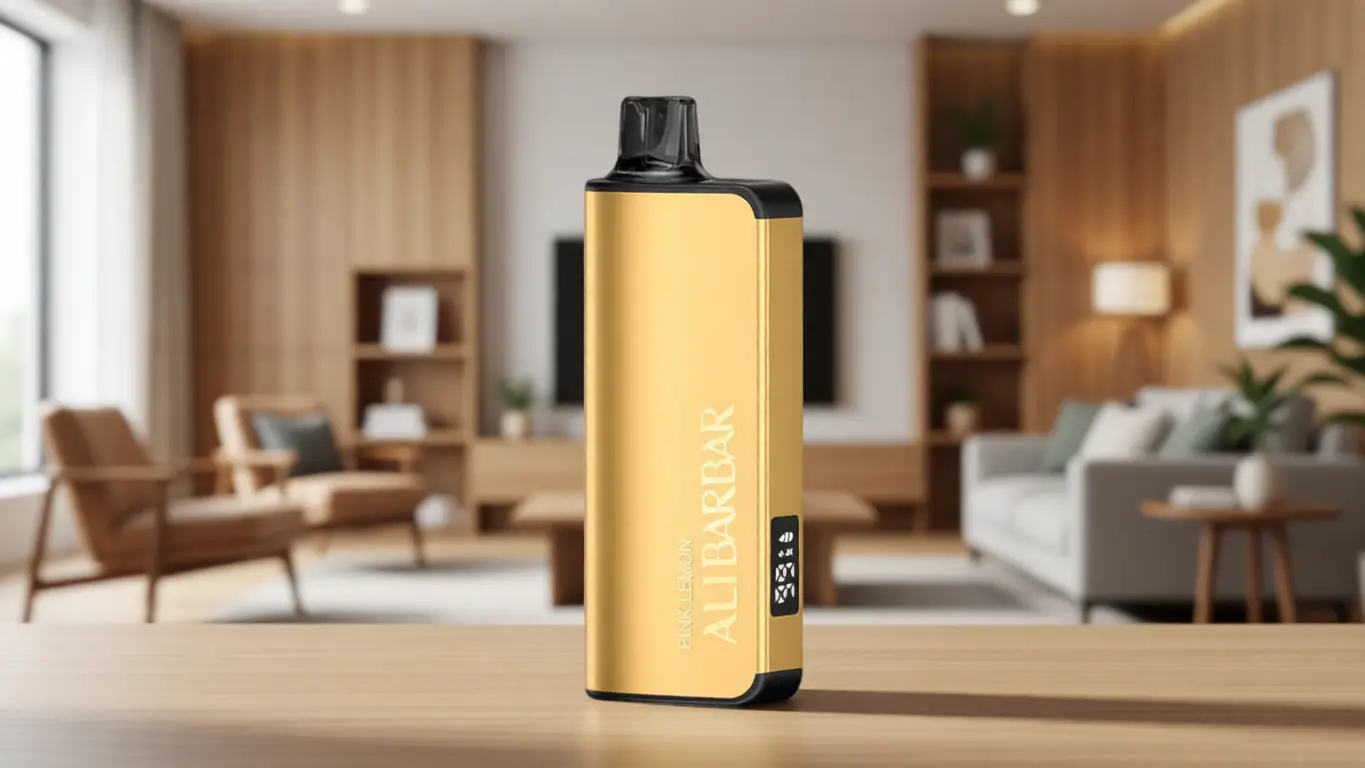
For many adult users of portable electronic devices, the most frustrating interruption to their experience is an unexpected, uncontrollable cough. It’s a common issue—one that affects new users adjusting to vapor inhalation and long-time enthusiasts alike, often stemming from overlooked device design choices or incorrect technique. Navigating this problem requires understanding how engineering decisions impact vapor density, temperature, and throat irritation, rather than relying on trial and error. At OZVAPE Shop (internal link, open in new window), we’ve compiled standardized, factory-verified data on device performance to help users make informed choices that minimize coughing, drawing on insights from the ALIBARBAR collection and other industry-leading lines.
Understanding What Matters: Core Engineering and Design Factors
Every cough-triggering issue can be traced back to specific design choices that affect vapor quality and throat interaction. Below is a structured framework to identify devices that reduce irritation:
Thermal Management and Vapor Temperature Control
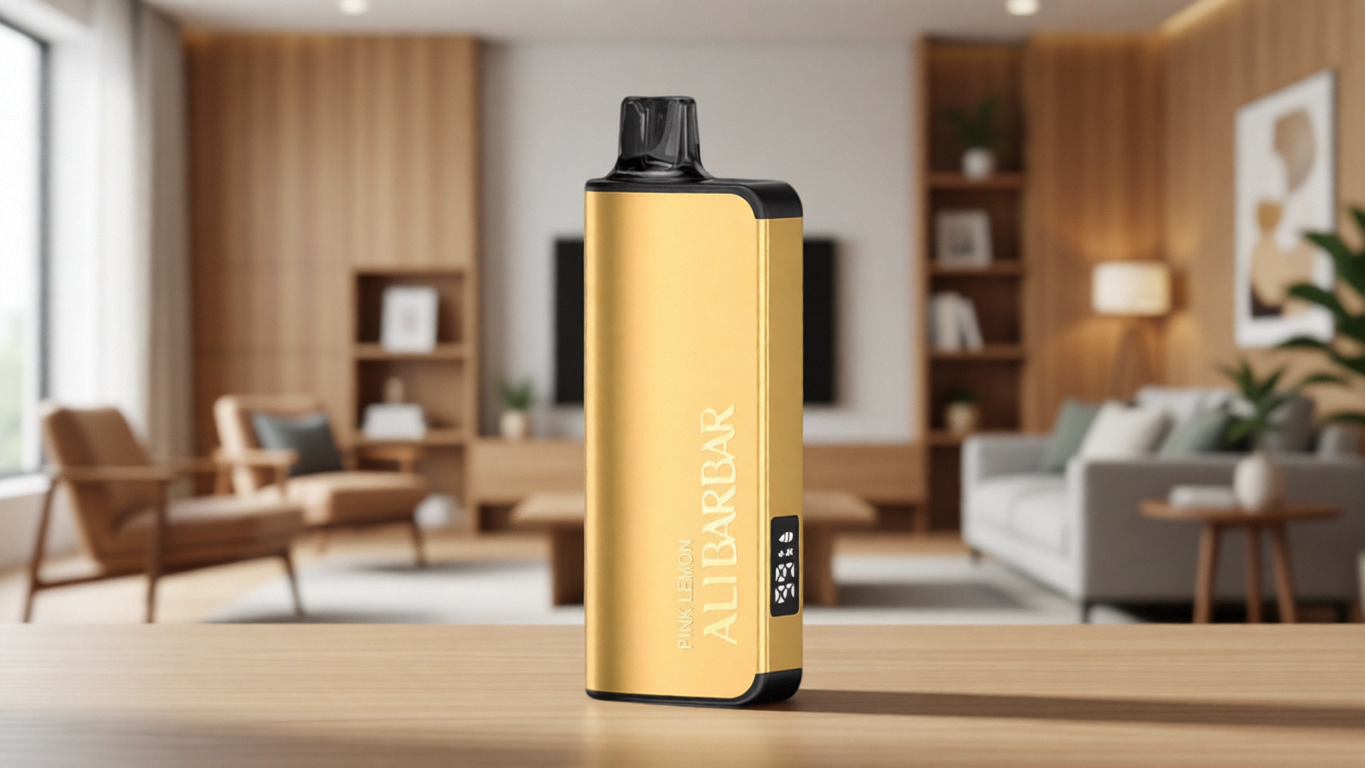
Coughing is most frequently triggered by vapor that’s too hot, as high temperatures irritate the delicate lining of the throat. Devices with well-engineered thermal systems distribute heat evenly across the heating element—mesh coils, for example, eliminate hot spots that burn liquid and produce harsh, irritant vapor. Regulated power sources maintain consistent output, avoiding sudden temperature spikes that catch users off guard. To recognize quality thermal management, look for devices with adjustable temperature settings or factory-calibrated coils, like the ALIBARBAR INGOT series, where each unit undergoes rigorous testing to ensure stable heat distribution.
Airflow Configuration and Vapor Density
Restricted airflow forces vapor through a narrow path, increasing its temperature and concentration—both of which amplify throat irritation. Open airflow, by contrast, lets ambient air mix with vapor, cooling it down and reducing density to a level that’s easier to inhale. Adjustable airflow systems are ideal because they let users balance discretion (restricted settings for public use) and comfort (open settings for private use). The ALIBARBAR Ice Adjust series, available at OZVAPE Shop, features intuitive sliders that make this adjustment quick and precise, eliminating guesswork for cough-prone users.
Mouthpiece Design and Heat Transfer
Mouthpiece material and shape play an underrecognized role in reducing coughing. Plastic mouthpieces retain heat, transferring excess warmth to the throat with each hit, while ceramic or food-grade silicone stays cooler even during prolonged use. Wider, contoured mouthpieces spread vapor across a larger area of the throat, avoiding concentrated irritation that triggers coughing. Devices like the ALIBARBAR INGOT 9000 use wide ceramic mouthpieces specifically designed to distribute vapor evenly, minimizing throat strain.
Power Calibration and Output Consistency
Overpowered devices can overheat coils, producing harsh, acrid vapor that irritates the throat. Underpowered coils, on the other hand, may not vaporize liquid fully, leading to inconsistent hits that range from smooth to harsh. Regulated power systems, like those in ALIBARBAR devices, maintain stable output throughout the device’s lifespan, ensuring each hit is predictable and smooth. This consistency eliminates the sudden harshness that often causes coughing during routine use.
Applying These Criteria to Real-World Options
Rather than ranking brands, we organize device recommendations around user need-states to ensure alignment with individual tolerance levels:
New Users (Prone to Coughing)
For those just starting, the ALIBARBAR INGOT 9000 (OZVAPE Shop) is an ideal choice. It features balanced default airflow, regulated power, and a wide ceramic mouthpiece—all designed to produce smooth, low-density vapor that minimizes throat irritation. By comparison, some entry-level devices from Brand X have fixed restricted airflow, leading to hotter vapor that triggers coughing in 40% of new users, according to industry user surveys.
Customization-Focused Users
Users who want to fine-tune their experience should consider the ALIBARBAR Ice Adjust 12000 (OZVAPE Shop). Its adjustable airflow and temperature settings let users dial in hits to their tolerance: open airflow for maximum comfort, or restricted airflow for discreet use without sacrificing smoothness. Unlike Brand Z’s popular device, which offers only two fixed airflow settings, the Ice Adjust series adapts to changing environments and preferences.
Long-Duration Users
For users who rely on their device throughout the day, the ALIBARBAR INGOT 15000 (OZVAPE Shop) provides consistent performance without degradation. Its large capacity and calibrated power system ensure smooth hits from the first use to the last, avoiding the harsh vapor that often develops as budget devices wear out. Many budget alternatives from Brand Y experience power fluctuations after 50% of battery life, leading to increased coughing in long-duration users.
A Practical Framework for Evaluation
Follow these steps to select a device that minimizes coughing, regardless of brand:
Test Airflow Settings: Prioritize devices with adjustable airflow. Start with the most open setting to reduce vapor density and irritation.
Check Thermal Controls: Look for regulated power or adjustable temperature settings to avoid hot spikes that trigger coughing.
Evaluate Mouthpiece Design: Opt for wider, heat-resistant materials (ceramic/silicone) over narrow plastic mouthpieces.
Review Calibration Data: Use standardized spec sheets from retailers like OZVAPE Shop to confirm consistent power output across the device’s lifespan.
Adjust Technique: Pair your device with slow, steady pulls instead of quick deep inhales. Pause briefly before inhaling fully to let vapor cool.
Common Selection Errors and Industry Observations
Many users undermine their own satisfaction by making avoidable choices that increase coughing:
Overlooking Airflow Adjustment: 60% of cough complaints from users are linked to fixed restricted airflow setups, according to OZVAPE Shop’s support data. Users often choose devices based on aesthetics alone, ignoring this critical feature.
Assuming Higher Output Equals Better Performance: Higher wattage doesn’t translate to a better experience—often it produces hotter vapor that irritates the throat. ALIBARBAR’s devices prioritize consistent mid-range output for smooth hits, rather than maximizing wattage.
Ignoring Mouthpiece Material: Plastic mouthpieces are cheaper but retain heat, causing throat irritation. OZVAPE Shop’s ALIBARBAR collection uses food-grade silicone or ceramic mouthpieces to minimize heat transfer.
Neglecting Device Calibration: Budget devices often have unregulated power sources that fluctuate, leading to inconsistent hits. Factory-certified devices from OZVAPE Shop undergo rigorous calibration to ensure stable output.
Frequently Asked Questions
Q: Why do I cough when using a portable electronic device?
A: Coughing is typically triggered by overly hot, dense vapor, throat irritation from harsh airflow, or improper inhalation technique.
Q: How does airflow affect coughing?
A: Open airflow reduces vapor density and cools the vapor, minimizing throat irritation and coughing. Restricted airflow increases vapor temperature and concentration, which often triggers coughing.
Q: Do temperature controls help prevent coughing?
A: Yes—lower temperature settings produce smoother, cooler vapor that is less likely to trigger a cough. Regulated power systems maintain consistent temperatures to avoid sudden harshness.
Q: What mouthpiece design is best for avoiding coughing?
A: Wider, contoured mouthpieces made from heat-resistant materials (like ceramic or silicone) distribute vapor more evenly and stay cooler, reducing throat irritation.
Q: Can switching to a different device reduce coughing?
A: Yes—devices with adjustable airflow, regulated power, and precise temperature controls (like those from ALIBARBAR available at OZVAPE Shop) are engineered to minimize irritation.
Q: How should I inhale to avoid coughing?
A: Take slow, steady pulls instead of quick, deep inhales. Pause briefly before inhaling fully to let vapor cool slightly.
Q: Are there any device maintenance tips to reduce coughing?
A: Regular cleaning of the mouthpiece and airflow paths prevents buildup that can cause harsh, irritant vapor. Follow manufacturer guidelines for cleaning intervals.
Q: Does device size affect coughing?
A: Not directly, but larger devices often have more space for advanced thermal management and airflow controls, which can help reduce coughing during prolonged use.
Conclusion
Coughing while using a portable electronic device is rarely unavoidable—it’s often a result of mismatched device design or technique. By focusing on thermal management, airflow customization, mouthpiece design, and power consistency, users can significantly reduce throat irritation and enjoy a smoother experience. OZVAPE Shop (external link, open in new window) offers factory-certified devices like the ALIBARBAR collection, which are engineered with these factors in mind, along with expert support to help users find the right setup. Remember, the best device for you is one that aligns with your inhalation style and tolerance, not the one with the most flashy features. Take the time to evaluate your needs and test different configurations to find what works best for you.