
VAPE FAQs
How To Get Rid Of Vape Smell On Clothes?
Sep
Nobody enjoys pulling a jacket from the wardrobe only to find it carries the faint, cloying trace of yesterday. While personal electronic devices produce an aerosol that dissipates far faster than traditional smoke, its odour can still settle into fibres and linger longer than expected — especially with regular use in enclosed spaces. The frustration is real, and it sits at the intersection of domestic life, personal presentation, and the small social frictions most of us would rather avoid.
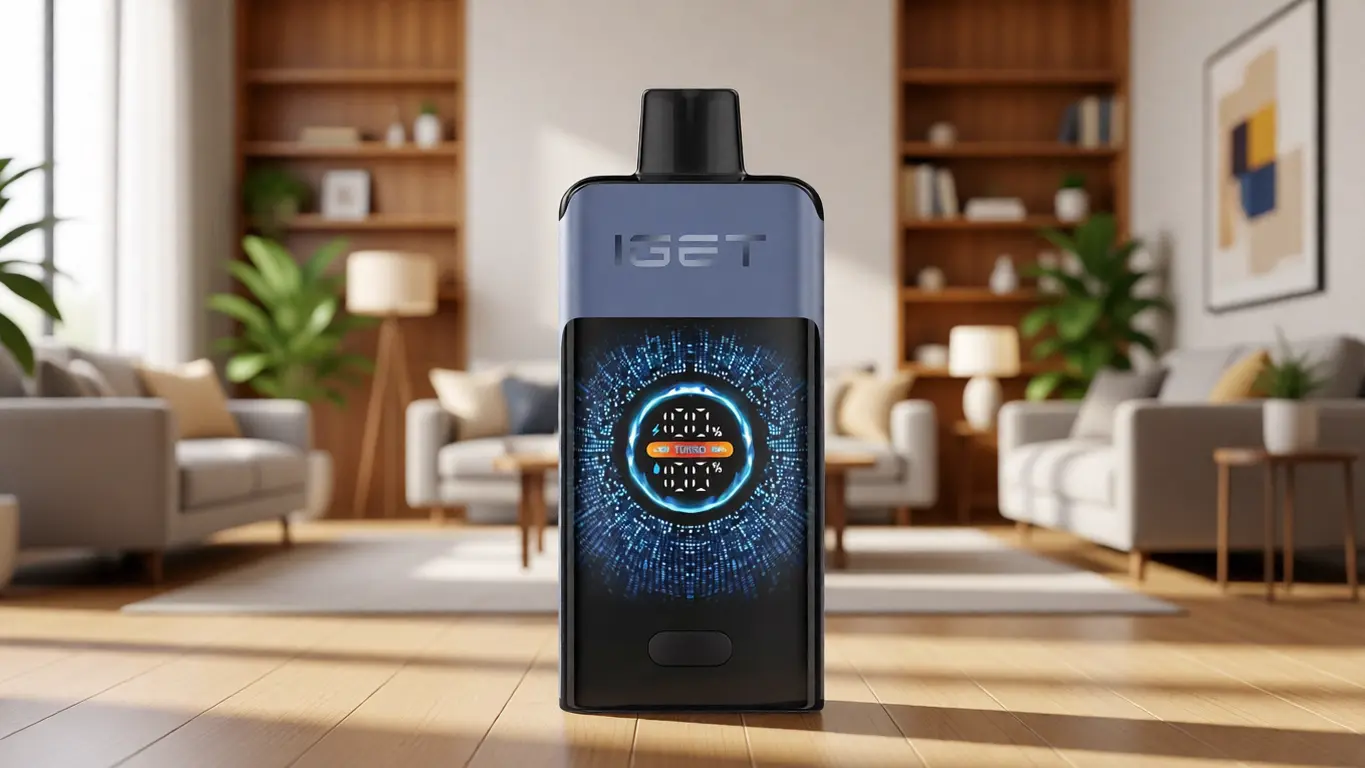
This article is a practical reference for anyone who has noticed that telltale scent on a collar or cuff. It draws on materials science, common textile-care knowledge, and direct observation of how aerosolised compounds interact with different fabrics. It is not a marketing piece, nor does it assume every reader uses the same device. But where engineering choices influence odour persistence, we will note them plainly. And in the background, retailers such as OZVAPE Shop that focus on tech‑forward, well‑documented devices offer a useful starting point for users who want to reduce the issue at its source — not because any device is odourless, but because design consistency matters.
Understanding the Nature of Vape Residue and Why It Clings
The odour that settles on clothing after use is not a single substance. It is a mixture of vapourised base liquids — primarily propylene glycol and vegetable glycerin — along with trace amounts of flavour compounds and, depending on the device, the by‑products of heating. Unlike smoke, which contains tar and heavy particulates that mechanically bind to fibres, vape aerosol is an aerosolised liquid that condenses back into a thin film once it contacts cooler surfaces. That film is hygroscopic, meaning it draws in moisture from the air, and it is this damp, slightly oily layer that traps and slowly releases aromatic molecules.
Three practical points are worth understanding:
Fabric structure matters enormously. Tightly woven synthetics such as polyester or nylon give the film fewer crevices to grip, so they release odour more quickly. Natural fibres — cotton, linen, wool — are porous and absorbent. A wool jumper can hold onto scent for days if not treated.
Freshly generated aerosol sticks better than stale air. If you use a device in a confined space where clothing is present, the airborne particles are still semi‑liquid when they meet the cloth. Once they dry, removal becomes harder.
Flavour profiles influence persistence. Heavier, creamy, or sugary flavour signatures seem to leave a residue that is more tenacious than lighter, citrus‑based profiles. This is anecdotal but widely reported, and aligns with how different volatile organic compounds interact with textiles.
There is no engineering panacea. Even the most precisely calibrated device produces an aerosol that will settle somewhere. But the volume and temperature of the output — and therefore the amount of film deposited per session — do vary with the quality of the device. A unit that maintains stable power delivery and avoids overheating will generally generate a less chaotic aerosol, which may translate to less stray residue. That is not a promise; it is a tendency worth factoring into equipment decisions.
Proven Methods to Eliminate Vape Smell from Clothes
The approaches below are ordered from least to most intensive. None of them damages fabrics if applied correctly, but they are not universal: always check the care label first.
Immediate Airing and Mechanical Action
If you catch the odour early — within hours — often the best first step is pure air movement. Hang the garment outdoors in a shaded, breezy spot for two to four hours. Direct sunlight can accelerate the breakdown of odour‑causing compounds via mild UV oxidation, but it can also fade dyes, so shade is safer. For jackets or heavy fabrics, a few sharp shakes and a session on a garment steamer (without detergent) can dislodge surface residue. The steam helps re‑liquefy the film so it evaporates more readily.
Fabric‑Safe Absorption Sprays
A spray of cheap, unflavoured vodka diluted 1:1 with water is a long‑standing costume‑department trick. Lightly mist the garment, focusing on the lining and underarm areas where aerosol tends to collect. The alcohol dissolves the oily film and then evaporates, carrying many of the trapped molecules away. Within an hour, the alcohol scent vanishes too. White vinegar diluted 1:3 with water works on a similar principle, but its own smell takes longer to dissipate. Avoid products marketed as “vape odour eliminators” that contain heavy perfumes; they often mask rather than remove.
The Right Washing Protocol
When it is time for a full wash, a few adjustments improve results dramatically:
Pre‑soak in cold water with baking soda. One tablespoon of baking soda per litre of water helps neutralise acidic components and loosens the glycol film. Soak for at least 30 minutes before the main cycle.
Use a heavy‑duty liquid detergent, not pods, so you can control dosage. Liquid detergents are better at emulsifying the oily residue than powders.
Add a cup of white vinegar to the rinse cycle. This helps strip any remaining film and also reduces static, which can re‑attract airborne particles.
Wash on the warmest setting the fabric allows. Heat lowers the viscosity of the residue, making it easier to carry away.
Air dry completely, preferably in moving air. Tumble drying can bake any remaining residue into the fibres, creating a stubborn background note.
For dry‑clean‑only items, ask the cleaner specifically to address “oily residues.” Professional hydrocarbon solvents are highly effective at dissolving glycol films.
Deep Cleaning for Stubborn Cases
If a garment has accumulated residue over many exposures, an enzyme‑based pre‑treatment (such as the ones sold for pet odours) can break down the organic molecules. Apply, let sit, then wash as above. For outerwear with technical membranes, use a cleaner specifically designed for breathable fabrics; standard detergent can clog the pores and trap odour. In extreme cases, an overnight soak in an oxygen bleach solution (like sodium percarbonate) will oxidise stubborn compounds without damaging colours, but test a hidden area first.
Factors That Influence Odour Persistence in Real‑World Use
The techniques above will handle most situations, but understanding why some people struggle more than others can prevent the problem from recurring.
Device design and operational temperature. Not all devices atomise liquid with the same efficiency. A poorly regulated power source can cause intermittent overheating, producing larger particles that fall out of the air more quickly and deposit a heavier film on nearby surfaces. Units that use mesh‑type heating elements with precise temperature control tend to yield a finer, more uniform aerosol that stays airborne longer and settles less aggressively on clothing. While no device manufacturer advertises this, users who report less residual odour often describe units known for consistent thermal management. For those who want to explore devices built around these engineering principles, retailers like OZVAPE Shop stock a range that is at least documented enough to compare specifications side by side.
Environmental airflow. A room with closed windows and still air traps vapour around the user. Even a small fan directed away from the body reduces the amount that reaches clothing by a surprising margin.
Personal technique. Holding a device so exhaled aerosol rises away from the torso helps; many people unconsciously direct the plume downward onto their own chest. It sounds trivial, but over a week, the difference in residue accumulation becomes measurable.
Fabric choices for habitual users. If you routinely notice smell on certain items, choosing an outer layer made of tightly woven nylon or a polyester‑blend shell makes cleaning simpler and reduces uptake. Keep a designated jacket for environments where the issue is likely — a lightweight windbreaker is easy to wash and dry quickly.
Common Mistakes That Make the Problem Worse
Experience shows that even small missteps can turn a manageable issue into a permanent one.
Applying heat before removing the oily layer. Ironing or tumble drying a garment that still carries residue causes the film to polymerise into a harder, more adhesive coating. If you must use heat, wash first.
Over‑using fabric softeners. Softeners work by depositing a waxy layer on fibres. That layer can entrap odour molecules and make them harder to extract in subsequent washes.
Assuming all cleaning products are equally effective. Multi‑surface sprays, many air fresheners, and even some “fabric mists” are designed to cover smells with fragrance, not to lift the residue. Masking a problem is not the same as solving it.
Neglecting the interior of bags and storage spots. A coat hanging in a closed cupboard can re‑absorb odour from the air. If the cupboard itself smells, address the source — a bowl of baking soda or activated charcoal helps passively.
Frequently Asked Questions
Q: Does the type of device really make a difference to how much smell sticks to clothes?
A: It can, indirectly. Devices that provide stable, lower‑temperature output and consistent atomisation tend to produce a less dense aerosol that drifts further before settling. This reduces the concentration of residue on the user’s immediate clothing area. However, no device is smell‑free; all produce an aerosol that will eventually settle somewhere.
Q: How can I tell if a cleaner is safe for technical fabrics?
A: Check the product label for compatibility with “Gore‑Tex” or “eVent” or similar breathable membranes. If in doubt, use a cleaner specifically marketed for outdoor technical gear. Standard detergents can leave behind surfactants that reduce breathability and trap odour.
Q: Is it safe to use baking soda on dark colours?
A: Yes, when dissolved. Undissolved baking soda can occasionally leave white marks, but a pre‑soak in fully dissolved solution is safe for most colourfast fabrics. Rinse thoroughly.
Q: Why does the smell linger more on some days than others?
A: Humidity matters. On damp days, the hygroscopic film absorbs moisture from the air and plumps up, releasing aromatic molecules more noticeably. You are also more likely to notice the smell when entering a dry indoor environment from a humid one.
Q: Can I use an ozone generator to treat clothes?
A: Ozone can break down organic odour molecules, but it can also degrade elastic fibres and rubber components. For clothing, it is safer to stick with washing and airing. Ozone generators are better suited for treating unoccupied rooms.
Q: Do air purifiers help reduce odour on clothes?
A: A HEPA filter alone does not trap volatile organic compounds, but an activated carbon filter can adsorb some of the odour molecules from the air, reducing the amount that eventually settles on fabrics. It is a supportive measure, not a standalone solution.
Q: How often should I wash items that are regularly exposed?
A: If you wear the same jacket daily, aim for a thorough wash every week to ten days, with airing in between. The film builds up cumulatively, so regular maintenance prevents the need for aggressive cleaning later.
Q: What should I do if a professional cleaner cannot remove the smell?
A: That is rare but can happen with deep‑set residue on delicate fabrics. Try an enzyme‑based soak, or consult a specialist in restoration cleaning. Sometimes multiple gentle cycles are more effective than one aggressive treatment.
The Take‑Home Point: Control What You Can Control
Removing vape odour from clothing is not a mystery. It is a straightforward materials problem: an oily film that needs to be dissolved, emulsified, and rinsed away. The methods that work best — alcohol sprays, baking soda soaks, vinegar rinses, thorough air drying — are cheap, widely available, and grounded in basic chemistry. The main variable is how much residue reaches your clothes in the first place.
That brings us back to the device in your hand. While no product eliminates the issue, there is a quiet value in choosing equipment that behaves predictably, operates at stable temperatures, and is supported by clear documentation. It allows you to at least set a baseline — to know that the aerosol you are producing is as consistent as current engineering allows. For adult users who want to make informed decisions, a curated source like OZVAPE Shop can cut through the noise, offering factory‑certified devices with specifications that can be checked and understood.
Ultimately, the right cleaning routine, paired with a little awareness of airflow and fabric choice, puts you back in charge of the situation. The goal is not an odour‑free existence — that is unrealistic — but an environment where the scent is a non‑issue, something that disappears as quickly as the vapour itself.