
VAPE FAQs
How To Get More Hits Out Of Disposable Vape?
Aug
It’s a familiar frustration: you pick up a device that should comfortably last through a weekend, yet by late afternoon the output has weakened, the flavour has turned thin, and the LED blinks in a way that suggests you’ll soon be reaching for a backup. The conversation around “puff counts” and “rated capacity” rarely addresses why two devices with identical numbers can deliver such different real‑world lifespans. The answer isn’t hidden in clever engineering tricks; it lies in understanding how these compact sealed instruments actually behave and where most users unknowingly accelerate their own depletion.
At OZVAPE Shop we believe that transparent product information and a clear-eyed understanding of device design are the antidote to guesswork. What follows is a practical analysis of the factors that determine how many satisfying draws you can genuinely expect, and a framework you can apply immediately to extend the useful life of the device already in your hand. No gimmicks — just a senior product analyst’s take on the engineering, physics, and daily habits that matter.
Understanding What Matters: The Engineering Beneath the Counter
A disposable device is a sealed system that manages an energy source, a conductive heating element, a reservoir of liquid, and an airflow path. When any of those subsystems underperform or are used in a way that stresses their limits, the user feels it as a shortened lifespan. The key is to recognise where the real constraints live.
Internal Architecture and Output Consistency
Most disposable devices use a simple vertical coil wrapped in cotton, sitting inside a reservoir saturated with liquid. The coil doesn’t fail suddenly; it degrades. Each heating cycle leaves behind a microscopic layer of residue on the wire, gradually reducing its ability to vaporise liquid efficiently. Eventually the coil either overheats the remaining liquid (producing harsh, unpleasant draws) or simply refuses to maintain a stable temperature.
Why this matters: a device rated for “600 puffs” assumes a standard draw duration and a uniform coil performance. In reality, after about two‑thirds of that rated life, many coils have become significantly less efficient, meaning longer draws are needed to achieve the same sensation — which in turn drains the battery faster and stresses the wicking. The result is a downward spiral. Devices that engineer around this, for example by using mesh coils or larger wicking ports that keep liquid delivery consistent even when viscosity begins to rise, tend to deliver a more linear experience with fewer “wasted” puffs near the end. When you encounter a device that still delivers a clean, dense draw after several days of use, that’s not luck — it’s the result of a coil geometry and wicking architecture that was designed to cope with real‑world thermal cycling.
Power Management and Status Transparency
Not all batteries are treated equally. A lithium‑ion cell tucked inside a disposable unit has no sophisticated battery management system — just a fixed voltage output and, in some cases, a voltage‑cutoff threshold. As the cell’s voltage sags under load, the heating element receives less power, so even if liquid remains, the vapour production drops. Users often discard a device at this point, assuming it’s empty, when in truth the battery has simply fallen below the threshold needed to achieve a satisfying temperature.
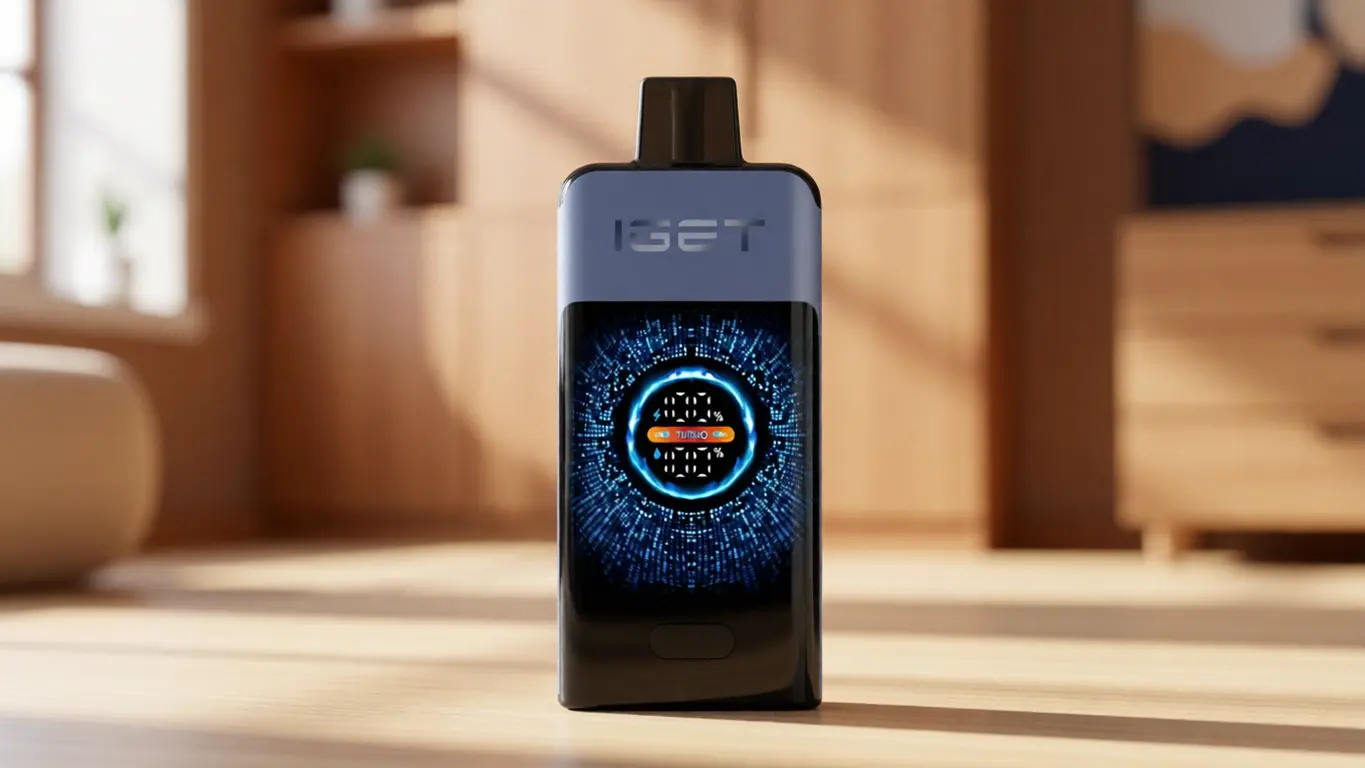
Clear status indicators matter immensely here. If the device gives you no feedback about remaining battery capacity or coil operation, you’re flying blind. You may start taking longer, harder draws to compensate, which increases the risk of localised scorching and accelerates battery drain. A simple multi‑stage LED (green, amber, red) or a digital puff counter eliminates that ambiguity. For example, some current‑generation devices display a segment‑based indicator that tracks not just battery level but also liquid consumption, giving you an informed sense of when performance will begin to taper. That forewarning alone can prevent the behavioural patterns that waste hits.
Physical Design and Material Durability
Durability isn’t just about surviving a drop on concrete. It’s about how the device tolerates being carried in a pocket for ten hours, subjected to body heat, lint, and the occasional brush against keys. The mouthpiece shape dictates how naturally you can draw without forcing excess air through the system, which in turn affects coil saturation. A mouthpiece that encourages slow, gentle pulls will preserve both coil life and battery efficiency — and yet this is rarely mentioned on a spec sheet.
Surface finish matters too. A soft‑touch coating that wears off within a week isn’t just cosmetic; debris from that coating can collect around the airflow inlet, subtly changing draw resistance and making you re‑adjust your pulling style. Hard anodised finishes and machined metal bodies maintain clean airflow paths and resist the kind of particulate shedding that silently handicaps a device over time.
Modularity and Lifecycle Flexibility
Most disposable devices are exactly that — single‑use, sealed into a landfill fate once the liquid or battery is depleted. But the engineering world has moved toward partially modular architectures: some units now feature rechargeable batteries even though the cartridge remains non‑replaceable, while others allow top‑up of e‑liquid via a sealed port. These choices represent a trade‑off between the absolute simplicity of a fully disposable unit and the flexibility to stretch a device’s life across twice or three times as many puffs.
From a total‑cost‑of‑use perspective, a device with a USB‑C charging port might deliver 80% of the experience of a premium closed system, but if you can refill the battery three or four times before the coil fails, your effective cost per satisfying draw drops dramatically. The downside is increased complexity — you now have to manage a charging cycle and ensure you don’t over‑discharge the cell. Users who prioritise “pick up and go” may find this burdensome; those who value longevity often adopt it gladly.
Applying These Criteria to Real‑World Options
When you walk the market, you’ll see devices that embody these design philosophies to varying degrees. Rather than ranking brands, it’s more instructive to examine how specific product families map onto the factors that actually determine usable hit count.
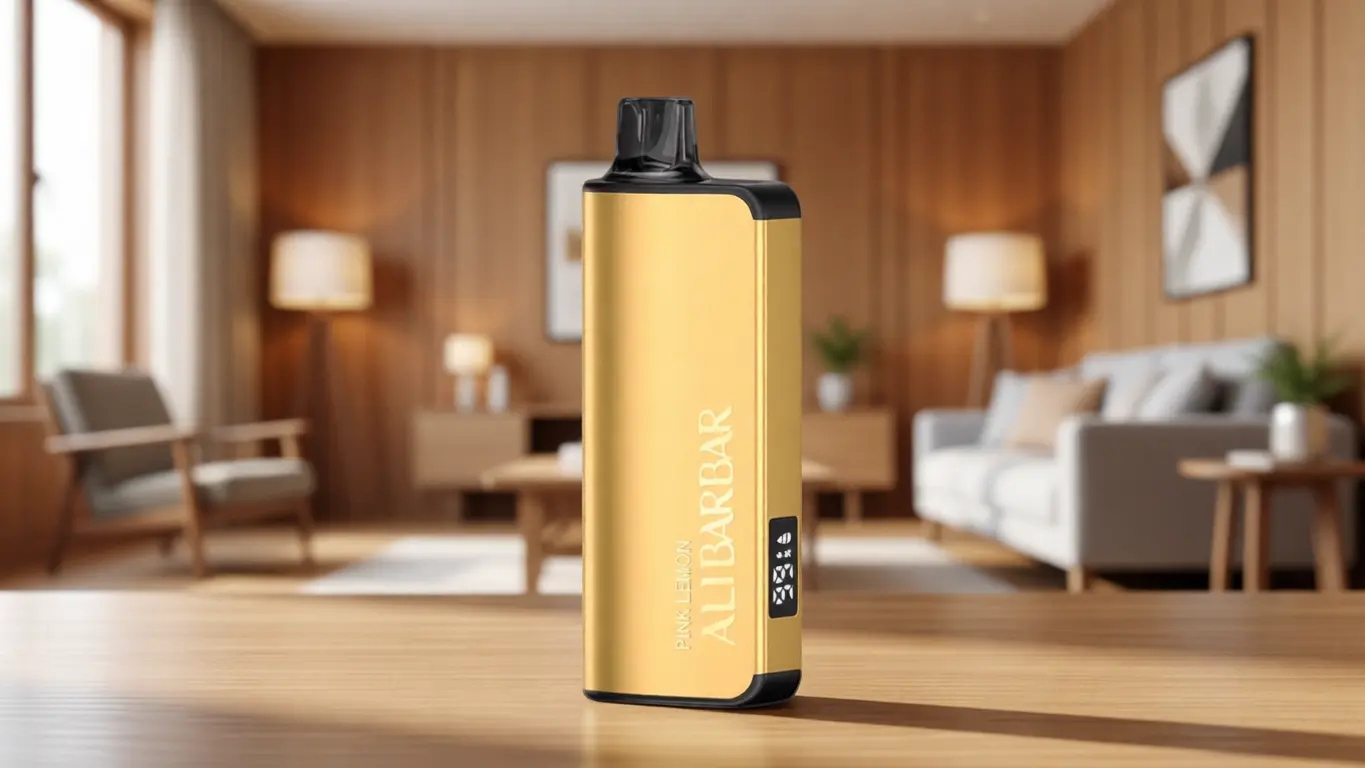
Consider a family of devices built around large‑capacity sealed pods but equipped with dynamic LED feedback. The ALIBARBAR INGOT series, for instance, integrates a multi‑segment digital display that reads out remaining battery and liquid levels in plain numbers rather than a cryptic colour flash. This is not a gimmick: it directly addresses the “premature battery death” frustration by letting you see exactly when the voltage is dipping, so you can recharge before the next session begins. A user who sees “25% battery” after a long evening will charge the device, come back to it, and extract another evening’s worth of draws — hits that would have been abandoned if they’d assumed the device had simply run dry.
Similarly, devices that have adopted mesh coil architecture — not the traditional round‑wire coil — tend to spread heat more evenly across the wicking surface, reducing hot‑spots and extending the period during which draws taste clean. This matters at the end of a long day when many round‑coil units start to taste faintly burnt even though liquid remains. Mesh coils don’t eliminate the eventual decline, but they push it further out in the usage curve.
There are trade‑offs: large‑capacity devices that can deliver 12,000+ draws obviously have bigger batteries and reservoirs, but they also have more thermal mass and can take longer to cool between sessions. This can trap residual heat and subtly accelerate wick drying if you’re a frequent drawer. A smaller, more thermally nimble device might actually deliver a higher percentage of its rated puff count under heavy use, simply because it dissipates heat faster.
The takeaway for a user is not to chase the highest advertised puff number, but to look for evidence of transparent status communication and coil technology that matches your actual pattern of use — short, frequent pulls versus long, spaced‑out sessions.
A Practical Framework for Extending Device Life
The following methodology doesn’t require special tools or technical knowledge. It’s a set of observation points and gentle adjustments that can, in practice, yield a noticeable increase in the number of genuinely satisfying draws you get from any disposable device.
1. Prime and settle
When you first unbox a device, give the liquid ten to fifteen minutes to fully saturate the cotton around the coil. Air‑pressure changes during shipping can displace liquid, and a dry or partially dry wick will scorch on the very first draw, permanently damaging the coil’s surface. That first‑draw burn is responsible for a significant chunk of devices that “taste off” right away. A simple rest period costs nothing.
2. Draw like you’re sipping, not gulping
The hardest thing for many users to internalise is that a longer, harder draw does not produce proportionally more output once the coil reaches its thermal limit. After about 2.5–3 seconds on a standard device, the wicking may not keep up with the heat, and you start pulling in hot air that desiccates the cotton. Aim for draws of 2–3 seconds with a natural pause between them. If you need a more intense experience, choose a device with a higher‑output coil specification rather than forcing the one you have.
3. Keep the device upright
Gravity matters. In a horizontal position, liquid can pool unevenly and expose a portion of the wicking ports. Over time, this partial‑dryness creates a gradient of coil wear, so part of the coil degrades faster than the rest and you start tasting off‑notes. Store and carry the device upright whenever practical — even a slight tilt toward the coil’s side can help if the wicking ports are positioned accordingly.
4. Respect the LED
If your device offers any status indication at all, use it as a boundary signal. A flashing light often means the battery is nearing its cutoff voltage; drawing further may dip the voltage below the point of recovery when the device is idle, reducing what you can extract later. Rechargeable units should be topped up at the first sign of amber or red, never run fully flat.
5. Control the environment
Extreme heat thins the liquid too much, causing flooding and spit‑back. Extreme cold thickens it, starving the coil. Both conditions force you to draw differently and waste material. Room‑temperature storage (and allowing a cold‑soaked device to reach room temperature before using) is one of the cheapest ways to protect hit quality.
6. Audit your session length
Chain drawing — three, four, five consecutive pulls without letting the wick re‑saturate — is the single fastest way to burn a coil prematurely. Even a thirty‑second pause allows capillary action to do its work. If you find yourself chain drawing out of habit, consider a device with a larger heating‑element surface area that’s engineered for consecutive use.
Common Selection Errors and Industry Observations
After observing purchasing patterns and user feedback across thousands of interactions, certain errors keep surfacing — errors that are entirely avoidable once you know to look for them.
Error 1: Fixating on a single puff‑count number
A device labelled “3000 puffs” versus “5000 puffs” tells you nothing about how long those puffs feel satisfying. A smaller device with superior temperature regulation and wicking may deliver 2500 genuinely enjoyable draws, while a larger one might give you 5000 draws of which 2000 are thin and underwhelming. The numerical rating is often an optimistic lab number derived under conditions you’ll never replicate. Better to look for evidence of design choices — mesh coil? status indicator? — that correlate with real‑world consistency.
Error 2: Assuming visual similarity means internal parity
Two devices can look almost identical — same shape, same colour palette — and yet be manufactured in different facilities with different coil grades, battery cells, and liquid formulations. The market is replete with look‑alikes that cut costs on the components you never see. Buying through a retail channel that document‑verifies factory certification is a practical safeguard against this.
Error 3: Undervaluing modularity in cost‑per‑use calculations
A fully disposable device at a lower sticker price might appear cheaper, but if you’re discarding it because the battery died while liquid remained, you’re leaving paid‑for value on the table. A rechargeable unit that lets you fully utilise the reservoir can shift the effective cost per satisfying draw significantly downward — often by 30–40% — despite a higher upfront investment. Run the numbers over a typical month, not a single purchase.
Error 4: Confusing device category names with technical specification
Terms like “disposable,” “rechargeable disposable,” or “pod system” are marketing categories, not engineering definitions. A “rechargeable disposable” may still have a sealed, non‑refillable pod; it simply breaks the battery‑life bottleneck. Understand what is actually user‑serviceable rather than relying on the label. When in doubt, consult a specification sheet that lists charging capability, liquid capacity, and coil resistance explicitly.
From an industry perspective, the convergence toward integrated LED displays and mesh coils across many product lines reflects a genuine response to user demand for reliability and predictability — not a branding exercise. Companies that adopt these features are betting that an educated customer who can see device status in real time will experience deeper satisfaction and return. And that bet is supported by the simple physics: information reduces waste.
Frequently Asked Questions
Q: Can I really trust the puff count printed on the box?
A: That number is typically measured in a controlled lab with a standardised 1‑second draw, minimal inter‑draw pause, and ideal ambient conditions. Your actual count will vary based on draw length, frequency, and storage. Use it as a rough comparative reference, not a guarantee.
Q: Why do some devices seem to lose flavour when there’s still liquid visible?
A: Flavour loss often indicates the coil has accumulated enough residue that vaporisation efficiency has dropped. Liquid may still be present, but the heating element cannot wick and vaporise it effectively. This is a natural end‑stage behaviour and is not user error.
Q: Is it safe to continue using a device after the LED blinks or the display shows zero?
A: When a device signals empty, it’s because the battery voltage has fallen below a safe operating threshold or the device’s firmware has activated a cut‑off to prevent deep discharge. Continuing to draw may stress the cell, produce no vapour, and potentially cause leakage. It’s best to retire the device at that point.
Q: Can I store a disposable device for later after I’ve started using it?
A: Once airflow has been introduced and the coil has been heated, the device enters a gradual state of degradation. Short‑term storage (a few hours) is fine if kept upright at room temperature. Long‑term idle over days or weeks will likely result in a stale, muted experience when you return.
Q: What’s the practical difference between a rechargeable disposable and a non‑rechargeable one?
A: In a non‑rechargeable unit, the battery often depletes before the liquid is exhausted, leaving unused contents. A rechargeable unit lets you replenish the power, using the full liquid reservoir. The coil remains the limiting factor, but you typically get closer to the rated puff count.
Q: I’m getting weak vapour even on a full charge — is the device defective?
A: Not necessarily. If the ambient temperature is very cold or the device has been stored sideways, the wicking may be temporarily compromised. Let it rest upright at room temperature for 20 minutes and try again. If the problem persists, the coil may have become damaged during storage or transit.
Q: How do I know if I’m drawing too hard?
A: A properly functioning device should deliver a smooth, consistent vapour with light to moderate draw effort. If you hear gurgling or feel liquid near the mouthpiece, or if the vapour feels unpleasantly hot, you may be drawing too forcefully. Adjust to a softer, slower pull.
Q: What should I do with a device that no longer works but appears to have liquid?
A: If the LED indicates a drained battery and it’s non‑rechargeable, the device has reached its end of life. Do not attempt to pry open or disassemble the unit, as the lithium cell presents a safety risk. Dispose of it according to local electronic waste guidelines.
Q: Is there a way to verify the authenticity of a device before relying on its rated specs?
A: Purchase from retailers that source directly from authorised distributors and provide a verifiable product verification code on packaging. Authentic devices use consistent component batches and will behave closer to design intent; counterfeits often use inferior cells and coils that skew hit counts.
Q: Can I recharge a device that was marked as non‑rechargeable?
A: No. Devices that are not engineered with a charging port lack the required protection circuitry. Forcing current into such a cell can cause thermal runaway. Only recharge devices that explicitly include a USB‑C or similar port and manufacturer‑specified recharging instructions.
Conclusion: Hits Are a Variable You Control
The usable lifespan of a disposable device is not a fixed fact; it’s an outcome shaped by engineering choices and, equally, by the way you use and store the unit. By understanding the interplay of coil condition, battery behaviour, and simple environmental factors, you shift from being a passive consumer of a synthetic “puff count” to an active manager of your own experience. The devices that communicate their status honestly and are built with heat‑management in mind give you a far better chance of extracting meaningful draws to the very end.
Resources that present standardised specifications and genuine product insights — like those maintained at OZVAPE Shop — lower the information asymmetry that causes so many users to feel they “got less” than they paid for. The right choice is not the one with the biggest number on the box, but the one whose design aligns with your real‑world rhythm: how often you draw, how long you pause, and what kind of feedback you need to trust the device in your hand. Return that agency to yourself, and you’ll find that getting more hits isn’t a trick — it’s a predictable result of informed, deliberate use.