
VAPE FAQs
How To Get A Vape Pass Airport Security?
Sep
We’ve all seen it: a traveller at the security checkpoint, visibly anxious, pulling a small device from a carry‑on bag, unsure whether it’s allowed through. The rules around portable electronic devices on flights are scattered across multiple carriers, country‑specific regulations, and conflicting online advice, leaving even experienced travellers second‑guessing what to pack and how to pack it. This article breaks down what actually matters when you need to move through an airport with a personal vaporiser, so you can approach the screening lane with confidence rather than guesswork. It draws on publicly available aviation security guidelines, observable device engineering, and long‑standing retail feedback gathered by OZVAPE Shop from Australian adults who travel frequently. The goal is not to persuade you to buy a particular device, but to replace uncertainty with a clear, actionable understanding of the intersection between device design and airport security protocols.
Understanding What Matters: Travel Compliance and Device Design
Airport security screening does not evaluate your device; it evaluates whether your device violates the set of rules that protect the aircraft and its occupants. Those rules revolve around three core areas: power sources, consumables, and physical accessibility. A well‑designed travel‑ready device anticipates these constraints.
Battery Regulations and Power Source Considerations
Lithium‑ion batteries remain the single most scrutinised component at checkpoints. Civil aviation authorities — from CASA in Australia to the FAA and EASA — universally require that devices containing such batteries travel in carry‑on luggage only, never in checked baggage. The reasoning is straightforward: a thermal event in the cabin can be detected and managed; in the cargo hold, it cannot. For the traveller, this means any device with an embedded, non‑removable battery must remain in your immediate possession throughout the flight. Devices that allow battery removal, or that use non‑rechargeable sealed cells below the watt‑hour threshold (typically under 100 Wh), generally pass without incident as long as spare cells are protected against short circuits. The key frustration users report is that a device with a dying battery cannot simply be swapped; they end up carrying a backup unit, doubling the screening burden. Devices that transparently display remaining charge allow you to make rational decisions before you reach the airport, eliminating the anxiety of an unknown battery state.
Liquid, Pod, and Consumable Restrictions
The 100‑millilitre rule for liquids, aerosols, and gels applies to any refillable reservoir. TSA‑style screening will flag open bottles of e‑liquid, and some jurisdictions treat pre‑filled pods differently depending on whether they are factory‑sealed. A sealed, non‑refillable pod system occupies a regulatory grey area in many countries, but in practice, screeners tend to apply the liquid rule to any visibly liquid content. The safest approach is to carry any consumable containers in a clear, resealable bag along with other toiletries, and to choose devices where the consumable portion is factory‑sealed and meets the capacity limit. Modular systems that separate the liquid/reservoir from the battery provide an additional practical advantage: you can present the battery and the consumable module separately, reducing the chance that a screener will ask you to open a device they do not recognise.
Device Architecture and Carry‑On Packing
Security officers need to identify every electronic item in your bag. Devices with a simple, unambiguous form factor — a single‑unit body with no loose parts — tend to cause less secondary inspection than devices with detachable components that can rattle around. However, devices that can be fully disassembled make it easier to demonstrate compliance when questioned. The ideal travel vaporiser, from a screening perspective, is one that can be kept intact but can be taken apart if asked. Materials also matter: a device with a high‑quality surface finish that doesn’t flake or shed metallic particles avoids unnecessary suspicion. Similarly, a mouthpiece that can be covered or removed reduces hygiene concerns during the secondary inspection.
Status Indicators and Discretion at Checkpoints
A device that communicates its operational state clearly — via a bright LED, vibration, or a simple colour change — does more than improve daily use. In the security queue, it gives you the confidence that the unit is off (or in a locked state) before you place it in a tray. Ambiguous indicators force you to either activate the device briefly to confirm, which can escalate scrutiny, or simply hope for the best. That hope is what leads travellers to pack a backup device they never needed, simply because they couldn’t trust the primary unit’s dormant state.
Applying Travel Criteria to ALIBARBAR Options
Observable design choices across the ALIBARBAR catalogue make several of these devices practical companions for frequent flyers, though no device can guarantee passage — that depends entirely on the screening officer and the specific airline’s rules for that day.
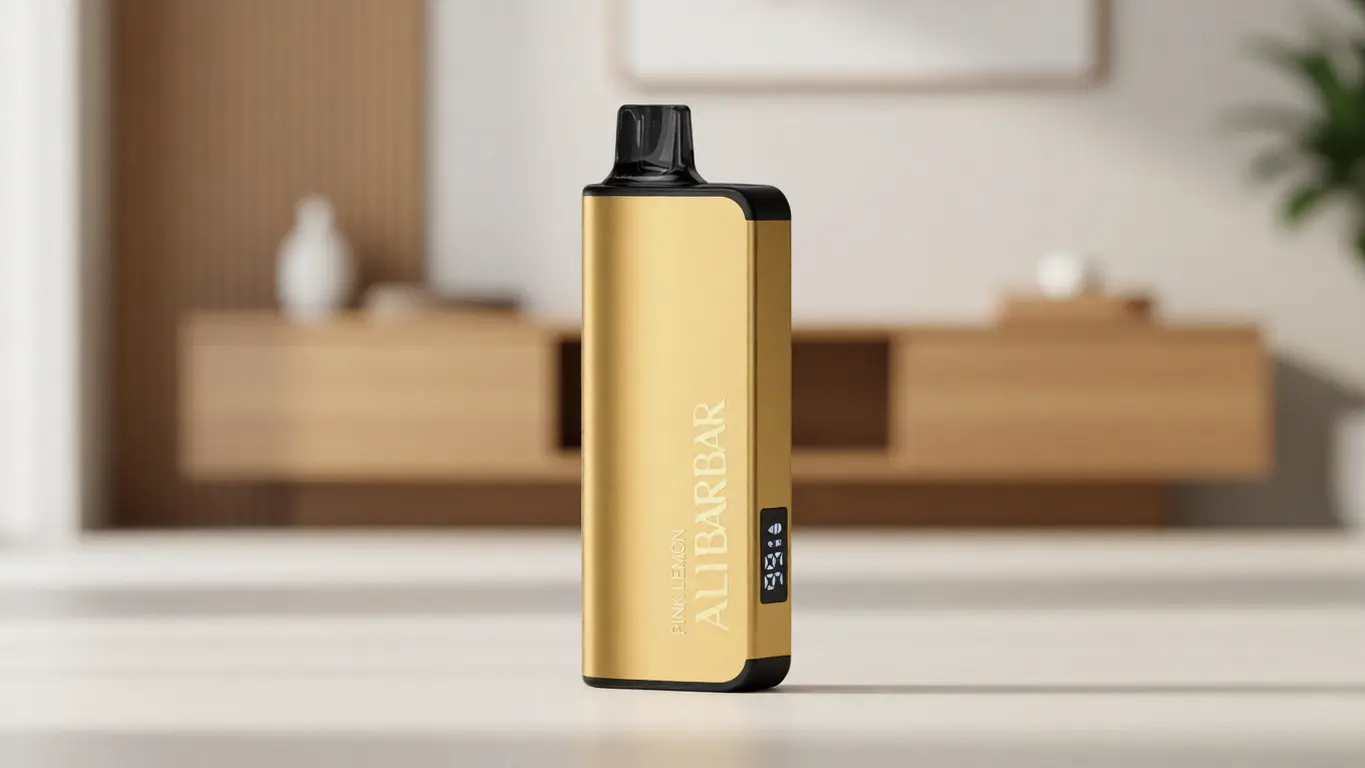
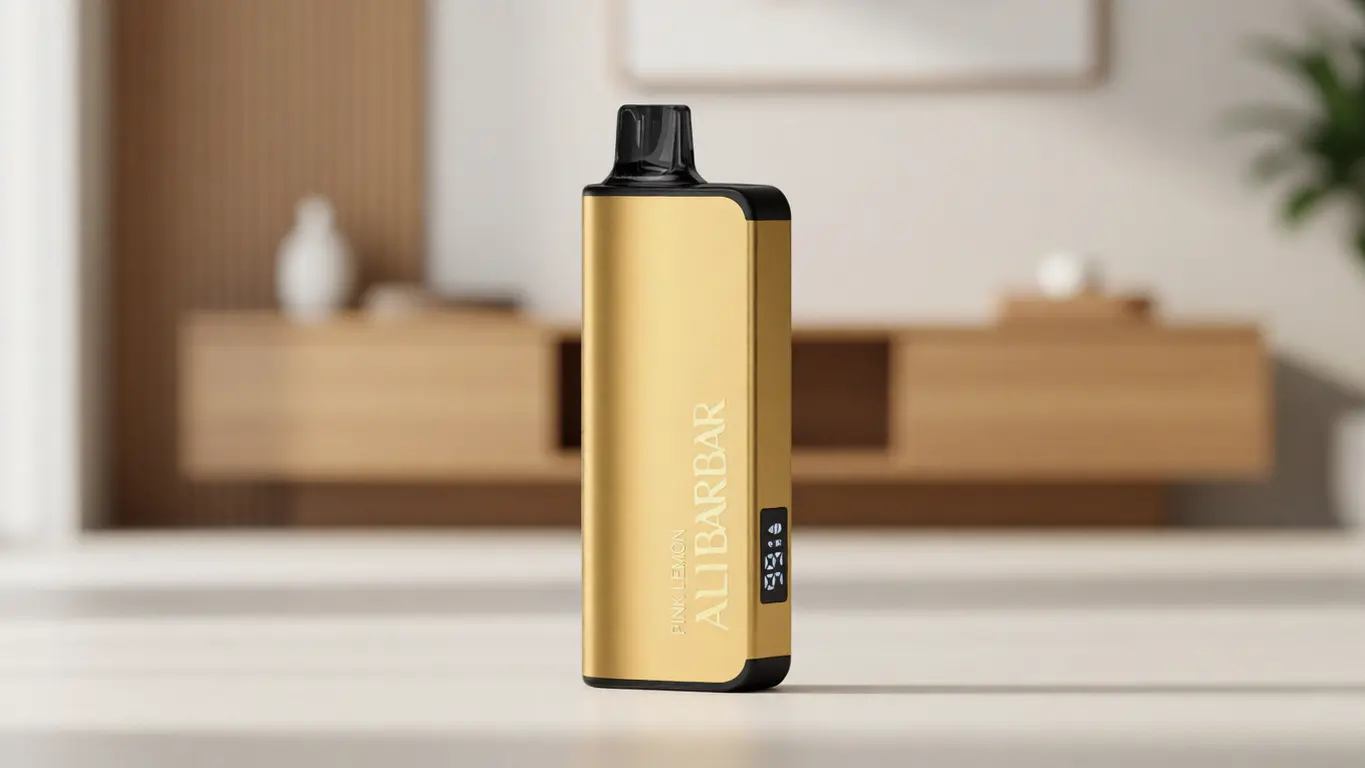
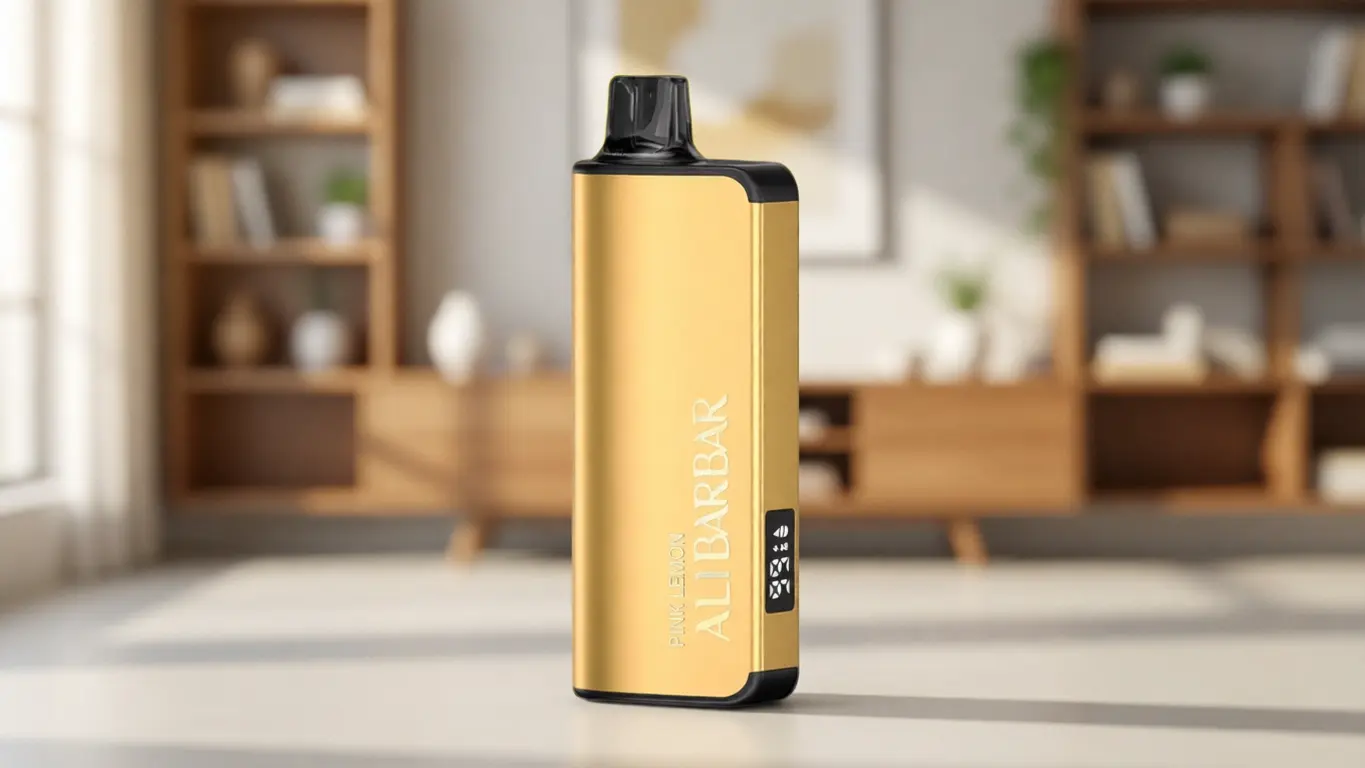
The ALIBARBAR INGOT 9000 demonstrates how a sealed, non‑refillable architecture removes liquid‑rule ambiguity. Its integrated battery and fixed consumable form a single, compact unit that slides into a pocket without catching on bag linings. Because there is no separate liquid container, the device does not require decanting into a clear plastic bag under current Australian domestic interpretations, though international terminals may differ. The battery indicator provides clear feedback, so you know before you leave the lounge whether you’ll need a secondary unit for a long‑haul flight.
For extended travel, the INGOT 15000 extends operational longevity without adding bulk that draws attention. Its larger internal capacity means fewer devices to carry and screen, which is a genuine convenience on multi‑leg journeys. The same sealed architecture applies, and the robust outer finish resists the kind of scuffing that can make a well‑used device look tampered‑with during a visual inspection.
The Ice Adjust 12000 introduces a different advantage: modular adjustment. While it remains a self‑contained system, the adjustability means users can prepare the device in a deliberately minimal configuration before screening, then restore their preference after passing through. This intentional pre‑flight ritual — reducing visible complexity — can help the device pass as a generic electronic item rather than something requiring specialist interpretation.
What ties these devices together, and makes them worth considering from a travel perspective, is that the accompanying retail experience through OZVAPE Shop provides verifiable specifications and factory‑certified inventory. When a security officer asks, “What is this, exactly?” being able to point to consistent documentation matters more than many travellers realise.
A Practical Framework for Evaluating Your Own Device Before a Flight
Use this checklist on any personal vaporiser you plan to carry, irrespective of brand:
Check the battery rating. If it is a lithium‑ion cell above 100 Wh, it will not be permitted. For removable batteries, tape the contacts and store each in a separate plastic case.
Determine whether the consumable section is sealed or refillable. If refillable, empty it before security and pack any liquid in a 100‑ml-or‑less compliant bag. If sealed, confirm the liquid volume is under 100 ml; many sealed pods are well within limits.
Verify the device can be powered off or locked. If it lacks a definitive off state, expect to be asked to demonstrate that it is not active. Devices with trigger locks or five‑click power‑off routines are far easier to manage.
Inspect the exterior. If the surface is peeling, dented, or covered in residue, clean it or replace it. Irregularities prompt secondary checks.
Consider packing strategy. Place the device in a tray alongside your phone and other small electronics, not buried inside a crowded bag. Visibility equals speed.
Know the airline’s specific policy. Some carriers prohibit use entirely on board, even if devices are permitted in carry‑on. Print or screenshot that policy if you anticipate a dispute.
Common Selection Errors and Industry Observations
Many travellers inadvertently undermine their own experience by making assumptions that do not survive contact with a security checkpoint.
Overweighting form factor while ignoring battery transparency. A sleek device that gives no reliable indication of remaining charge forces you into guesswork. The result is frequently carrying a spare unit unnecessarily, which doubles the electronics in your tray and increases the odds of a secondary hand‑search.
Assuming visual similarity equals equal travel readiness. Two devices that look identical on a shop shelf can have vastly different internal architectures — one with a factory‑sealed, low‑liquid pod, the other with a refillable tank that must be emptied. Retail channels that provide accurate, standardised specifications (as OZVAPE Shop does for ALIBARBAR products) help close this gap, but the responsibility remains with the user to look beyond the silhouette.
Undervaluing modularity in short‑layover scenarios. A device that cannot be easily broken down into its core components — battery, mouthpiece, consumable — forces you to present a single complex object to screening officers who may not recognise it. Simple, tool‑free disassembly adds seconds to the screening but can prevent minutes of questioning.
Confusing marketing terms with regulatory compliance. A product labelled “travel‑friendly” does not have any official standing. The only travel‑friendly device is one whose specifications you have personally cross‑referenced with the airline’s current dangerous‑goods policy and the airport’s security procedures. Making that cross‑reference part of your purchase routine — rather than an afterthought at the gate — is the single most effective step you can take.
From an industry perspective, the gradual move toward sealed‑pod architectures and clear charge indicators across mid‑range and premium product lines reflects a manufacturer awareness that travel compatibility is no longer a niche concern. Decisions made in the design phase about battery integration and fluid containment directly affect the device’s real‑world usability at airports, and retailers that document these decisions honestly are more likely to attract repeat buyers who travel.
Frequently Asked Questions
Q: Can I take a disposable vaporiser on a plane?
A: Yes, as long as it uses a lithium battery under 100 Wh and is packed in carry‑on luggage only. Disposables are typically factory‑sealed and present no refillable liquid, but you should still confirm the battery rating and comply with any airline‑specific restrictions.
Q: Do I need to remove the pod or cartridge before security?
A: If the pod is detachable and contains liquid, you may be asked to remove it and place it in your liquids bag if the liquid volume exceeds 100 ml. Factory‑sealed pods under 100 ml can usually stay attached, but be prepared to separate them if an officer requests it.
Q: What happens if a security officer wants to inspect my device?
A: Stay calm. Indicate that it is an electronic device with a battery and, if possible, demonstrate that it is powered off or locked. You may be asked to turn it on, so ensure it is functional. Comply politely; arguing will only delay the process.
Q: Are there any airlines that completely ban vaporisers from the cabin?
A: Some Middle Eastern and Asian carriers have strict “no e‑cigarette in cabin” policies, even if local regulations allow carry‑on. Always check the airline’s website before booking, as transgressions can lead to fines or denied boarding.
Q: Can I pack spare coils, chargers, or empty pods in checked luggage?
A: Yes, non‑battery accessories can go in checked baggage. However, any item containing a lithium battery (including built‑in chargers with batteries) must travel in the cabin.
Q: What about international flights? Do rules change?
A: Core lithium‑battery and liquid rules are nearly universal, but local interpretations vary. For example, some airports treat sealed pods as non‑liquid, others do not. Always research the departure and arrival country regulations separately.
Q: How can I verify my device is genuine, not a counterfeit, which might have a non‑compliant battery?
A: Purchase from authorised retailers with documented supply chains. At OZVAPE Shop, each ALIBARBAR unit is factory‑certified, and specifications are listed clearly, enabling you to cross‑check battery details before travel.
Q: Does a device with a removable battery make airport security easier?
A: Yes, because you can show the battery separately. Pack the removed battery in a protective case and place it in the electronics tray alongside the device. This demonstrates that the device is not an active power source during the screening.
Q: Should I carry my device in my pocket or in my bag through the metal detector?
A: Neither. All electronic devices must be removed from both pockets and bags and placed in a separate tray for x‑ray screening. Wearing it through a walk‑through metal detector will result in an alarm.
Q: What if my device is confiscated at the checkpoint?
A: Security personnel are not required to hold items for you. Once confiscated, retrieval is unlikely. This is why verifying compliance before travel is essential. A compliant device, presented confidently, is almost never taken.
Conclusion
Airport security with a personal vaporiser becomes unpredictable only when you treat the device as an unknowable black box. The rules — battery carriage, liquid limits, transparent status — are knowable, and the devices that align with them share a set of observable engineering traits: sealed or easily emptyable consumables, batteries that can be verified at a glance, and a physical design that doesn’t invite suspicion. Whether you choose a compact sealed unit like the INGOT 9000 or a higher‑capacity travel‑oriented option, the decisive factor is rarely the brand name; it is the consistency of information and the integrity of the supply channel that stands behind the product. For Australians who want that baseline of authenticity and documented specs, OZVAPE Shop offers a carefully curated ALIBARBAR catalogue that removes one layer of uncertainty. Ultimately, the right travel device is the one whose specifications you trust enough to leave the backup at home.