
VAPE FAQs
How To Fix Vape After Dropping In Water?
Jun
OZVAPE Shop has spent years helping users understand the devices they rely on, and one of the most panicked inquiries we receive starts exactly the same way: “I dropped my vape in water. Is it ruined?” The answer depends less on luck and more on the engineering of the device, the nature of the exposure, and — most critically — what you do in the first sixty seconds. This guide is not a collection of hopeful myths. It is a methodical, engineering‑grounded recovery protocol that explains what water actually does to a portable electronic device, which steps can genuinely improve its chances, and when replacement is the only sensible path.
Understanding What Water Does to a Vape – The Physics of Failure
Before you reach for a bag of rice or frantically press the fire button, it helps to understand the enemy. Water damage in a vape is not about the liquid itself. It is about three destructive mechanisms that work in sequence, and each one requires a different countermeasure.
Electrolytic Shorting and Trace Destruction
Modern vape electronics operate at low voltages, but even 3.7V across the wrong two points on a damp circuit board can create a microscopic but rapid chain reaction. The water acts as an electrolyte, allowing current to flow where it was never intended. This instantly overheats and vaporises the thin copper traces inside the PCB, severing connections that cannot be repaired without board‑level soldering. The damage can occur in milliseconds — long before you notice anything is wrong.
What makes this especially dangerous is that a short may not destroy the entire device at once. It can partially disable the protection circuitry, allowing the power cell to discharge into a damaged path. A device that appears to “wake up” after drying might fail days later when a weakened trace finally breaks under thermal stress. This is why recovery is never guaranteed, even if the device seems to spring back to life.
Capillary Action in Unsealed Enclosures
The housing of a typical draw‑activated or button‑fired device is not waterproof. It is, at best, splash‑resistant around the USB port — if the designer included a gasket. Water does not need a wide opening. Once it touches the seam between the chassis and the mouthpiece, or the poorly sealed edges of a view window, surface tension draws it inside through capillary action. The liquid wicks into the tightest spaces: under the chipset, inside the firing switch, and between the layers of the battery wrap.
This is why a device dropped in a shallow puddle for a split second can suffer more internal contamination than one quickly dunked in a deep sink. Shallow water maximizes the time the device’s seams are in contact with the liquid surface, pulling moisture deep into the internals. Counterintuitively, a rapid plunge into deep water and immediate retrieval sometimes limits ingress if the device is pulled out before capillary forces fully engage. Timing matters.
Galvanic Corrosion of Battery Contacts
The lithium‑ion cells inside most vapes are sealed metal cylinders, but the contacts that connect them to the rest of the device are not. Nickel, nickel‑plated steel, or even bare copper tabs encounter water and the small but constant voltage potential between the battery poles. In the presence of moisture, this creates a galvanic cell — the same principle that makes a lemon battery work. Corrosion begins at the positive terminal almost instantly, forming a layer of non‑conductive oxide that increases resistance, generates heat, and can eventually sever the electrical connection entirely.
Even if the device functions initially, the internal contacts may continue to corrode over the following days, leading to intermittent power failure, reduced capacity, or unsafe heating. This is why a proper recovery procedure must include inspection and cleaning of battery contacts, not just drying the outside.
The Step‑by‑Step Recovery Protocol
If your device has just been exposed to water, the sequence below is ordered by urgency. Skipping a step or applying a popular but incorrect remedy can turn a potentially recoverable situation into irreversible damage.
1. Remove Power Source Instantly (Seconds 1–5)
If the device uses a replaceable battery, eject it immediately. Do not press any buttons. Do not test if it still works. Every fraction of a second that the battery remains connected in a wet circuit increases the probability of permanent short‑circuit damage. If the device is sealed and the battery cannot be removed by the user, your only option is to release any remaining charge safely. Do not attempt to fire the device — you would only push current through compromised pathways.
2. Absorb Surface Moisture, Do Not Shake (Seconds 6–15)
Retrieve the device and blot it gently with a lint‑free cloth or paper towel. Avoid shaking the device to expel water; that converts a few droplets into a fine mist that can reach deeper into the electronics. If water is visible in the airflow path, hold the device mouthpiece‑down and let gravity drain it without agitation.
3. Disassemble as Far as Comfort and Safety Allow (Within Minutes)
If you are familiar with the device’s construction and can remove the mouthpiece, pod, or cartridge assembly without damaging seals, do so. This opens the internal chamber to air and reduces the humidity microclimate that would otherwise sustain corrosion. Do not apply heat from a hair dryer — lithium cells are sensitive to local overheating, and thermal expansion can worsen seal damage.
4. The Desiccant Chamber, Not Rice (The Critical Drying Phase)
The widespread advice to bury electronics in rice is not only ineffective but potentially harmful. Rice absorbs ambient humidity too slowly and can introduce fine starchy dust into ports and switches. Instead, place the fully disassembled (and battery‑isolated) device in an airtight container with a genuine desiccant — silica gel packets, indicating silica beads, or, in a pinch, the contents of a fresh pack of instant couscous (which is also a hygroscopic starch but without the dust problem). Seal the container and leave it undisturbed for a minimum of 48 hours. For devices that were fully submerged, 72 hours provides a larger safety margin. Desiccant-based drying works because it pulls moisture out of the microscopic crevices where corrosion forms, rather than relying on evaporation alone.
5. Contact Inspection and Cleaning (After Drying)
After the drying period, examine the battery contacts under bright light. Any white, green, or dark discoloration indicates corrosion that must be removed before reconnection. A fibre‑glass scratch brush (the type used for PCB repair) or a clean pencil eraser can gently remove surface oxides without abrading the plating. For devices where contacts are not reachable without opening a sealed chassis, this step is impossible, and the internal corrosion risk remains unknown.
6. Reassembly and Cautious First Power‑On
Reinsert the battery only if you are confident the contacts are clean and the device interior is dry. Attach a pod or cartridge but do not draw on it yet. Watch the device’s LED indicator (if present) for any unexpected behaviour — flickering, staying lit, or failing to illuminate. If the indicator behaves normally, allow the device to idle for 30 seconds, then take a single cautious activation. If the output is inconsistent, the flavour is strange, or the device feels warmer than usual, stop immediately. Any of those signs may indicate hidden damage.
Why Some Devices Survive While Others Don’t
The recovery protocol is identical regardless of brand, but the underlying architecture determines whether it can succeed at all. Devices with conformal‑coated circuit boards, sealed battery compartments, and gasket‑protected USB ports have a substantial survival advantage. Unfortunately, most users never check these features before buying, because they are not visible in product photos.
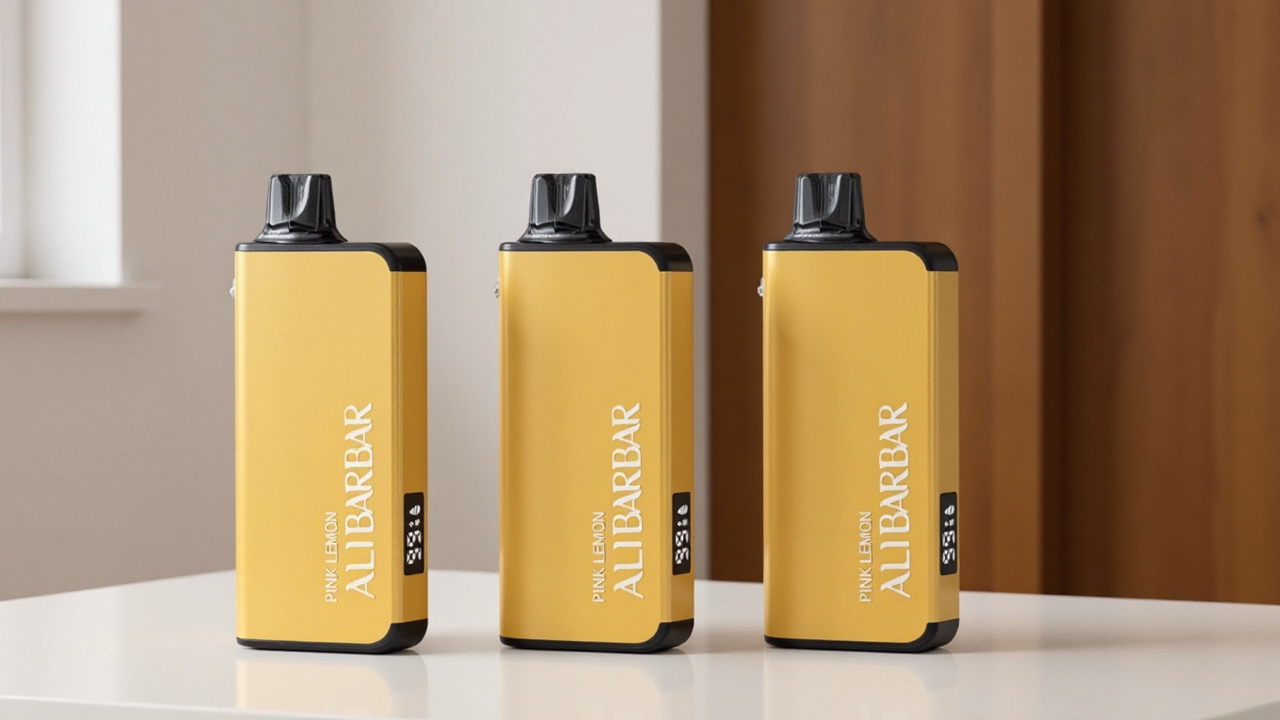
At OZVAPE Shop, the technical documentation for the ALIBARBAR range includes details on ingress protection and internal sealing that help users assess water resilience before an accident occurs. While no device in this category is marketed as waterproof, some incorporate design choices — such as rigid alloy chassis, tightly toleranced mouthpiece seals, and conformal‑coated PCBs — that offer meaningful additional resistance to brief immersion. These are not guarantees, but they shift the odds in your favour. A user who regularly works outdoors or frequently finds herself near water should weigh these factors when selecting her daily device.
Common Mistakes That Turn a Wet Device into a Permanent Loss
Pressing the fire button to “burn off” the water. This is the fastest way to destroy the control chip. Electricity follows the path of least resistance, and water provides a new, unintended path that bypasses the regulated output circuit entirely. You are essentially short‑circuiting the battery through a puddle.
Applying direct heat. Hair dryers, radiators, and sitting the device in direct sunlight can push temperatures past 60°C, at which point battery separators begin to degrade. A device that survives a dunk may end up with a permanently compromised cell, increasing the risk of later venting or failure.
Assuming a device that works today will stay working. Galvanic corrosion continues long after the visible moisture is gone. Intermittent failures, sudden power cut‑offs, and erratic LED behaviour days or weeks later are common. If a device has been submerged and revived, treat it as retired from critical reliability and monitor it carefully.
Ignoring the possibility of insurance or warranty. Some manufacturers offer limited liquid‑damage warranties, and many home contents policies cover accidental damage to portable electronics. Check your policy before discarding the device; you may have recourse that makes recovery unnecessary.
Frequently Asked Questions
Q: Can I use compressed air to blow water out of the device?
A: No. Compressed air, especially from a can, can force moisture deeper into the device, past seals, and into the battery compartment. It also cools rapidly and can cause condensation on internal surfaces. Let desiccant do the work.
Q: My device has an IP rating. Does that mean it’s safe after a drop in water?
A: IP ratings are specific. Most devices rated IPX4 or IPX5 are protected against splashes or low‑pressure jets, not submersion. Only IPX7 or IPX8 indicates immersion protection. Check the exact rating, and even then, if the USB port cover was not fully seated, the rating is void in that incident.
Q: The battery got wet but it still reads full voltage. Can I use it?
A: If the battery wrap or insulator ring has absorbed water, corrosion may have started on the can itself. A voltage reading doesn’t indicate internal safety. For replaceable batteries, replacement is safer than guessing. For sealed devices, the entire unit should be treated as suspect.
Q: My device isn’t working after drying. Can I send it to OZVAPE Shop for repair?
A: OZVAPE Shop does not offer in‑house repair services for water‑damaged devices, as the internal corrosion pattern is unpredictable and a repaired device cannot be certified safe. However, we can help you understand the original manufacturer’s warranty status and, if appropriate, suggest a replacement from the ALIBARBAR family that matches your usage environment.
Where Engineering Meets Practical Reality
Dropping a vape in water is a stress test that reveals everything about how a device was built, whether the user ever intended to conduct such a test or not. The recovery steps outlined above offer the best possible chance when the exposure was brief and the user acts immediately, but they are not magic. Some circuit paths will already be vaporised before you react. Others will corrode silently over the following week despite thorough drying.
What you can control is your next device selection. When you look beyond colour and form factor and start asking about PCB coatings, battery isolation, and port sealing, you shift from being a reactive user to an informed one. That is what the team at OZVAPE Shop encourages: making the invisible architecture visible. Because a device that survives an accidental poolside slip — or simply endures a rainy season without issue — is one that was chosen with its real‑world environment already in mind, not after the fact.