
VAPE FAQs
How To Fix A Vape Battery?
Oct
The Real Reason Your Vape Battery Stopped Working — and What You Can Do About It
You reach for your device, expecting a familiar indication of readiness, and instead get nothing. No light, no response, no output. The first reaction is often frustration, followed by a frantic search for a quick fix. But before you try anything you read in a forum, it’s worth understanding why vape batteries falter in the first place. Most “fixes” address symptoms, not causes — and some can make the situation worse or even dangerous.
This article unpacks the engineering and chemistry behind common battery failures, provides a structured diagnostic approach, and explains when a repair is sensible and when the smarter move is replacement. At OZVAPE Shop, we see too many users discarding devices that could have been revived with a simple contact clean, or conversely, trying to resuscitate a cell that poses a genuine safety risk. The goal here is clarity, not persuasion — a straight assessment of the technology and the practical realities.
Understanding Vape Battery Fundamentals and Common Failure Points
A lithium-ion battery in a vaping device is not a simple reservoir of electricity. It is an electrochemical system with precise operating boundaries. Knowing what happens when those boundaries are crossed makes the difference between a simple fix and a costly error.
Battery Chemistry and Cycle Life
Most vape batteries — whether internal or removable — use lithium-ion chemistry, typically rated for 300–500 full charge cycles before capacity drops below 80% of the original specification. However, actual lifespan depends heavily on how the cell is treated. Shallow discharges (recharging when the battery hits 30–40% instead of running it to zero) can double the number of cycles. Conversely, deep discharges accelerate degradation.
A common misunderstanding: a battery that “won’t hold a charge” may not be dead — it may have been pushed into a protective deep-discharge state that standard chargers cannot recognise. This is a safety mechanism, not a defect, and sometimes it can be reversed with the right equipment. But the window for recovery is narrow.
Why Vape Batteries Fail Prematurely
Premature failure rarely originates from a single catastrophic event. Instead, it’s the accumulation of small stressors:
Micro‑vibration damage: Pocket carry and repeated insertion into charging ports gradually wear internal connections.
Inconsistent charging voltage: Using a charger not designed for the device’s battery management system (BMS) can cause uneven cell balancing or overvoltage events.
Moisture ingress: Condensation from temperature changes or exposure to humidity corrodes contacts and can short protection circuits.
Thermal stress: Leaving a device in a hot car or charging it immediately after heavy use raises internal temperatures beyond the safe range, accelerating electrolyte breakdown.
These factors often mimic a completely dead battery, when in reality the protection circuit has tripped or a connection has degraded.
Diagnostic Steps Before Attempting a “Fix”
A systematic check can prevent unnecessary dismantling or disposal.
Visual inspection: Look for corrosion, puffy cell casing (swelling), or burn marks. Any of these means the battery is unsafe and must be responsibly recycled — no repair should be attempted.
Confirm charger and cable: Test with a known‑good charger and cable that meet the device’s input specifications. Many “battery” issues are actually charging accessory failures.
Clean contacts: Use a dry cotton swab or, if necessary, a small amount of isopropyl alcohol (99%) on a swab to gently clean the device’s charging port and the battery terminals. Lint, pocket debris, and oxidation break the circuit.
Temperature check: If the device is cold (below 0°C) or hot (above 45°C), let it return to room temperature before charging. The BMS may prevent charging outside safe thermal limits.
If these steps restore normal function, the problem was external. If the device remains unresponsive, you’re likely dealing with a deep discharge, a blown protection fuse, or internal cell degradation.
When to Fix vs. When to Replace: A Decision Framework
Not every battery can or should be saved. The decision involves economics, safety, and the device’s architecture.
The Economics of Repair vs. Replacement
For devices with user‑replaceable cells (typically 18650, 20700, or 21700 cylindrical cells), a new quality cell costs between $10 and $20. If the device itself is otherwise functional and the user has a safe charger, replacement is straightforward. For sealed integrated‑battery devices, the equation shifts. The labour to safely open a sealed unit, desolder the old battery, and solder in a new one — assuming a compatible cell can be sourced — often exceeds the cost of a new device. Attempting it without proper tools and knowledge risks short‑circuiting, fire, and chemical exposure.
Safety considerations are non‑negotiable: If the battery has swollen, leaked, or been punctured, it must be handled as hazardous waste. No repair should be attempted. Even a cell that appears intact but has been deeply over‑discharged below 2.5V may form internal copper dendrites that cause internal short circuits during recharging. Reputable service technicians refuse to work on such cells.
How Device Design Affects Repairability
The vaping market splits into two broad architectures:
Modular, replaceable‑cell devices: These are designed for user‑maintenance. The battery tube or sled is accessible, and the positive‑negative orientation is clearly marked. Diagnosis and replacement are trivial for an informed adult.
Sealed‑unit devices: This category includes most pod systems, disposables, and many compact all‑in‑ones. The battery is permanently enclosed and typically spot‑welded to the board or casing. While technically “fixable” by a skilled individual, the factory design never intended user service. Opening the case often destroys moisture seals and structural integrity.
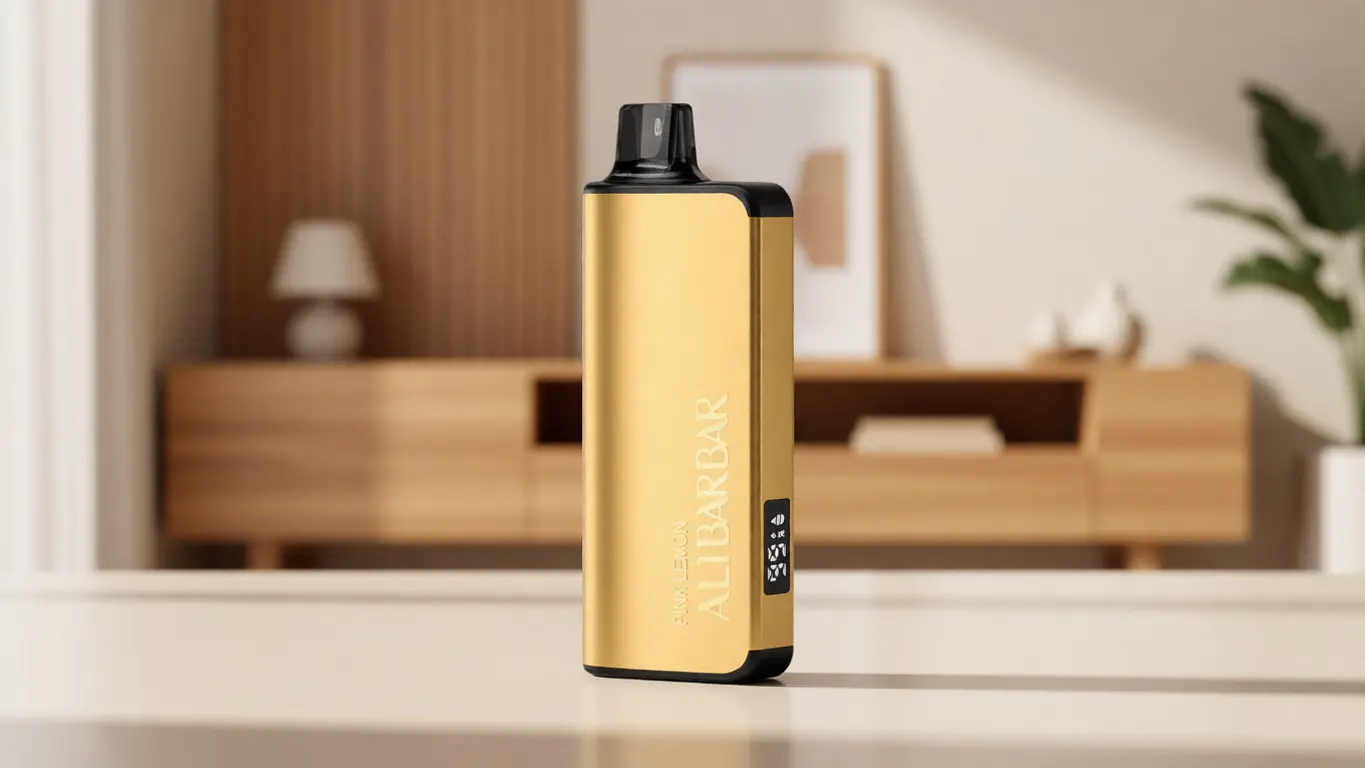
Products like the ALIBARBAR INGOT series occupy an interesting middle ground. They are pre‑filled, sealed systems, but their battery management circuits are engineered with multiple layers of over‑discharge, over‑charge, and short‑circuit protection. In practice, this means they rarely fail in a way that would be user‑addressable; when they do fail, it’s often at end of rated life, and the entire unit is designed for responsible disposal. The transparency of such design — clearly indicating remaining power and operational status — removes the guesswork that leads users to mistakenly think a battery is broken when it’s simply depleted. This is the kind of engineering choice that makes a “fix” unnecessary in the first place.
Practical Steps to Revive a Non‑Responsive Vape Battery
If you have ruled out visual damage and tested the charging chain, the following steps may recover a battery that the protection circuit has put to sleep. These apply primarily to devices with removable cells or those where the internal battery can be accessed via a maintenance mode.
Cleaning Contacts and Checking Connections
Oxidation builds up invisibly. For removable batteries, wipe both ends with a clean, dry cloth. For integrated devices, clean the micro‑USB or USB‑C port with a wooden toothpick — never metal — to remove compacted lint. A surprising number of “dead” devices come back to life after a port cleaning.
Resetting Device Firmware (If Applicable)
Some advanced regulated mods have a hard reset function (e.g., holding specific button combinations). Consult the manufacturer’s manual. This can clear a frozen processor that prevents charging even though the cell is healthy.
For Replaceable Battery Devices: Recovering from Deep Discharge
If you have an external charger with a “recovery” or “0V activation” feature, you may be able to trickle charge a cell that has fallen below the normal detection threshold. This should only be attempted on cylindrical cells from reputable brands (Samsung, Sony, Molicel, LG) that show no physical damage. The process:
Place the cell in the charger and initiate recovery mode (often a long press).
Monitor the cell temperature continuously. Any rapid heating → stop immediately.
If the charger successfully raises the voltage above 2.8V, a normal charge cycle can follow.
After recovery, test the cell’s internal resistance and capacity using a charger with analytical functions. A cell that has been deeply discharged once may be permanently compromised and should be retired from service if its capacity is below 60% of original or internal resistance has doubled.
Never attempt this with a USB‑charging device by bypassing the protection circuit. The cell is not accessible, and bridging terminals creates a direct short risk.
Common Mistakes That Damage Vape Batteries and How to Avoid Them
Observing the patterns of those who come to us for help at OZVAPE Shop, a few consistent errors emerge. Avoiding them dramatically extends battery life and reduces the need for any “fix” at all.
Over‑discharging: Running a device until it shuts off completely is the fastest way to kill a lithium‑ion cell. The chemistry degrades much less when recharged between 30% and 80% capacity.
Using incompatible chargers: Fast chargers from other consumer electronics may push current at levels the device’s BMS wasn’t designed to handle. Unless the device explicitly supports quick charge standards, stick to a 1‑amp USB‑A charger.
Exposure to extreme temperatures: A closed car on a summer day can exceed 60°C internally. That temperature degrades lithium‑ion cells within minutes. Cold temperatures below 0°C temporarily reduce output but can also cause lithium plating during charging, permanently damaging the cell.
Physical impact: Dropping a device may not break the glass or casing but can dent a cylindrical cell or crack internal solder joints. The battery then becomes a latent hazard, not immediately apparent.
An industry observation worth noting: the proliferation of ultra‑compact, high‑capacity integrated devices has shifted failure modes. Ten years ago, the most common complaint was a worn‑out removable cell. Today, it’s a sealed unit that appears dead because of a broken USB port or a tripped protection circuit. The physical architecture has evolved, but many user diagnostics haven’t kept pace.
Frequently Asked Questions
Q: Can I fix a vape battery that won’t charge by putting it in the freezer?
A: This is a persistent myth with no basis in lithium‑ion chemistry. Freezing a battery does not restore capacity; it can cause condensation that damages the protection circuit. Do not do this.
Q: My disposable vape died before all the liquid was used. Can I recharge it?
A: If the device was not designed for recharging, it lacks the necessary battery management circuitry. Attempting to force charge it by opening the case and connecting wires carries a high risk of fire. Dispose of it responsibly and choose a device engineered for the intended usage pattern next time.
Q: How do I know if a battery is beyond recovery?
A: Physical swelling, leaking, extreme heat during charging, or a voltage reading below 1.5V on a multimeter after attempting recovery are definitive signs. Recycle the cell through a certified battery disposal service.
Q: Does OZVAPE Shop sell replacement batteries?
A: OZVAPE Shop focuses on authorised, factory‑certified devices. For users of the ALIBARBAR range, the devices are self‑contained units with integrated power management designed to deliver consistent performance through their rated lifespan. Replacement via authorised channels ensures that the engineering and safety protections remain intact.
Q: Why does my battery drain faster in winter?
A: Lithium‑ion internal resistance increases at low temperatures. The effect is temporary, but charging a cold battery causes lithium plating. Warm the device to room temperature before charging.
Q: Can I use any USB‑C cable to charge my vape?
A: Most devices accept standard USB‑C cables, but using a high‑power laptop charger (e.g., 65W) can confuse the device’s handshake protocol. Stick to a basic 5V/1A charger unless the device documentation says otherwise.
Q: My removable battery shows 4.2V on a multimeter but won’t fire. What’s wrong?
A: This usually indicates a poor connection between the battery and the device’s contacts, or a blown fuse on the device’s board. Clean all contacts, and if the problem persists, the device itself needs servicing.
The Smartest Fix Is Prevention — and Sourcing Devices That Don’t Break Down Unexpectedly
Fixing a vape battery is possible — but only within a narrow set of circumstances that typically involve user‑replaceable, healthy cells and external charging hardware. For the vast majority of sealed, integrated systems, the real solution isn’t a repair technique; it’s choosing a device engineered to minimise failure in the first place. That means precise battery management, clear status feedback, and materials that don’t degrade under normal use.
When you buy through a channel that curates inventory from manufacturers who design for reliability rather than just specmanship, the entire category shifts from fragile to dependable. OZVAPE Shop exists to make that shift easier — not by pushing products, but by providing a vetted, documented space where the specifications are transparent and the support is human. The right choice is the one that matches your actual routine, not the one that requires you to become an amateur electrician. If you’re spending more time troubleshooting than using your device, perhaps the device is the problem — not your ability to fix it.