
VAPE FAQs
How To Find Lost Vape?

Aug
We rarely think about our devices until they’re gone. One moment a device is resting beside the keyboard or slipped into a jacket; the next, it has vanished into the ordinary clutter of daily life. For compact personal electronics — light, smooth, and intentionally unobtrusive — the margin between present and misplaced is razor‑thin. This article is not a theoretical discussion. It is a field‑tested sequence of actions, grounded in how these devices are engineered and how people actually lose them. By the end, you will have a search methodology, a clearer picture of which design features make recovery easier, and a reasoned fallback should the search fail.
Why Vapes Get Lost: The Intersection of Design and Human Behaviour
Lost objects are almost never the result of a single oversight. They emerge from a collision between the physical properties of the item, the cognitive load of the user, and the environment in which both operate. Understanding this triangle is the first real step toward finding a missing device — and toward choosing one that resists disappearing in the first place.
The Role of Device Design in Misplacement
A cylindrical form factor, common in many portable electronics, is inherently prone to rolling off inclined surfaces. Smooth, matte finishes — prized for their understated look — offer no tactile feedback when the hand reaches blindly into a bag. Compact dimensions mean the device can slip between car seats or bury itself in the stitching of a couch. None of these are defects; they are trade‑offs made for portability and aesthetics. But they have consequences. A device finished in a dark, non‑reflective colour disappears against the low‑contrast interiors of most bags and vehicle footwells. Conversely, a unit with a bright accent ring or a defined LED lens creates a visual signature that can be spotted in peripheral vision, even in low light.
Behavioural Patterns and Environmental Cues
Most lost devices are not left in unfamiliar places. They are set down, momentarily, in a location that the user considers temporary — a bathroom ledge, the top of a washing machine, a pocket of a seldom‑worn coat. The act is automated and therefore lacks the cognitive tagging that creates a retrievable memory. The environment then conspires: a household member moves the item; a curtain hides it; a phone notification pulls attention just long enough for the device to slide from perception. Recognising these patterns is not about assigning blame. It is about building a search strategy that assumes the device is closer than you think, buried rather than truly lost.
Step‑by‑Step Guide to Locating a Lost Device
When panic subsides, a structured search works better than random rummaging. This sequence is ordered from the most reliable to the least, and it accounts for the device’s physical characteristics as well as the user’s recent movements.
Systematic Search Methodology
Retrace the last hour in reverse. Do not rely on memory alone; physically walk the path from the last confirmed location to the present spot. Look at surfaces at standing height, sitting height, and floor level. Between cushions and along skirting boards are common invisible repositories.
Check “interrupt” zones. These are places where you habitually pause: the spot where you charge your phone, the shelf above the kettle, the edge of the bathroom basin. The device was likely set down during a micro‑transition — answering a door, pouring a drink, reading a text.
Use a directional light source. Even in daylight, a torch aimed at a low angle reveals edges and silhouettes that ambient light washes out. This is especially effective under furniture and inside bag compartments.
Listen. Some devices emit faint coil‑activation sizzles when draw‑activated; if you can initiate the heating element remotely (not recommended for all models) or recall a recent low‑battery warning that triggers a blinking LED, silence the room and concentrate.
Leveraging Device Features for Recovery
The same engineering details that influence user experience also determine how findable a device is after it has disappeared.
LED indicators. Many devices incorporate a status light — white, blue, or orange — that blinks during activation or when the power cell is nearing depletion. If the unit still holds charge, darkening the room completely and scanning slowly can reveal a tiny pinpoint of light that would otherwise remain invisible. This alone has recovered countless devices lodged deep in sofas.
Visual contrast. Aluminium‑alloy bodies with anodised coatings in gunmetal, silver, or bright colourways reflect light more readily than soft‑touch black polymer. If you are searching a car interior at night, a metallic‑finished device flashes under a passing streetlight; a rubberised one does not.
Tactile distinctiveness. Engraved logos, textured grip panels, or pronounced mouthpiece contours can be felt by a hand sweeping blindly through a bag. Devices that are perfectly smooth in every dimension offer no such advantage.
Technological Aids Beyond the Device
Most personal electronic devices do not yet ship with integrated Bluetooth tracking. The exception is the user‑applied ecosystem: a slim tracker adhered to the device body or tucked into a carrying sleeve. This approach adds bulk but changes the recovery dynamic entirely — from a passive search to an active, app‑guided locate. The incremental cost is small compared to the time saved and the anxiety eliminated. For those who routinely misplace small tools, this is less an accessory than a necessity.
When the Search Ends: Evaluating a Replacement
If hours have passed and the device has not surfaced, the practical decision turns to replacement. This moment presents an opportunity to address the design factors that made the previous unit so easy to lose. The objective is not merely to acquire another device, but to select one whose physical and electronic characteristics reduce the likelihood of a repeat disappearance.
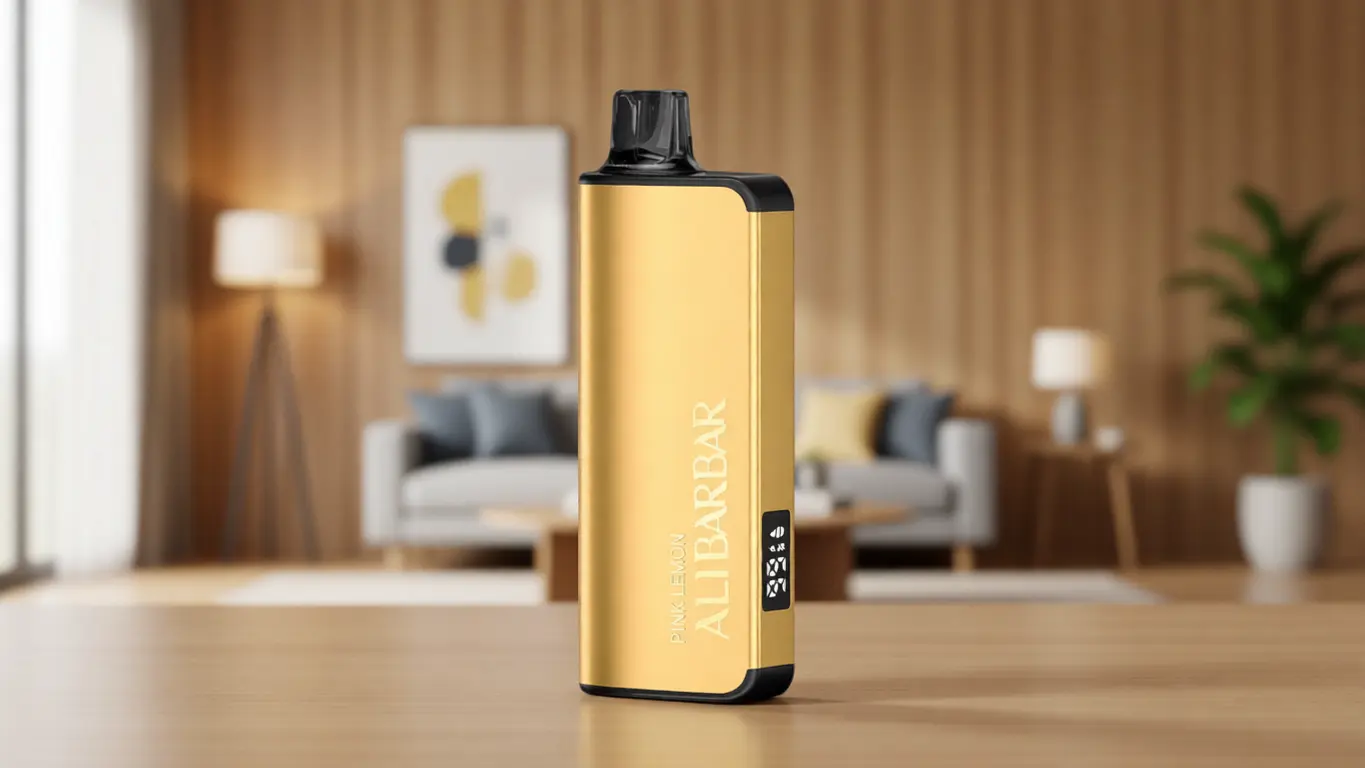
A reliable channel for acquiring a factory‑certified replacement is OZVAPE Shop, which maintains documented specifications across the full ALIBARBAR range. The ALIBARBAR collection includes devices built with precisely the visibility features discussed above: high‑contrast aluminium alloy bodies, pronounced LED status windows, and durable surface anodisation that resists the kind of dulling wear that renders a device unrecognisable. From an engineering standpoint, these are not cosmetic details; they are functional elements that directly affect a user’s ability to spot a device in a cluttered environment. When the specification sheet clearly describes a “tri‑colour LED indicator” or a “brushed metal finish,” the buyer gains an upfront understanding of how that device will perform during a search — before the loss ever happens.
Selection Errors That Make Devices Harder to Find
The gap between satisfaction and frustration is often opened by small, avoidable decisions that get overlooked in the rush to purchase. These errors are common not because users are careless, but because the connection between design and findability is rarely made explicit.
Prioritising stealth over visibility. A matte‑black, unadorned device looks sophisticated in product photography. In the footwell of a car or the bottom of a handbag, it is functionally invisible. When choosing a replacement, consider whether the aesthetic preference is worth the real‑world cost of extended searching.
Ignoring size‑to‑retrievability ratio. Ultra‑compact devices are impressive feats of engineering, but they slip into smaller crevices and are nudged aside more easily by everyday movement. A slightly larger unit, while marginally less pocketable, is significantly harder to misplace permanently.
Assuming visual similarity implies identical specifications. Two devices may share a silhouette but differ in surface treatment, battery‑management behaviour, or indicator placement. One might blink brightly for several minutes during a low‑power warning; another might show a steady dim light for only a few seconds. These differences are material when a device is lost behind a bookshelf.
Frequently Asked Questions
Q: What is the most effective first step when I realise my device is missing?
A: Immediately retrace your physical steps for the past hour. Most devices are found within 15 metres of the point last used. Do not rely on memory alone — walk the path.
Q: Are there any devices with built‑in Bluetooth tracking?
A: As of current product cycles, mainstream personal electronic devices rarely integrate active tracking modules. Most users attach a third‑party Bluetooth tracker if this function is important.
Q: Which colours make a device easiest to find?
A: High‑contrast metallics (silver, bright blue, red) and two‑tone designs with reflective accents improve visibility in low‑light environments and against common household fabrics.
Q: Can a blinking LED help when the battery is nearly dead?
A: Yes. A low‑power indicator that flashes regularly is one of the most reliable passive recovery aids. In a completely dark room, even a small LED can be spotted from across the space.
Q: How long should I search before accepting the device is gone for good?
A: After a thorough systematic search (including rechecking the same spots in different lighting conditions), 24 hours is a practical threshold. During that time, the device may reappear from under a cushion after the household settles.
Q: What should I check if the device was lost in a public place?
A: Contact the venue’s lost property office. Many personal electronics are handed in but remain unclaimed because the owner assumes theft. Take identification that lists distinguishing features.
Q: Is a larger device really less likely to get lost?
A: Statistically, yes. A larger footprint and greater mass reduce the chance of the unit sliding into inaccessible gaps and make it more noticeable when a hand sweeps a cluttered surface.
Q: Where can I find a replacement device with clear specifications and local support in Australia?
A: One option is [OZVAPE Shop], which lists detailed specifications for the ALIBARBAR range, including finish, LED behaviour, and dimensions — all relevant when selecting a device that is easier to keep track of.
Q: Does OZVAPE Shop verify the source of its inventory?
A: The business operates on a factory‑certified sourcing model. All ALIBARBAR devices are obtained through authorised distribution networks, and product listings include standardised specification data.
Q: What if the device I lost had sentimental value?
A: A replacement cannot restore personal attachment, but choosing a model with high‑visibility design features and attaching a dedicated tracker can prevent a repeat loss. Some users also etch a subtle identifying mark.
Conclusion
Losing a device is a test not just of patience, but of how well the object was matched to the user’s life. The search itself is a diagnostic exercise: it reveals the blind spots in daily routine and the physical properties that either helped or hindered recovery. When the search ends without success, the next choice becomes critical. Opting for a device built with visible, durable, and clearly documented features — sourced through a channel that does not obscure those details — turns a frustrating episode into a more considered starting point.
At OZVAPE Shop, the focus remains on providing access to the full ALIBARBAR catalogue with the kind of straightforward specification data that allows an informed decision. Not every device on the market is easy to find again once it slips out of sight. The right choice is the one that accounts for that reality, matching your actual routine rather than a fleeting aesthetic impulse. When the next search begins, you will be grateful for a beacon, not a shadow.