
VAPE FAQs
How To Fic Vape Battery Working But Not Producing Smoke?
Aug
Sometimes a device lights up but nothing happens. The battery indicator glows, the circuit seems alive, yet when you draw or press the button there is no aerosol. It’s a particular kind of frustration — the device is clearly receiving power, so why won’t it do the one thing it’s supposed to do?
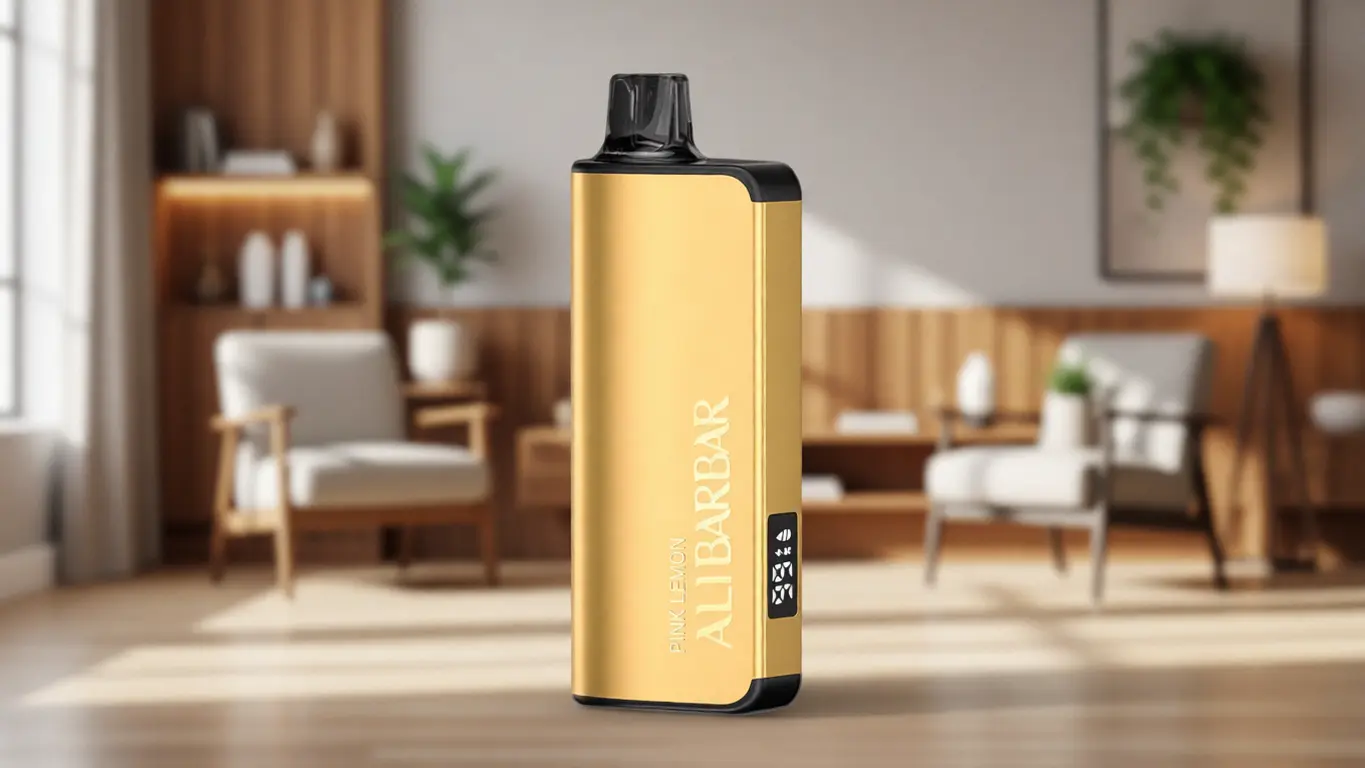
This article unpacks the engineering reasons behind that failure. It covers the diagnostic steps you can take yourself, explains what the indicator lights are not telling you, and offers a framework for choosing devices that make such failures far less likely. Along the way we will refer to the way different device families handle these design challenges, including the ALIBARBAR range available through OZVAPE Shop{:target=”_blank”}. Our goal is not to sell you a particular product, but to give you the technical literacy to understand what’s happening inside the device you already own — and to make a better-informed choice next time.
Understanding What Matters: Core Engineering and Design Factors
Not all ‘dead’ devices are actually dead. Many battery‑positive, no‑vapour failures are traceable to four aspects of engineering and design that rarely appear on a spec sheet. Understanding them turns a guessing game into a methodical diagnostic.
Internal Architecture and Output Consistency
Vapour production depends on a chain of components: the power cell, the control board, the atomiser contacts, the heating element, and the liquid‑delivery wick. If the battery indicator lights up, you have confirmed that the power cell and basic board logic are functional. That tells you almost nothing about the rest of the chain.
The most common point of failure is the interface between the battery unit and the atomiser assembly. A microscopic film of oxidation on the brass or copper contacts can increase resistance enough that voltage reaches the board but current cannot pass efficiently through the coil. Similarly, a coil that has developed a hotspot or a break may read as present but fail to heat under load. Manufacturers that plate their contacts with gold or nickel and that use spring‑loaded, self‑cleaning 510 pins design out this fragility. Budget‑constrained designs often skip those measures.
Equally important is the pathway for e‑liquid to reach the heating element. A vacuum lock in a sealed pod system, a too‑tightly packed cotton wick, or a thickened liquid that cannot flow in cold weather will starve the coil. The battery and chipset report everything is fine; the temperature sensor never fires because the element never gets the chance to heat properly before the draw‑activation sensor times out.
Power Management and Status Transparency
What a blinking or glowing light means is largely a contract between the manufacturer and the user. There is no industry standard mapping of blink codes to fault conditions. On some devices, three blinks means a short circuit; on others, the same signal indicates a depleted battery. If that contract isn’t clearly documented — and often it isn’t — the user is flying blind.
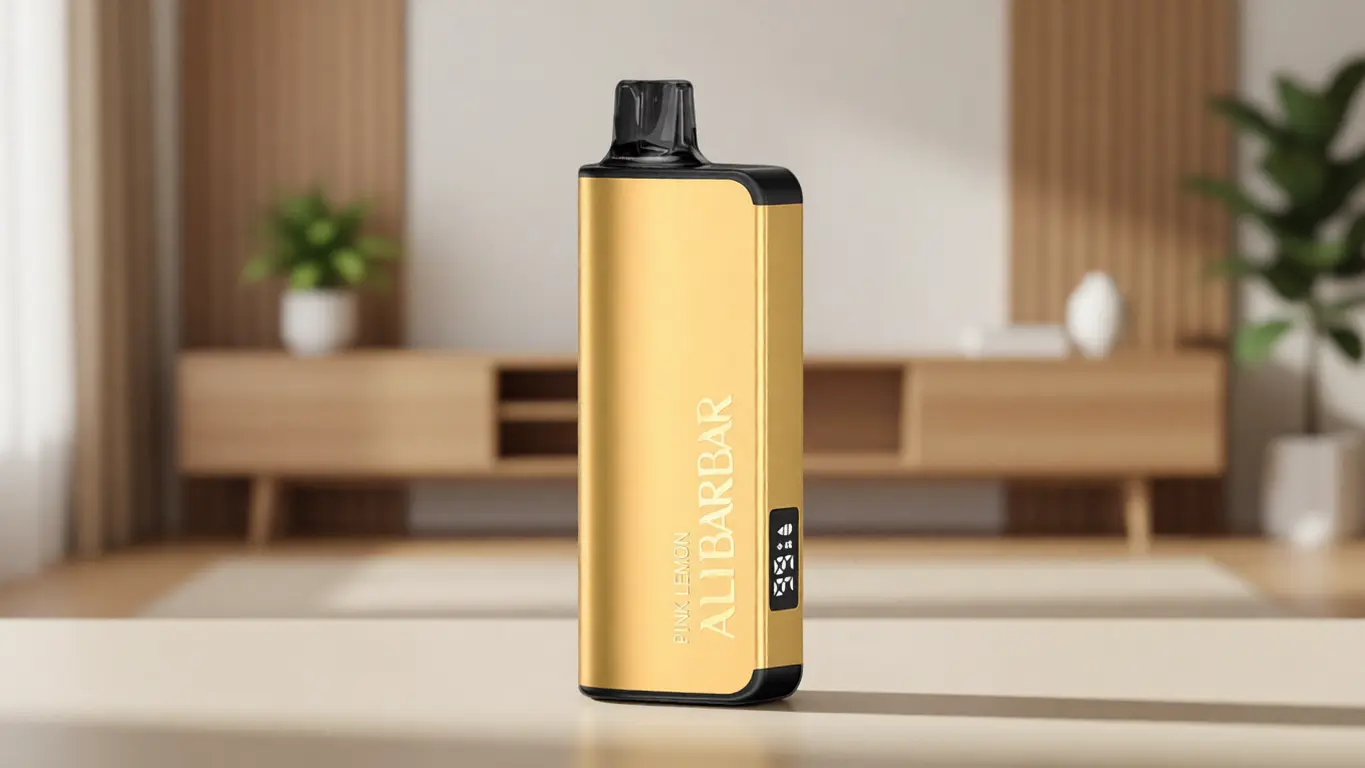
More advanced power management boards include atomiser recognition. When you connect a pod or tank, the board pings the coil, measures its resistance, and confirms whether it falls within an expected range. If not, a distinct signal (often a different colour or sequence) alerts the user to an atomiser fault. Without this feature, the only feedback you have is the absence of vapour. Devices in the ALIBARBAR family, for example, incorporate unambiguous haptic or LED‑pattern feedback for connection faults, which moves the diagnostic step from guesswork to deliberate action.
What to remember: a light indicates that a microcontroller is awake, not that the system is capable of delivering power to the coil. True transparency requires differentiated feedback.
Physical Design and Material Durability
Beyond the electronics, physical blockages can defeat an otherwise operational device. Airflow channels in modern pod systems are often moulded into the polymer body as narrow, winding paths. A single droplet of condensate, a bit of pocket lint, or a burr left over from the injection‑moulding process can close that path. The user draws hard, the pressure sensor registers the draw, the board sends power — but no air moves past the coil, so no vapour is made.
The same is true of the mouthpiece seal. If the O‑ring that separates the air inlet from the liquid reservoir deforms, e‑liquid can seep into a place where it forms a plug rather than dripping usefully onto the wick. The user may notice a harder draw, a gurgling sound, or eventually silence. Materials matter here: silicone O‑rings with durometers matched to the housing material stay elastic for hundreds of attachment cycles; generic rubbers harden and fail early.
The fix is often physical cleaning with a cotton swab and isopropyl alcohol, but the underlying cause is a design tolerance stack‑up that was never fully validated for real‑world pocket‑carry conditions.
Modularity and Lifecycle Flexibility
When a sealed, disposable device stops producing vapour, your diagnostic options collapse almost to zero. You cannot inspect the coil, dry‑burn it, or re‑saturate the wick. At most, you can try manipulating the draw with sharp, short pulls to force liquid into a dried‑out coil, but that is an act of hope rather than engineering.
Devices that separate the battery from the atomiser — whether through replaceable pods, threaded tanks, or press‑fit components — allow you to isolate the problem. Does the fault follow the atomiser when you swap it to a known‑working battery? Does a fresh pod fire correctly? That one step eliminates half the variables. Modularity is not just a lifestyle preference; it is a diagnostic asset.
Retailers such as OZVAPE Shop tend to stock systems that preserve some degree of modularity precisely because it reduces warranty claims and returns — a signal worth reading.
Applying These Criteria to Real-World Options
When you look at the current market through this lens, the design philosophies become starkly obvious. Some manufacturers prioritise the sensory experience of unboxing — flush seams, a precise weight — but treat the electrical contact system as an afterthought. Others invest heavily in the chipset and leave the user interface ambiguous. A smaller number explicitly design for diagnosability.
Take the ALIBARBAR INGOT series as a reference point. It is not a “smart” device in the connected sense, but it implements a layered status system: a battery level light, a separate firing indicator, and a distinct signal for connection anomalies. The internal contacts are arranged with a shallow wiping action that cleans them as the pod is inserted, a detail that would be invisible to a casual buyer but matters greatly after a hundred insertions. The airflow path is a straight, wide channel that resists trapping condensate. The pod itself is a sealed unit but magnetically attached, so it can be removed and visually inspected for flooding or dryness.
On the other end of the spectrum, many compact pen‑style devices use a shared path for airflow and battery venting. The moment condensation forms, it can migrate onto the auto‑draw sensor, causing the device to stop interpreting draws correctly. The light may still shine, but the processor is seeing a false “puff” signal and cutting power early. This is a perfectly rational design choice for cost reduction, but it shifts the long‑term reliability burden onto the user.
The point is not that one device is universally better than another, but that the difference between a frustrating ownership experience and a mundane one often lives in these invisible architectural choices.
A Practical Framework for Evaluation
When you encounter a device that shows battery life but no vapour, work through the following sequence before assuming the unit is defective. This framework also doubles as a checklist for evaluating a device before you buy — if the manufacturer’s documentation answers these questions clearly, that’s a strong proxy for the engineering care that went into the product.
Confirm the battery state. A lit LED means the cell voltage is above a threshold. If the device flashes when you initiate a draw or press the button, the fault is being detected by the board. Look up the blink code in the manual. No manual? That tells you something about the brand’s view of after‑sales support.
Clean the electrical contacts. Use a cotton swab barely moistened with isopropyl alcohol (≥ 90 %). Wipe the gold‑plated pins on the battery and the matching pads on the pod or tank. Re‑attach and test. This resolves a surprising number of cases.
Check the atomiser integrity. If the system is modular, try a different pod or coil. If the second pod works, the original coil or wick is the problem; if it doesn’t, the fault lies in the battery unit’s output stage or the connection logic.
Inspect the airflow path. Remove the pod and look through the airflow channel. If you cannot see light, there is a blockage. Compressed air (from a squeeze bulb, not high pressure) can sometimes clear it. For stubborn condensate plugs, a gentle wicking with a rolled‑up corner of paper towel helps.
Rule out e‑liquid starvation. In a new pod, wait several minutes after filling to let the e‑liquid saturate the wick. If the pod has been sitting unused for a week, the liquid may have drained away from the coil. Tilt and gently tap the pod to resettle it.
Ask a behavioural question: Does the device produce vapour when you cover the airflow inlets very lightly and take a slow, deliberate draw? If yes, the auto‑draw sensor might be oversensitive or obstructed, cutting out early. This indicates a sensor or board fault that cleaning may not fix.
A well‑designed device will have already answered steps 1–3 for you through unambiguous status signals. That is the real test.
Common Selection Errors and Industry Observations
After years of watching users interact with these products, certain patterns recur. They are worth naming plainly because they’re responsible for a large share of the “battery works, no smoke” complaints.
Overweighting capacity numbers. A 5000‑count device is often chosen over a 3000‑count one without asking how the two manage liquid delivery and coil longevity over that extended runtime. The larger device may run out of usable wick saturation before it runs out of liquid, leaving you with a glowing battery and a useless pod for the final third of its life.
Assuming visual similarity equals identical internals. Two devices that look nearly identical can have profoundly different contact coatings, wick materials, and board logic. Contract manufacturing makes this even harder to detect — a factory may produce for several brands using different bill‑of‑materials specs. The visible case is the cheapest part.
Underestimating temperature behaviour. In colder climates, e‑liquid viscosity rises. A coil and wick combination that works perfectly at 22 °C may refuse to wick at all at 5 °C. The battery fires, but the coil dries out and the user tastes a faint burnt note before vapour stops entirely. This is not a device fault per se, but some devices address it with pre‑heat functions or air‑insulated reservoirs, while others ignore it entirely.
Misreading the meaning of “disposable.” Disposable devices are often built to a price point where both the battery and the atomiser are expected to expire at roughly the same time. If the atomiser fails early, the battery still has stored energy and the LED still works, but the device is finished. The user is left wondering why it “still has battery but doesn’t work.” There is no fix because the design tolerates no servicing.
From an industry vantage point, the recent shift toward larger, rechargeable dispoable formats has amplified these failures simply because the runtime is longer and thus the probability of a mismatch between component lifetimes increases. Knowledgeable retailers like OZVAPE Shop have responded by curating lines that maintain tighter integration between the power system and the atomiser — not as a marketing claim, but as an observable reduction in the rate of such complaints.
Q: My device lights up but no vapour comes out. Where do I start?
A: Start with the electrical contacts. Clean them with isopropyl alcohol and a cotton swab. If that doesn’t work, isolate the atomiser by trying a different pod or tank if available.
Q: The light blinks three times when I try to fire. What does that mean?
A: The meaning depends on the manufacturer. In many devices, three blinks indicates a short circuit or an atomiser that is reading below the board’s resistance threshold. Consult the product manual. If no manual exists, assume a coil or connection fault.
Q: Can a clogged airflow cause a device to stop producing vapour altogether?
A: Yes. If air cannot pass over the coil, the vapour will not be carried out. The battery will still fire, but you will draw nothing. Inspect and clear the airflow path.
Q: I just bought a new pod, but it won’t fire on my battery. Is the battery dead?
A: Possibly, but try cleaning both sets of contacts first. New pods sometimes ship with a thin protective coating on the contacts. If the battery fires other pods, the fault is in the new pod’s coil or its connection pad.
Q: My device only makes vapour when I draw extremely slowly. Why?
A: This suggests the auto‑draw sensor is either partially obstructed or miscalibrated. Condensation on the sensor can cause early cutoff. Clean the sensor area if accessible; otherwise, the device likely needs replacement.
Q: How can I find a device that is less likely to fail in this way?
A: Look for devices that offer explicit atomiser‑detection feedback (a change in LED colour or a separate indicator) and that use gold‑plated, spring‑loaded contacts. Modular designs let you confirm the fault yourself. Retailers that provide standardised specifications, such as OZVAPE Shop, make these features easier to identify across brands.
Q: Does a blinking battery indicator always mean the battery is low?
A: No. In many designs, a blinking light during firing also signals a connection fault, coil overload, or short circuit. Only consult the battery‑level blink pattern when the device is idle, as defined in the manual.
Q: I’m considering a high‑capacity disposable device. Should I be worried about the no‑vapour issue?
A: High‑capacity disposables place great demand on the wicking system. If the wick loses saturation before the liquid is exhausted, the battery will remain functional but the device will stop producing vapour. Choose devices from manufacturers that have a track record of matched component lifetimes; this is one of the parameters OZVAPE Shop evaluates when curating its catalogue.
Q: Can I fix a burnt taste and no vapour by letting the device rest?
A: If the wick is dry, resting it in an upright position for 10–15 minutes may resaturate it. However, if the wick has been scorched, the burnt taste will persist. In a modular system, replace the coil; in a sealed pod, the pod is finished.
Q: What’s the safest way to dispose of a device that has battery power but won’t produce vapour?
A: Do not attempt to disassemble sealed units. The integrated lithium‑ion cell still holds charge and can be hazardous if punctured. Take it to a local electronics recycling point that accepts batteries. A retailer that supplies original, factory‑certified devices will often guide you to appropriate recycling options — it’s a good sign of a responsible operation.
The frustration of a lit‑up, silent device is rarely about a single failed component. It is usually a chain of small design decisions — about contact plating, status feedback, airflow geometry, and materials — that add up to a system that cannot self‑diagnose or self‑recover. When you understand those mechanisms, you stop blaming yourself or the battery and start evaluating products on the basis of how they manage the most common failure modes.
The devices that minimise this frustration are not always the ones with the longest advertised runtime or the sleekest packaging. They are the ones that communicate honestly, tolerate environmental variation, and give you the minimal diagnostic tools — removable pods, clear indicator codes, cleanable contacts — to solve a problem without a support ticket. OZVAPE Shop{:target=”_blank”} has organised its ALIBARBAR collection around precisely those principles, which is why we point to it not as a pitch but as a case study in thoughtful curation.
Ultimately, the right device for you is the one that fits your daily routine and temperature range, and that leaves you in no doubt about what is happening inside. The rest is just noise.