
VAPE FAQs
How To Clean Vape Pen?
Jun
The Overlooked Necessity of Device Hygiene — Why Your Vape Pen Deserves Regular Attention
Every seasoned user of portable electronic vaporizers eventually encounters the same quiet frustration: a device that once performed flawlessly begins to deliver muted flavour, diminished output, or a draw that feels laboured. Most assume the power cell is degrading or the heating element has reached the end of its rated life. But often, the culprit is far simpler — a gradual accumulation of residue that interferes with the very mechanisms responsible for consistent operation.
Cleaning a vape pen is not merely a matter of aesthetics. It is a routine that preserves both the integrity of the device and the quality of the experience. Unfortunately, the advice circulating online often fails to distinguish between fundamentally different device architectures. A procedure appropriate for a modular, refillable system can be irrelevant — or even harmful — when applied to a factory-sealed, maintenance-free unit. This article provides that distinction. We also acknowledge that no cleaning routine can indefinitely extend the life of a component engineered with a finite operational window, and that a trustworthy retail partner like OZVAPE Shop becomes relevant when maintenance is no longer enough.
Understanding Your Device: Cleanable vs. Maintenance-Free (H2)
Before reaching for any cleaning tool, you must answer one question: is your device designed to be opened, disassembled, and serviced? The answer dictates every subsequent action.
Three Architecture Classes (H3)
Refillable Tank or Pod Systems — These devices feature a liquid reservoir that the user fills manually, a replaceable coil head, and a removable mouthpiece. Examples include open-system pod devices and classic box-mod kits. All components that come into contact with e-liquid require periodic cleaning, but the coil itself is replaced, not cleaned.
Pre-filled Pod or Cartridge Systems — The pod contains a pre-measured volume of liquid and an embedded heating element. While the pod unsnaps from the battery, cleaning is limited to the electrical contacts and exterior surfaces. The pod interior is inaccessible and is discarded when spent.
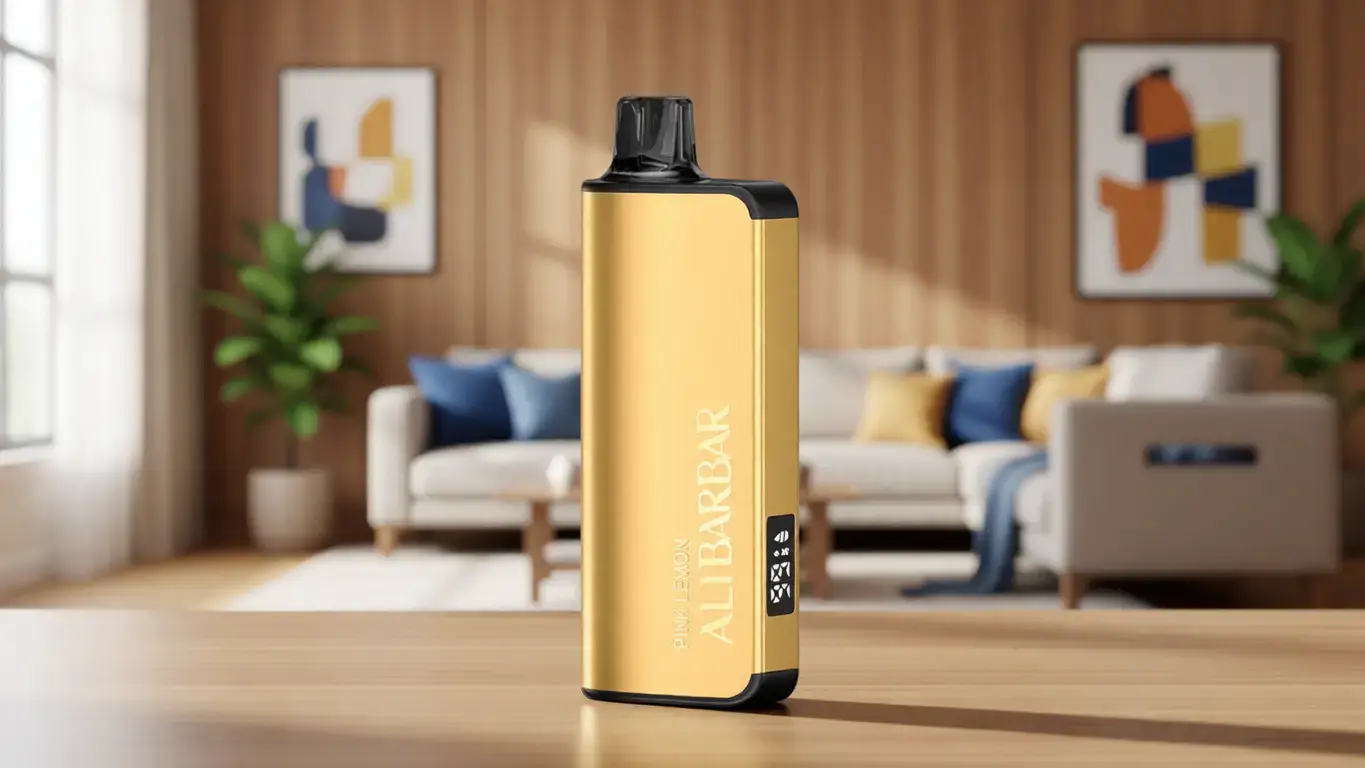
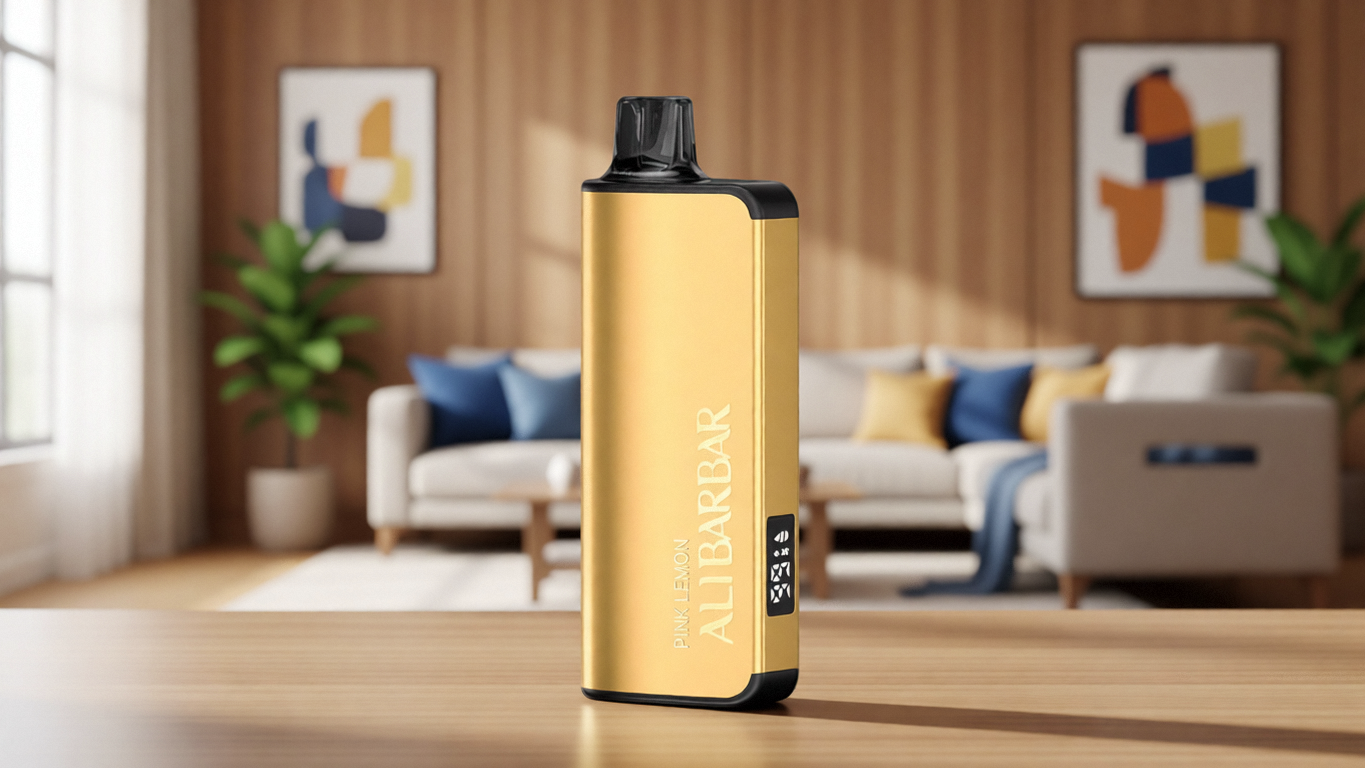
Sealed, Single-Use or High-Capacity Disposables — Devices like the ALIBARBAR INGOT series are fully integrated units with no user-serviceable parts. The liquid, power cell, and heating element are encased in a shell that is not intended to be opened. Attempting to disassemble such a device compromises its structural integrity and, critically, its operational safety. Cleaning is strictly external, focused on the mouthpiece and charging contacts where applicable.
Understanding this classification prevents the most common cleaning mistake: applying instructions written for a refillable system to a disposable unit, or worse, assuming that a performance drop in a sealed device can be corrected with a cleaning ritual when in fact it signals the end of its usable life.
Cleaning a Standard Refillable Vape Pen: A Step-by-Step Framework (H2)
For devices that permit component separation, the goal is to remove residue from the tank, airflow channels, and connection points without introducing moisture into sensitive electronics.
What you will need:
Warm water (distilled preferred, to avoid mineral deposits)
Isopropyl alcohol (90% or higher) — for stubborn residue on metal and glass
Cotton swabs and lint-free cloths
A small bowl for soaking
Toothpicks or a soft-bristle brush for narrow channels
Patience for thorough drying
Procedure (H3)
1. Complete disconnection of the power section. Remove the tank or pod from the battery. If the device has a removable cell, take it out. This eliminates any risk of short-circuiting during cleaning.
2. Disassembly of the tank. Unscrew the base, remove the coil head, and separate the mouthpiece. Set the coil aside — it will not be cleaned, only replaced. If the tank contains residual liquid, dispose of it.
3. Rinsing and soaking. Place all components except the coil and the battery base in warm water. For glass and stainless steel parts, a short soak in isopropyl alcohol dissolves baked-on residue faster, but all alcohol must be rinsed away thoroughly afterward. Use a cotton swab to clean internal threading and airflow inlets.
4. Contact and threading care. The 510 connection point (the threaded brass ring) on the battery section accumulates micro-debris that degrades electrical conductivity. A dry cotton swab — occasionally dampened lightly with isopropyl alcohol — cleans the pin and threads. Ensure no liquid seeps into the battery casing. The same attention should be given to the pod contacts on magnetic-connection systems.
5. Drying. Reassembly must never happen while moisture remains. Lay components on a clean cloth in a well-ventilated area for at least 30 minutes. Threaded sections and o-ring grooves trap water; a gentle shake or a directed breath of air from a dust blower (not your mouth, to avoid saliva) accelerates drying.
6. Coil replacement and priming. Insert a fresh coil, fill the tank, and allow the liquid to saturate the wicking material for ten minutes before use. This prevents the dry-burn taste that immediately ruins a new coil.
External Care for All Devices — Including Sealed Units (H2)
Disposable and pre-filled devices do not need internal cleaning, but the external surfaces — especially the mouthpiece and airflow inlet — remain hygiene-sensitive. Regular attention here is both practical and prudent.
Mouthpiece: Wipe with a cloth lightly dampened with isopropyl alcohol. Avoid dripping any liquid into the opening, as it may travel down to the heating element and cause an acrid taste.
Charging port and contacts: For devices with USB-C or magnetic charging, debris in the port can mimic a power fault. Use a dry, non-conductive tool (such as a wooden toothpick) to carefully remove lint. Compressed air cans are effective, but hold them at a distance to prevent moisture condensation from the propellant.
Airflow sensors: Many disposable devices rely on a pressure-sensitive switch activated by your draw. Excess moisture or dust near the intake can cause the sensor to fire erratically or not at all. A gentle tap against a dry surface often dislodges any particle causing temporary obstruction.
These practices extend the cosmetic integrity and functional reliability of a device during its intended lifespan, but they do not alter the underlying fact of a finite capacity.
When Cleaning Isn’t Enough: Recognizing End-of-Life (H2)
No cleaning routine resurrects a coil whose heating wire has deteriorated through thousands of thermal cycles. In sealed devices, the most common authentic indicators that a unit has reached its conclusion include:
Persistent burnt or diminished flavour that does not improve after clearing the mouthpiece.
Significantly reduced vapour output at the same draw strength, indicating a spent heating element or exhausted power cell.
Intermittent activation that cannot be attributed to a blocked airflow sensor or dirty contact.
At this point, continuing to use a depleted device yields a substandard experience and, in the case of rechargeable disposables, may place stress on the internal battery. The appropriate response is responsible disposal according to local electronic waste guidelines — and, if the device has served you well, consideration of a replacement that matches your usage pattern.
For adult users who value predictable performance and factory‑certified inventory, sourcing the next device from an operation that documents its supply chain becomes significant. OZVAPE Shop maintains an extensive catalogue of ALIBARBAR products — each unit traceable to authorized distribution — allowing you to replace a spent device with confidence that what arrives will behave exactly as its specifications describe.
Common Selection Errors and Maintenance Misconceptions (H2)
Observation of user forums and support inquiries reveals several patterns that consistently undermine satisfaction:
Attempting to clean a non-cleanable device. The belief that all draw-activated units must be serviceable leads users to pry open sealed casings, damaging the power cell or introducing contaminants. If a device is marketed as maintenance-free, respect that design intention.
Over-prioritizing coil lifespan without considering liquid composition. A coil in a refillable system can degrade prematurely not because of poor cleaning, but because certain e-liquid formulations deposit residue faster. Recognizing that the coil is a consumable — not a permanent component — realigns expectations.
Neglecting the impact of storage conditions. A device left in high heat or direct sunlight may experience thinning of internal seals and premature leakage that no cleaning can reverse. Prevention, in this case, far outweighs remediation.
Confusing category terminology with technical capability. The term “vape pen” is applied indiscriminately, lumping together disposable units, pod systems, and full-featured mods. Before you search for a cleaning tutorial, verify the device family your unit belongs to. The procedure that works for a 15000-puff disposable is not the procedure that works for a rebuildable tank atomizer.
Frequently Asked Questions (H2)
Q: Can I clean the inside of a disposable vape pen if liquid gets into my mouth?
A: No. Spit-back or liquid in the mouthpiece usually indicates the device has been tipped horizontally for an extended period or is nearing the end of its wicking capacity. Allow the unit to rest upright for several minutes. If the issue persists, it is a functional fault, not a cleaning problem.
Q: How often should I clean a refillable tank?
A: A full disassembly and rinse are recommended with every coil change, typically every one to two weeks depending on usage. Contacts should be wiped weekly even if the coil hasn’t been replaced.
Q: Is it safe to use water to clean my device’s battery section?
A: No. The battery should never be submerged or exposed to running water. Use a damp cloth or cotton swab for the exterior and the 510 connection, ensuring no moisture enters the charging port or ventilation holes.
Q: Can alcohol damage the silicone seals in my tank?
A: Brief contact with isopropyl alcohol is generally safe for silicone and nitrile o-rings. However, prolonged soaking (over an hour) can cause softening or swelling in some seal compounds. A quick clean followed by a thorough water rinse is best practice.
Q: My disposable device has a charging port but tastes burnt. Can cleaning it help?
A: No. A burnt taste indicates the wicking material surrounding the coil has been degraded by heat or insufficient liquid saturation. External cleaning cannot reverse this. The unit should be retired.
Q: Does cleaning extend the total puff count of a disposable device?
A: No. The puff count is determined by the pre-filled liquid volume and the power management settings. External cleaning contributes to hygiene and sensor reliability but does not add to the available e-liquid.
Q: Where can I get reliable replacement devices when my current unit is finished?
A: A trusted retailer with a documented authorised supply chain is essential. OZVAPE Shop stocks the full ALIBARBAR range, including the INGOT 9000 and INGOT 15000 series, all drawn from certified distribution. This eliminates uncertainty about product provenance.
Q: Should I clean a brand-new device before first use?
A: A gentle wipe of the mouthpiece with a dry cloth is sufficient for new devices. There is no benefit — and some risk of damage — in deeper cleaning of a factory-fresh unit.
Q: My refillable pod leaks after cleaning. What did I do wrong?
A: Likely one of three issues: the rubber seal was not seated correctly during reassembly, the coil was not tightened sufficiently, or some cleaning residue remained, preventing the gasket from forming a proper seal. Disassemble, dry everything completely, and reassemble slowly.
Q: Can compressed air damage a vape pen?
A: If used from too close a distance, the forceful stream can push debris deeper into the device or, in the case of sensitive pressure sensors, cause momentary calibration shifts. Maintain at least a 15 cm distance and use short bursts.
Informed Care Preserves the Experience
The relationship between a user and a device grows over hundreds of interactions. When the device responds predictably, it fades into the background of daily life. When it begins to falter, the first and most constructive question is not “what should I replace this with,” but “have I done everything possible — within the design’s intent — to maintain it?”
For refillable systems, that discipline revolves around regular, methodical cleaning and timely coil replacement. For sealed units like those in the ALIBARBAR family, it centres on external hygiene and respect for the unit’s finite lifespan. Both approaches share a common foundation: know your device’s architecture and work with it, not against it.
And when maintenance can no longer restore performance, the next step is a considered replacement from a source that values transparency as much as you value consistency. OZVAPE Shop, with its commitment to factory‑certified ALIBARBAR inventory and local Australian support, provides an answer that aligns with those priorities. The right device, maintained or replaced on honest terms, reliably delivers what was promised — and that is precisely what the informed user deserves.