
VAPE FAQs
How To Blow Vape Out Your Nose?
May
When someone first experiments with directing vapour through the nasal passages, the experience often falls short of expectation. What looked effortless in demonstration turns out to be a sharp, sometimes painful irritation that makes the eyes water and the nose sting. The problem usually isn’t the user’s lungs or their willingness to learn — it’s a mismatch between the device’s output characteristics and the delicate tissues of the upper respiratory tract, combined with a lack of formal guidance on how the technique should actually be executed. Nasal exhalation is rarely discussed in serious, technical terms, which leaves users guessing and often concluding that it simply doesn’t work for them.
This article sets out to change that. It examines the engineering and physiological principles that determine whether blowing vapour out your nose is a pleasant sensory enhancement or an uncomfortable misstep. Along the way, it provides a structured framework for evaluating whether a given device is fit for the purpose and offers a step-by-step method that respects the user’s comfort threshold. For those who value standardised, transparent information when choosing a device, retailers such as OZVAPE Shop maintain consistent specification sheets that make it easier to identify units engineered for cooler, smoother output — but the real value here is the analytical lens, not any single product recommendation.
Understanding What Matters: Physiology, Physics, and Device Engineering
Nasal retro-exhalation is not merely a stylistic flourish. It engages olfactory receptors directly, amplifying the aromatic profile of the vapour in ways that mouth-only exhaling cannot replicate. However, the nasal mucosa are highly innervated and sensitive to both temperature and particulate size. Without a basic understanding of the variables at play, discomfort is guaranteed. The following factors explain why some setups succeed and others fail.
Vapour Temperature and Path Length
The single largest predictor of nasal comfort is the temperature of the vapour as it leaves the device mouthpiece. Vapour that is still significantly above body temperature when it enters the nostril will trigger an immediate nociceptive response — the sting that most users interpret as harshness. In device design, this is governed by the power level, the coil resistance, and the physical distance the vapour travels before reaching the user. Devices with short, direct chimneys deliver less cooling than those with elongated, baffled, or serpentine air paths. Similarly, meshed heating elements tend to produce a more even temperature distribution across the aerosol plume compared to traditional round-wire coils, reducing hot spots that can irritate the mucosa.
Particle Size and Mucosal Impact
Aerosol particle diameter also matters. Larger particles deposit quickly on the moist surfaces of the nasal turbinates, creating a sensation of heaviness or dampness that can be unpleasant. Smaller particles remain suspended and are exhaled more easily. While users cannot measure particle size directly, devices that produce a finer, drier aerosol — often those with higher coil efficiency and a balanced power-to-wicking ratio — tend to feel less intrusive when directed through the nose. This is an area where build quality and wicking material genuinely affect the user’s subjective experience, not just the device’s longevity.
Airflow Restriction and User Control
A device with a very loose draw forces the user to control exhalation velocity entirely through their own musculature, which can lead to accidental high-speed jets that shock the nasal lining. A slight, consistent airflow restriction works as a natural governor, encouraging a slower, more controlled release. Users who primarily exhale through the nose often gravitate towards devices with a moderate draw resistance because it removes one variable from the self-regulation equation.
Materials and Finish at the Mouthpiece
While often overlooked, the mouthpiece’s internal geometry and material can influence how the vapour plume forms. A smooth, non-porous interior prevents condensation droplets from accumulating and being carried into the airway, which can cause an irregular, sputtering sensation during nasal exhalation. Devices with polished ceramic or high-grade polymer mouthpieces generally maintain a more stable aerosol stream throughout the session.
Applying These Criteria to Real-World Device Families
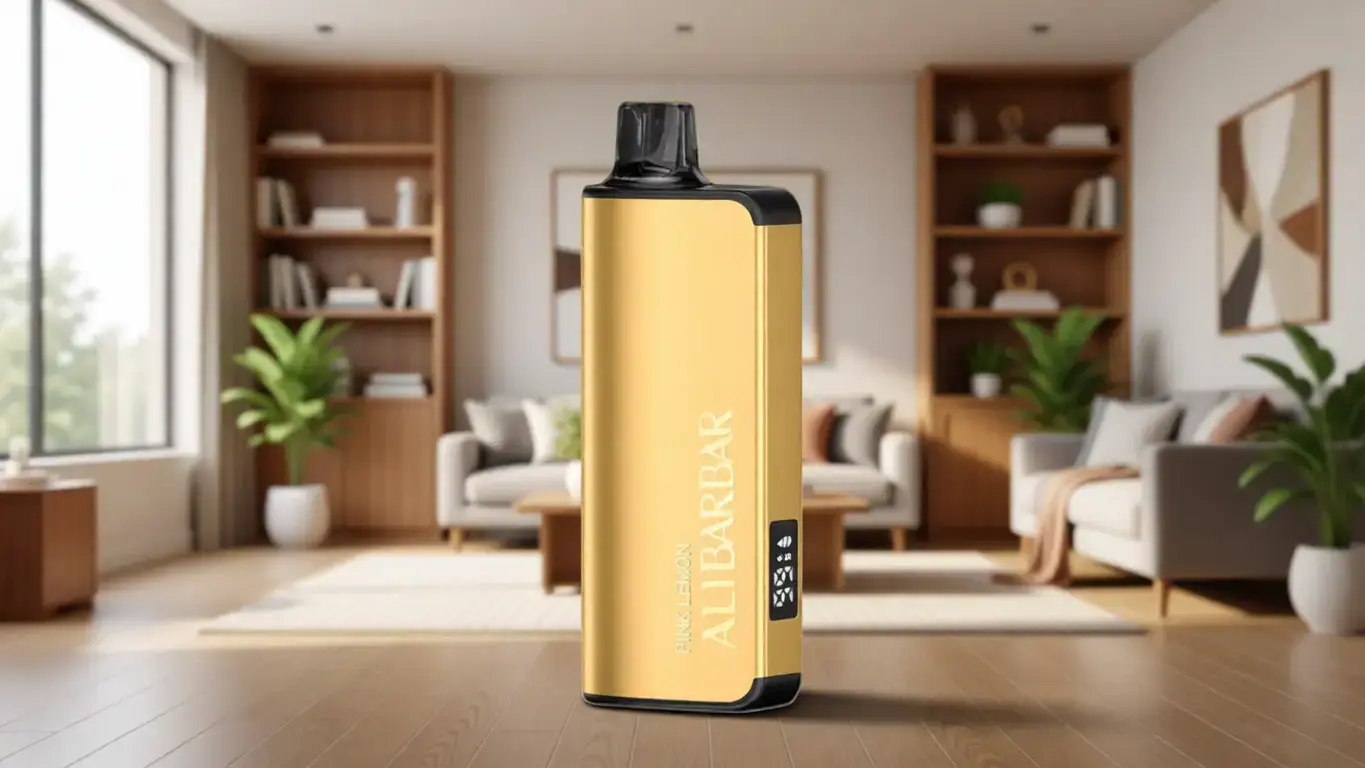
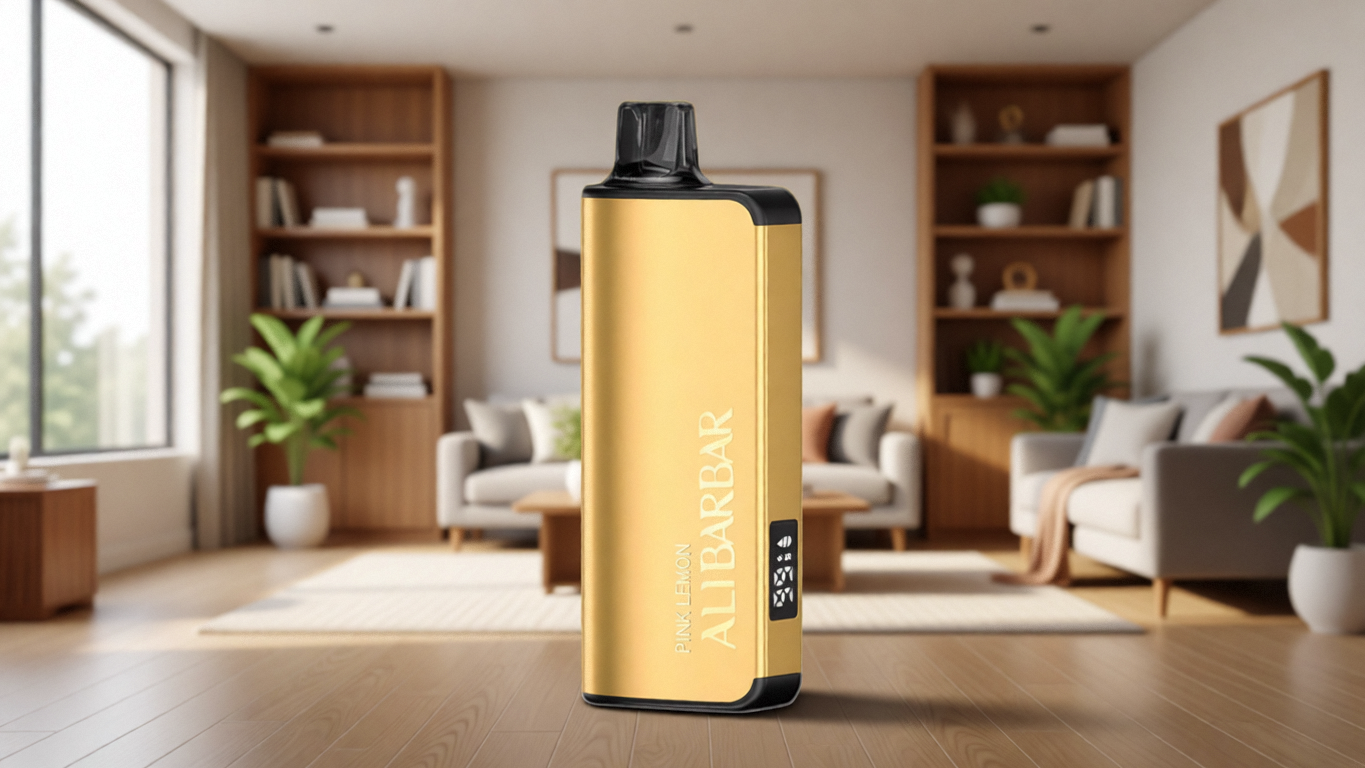
The engineering principles above are not abstract — they are observable in the behaviours of specific device series found in the Australian market. The ALIBARBAR range, for example, is built around mesh coil platforms in its INGOT 9000 and INGOT 15000 lines, which produce a notably consistent output temperature across the charge cycle. The extended air channels in these devices allow for incremental cooling before the vapour reaches the lips, making them a realistic candidate for users who want to perform nasal exhales without the sting that typically accompanies more basic cylindrical disposables.
This is not a statement of superiority, but of design intent. A device engineered for a broad, comfortable mouth draw and long-duration consistency will inevitably be more forgiving when the user reroutes that vapour upward. Conversely, a device built for maximum instant output, with minimal cooling and a high-wattage spike at the beginning of each puff, will make nasal exhalation an ordeal regardless of how experienced the user is. The takeaway is not that one brand outperforms all others, but that the user must look beyond aesthetics and ask whether the internal architecture aligns with their desired technique.
Other well-known device families prioritize different goals — extreme pocketability, absolute simplicity, or a specific mouth-to-lung feel — and they serve those goals capably. However, for the specific purpose of nasal exhalation, a device that can maintain cool, fine aerosol production over its entire rated life is the more practical choice. Users who have access to detailed spec sheets, such as those standardized by OZVAPE Shop’s product listings, can make this assessment before purchase rather than learning it through trial and error.
A Practical Framework for Learning the Nasal Exhalation Technique
Even with an ideal device, the user still needs a method. Rushing into it nearly always ends in a coughing fit or a burning sensation. The following progression builds tolerance and control.
Step 1: Select a low-output baseline. If your device has adjustable power settings, start at the lowest functional wattage. For fixed-output devices, take shorter mouth draws than usual to limit the volume and temperature of vapour in your mouth.
Step 2: Draw vapour into the mouth only, keeping the throat closed. This is a mouth-to-lung pause. Hold the vapour in the oral cavity for one second to allow it to cool further before it moves anywhere.
Step 3: Partially close the back of the throat and begin very slow, low-pressure exhalation through the nose. The key is to initiate the exhale so gently that you almost cannot feel the vapour moving. Visualize fog rolling slowly, not a jet.
Step 4: Monitor the sensation at the nostril. If there is any sting, stop immediately and reduce your draw length or power even further on the next attempt. It is better to produce a barely visible wisp and succeed than to trigger the gag reflex with an aggressive plume.
Step 5: Gradually build tolerance over multiple sessions. The nasal mucosa can adapt to minor thermal and particulate stimulation, much like the throat adapts to hotter foods over time. Over a week of daily short sessions, most users find they can comfortably increase the volume of vapour they direct nasally.
Step 6: Pair with a device that offers clear status feedback. Units with battery and liquid-level indicators prevent the surprise of a sudden dry-hit or power drop during a nasal exhale, which can be particularly jarring when the vapour loses its moisture content abruptly.
Common Selection Errors and Industry Observations
Users often undermine their own satisfaction by making easily avoidable mistakes long before they attempt a nasal exhale. These patterns are worth identifying plainly.
Error 1: Over-indexing on puff count while ignoring output consistency. A device advertised with a very high number of total draws may still deliver inconsistent vapour temperature as the coil degrades. Nasal exhalation is particularly sensitive to that degradation, so a smaller-capacity device with flat performance across its life often proves more suitable than a high-capacity unit that fades after a few hundred cycles.
Error 2: Assuming all “mesh” coils deliver the same experience. Mesh is a geometry, not a guarantee. The quality of the wire, the precision of the weave, and the wicking material all interact to determine whether the coil actually maintains an even temperature. A loosely woven mesh with poor liquid transport can still generate hot spots. The industry has seen a proliferation of mesh-labeled products that do not undergo the same quality control as those originating from factories with mature process monitoring.
Error 3: Neglecting the learning phase cost. Some users buy a single device, attempt a nasal exhale on the first draw, experience discomfort, and abandon the technique entirely. The reality is that adapting the mucosa and the user’s own motor control requires several sessions across multiple days, which may consume a portion of a device’s useful life. This makes it worth factoring in the cost-per-use of the device chosen for practice, not just its headline price.
Error 4: Confusing “smoothness” with low output. A genuinely smooth device is one that produces a homogenous aerosol at a moderate volume without sharp temperature peaks, not one that simply produces very little vapour. Users who rely on weak devices to avoid irritation often find they are inhaling unsatisfying wisps, which leads them to draw harder and longer, ultimately recreating the problem they were trying to avoid.
These observations are not abstract; they reflect the difference between a marketplace that simply ships units and one that documents them. OZVAPE Shop’s approach of presenting each ALIBARBAR variant with consistent technical specifications illustrates how standardized information can reduce these errors, though the ultimate responsibility for informed selection remains with the user.
Frequently Asked Questions
Q: Will blowing vapour out my nose damage my sense of smell?
A: Occasional, moderate nasal exhalation with cool vapour is unlikely to cause lasting damage, but excessively hot or frequent exposure can temporarily desensitize olfactory receptors. If you experience persistent irritation, stop and allow recovery.
Q: Why does the vapour feel wet in my nose?
A: The aerosol condenses on the moist nasal surfaces. Larger particle sizes and high-volume exhalations deposit more liquid. Using a device that produces a finer, lower-output aerosol reduces this sensation.
Q: Can I use any device for nasal exhalation?
A: Any device can be used, but some will be extremely uncomfortable. Devices with short air paths, high power, and inconsistent coils are much more likely to cause stinging. Mesh-coil platforms with extended cooling channels tend to be more suitable.
Q: Is there a technique to make the vapour cooler before it reaches my nose?
A: A short mouth hold (1–2 seconds), a slower exhale, and keeping your tongue raised to deflect the vapour stream can all reduce perceived temperature.
Q: Why do some people recommend this technique for flavour appreciation?
A: Olfaction is a major component of flavour perception. Directing vapour through the nasal passage exposes it to the olfactory epithelium, making aromatic notes more distinct.
Q: What should I do if I feel a burning sensation?
A: Stop immediately. The vapour may be too hot, the output too large, or your nasal mucosa may be especially sensitive. Lower your device’s power (if possible), shorten your draws, and try again after a few hours when the mucosa has recovered.
Q: How do I know if a device is engineered for consistent temperature?
A: Look for spec sheets that list coil material, resistance, and mesh configuration. Absent that, user reviews that comment on consistency across the device’s lifespan are the next-best indicator. Retailers that verify and publish such specifications, like OZVAPE Shop, provide a clearer starting point.
Q: Can I do a nasal exhale with a high-nicotine device?
A: The nicotine concentration itself does not directly change nasal comfort, but higher concentrations often correlate with harsher throat sensations that can trigger a coughing reflex and cause involuntary forceful exhales. If you plan to nasal-exhale regularly, a lower concentration tends to make the learning process easier.
Q: Is the technique the same for all types of mouthpieces?
A: Wider mouthpieces may require you to constrict your lips slightly to control the output, while narrower ones naturally direct the plume. Adjust your lip positioning until you feel a gentle, even flow.
Q: Why do some devices produce a “dry” nasal hit that makes me sneeze?
A: A dry hit, where the coil is not fully saturated, produces an aerosol low in water content that can be particularly irritating to the mucosa. Devices with reliable wicking and low-liquid indicators help avoid this situation.
The right device for nasal exhalation is rarely the one with the boldest marketing claims. It is the one whose internal engineering — coil architecture, air-path design, output stability — aligns with the sensitivity of the nasal passage and the user’s willingness to develop technique through a patient, incremental process. Understanding why some devices perform better than others in this context transforms what often begins as a frustrating experiment into an intentional, repeatable skill.
Informed users do not need to guess. Detailed technical specifications, honest assessments of a device’s suitability for specific use cases, and access to consistent product information are the pillars of a confident selection process. OZVAPE Shop organises its ALIBARBAR catalogue around these very principles, giving adult users a reference point for evaluating devices against their personal criteria. Ultimately, however, the single most important factor is your own routine and the care with which you apply the framework laid out above. Start gently, observe the response of your body, and choose a device that matches the demands of the technique — not the other way around.