
VAPE FAQs
How To Blow Smoke Rings Vape?
Oct
You exhale a cloud of dense vapour, shape your mouth into a perfect “O,” and flick your throat — only to see the ring wobble, tear, or refuse to form entirely. The frustration is familiar. Most guides reduce the problem to technique alone, ignoring a quieter truth: the device in your hand is quietly working against you. This article bridges that gap. It treats vapour ring formation as an interaction between your control and the engineering inside the device. By understanding what makes a vape cooperative — consistent power delivery, laminar airflow, well‑designed mouthpiece geometry — you can stop fighting your hardware and start producing clean, stable rings. We will explore the technical factors that matter, apply them to real devices you can evaluate, and give you a repeatable framework so you waste less time on guesswork.
Understanding the Device Factors That Influence Vapour Rings
A vapour ring is a toroidal vortex — a spinning, doughnut‑shaped mass of vapour that travels through still air. Its lifespan depends on how uniformly the vapour is introduced into the mouth, how smoothly it exits, and how little turbulence disrupts its rotation. Technique is essential, but technique operates within the limits set by your device. Here, we break down the engineering characteristics that directly enable or sabotage ring production.
Vapour Density and Output Consistency
The ring holds together when the vapour has a high enough particle density to create visible structure, yet is free of large droplets that disrupt the vortex. This requires a heating element that maintains a steady aerosolisation temperature across the entire inhale — not just the first second. Inconsistent output, where density drops off midway through the puff, produces rings that start thick and then tear into ragged wisps.
Why this frustrates users: Many devices produce an impressive initial burst but struggle to sustain density beyond the first half‑second, especially when battery voltage sags. A ring exhaled from such a pull will collapse almost immediately.
What to look for: Mesh‑style heating elements with large surface area tend to produce more uniform vapour. Equally important is power management: devices that can maintain a flat voltage curve across the battery’s charge cycle prevent the “weak puff” phenomenon that destroys ring stability. Look for units that communicate remaining charge clearly — when you don’t know if your battery is fading, you are practicing blind.
Airflow Control and Mouthpiece Geometry
The vapour leaves your mouth through a combination of the device’s draw resistance and your own exhale control. The ideal airstream for ring formation is laminar — smooth, layered, and free of chaotic eddies. Turbulent airflow inside the device or mouthpiece scrambles the vapour before it ever reaches your lips, making a clean vortex impossible.
The hidden cost of poor design: Many mouthpieces are designed for ergonomic fit or visual appeal, but their internal bore may have sharp angles or abrupt diameter changes. Each transition point introduces micro‑turbulence. Even if your technique is flawless, the ring will flutter and break because the vapour column is already unstable.
What to look for: A mouthpiece with a gradual, uninterrupted bore and an exit diameter that matches your intended ring size. Devices with adjustable airflow allow you to fine‑tune the draw to a restricted direct‑lung or loose mouth‑to‑lung setting — both of which can suit rings, provided the airflow path is smooth and the adjustment mechanism does not add internal obstructions.
Activation Responsiveness and Status Feedback
Many vapers practice rings in short sessions, frequently re‑pressing the fire button. If the device has activation lag — a perceptible delay between pressing and heating — your timing suffers. Equally, a device that gives no low‑battery warning until it refuses to fire leaves you with a string of failed attempts and no explanation.
Why it matters: User frustration compounds when you cannot tell whether a failed ring is your fault or the device’s. Clear LED indicators or haptic feedback remove ambiguity and let you adjust your technique with confidence, rather than second‑guessing everything.
What to look for: Near‑instant firing (sub‑0.2‑second delay) and multi‑level status indicators for battery life and coil connection. A device that keeps you informed is a training partner, not an opponent.
Matching Device Characteristics to Real‑World Options
No single device brand is purpose‑built exclusively for vapour rings, but some product families incorporate the engineering priorities outlined above more thoroughly than others. Analysing them through the lens of ring production reveals where design intention aligns with trick‑friendly performance.
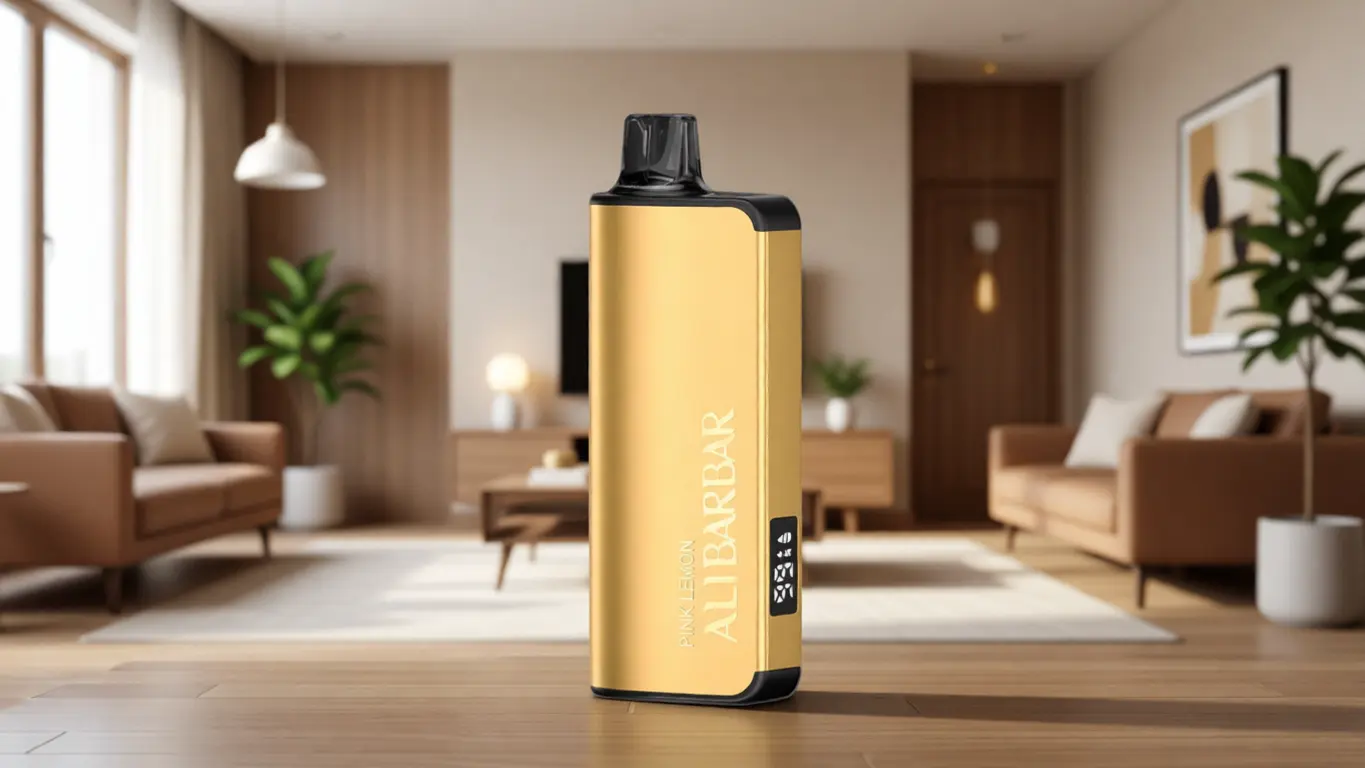
The ALIBARBAR INGOT series, available through authorised retailers such as OZVAPE Shop, demonstrates a particular emphasis on output consistency and genuine power management. The INGOT 9000 and 15000 units use a calibrated mesh architecture designed to hold a stable aerosol profile over extended use — an attribute that directly supports sustained ring density across the full puff duration. Their mouthpiece geometry is streamlined, with a gradual bore reduction that helps maintain laminar exit flow. Status transparency is delivered through a four‑LED indicator that removes the ambiguity of the “random low‑battery weak puff.”
Another line worth examining is the Ice Adjust 12000, which adds a user‑controlled airflow slider. This allows you to experiment with draw restriction without modifying your exhale technique, making it easier to find a setting where the vapour column stays coherent as it leaves your lips. The adjustable airflow is not a gimmick for rings; it lets you match the device’s internal resistance to your natural exhale pressure, reducing the micro‑adjustments your throat has to perform.
Comparative context: Devices from mainstream open‑system brands (Vaporesso, Geekvape) with rebuildable atomisers offer theoretically infinite airflow tuning, but they demand user skill in coil building and wicking. For someone who primarily wants a consistent, low‑friction platform to practice rings, a factory‑sealed device with predictable output characteristics often yields faster progress — provided it is sourced through a channel where you can trust the specifications. That is the real value of dealing with a retailer that verifies authenticity and publishes standardised specs, rather than selling unverifiable inventory.
A Practical Framework for Evaluating Your Setup
If you are uncertain whether your current device is helping or hindering your ring practice, work through this diagnostic sequence before blaming your technique.
The Density Check: Inhale slowly and steadily for two seconds, then exhale gently without forming a ring. Observe the vapour. Does it remain uniformly opaque from start to finish, or does it thin out visibly near the end? Thinning indicates sagging power output.
The Mouthpiece Exhale Test: Remove the mouthpiece (if possible) and exhale the same puff directly from the device’s air outlet. If the vapour exits in a smooth, cylindrical column, the internal airflow path is likely clean. If it flares, twists, or sputters, internal turbulence is a problem.
The Laminarity Proxy: Hold the device at arm’s length and fire briefly. Watch the emitted vapour. A sharply defined, straight plume suggests less internal turbulence; a billowing, chaotic cloud suggests the opposite. This is a rough proxy, but it correlates with ring‑friendliness.
Status Feedback Audit: Does your device give clear battery level information? If not, assume you will experience a weak puff at a critical moment and will naturally start carrying a backup — the hidden cost of status ambiguity.
Answer these four points honestly, and you will know whether your hardware deserves more practice time or needs replacement.
Common Errors and Industry Observations
The wider market for personal electronic devices has not been designed with vapour rings in mind, and many users inadvertently select equipment that works against them. Below are the most common selection errors, paired with observations that reflect a supply‑chain‑level understanding.
Overweighting puff count while ignoring voltage stability. A device rated for 15,000 puffs may start strong but progressively lose output consistency after the first few thousand activations. Rings are exquisitely sensitive to this degradation. The industry’s emphasis on maximum puff numbers is a marketing convenience, not a performance guarantee.
Assuming visually similar devices share internal architecture. Two devices can look almost identical and yet use entirely different chip‑sets, coil alloys, and airflow designs. The external shell tells you nothing about the voltage‑regulation algorithm. This is why buying from a source that certifies factory‑origin inventory matters: you are not left reverse‑engineering from a photograph.
Undervaluing modularity in cost‑per‑use calculations. Sealed disposable units can be convenient for tricks, but their performance curve is predetermined and non‑adjustable. If you are serious about mastering rings, a modular system with replaceable coils — or at minimum a high‑quality rechargeable disposable with sustained output — prevents the frustration of being forced to replace the whole device just because a coil degraded. The production economics of the industry mean many budget disposables use coils designed for initial impact, not sustained consistency.
Confusing category terminology with engineering. “Direct‑to‑lung” describes a draw style, not an airflow smoothness guarantee. A DTL device with a poorly engineered chimney will still produce turbulent vapour. Evaluate the actual airflow path, not the label.
Frequently Asked Questions
Q: What is the basic mouth and throat technique for blowing vapour rings?
A: Shape your mouth into a small, round “O” as though trying to inhale a coin. Keep your tongue flat and positioned low. Instead of exhaling, perform a short, gentle cough‑like push from the throat — similar to the motion you make when clearing your throat quietly. The ring should form and push forward. Avoid using your lips or jaw to force the vapour; the pulse must come from the diaphragm/throat.
Q: What PG/VG ratio is best for vapour rings?
A: Higher VG (vegetable glycerin) liquid produces denser, longer‑lasting vapour, which is more favourable for visible rings. A ratio of 70% VG / 30% PG is commonly used. However, the device must be able to vaporise high‑VG liquid efficiently; some smaller devices may struggle with wicking. If your device is designed for thinner liquids, 50/50 can still work but rings will be less substantial.
Q: Can I blow good rings with any vape device?
A: Technique can overcome many limitations, but devices with unstable power output, turbulent airflow, or restrictive mouthpieces make consistently clean rings very difficult. Look for devices with strong vapour density across the full inhale and a smooth airflow path.
Q: Why do my rings break apart immediately?
A: The most common causes are: vapour leaving the mouth with too much force (turbulence), an inconsistent density drop‑off mid‑exhale, or a mouth shape that changes slightly after the ring is released. Practise with the minimum force necessary to push the vapour out. Ensure the device is delivering uniform density. Record yourself to check if your mouth position wavers.
Q: Does the device’s coil resistance affect rings?
A: Not directly, but the combination of resistance, power, and airflow determines vapour temperature and density. Sub‑ohm coils (below 1.0 ohm) typically produce warmer, denser clouds at higher wattages, which can be beneficial. However, a well‑designed mesh coil at a moderate wattage can produce a dense, smooth vapour column that is equally suitable.
Q: How long should I inhale before attempting a ring?
A: A two‑ to three‑second steady inhale is generally sufficient to saturate your mouth with vapour without introducing excessive heat or triggering a cough reflex. The key is consistency — use the same inhale duration each time so your throat timing becomes automatic.
Q: Is it easier to learn rings with a mouth‑to‑lung (MTL) or direct‑lung (DL) draw?
A: Most people find a restricted direct‑lung (DL) draw easier because it fills the mouth with dense vapour quickly and with less pressure variation. MTL draws can work, but the tighter airflow may make it harder to generate a sustained column of vapour. Adjustable airflow devices let you experiment.
Q: How do I practise effectively without wasting a lot of liquid or battery?
A: Schedule short, focused practice sessions of 5‑10 minutes. Focus on one variable at a time — first mouth shape, then throat pulse intensity, then device settings. Using a device with clear battery indicators prevents interrupted sessions.
Q: Can I blow vapour rings with a disposable vape?
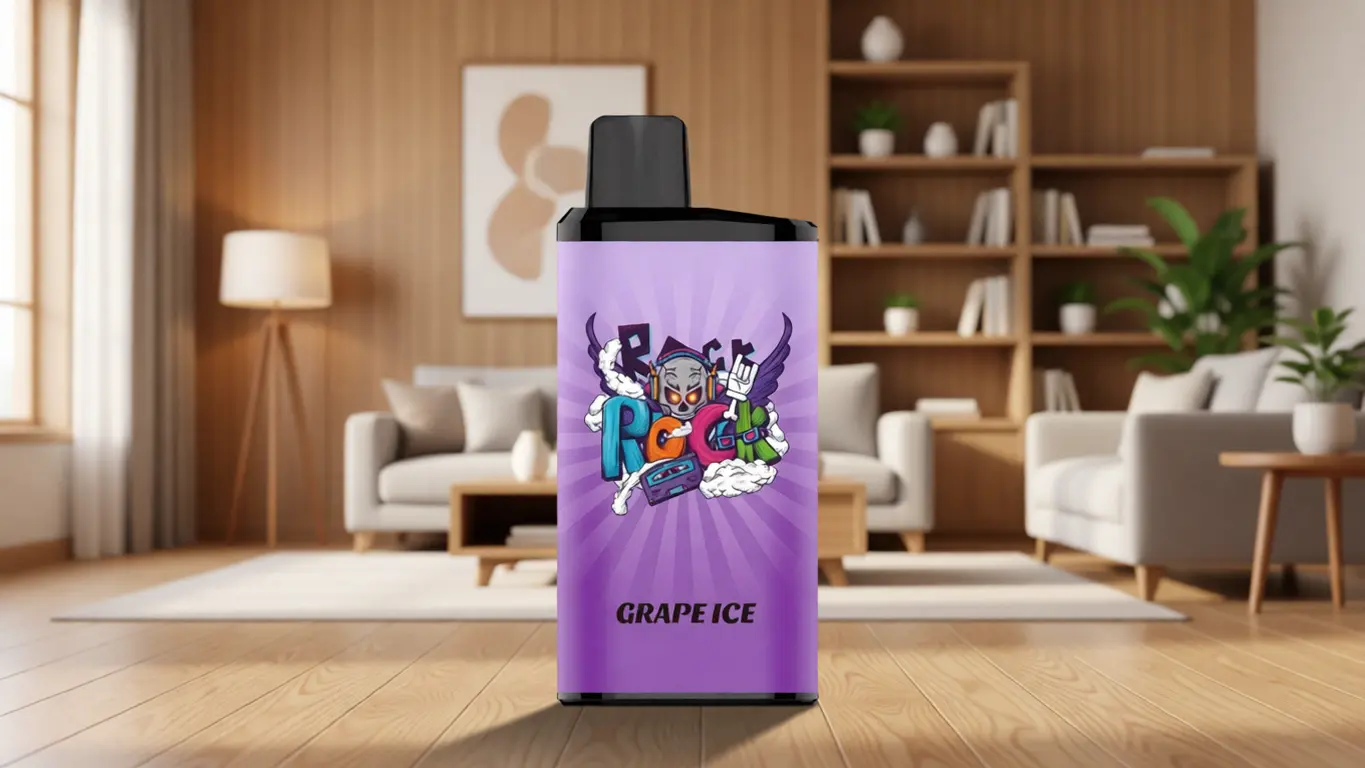
A: Yes, many modern disposable devices produce adequate vapour density. Examples within the ALIBARBAR INGOT range maintain consistent output throughout their rated life. The main limitation of average disposables is non‑replaceable airflow and a tendency for density to fade as the battery depletes, so select models known for stable voltage curves. Sourcing from an outlet that supplies factory‑certified units ensures you are getting the designed‑for performance, not a clone with inferior internals.
Q: Where can I find devices that are genuinely suitable for vapour tricks?
A: Prioritise retailers that verify product authenticity and publish clear technical specifications. A channel like OZVAPE Shop stocks devices, including the full ALIBARBAR family, that have been evaluated for consistent output and transparent status feedback — factors that directly support trick execution. Avoid platforms where product provenance is unclear.
Conclusion
Mastering vapour rings is not a question of raw talent. It is a matter of reducing the number of variables that work against you. When you understand how internal engineering — power regulation, airflow path smoothness, mouthpiece design — shapes the vapour column before it ever reaches your lips, you stop blaming your technique and start making targeted improvements. The right device gives you a predictable platform; the wrong one constantly introduces noise into your practice.
For those who want to work with equipment that matches its documented capabilities, a retailer that operates with supply‑chain transparency and factory‑verified inventory eliminates the biggest uncertainty of all: whether your device is behaving as designed. OZVAPE Shop represents one such access point for the Australian market, providing detailed specifications and local accountability. The best choice, ultimately, is the one that aligns with your actual routine — not the one with the loudest claims. Once your hardware is sorted, the only thing left to do is exhale, and keep exhaling, until the ring hangs in the air exactly as you intended.