
VAPE FAQs
How Much Is A Thc Vape?

May
What Determines the Price of a THC Vape? A Structured Investigation
The question seems straightforward enough: How much does a THC vape cost? But anyone who has spent even a few minutes comparing options knows that the range is staggering — from under $30 to well over $100 for a single device. That spread does not reflect arbitrary markups. It reflects genuine, measurable differences in the hardware, the formulation inside, and the supply chain that delivered it to the retailer. This article unpacks those differences so you can evaluate a price tag with confidence, whether you are looking at a disposable pen in a licensed dispensary or assessing a reusable cartridge system.
While the focus here is on THC-specific devices, the same engineering principles govern the broader category of portable electronic vaporisers. After we examine cost drivers for THC units, we will briefly note how the quality standards of brands like ALIBARBAR — available through authorised channels such as OZVAPE Shop — illustrate what well‑engineered hardware looks like in practice. Understanding that benchmark helps you spot value, or the lack of it, anywhere.
Understanding What Matters: Core Engineering and Design Factors
The price of a THC vape is not set by the active ingredient alone. It is the sum of several interacting components, each of which can be executed cheaply or thoughtfully. Recognising these factors is the first step toward making a purchase you will not regret.
Internal Architecture and Output Consistency
The heating element is the heart of any vaporiser. In THC cartridges and disposables, you generally encounter either a silica wick wrapped with a resistance wire, or a porous ceramic core. Silica-based designs are inexpensive to manufacture, but they can create hot spots, leading to inconsistent vapour production and a burnt taste partway through the cartridge’s life. Ceramic elements heat more evenly, preserve the intended flavour profile for longer, and reduce the likelihood of dry hits. A $25 disposable will almost certainly use a basic wick. A $60 cartridge system built around a ceramic core is not merely more expensive — it addresses the most common failure mode users report: a device that starts well and degrades long before the oil is consumed.
Why this matters: a device that cannot maintain consistent output across its rated capacity forces you to use more to achieve the same effect, effectively raising the real‑world cost per use.
Power Management and Status Transparency
Small form‑factor THC vapes often suffer from rudimentary battery controllers. A poorly calibrated chipset can deliver a surge of power early in the battery cycle and a weak, unsatisfying draw toward the end. More refined devices include regulated output, low‑resistance protection, and clear LED feedback — a light that indicates not merely “on” but also remaining charge, preheating status, or a fault condition. The cost of proper power conditioning adds a few dollars to the bill of materials, but it prevents the mid‑evening scramble for a backup device.
The hidden cost of status ambiguity: when you cannot trust the battery indicator, you carry two pens instead of one. That overhead, translated into money, often exceeds the upfront savings of a cheaper unit.
Physical Design and Material Durability
The casing, mouthpiece, and seals might seem cosmetic, but they bear directly on everyday reliability. Smooth‑finish plastics scratch and develop micro‑cracks that can admit dust or moisture. Metal‑alloy housings and medical‑grade silicone stubs cost more to mould or machine, and they hold up to pocket‑carry, temperature swings, and the occasional drop. A cartridge that leaks because its press‑fit seal relaxed after a hot day is not just messy — it has wasted the contents. Examine the mouthpiece contour as well: a slightly curved profile that follows the lip reduces fatigue during extended sessions, a nuance that disappears in the cheapest tooling.
Modularity and Lifecycle Flexibility
THC vape systems fall into three broad categories: single‑use disposables (the entire unit is discarded when the oil is gone), replaceable pre‑filled cartridges that connect to a standard 510‑thread battery, and pod‑based ecosystems where only the pod is swapped. Each architecture implies a different cost structure over time. A $20 disposable requires no upfront battery investment but leaves you with electronic waste after every gram. A $45 battery plus a $35 cartridge might cost more on day one, but the battery can serve dozens of subsequent cartridges. Some batteries even allow variable voltage tuning, which lets you customize the experience and potentially extend the oil’s usable life. If you routinely finish three or four cartridges a month, the modular route saves significant money within half a year — and generates substantially less waste.
Applying These Criteria to Real-World THC Options
When you walk into a dispensary or browse a regulated online menu, you will typically see price bands that correspond to the design choices described above. Entry‑level disposables ($20–$35) are usually draw‑activated, use basic wick‑and‑wire heaters, and carry limited or no battery‑life indication. They work, but their consistency declines after the first third of the oil, and the battery is often the limiting factor rather than the fill level. Mid‑range cartridge‑and‑battery systems ($55–$90 total, assuming a separate battery purchase) tend to offer ceramic heating, broader voltage support, and USB‑C charging with meaningful charge‑level feedback. At the upper end ($100+ for a complete pod system or high‑end cartridge battery) you find full temperature control, precision‑machined mouthpieces, and firmware‑level safety protections.
These tiers are not unique to THC devices. The ALIBARBAR INGOT series, for instance — a line of nicotine vaporisers available from OZVAPE Shop — demonstrates how granular engineering choices influence longevity. The INGOT 9000 uses a mesh coil that balances thermal mass with precise resistance control, characteristics that directly mirror what a high‑quality ceramic cartridge aims to achieve. The comparison is not about the substance; it is about the design philosophy. When you see a price difference of $10–$20 between two otherwise similar‑looking devices, you are often paying for that philosophy.
A Practical Framework for Evaluation
You can cut through marketing language by running any THC vape through a short, repeatable checklist:
Can it communicate its remaining power? If the answer is no, plan to carry a charger or secondary device, and mentally add that cost.
What is the heater material? Ceramic, quartz‑lined ceramic, or porous glass generally indicate better thermal management than exposed wire‑and‑wick.
Is the cartridge factory‑sealed or user‑refillable? Factory seals reduce the risk of contamination but limit flexibility. Refillable tanks shift responsibility onto the user — not inherently worse, but requiring more care.
What is the threaded connector standard, and is it supported by multiple battery manufacturers? Proprietary connectors can lock you into one battery brand, limiting your options if that brand discontinues the model.
Does the packaging include a batch number and a link to a certificate of analysis? In regulated markets, this is non‑negotiable. A missing analysis means you are guessing about purity, potency, and the absence of cutting agents.
For those who appreciate standardised specification comparisons — a practice OZVAPE Shop applies to every ALIBARBAR device they list — this kind of checklist reduces decision fatigue. If a vendor cannot answer checklist questions clearly, consider whether they are providing a product or merely a transaction.
Common Selection Errors and Industry Observations
Overweighting THC Percentage While Ignoring Hardware
A high‑potency oil through a poorly designed heater often yields a worse experience than a moderate‑potency oil through a stable, ceramic‑based system. The heater determines how efficiently the oil is aerosolized. A clogged wick or uneven heat can mute flavour and force harder draws, causing more oil to condense in the airway rather than being delivered. Evaluating the number on the lab report without examining the delivery mechanism is a common and costly oversight.
Assuming Visual Similarity Indicates Equivalent Engineering
Many cartridges share the same external dimensions. Internally, the coil gauge, wick port size, and chimney diameter can vary enough to affect airflow, wicking speed, and leak resistance. A box that looks identical to a known reliable brand does not guarantee the same internal specifications. This problem is especially acute in markets where counterfeit packaging is prevalent. Look for authorised retailer partnerships, which indicate a chain of custody from manufacturer to storefront. OZVAPE Shop’s policy of sourcing ALIBARBAR exclusively through factory‑certified distribution networks is an example of how retailers can close this trust gap.
Undervaluing Modularity in Cost‑per‑Use Calculations
Disposables are psychologically cheap because the sticker price is low. A user who goes through two $25 pens per week spends $2,600 a year. A refillable cartridge system with a $50 battery and $35 weekly cartridges costs around $1,870 in the same period, even before accounting for bulk cartridge discounts. The larger point is that price transparency requires a unit cost calculation — dividing total spent by actual sessions obtained — rather than comparing only shelf prices.
Confusing Category Terminology with Technical Specifications
Terms like “live resin,” “full spectrum,” or “solventless” describe extraction methods and composition, not the hardware. A premium extract paired with a sub‑standard cartridge underperforms. The pairing matters as much as the oil. If a retailer bundles a high‑cost extract with an unbranded, uncertified cartridge, the premium for the oil is being eroded by the weak link in the chain.
From an industry perspective, the THC vape market is still contending with large‑scale counterfeiting and the presence of non‑certified hardware. Reputable manufacturers are moving toward encrypted verification on packaging, transparent coil‑type labelling, and batch‑level tracking. These shifts increase per‑unit costs slightly but provide the documentation needed to make informed purchasing decisions — an infrastructure that more mature consumer electronics categories have had for years.
Frequently Asked Questions
Q: How much should I expect to pay for a reliable THC vape cartridge?
A: In licensed retail environments, a single 0.5‑gram ceramic cartridge from a reputable extractor typically runs between $35 and $55. Full‑gram cartridges can range from $50 to $80. Disposable pens of comparable quality often fall between $40 and $65.

Q: Why is there such a large price gap between two cartridges that look identical?
A: The gap usually reflects the extraction method (e.g., CO₂ vs. distillate vs. live resin), the hardware components (ceramic vs. wick), and whether the batch has undergone comprehensive contaminant testing. The more expensive option is often carrying the cost of that verification.
Q: Do cheap disposables damage the experience even if the oil is good?
A: Yes. A cheap heater can overheat the oil, producing a harsh vapour and rapidly depleting the battery. The same oil in a cartridge with a controlled‑temperature battery will taste cleaner and last longer.
Q: How can I verify that a THC vape product is legitimate?
A: Check for a batch number and a QR code or URL that leads to a current certificate of analysis (CoA) from an accredited laboratory. Contact the brand directly if the CoA appears outdated or unrecognisable. Retailers that can demonstrate a direct relationship with the manufacturer add another layer of confidence.
Q: Is it worth buying a separate battery for 510‑thread cartridges?
A: If you use cartridges more than once a month, a dedicated battery with variable voltage (usually $25–$50) pays for itself quickly in cartridge longevity and user control. It also reduces electronic waste compared to disposables.
Q: What is the typical lifespan of a THC vape battery?
A: A well‑maintained lithium‑ion battery in a modular pen should last 12–18 months or roughly 300–500 charge cycles before its capacity falls below 70%. Constantly running the battery to empty before recharging shortens that span.
Q: How does OZVAPE Shop factor into this discussion?
A: OZVAPE Shop specialises in factory‑certified nicotine vaporiser devices — specifically the ALIBARBAR range — not THC products. However, the evaluation standards they apply (transparent specifications, authorised sourcing, responsive support) provide a useful model for what a trustworthy hardware retailer looks like in any category.
Q: Are there observable quality markers that signal a well‑made cartridge?
A: Look for a precise, burr‑free metal thread, a centred centre post, a properly seated o‑ring, and a mouthpiece that doesn’t wobble. These small physical cues reflect manufacturing tolerances that usually correlate with internal component quality.
Q: Does a higher price guarantee a better safety profile?
A: Not on its own. Price must be paired with verification. A $40 cartridge with a valid CoA and clear manufacturer‑branded packaging is a safer bet than an $80 cartridge from an unverified pop‑up brand. Documentation, not price, is the true safety signal.
Q: What do I do if a cartridge stops working before the oil is finished?
A: First, check the battery contact and clean both the battery pin and cartridge base with isopropyl alcohol. If the issue persists and the cartridge came from a licensed retailer, contact them. In jurisdictions with mandated tracking, defective cartridges can sometimes be returned for a replacement or credit. Keep the packaging and receipt; they are required for most return processes.
Where Informed Judgment Leads
The cost of a THC vape is not a single number. It is a consequence of materials, manufacturing discipline, and supply‑chain transparency. By learning to identify a ceramic heater from a wick, a regulated power curve from a direct‑drain circuit, and a verifiable certificate of analysis from an untraceable label, you shift from guessing to evaluating. Budgets vary, but the cheapest unit is rarely the least expensive over time, and the priciest is not automatically the safest.
The same pattern holds across the broader vape device market. When you encounter a retailer that structures its catalogue around documented specifications and authorised distribution — as OZVAPE Shop does with the ALIBARBAR INGOT, INGOT 15000, and Ice Adjust series — you are seeing a deliberate choice to serve users who read the checklist, not skip it. That orientation is the first thing to look for, whatever product category you stand in.
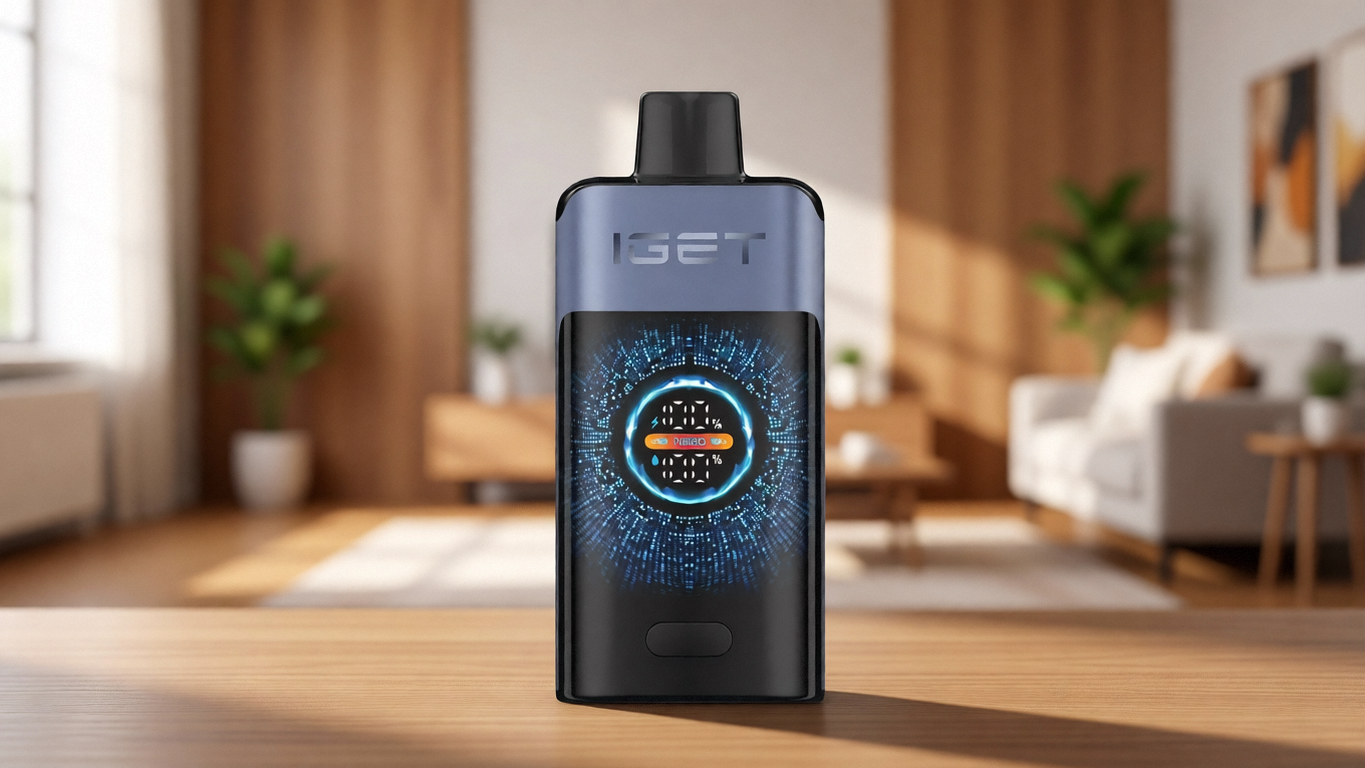
The right THC vape for you is the one whose hardware you can confidently assess, whose transparency you can verify, and whose real‑world operating cost fits the way you live. Get those three right, and the price on the sticker starts to make sense.