
VAPE FAQs
How Much For A Vape Pen?

Sep
Vape pen pricing can be bewildering. One device costs less than a takeaway lunch, another demands a considered investment, and both are described with the same handful of vague terms. The frustration isn’t the number on the tag—it’s the lack of a reliable way to connect that number to what you’ll actually experience over the weeks you’ll use the device. At OZVAPE Shop, we believe price transparency begins with engineering transparency. This article unpacks the real determinants of cost, maps them to the ALIBARBAR device family we stock, and gives you a framework for evaluating any portable electronic device through the lens of long‑term value rather than initial outlay.
What You’re Really Paying For: The Engineering Behind the Price Tag
The cost of a modern vape pen is rarely arbitrary. It reflects a series of design decisions that directly shape how the device behaves at hour ten, day thirty, and month six. Understanding these factors allows you to judge whether a price is fair, inflated, or startlingly honest.
Device Architecture and Expected Lifespan
At the heart of every unit is a heating element and a power storage system. The most basic devices use a simple wire coil and a non‑rechargeable cell sized to match a predetermined volume of consumable material. Once either is depleted, the entire unit is discarded. These are, by design, short‑lifecycle products with a low upfront cost.
Higher‑capacity devices incorporate more sophisticated thermal management—larger heating surfaces, precision airflow channels, and multi‑layer wicking elements—to maintain consistent output across the full charge. The ALIBARBAR INGOT 15000, for example, employs a mesh‑based architecture that distributes heat evenly, reducing the “fade” users commonly report during the final quarter of a device’s operational window. The engineering investment here adds to the bill of materials, but it directly addresses the annoyance of a device that feels weaker by the hour.
Power Management and Reliability
A vape pen that dies without warning turns a minor convenience into a major irritation. Clear battery indication is not a luxury feature; it is a core reliability function. Yet many devices at the lower end of the market offer nothing more than a blinking light that appears seconds before shutdown.
ALIBARBAR’s design language prioritises status transparency. The INGOT series, for instance, carries discrete LED feedback that communicates remaining charge in meaningful increments, not just a binary “okay/trouble” signal. This reduces the need to carry a backup, which is a hidden cost of ambiguous devices. When you buy a device that communicates honestly, you are effectively spending less on redundancy.
Material Quality and Daily Durability
A device that looks worn after a week in a pocket or bag signals poor surface treatment. Soft‑touch coatings that peel, metallic finishes that scratch under minimal friction, and mouthpieces that accumulate heat discomfort are all symptoms of cost‑cut in materials.
ALIBARBAR units use anodised aluminium alloys and high‑grade polycarbonate blends selected for scratch resistance and thermal insulation. The mouthpiece geometry on the Ice Adjust 12000, for example, is contoured to minimise contact‑point heat buildup during prolonged sessions. These material choices increase manufacturing cost but extend the period during which the device feels and functions as it did on day one.
Modularity and Long‑Term Cost
Sealed, disposable units have a fixed total cost. Rechargeable systems with replaceable pods or cartridges distribute that cost differently: the initial hardware purchase is higher, but the ongoing spend per consumable is lower. For anyone who uses a device daily, the modular architecture of the INGOT 9000—rechargeable via a standard USB‑C port—can halve the effective per‑day expense compared to repeatedly buying single‑use equivalents, even if the shelf price looks steeper at first glance.
The ALIBARBAR Range at OZVAPE Shop: Price Determined by Use‑Case
Because OZVAPE Shop sources exclusively from factory‑certified distribution channels, the prices you see reflect the manufacturer’s intended market positioning, not arbitrary mark‑ups or grey‑market speculation. The ALIBARBAR catalogue is organised around distinct user needs, making it easier to align budget with requirements.
INGOT 9000 Series: A rechargeable, mid‑capacity device designed for the user who wants a single unit to last through a full day and beyond without sacrificing portability. The cost sits in the accessible mid‑range, reflecting the rechargeable architecture and robust power management. This is the go‑to for anyone who values not having to carry a spare.
INGOT 15000 Series: Built for extended independence. The larger internal power cell and increased consumable volume mean fewer interruptions over a multi‑day period. The price is higher than the 9000 series, but the cost per hour of active use is substantially lower—an important distinction if you use your device heavily.
Ice Adjust 12000 Series: Incorporates incremental airflow customisation, allowing the user to tune the draw resistance. The price premium over the base INGOT line is tied to that electromechanical refinement. If fine‑grained control matters to you, the extra expenditure eliminates the need to try multiple devices to find the right draw.
Compact Disposable Lines: For users whose primary concern is absolute pocketability and no‑maintenance operation, ALIBARBAR offers sealed units at the most accessible price point. The trade‑off is predictable: lower upfront cost in exchange for a shorter total operational life.
Each of these devices is supported by local post‑purchase accountability. If a unit arrives with a manufacturing defect, the issue is resolved through OZVAPE Shop’s Australian‑based support team, not an anonymous ticketing system. That support infrastructure is part of what you pay for—a factor often overlooked when comparing prices with overseas marketplaces that offer no effective recourse.
How to Evaluate a Vape Pen’s True Cost
Price tags are misleading. A $AUD 15 device that lasts two days costs more per week than a $AUD 35 device that lasts ten. A framework for fair comparison should include:
Rated volume vs. real‑world consumption: Manufacturer specifications assume a standard puff duration and intensity. Your actual mileage will vary. Look for independent feedback patterns, not marketing claims.
Power duration transparency: Does the device give you a multi‑stage battery reading? If not, budget for the fact that you will likely discard units early out of caution.
Recharge cycles: For rechargeable devices, confirm whether the power cell is rated for the full volume of consumable. A device that needs recharging before the consumable is exhausted introduces downtime that effectively raises the cost.
Local support cost: If something goes wrong, do you have an Australian return address or a live person to contact? Cross‑border purchases can become economic write‑offs when warranty processes prove impractical.
At OZVAPE Shop, we publish standardised specifications for every ALIBARBAR SKU to make these comparisons straightforward, not an exercise in decoding inconsistent marketing language.
Common Pricing Mistakes and Misconceptions
Even experienced users fall into predictable traps when judging cost:
Overweighting puff count: A higher number on the box does not necessarily mean a better value per dollar. Without understanding power delivery consistency (does puff 500 feel like puff 5,000?), the count is a vanity metric.
Ignoring ergonomic longevity: A device that becomes physically uncomfortable after fifteen minutes of use is effectively obsolete for anyone who uses it during prolonged activities. Paying slightly more for a considered mouthpiece design—like ALIBARBAR’s Ice Adjust contouring—avoids the expense of switching products later.
Equating visual similarity with engineering parity: The Australian market is flooded with devices that look identical but differ radically in cell quality and heating element design. A lower price may simply reflect a thinner margin on an inferior internal build.
Confusing category terms: “Disposable,” “rechargeable,” and “refillable” are functional distinctions, not quality tiers. A well‑engineered disposable from a factory‑audited supply chain can outperform a poorly made refillable. Judge the device, not the label.
Frequently Asked Questions
Q: Why does the same ALIBARBAR INGOT 9000 cost different amounts from different sellers?
A: Price discrepancies typically stem from sourcing. Factory‑certified inventory carries a fixed wholesale cost, which is what OZVAPE Shop pays. Grey‑market or parallel‑imported stock may be priced lower but often comes without manufacturer warranty support or traceable batch records.
Q: How do I verify that my ALIBARBAR device is authentic?
A: Every unit supplied through OZVAPE Shop includes a unique verification code that can be checked against the manufacturer’s database. We also provide batch‑level documentation to confirm chain of custody from factory floor to dispatch.
Q: What happens if my device doesn’t last as long as the packaging states?
A: Usage patterns vary widely. If performance falls significantly short of reasonable expectations and the device is within its intended operational window, our support team investigates. We handle defective product claims locally, without requiring international shipping.
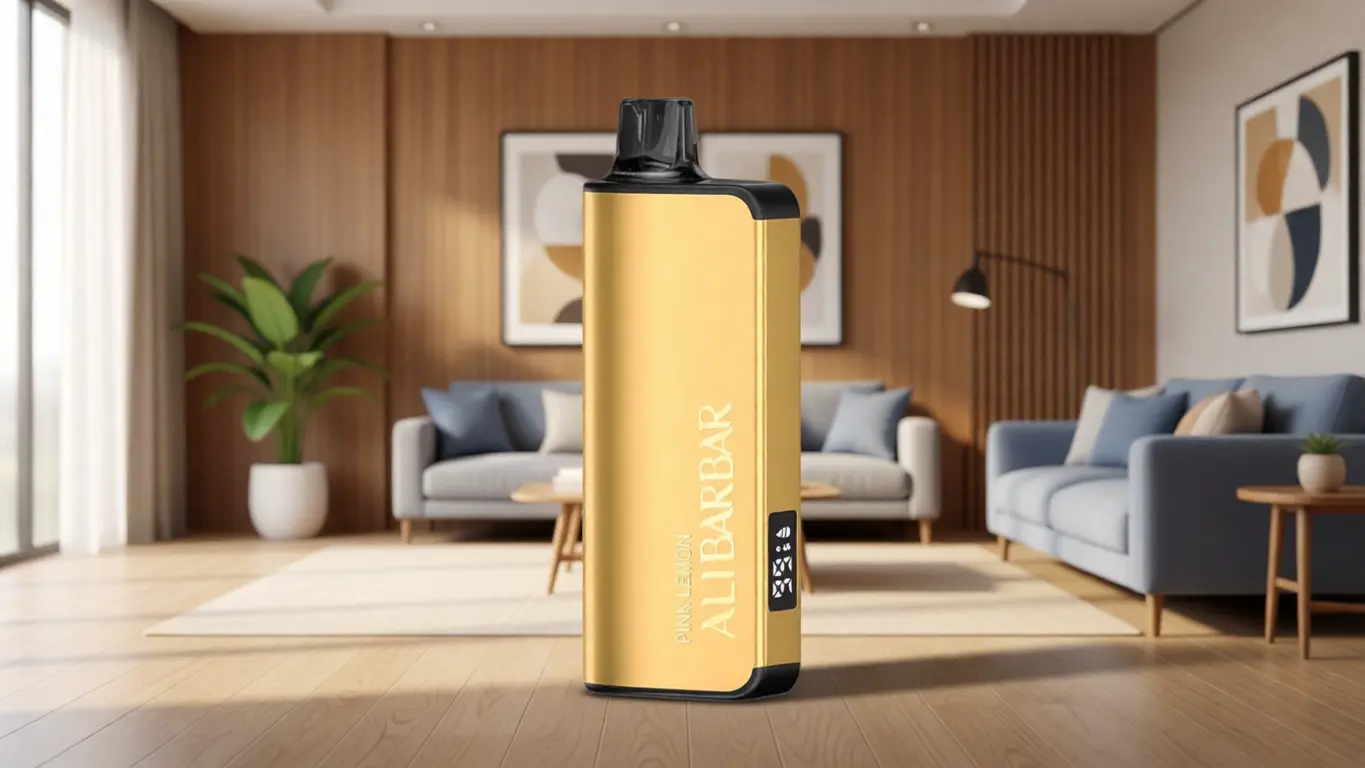
Q: Are the higher‑priced ALIBARBAR devices actually cheaper in the long run?
A: For frequent users, yes. A rechargeable INGOT 15000 spreads its cost over a much larger volume of use than a series of single‑use units, even if the shelf price is higher. The exact crossover point depends on your weekly routine.
Q: Do you ship to all Australian states?
A: Yes. We ship from a New South Wales fulfilment centre, with delivery times varying by location. All shipments are tracked.
Q: Can I return a device if I simply don’t like it?
A: Due to the nature of the products, returns are accepted only for manufacturing faults, not change of mind. We detail this policy transparently before purchase.
Q: Is the Ice Adjust 12000 worth the extra money over the INGOT 15000?
A: Only if you value adjustable airflow. If you are satisfied with a fixed draw resistance, the INGOT 15000 offers greater total capacity at a similar price. The Ice Adjust is for users who find airflow tuning important enough to pay for the mechanism.
Q: How do I know which device is right for me?
A: Start by mapping your typical day: how long you need the device to last without interruption, whether you can recharge during the day, and how much pocket space you have. Our product pages list objective specs—capacity, dimensions, charge method—to make that mapping straightforward.
The Price That Fits Your Life
The question “how much for a vape pen” is the wrong starting point. The right question is “what am I paying for, and does that align with how I’ll actually use the device?” A low price married to short lifespan, ambiguous feedback, and discomfort is a poor deal. A higher initial price that buys reliability, transparency, and local accountability can be a quiet bargain over months of daily use.
The ALIBARBAR range, available through OZVAPE Shop, is built on the premise that a device’s cost should be tied to its engineering integrity, not marketing spin. We document that integrity in plain specifications and stand behind it with an operational presence you can reach. Whatever your budget, the device that genuinely fits your routine will always be the one worth paying for.