
VAPE FAQs
How Much Do Vape Refills Cost?
Jul
Introduction
For many adult users, the sticker shock of vape refills hits long after the initial device purchase. What starts as an affordable daily tool can become an unexpected recurring expense, especially when navigating a market filled with wildly varying prices, generic alternatives, and hidden quality trade-offs. The core problem isn’t just the cost itself—it’s the lack of clear, actionable information to distinguish a fair price from a false economy. At OZVAPE Shop, we’ve spent years analyzing refill pricing dynamics to help users make informed decisions that balance budget, performance, and device longevity. This article breaks down the factors that drive refill costs, provides real-world price ranges, and offers a framework to evaluate whether you’re getting value for your money.
Core Factors Influencing Vape Refill Costs
Understanding the engineering, regulatory, and supply chain variables behind refill pricing is key to avoiding costly mistakes. Each factor directly addresses user frustrations, from inconsistent taste to premature device failure.
Formulation and Raw Material Quality
The single biggest driver of refill cost is the quality of raw materials. Premium formulations use pharmaceutical-grade base liquids, lab-tested flavorings without harmful additives, and precise nicotine calibration (where applicable). These materials cost more upfront but deliver consistent taste, reduce irritation, and minimize the risk of device clogging. Cheaper alternatives often cut corners with lower-purity bases or unregulated flavorings, which can lead to burnt tastes, frequent clogs, and even damage to heating elements over time. For example, ALIBARBAR’s closed-system cartridges use certified food-grade flavorings and filtered base liquids, which contributes to their higher price point compared to unregulated generic alternatives.
Packaging and Supply Chain Efficiency
Packaging design and supply chain logistics also impact costs. Closed-system cartridges require specialized, tamper-proof packaging to maintain purity and prevent leakage—this adds production and shipping expenses. Open-system e-liquids, by contrast, are often sold in larger bottles with simpler packaging, reducing per-unit costs. Authorized retailers like OZVAPE Shop source directly from brand-approved distributors, avoiding third-party markups that come with grey-market products. This direct sourcing ensures consistent pricing while guaranteeing authenticity and freshness.
Device Compatibility and Design Constraints
Refill costs vary significantly based on whether they’re designed for closed or open systems. Closed-system refills (like ALIBARBAR’s INGOT series cartridges) are engineered to fit specific device models, requiring precise manufacturing tolerances that drive up costs. Open-system e-liquids are more versatile but may need to be paired with compatible coils, adding an additional recurring expense. Users often overlook this: a cheap open-system liquid might seem affordable, but frequent coil replacements can make the total cost higher than a closed-system alternative over a month of use.
Brand Regulatory Compliance
In regulated markets like Australia, compliance with strict safety and labeling standards adds to refill costs. Brands must conduct extensive testing, submit documentation to regulatory bodies, and adhere to packaging requirements that include clear health warnings. Non-compliant products avoid these costs, but they pose significant risks—from inaccurate nicotine content to untested additives that could harm users or damage devices. OZVAPE Shop only stocks refills that meet Australian regulatory standards, ensuring users avoid the hidden costs of non-compliant products.
Real-World Cost Range Breakdown by Category
Refill pricing aligns with user need-states, from casual, discrete use to heavy, daily consumption. Below are typical ranges for certified products in Australia:
Closed-System Cartridges (Discrete, Low-Maintenance Users)
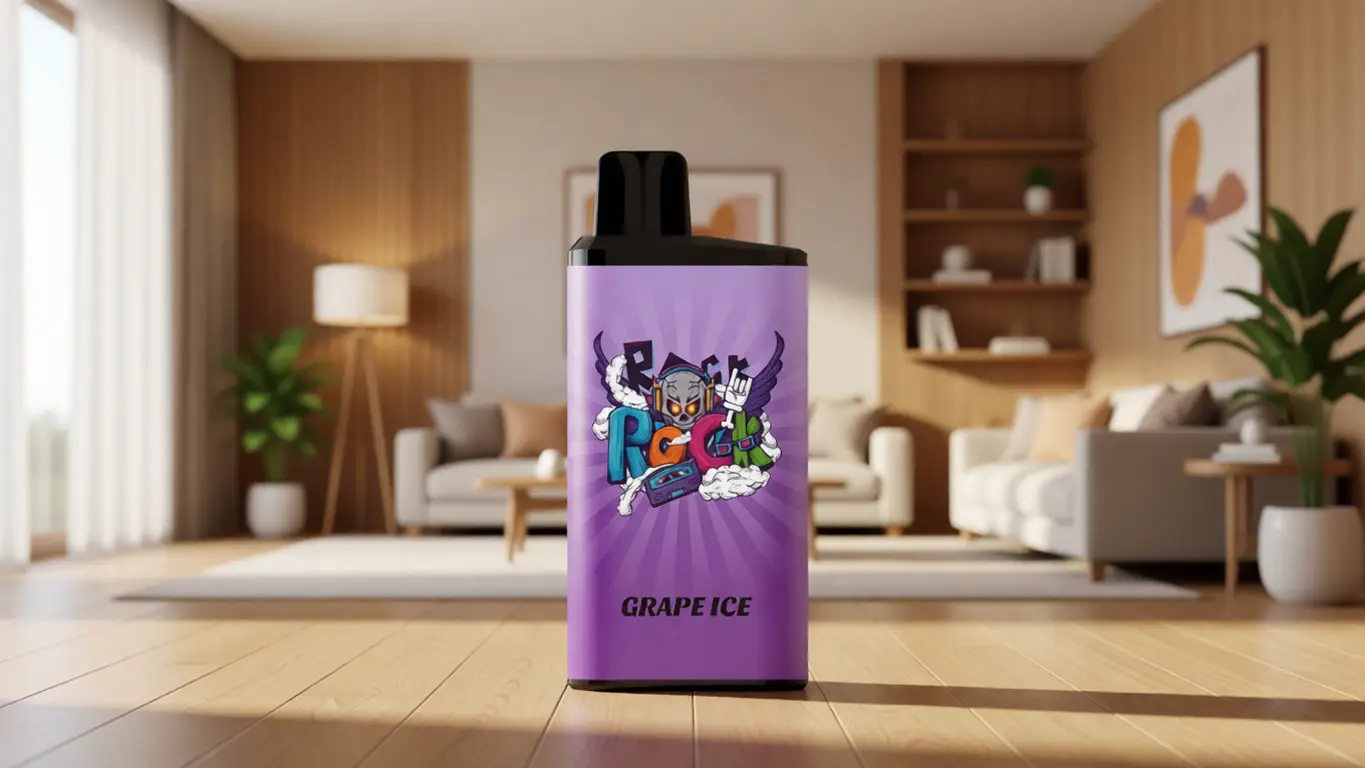
For users seeking minimal upkeep, closed-system cartridges are ideal. ALIBARBAR’s INGOT 9000 replacement cartridges (sold at OZVAPE Shop) cost between $12 and $15 per unit, with bulk packs of 4 reducing the per-unit cost to $10–$12. Comparably, Juul’s compatible closed-system cartridges range from $14–$18 per pack of 4, while unregulated generic alternatives can be found for as low as $6 per pack—though these often lack regulatory certification and carry higher performance risks.
Open-System E-Liquids (Customization-Focused Users)
For users who prefer flavor variety and adjustable settings, open-system e-liquids offer flexibility. Premium brands like Vaporesso sell 100ml bottles for $20–$25, while ALIBARBAR’s limited-edition open-system liquids (available at OZVAPE Shop) range from $22–$28 for 100ml. Generic e-liquids can be found for $10–$15 per 100ml, but these may use lower-quality ingredients that require coil replacements every 1–2 weeks (costing $5–$10 per pack), increasing long-term costs.
High-Capacity Modular Refills (Heavy Daily Users)
For users who need all-day performance without frequent refills, high-capacity modular options are the best fit. ALIBARBAR’s Ice Adjust 12000 refill pods cost $15–$18 per unit, with a 3-pack priced at $40–$45. Comparable products from Smok range from $16–$20 per unit, making ALIBARBAR’s offerings competitively priced for their certified quality and long-lasting performance.
Practical Framework for Evaluating Refill Cost Value
To avoid overpaying or falling for false economies, use this step-by-step methodology:
Calculate Cost Per Use: Divide the total cost of a refill by its estimated number of uses (e.g., an ALIBARBAR INGOT 9000 cartridge with 9000 puffs at $12 equals ~$0.0013 per puff). This helps compare value across different refill types.
Factor in Device Longevity: Cheap refills can clog heating elements or erode seals, leading to earlier device replacement. A $6 generic cartridge might save $6 upfront, but if it damages a $50 device, the total cost is far higher.
Verify Sourcing Authenticity: Only purchase refills from authorized retailers like OZVAPE Shop to avoid counterfeit products that may be unsafe or perform poorly.
Evaluate Bulk Purchase Savings: Many brands offer bulk packs that reduce per-unit costs by 10–25%. For regular users, this can add up to significant annual savings.
Common Cost-Related Selection Errors
Even informed users often make mistakes that lead to higher long-term costs:
Prioritizing Upfront Cost Over Value: Choosing the cheapest refill often leads to frequent clogs, burnt tastes, or device damage. For example, a generic cartridge may cost half as much as a genuine ALIBARBAR refill, but it can render a device unusable within a week.
Ignoring Coil Replacement Costs: Open-system users often overlook that cheap e-liquids wear out coils faster. A $10 100ml bottle might seem like a deal, but if it requires coil replacements every two weeks, the monthly cost can exceed that of a premium liquid with less frequent coil changes.
Confusing Compatible with Genuine Refills: Third-party refills claiming compatibility often don’t meet manufacturing tolerances, leading to leakage or inconsistent performance. OZVAPE Shop only stocks genuine ALIBARBAR refills designed specifically for their devices, eliminating this risk.
Overlooking Regulatory Risks: Non-compliant refills are cheaper but may contain harmful additives or inaccurate nicotine levels, posing health risks that far outweigh upfront savings.
Frequently Asked Questions
Q: What’s the average cost of a vape refill in Australia?
A: The average cost ranges from $10–$25, depending on the type (closed-system cartridge vs. open-system e-liquid) and brand quality.
Q: Do genuine refills cost more than generic ones?
A: Yes, genuine refills typically cost 20–50% more than generic alternatives, but they offer consistent performance, regulatory compliance, and reduced risk of device damage.
Q: Can cheap refills damage my device?
A: Yes. Cheap refills often use lower-quality ingredients that can clog heating elements, erode seals, or cause coil burnout, leading to premature device failure.
Q: Are bulk purchases of refills worth it?
A: For regular users, bulk purchases usually offer 10–25% savings per unit, making them a cost-effective option if you use the same refill type consistently.
Q: Does OZVAPE Shop offer refill bundles or discounts?
A: Yes, OZVAPE Shop offers bulk packs and occasional discounts on ALIBARBAR refills, helping users save on recurring expenses while ensuring product authenticity.
Q: How do closed-system vs. open-system refill costs compare?
A: Closed-system refills have a higher upfront per-unit cost but require no additional coil replacements. Open-system liquids are cheaper per milliliter but require frequent coil replacements, which can equal or exceed closed-system costs over time.
Q: Are there any hidden costs with vape refills?
A: Hidden costs include coil replacements (for open systems), device repair or replacement due to low-quality refills, and potential health risks from non-compliant products.
Q: How do regulatory requirements affect refill pricing in Australia?
A: Regulatory testing, certification, and packaging requirements add to the cost of compliant refills, but they ensure safety and accuracy that non-compliant products lack.
Conclusion
The true cost of vape refills extends far beyond the sticker price—it encompasses performance consistency, device longevity, and regulatory safety. By focusing on value rather than just upfront cost, users can avoid the false economies that lead to frustration and unexpected expenses. OZVAPE Shop’s commitment to authorized, compliant refills ensures that users get transparent pricing and genuine quality, eliminating the guesswork from refill purchases. OZVAPE Shop offers a curated selection of ALIBARBAR refills and other certified products, backed by local support and transparent sourcing. Remember: the right refill choice is the one that aligns with your usage habits and prioritizes long-term satisfaction over short-term savings.