
VAPE FAQs
How Many Puffs Of A Vape Equals One Cigarette?
Sep
It’s the question that quietly sits behind every first purchase and every attempt to understand a new routine: how many puffs from this device actually match what I’m used to? The answers circulating online are often deceptively simple — a single number, repeated as though it were universal — and they fail to account for the enormous variation in hardware, nicotine formulation, and individual usage patterns. When a person relies on an oversimplified comparison, they either underestimate their intake and feel unsatisfied, or they overcompensate and waste capacity they didn’t need. Neither outcome helps an adult make an informed decision.
This article takes the question apart, piece by piece, so you can build an answer that matches your own situation. We are not going to hand you a single magic number, because no such number exists. Instead, we’ll walk through the engineering and chemistry that determine nicotine delivery, explain why a puff from one device is not interchangeable with a puff from another, and give you a repeatable method for making your own calculations. Along the way, when we talk about how standardized specifications can reduce guesswork, we’ll reference sources like OZVAPE Shop, where device documentation is presented in a way that supports this kind of practical analysis rather than obscuring it.
Understanding What Matters: The Variables That Make Puff Counting Complex
A cigarette is a relatively standardized product. A typical manufactured cigarette delivers between 1 and 2 milligrams of nicotine to the bloodstream, depending on the brand, how deeply the user inhales, and how completely the tobacco column is consumed. A vape device, by contrast, is an engineered system where the dose per puff is influenced by a chain of interdependent design decisions. If you try to compare the two without understanding those variables, the comparison collapses.
Nicotine Concentration and Formulation
The amount of nicotine in the liquid is only the starting point. Freebase nicotine and nicotine salts behave differently in the body: salts enter the bloodstream more rapidly and produce a sensation closer to combustible tobacco, which means a user may be satisfied with fewer puffs. A 20 mg/mL nicotine salt formulation can feel subjectively stronger than the same concentration of freebase, even though the numerical value is identical. Moreover, the total volume of liquid consumed per puff differs drastically between devices, meaning that concentration alone tells you nothing about the actual mass of nicotine delivered per inhalation.
Power Delivery and Aerosol Production
A device running at 10 watts produces a cooler, less dense aerosol than a device at 25 watts. The higher-powered device vaporizes more liquid per second, so a single puff from it delivers not only more nicotine but also a different mouthfeel that can influence satisfaction. This is why a “puff” from a compact disposable and a “puff” from a high-wattage box mod are incommensurable units. When you see a spec sheet that says “up to 600 puffs,” that number was generated under a very specific set of laboratory conditions — typically a puff duration of one second — that may have little to do with your own draw length.
Airflow Design and Inhalation Style
Mouth-to-lung devices, which mimic the draw resistance of a cigarette, tend to produce smaller, more restrained clouds and are often used with higher nicotine concentrations. Direct-lung devices produce voluminous vapor and are usually paired with lower nicotine because the sheer volume of aerosol makes up for the dilution. A person who takes two-second mouth-to-lung puffs from a 20 mg/mL device will have an utterly different nicotine trajectory than someone taking four-second direct-lung pulls from a 6 mg/mL setup. Comparing them purely by puff count is like comparing the alcohol intake of sipping whiskey with that of drinking beer.
Thermal Consistency Over a Session
Even within the same device, puff number one and puff number fifty are not necessarily equivalent. As the heating element ages, its resistance can drift, and the wicking material may become less efficient. In poorly engineered devices, this leads to a gradual decline in vapor density, meaning later puffs deliver less nicotine. A well-designed thermal management system, such as those built around constant-power chipsets, maintains a more stable output from first draw to last, making puff counting more meaningful. Devices that lack this consistency create a moving target.
Applying These Criteria to Real-World Device Categories
Rather than trying to rank devices, it’s more useful to look at how different architectures interact with the variables above. This is where referencing specific product families — not to promote them, but because they illustrate clear design choices — becomes helpful.
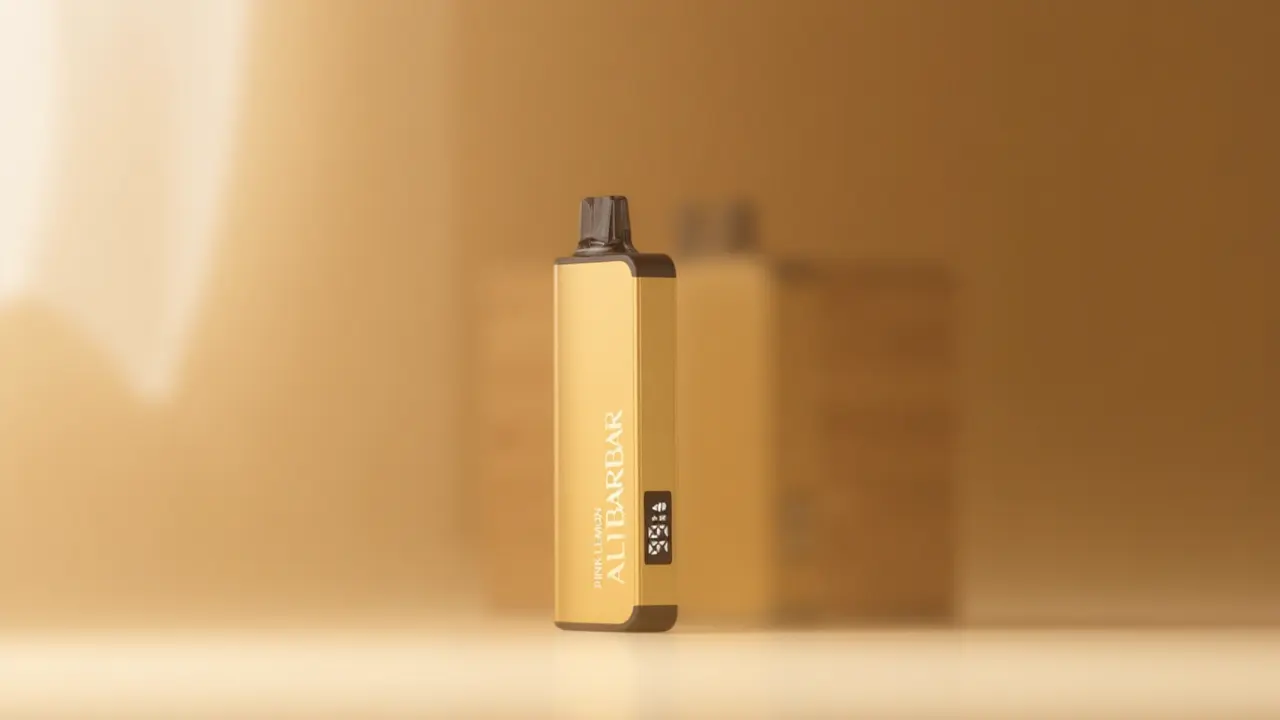
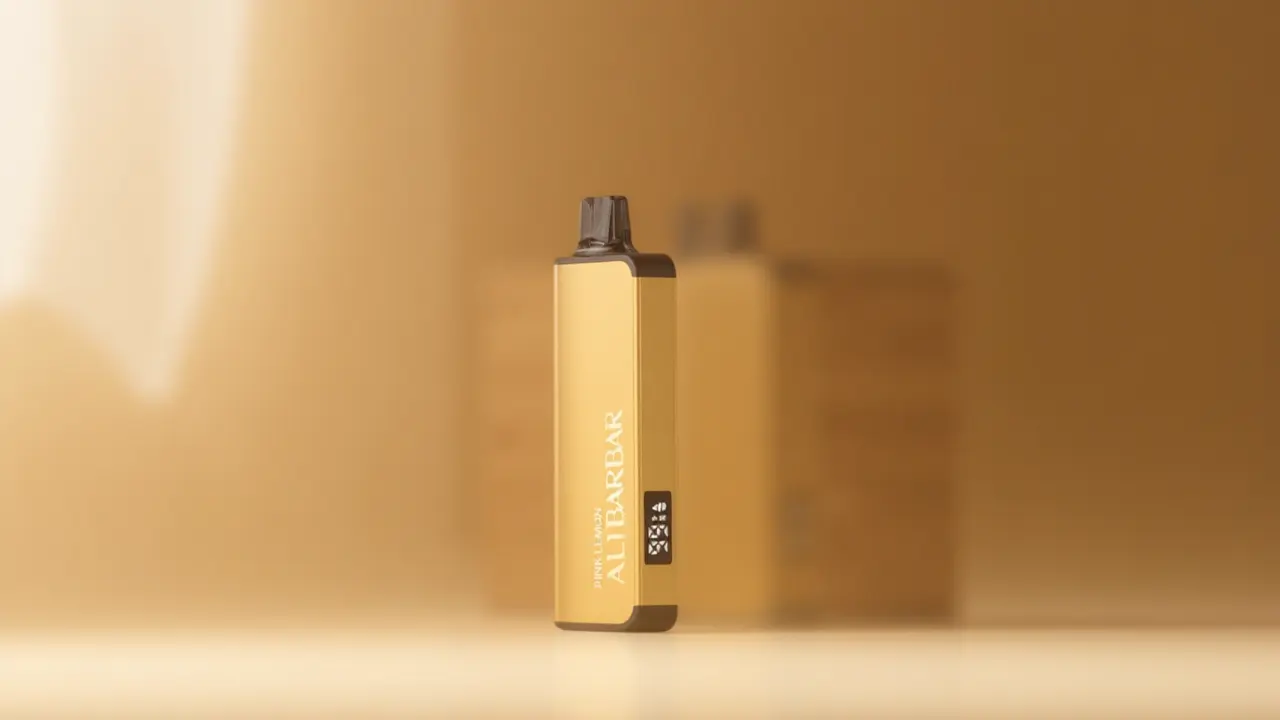
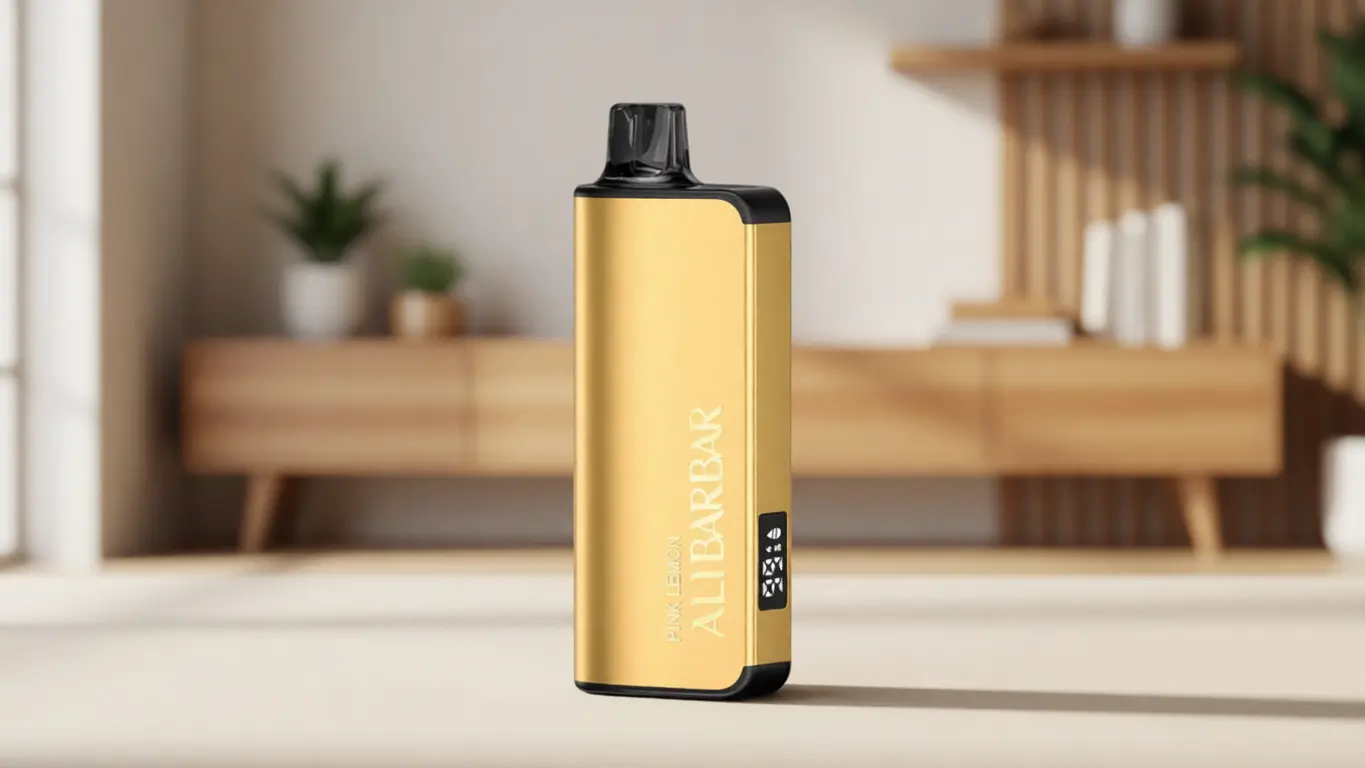
Pre-filled, sealed systems like the ALIBARBAR INGOT 9000 or INGOT 15000 are calibrated for a consistent wattage and airflow from the factory. The user cannot alter the power, so every draw operates within a narrow performance envelope. This makes their stated puff counts a more reliable reference point, though those numbers still assume a standardized puff duration. If your draw is significantly longer, you may get fewer total puffs than the pack claims; if shorter, you may get more. The nicotine salt formulations used in such devices are typically high concentration (often around 50 mg/mL, depending on the market), which means that for a user accustomed to full-strength cigarettes, a few puffs can feel comparable. In contrast, refillable pod systems and tank mods introduce user-adjustable settings and an almost infinite range of e-liquid options, so any attempt to assign a fixed cigarette-equivalent number per puff becomes guesswork without careful record-keeping.
What this means pragmatically is that a device with a tightly controlled output architecture — where the resistance, wattage, and airflow are non-adjustable — gives you a more stable foundation for estimating equivalence. It removes several moving parts from the equation. This does not make such devices inherently better or worse; it merely makes the math cleaner.
A Practical Framework for Evaluating Your Own Puff Equivalence
If you want a number you can trust, you need to generate it yourself. Here is a step-by-step methodology that requires only observation and a little arithmetic.
Establish your cigarette baseline. If you smoked a brand that delivered, say, 1.2 mg of nicotine per cigarette (manufacturer data is often publicly available), and you smoked 15 per day, your daily nicotine intake from combustion was roughly 18 mg. Keep in mind that absorption rates differ, but this gives a starting point.
Determine the nicotine mass per puff of your device. Check the device specifications. If a disposable is rated for 600 puffs and contains 2 mL of 50 mg/mL liquid, then total nicotine content is 100 mg. Dividing by 600 gives approximately 0.17 mg per puff under laboratory conditions. If your device allows you to see remaining liquid volume, you can refine this by tracking how much liquid you actually consume per puff.
Log your actual usage for one full day. Count every puff you take, and note whether you ever felt unsatisfied or over-nicotined. This step is tedious, but it replaces speculation with data.
Adjust for absorption. Nicotine from vapor is absorbed somewhat differently than from smoke; some studies suggest that at comparable puff profiles, you might need to consume a slightly higher total dose from vapor to achieve the same plasma nicotine levels. No consensus number exists, but a common rough heuristic among harm reduction researchers is that vapor delivers approximately 30–60% of the nicotine per unit of inhaled aerosol mass that smoke does, depending on particle size and formulation. Err on the conservative side: if your calculated daily intake from vaping matches your old cigarette intake milligram for milligram, you may still be slightly below in terms of physiological effect.
Iterate. After a few days, you will have a personal conversion factor: X puffs of my specific device feel roughly equivalent to one cigarette, given my personal draw style. This number will be far more useful to you than any online table.
Common Selection Errors and Industry Observations
People regularly undermine their own conversion efforts through a handful of predictable mistakes. Recognizing them is half the solution.
Overweighting the “number of puffs” spec. A device marketed as “3000 puffs” sounds like it should last three times as long as a “1000 puffs” device, but if the 3000-puff unit runs at a much higher wattage and produces denser vapor, a user may naturally take shorter draws and find the two devices last a similar number of days. The puff number is a comparative metric only when the devices share an output profile.
Ignoring the role of throat hit. For many former smokers, satisfaction is not solely pharmacological; it is also sensory. A device that delivers plenty of nicotine but lacks a pronounced throat sensation may fail to register as “finished,” prompting the user to take additional puffs and skewing any equivalence calculation. Nicotine salts, at equivalent concentrations, typically provide a smoother throat hit than freebase, which can paradoxically lead to more frequent puffing if the user is chasing that missing sensation.
Assuming visual similarity indicates identical engineering. Two slim, draw-activated disposables from different manufacturers can have entirely different coil resistances, wicking materials, and e-liquid formulations. One may maintain a consistent output for 80% of its life; the other may decline noticeably after 30%. The latter will skew any puff-count-based estimate because later puffs deliver lower nicotine, and the user may compensate by drawing harder or longer.
Confusing category terminology with technical specifications. The word “disposable” tells you about the product’s life cycle, not its power, airflow, or nicotine delivery. An open-system pod device and a closed-system disposable can have identical liquid formulations, but if the pod device is used with a longer draw, the per-puff nicotine dose will be higher. The category is not the specification.
From an industry perspective, the absence of a standardized puff measurement protocol means that manufacturers’ puff claims are essentially marketing figures unless accompanied by detailed test parameters — puff duration, volume, and power stability across the unit’s lifespan. Savvy users learn to treat these numbers as rough ordering tools, not precise indicators of personal yield.
Frequently Asked Questions
Q: Is one puff from a high-nicotine disposable equal to one puff from a cigarette?
A: Not directly. A single puff from a 50 mg/mL disposable can deliver a significant nicotine dose, but the rate of absorption differs. Many users report that 2–3 puffs from such a device feel roughly equivalent to one cigarette, but this varies by draw length, device power, and individual metabolism.
Q: Why do some online sources claim 10 puffs equals one cigarette?
A: That figure typically assumes a low-nicotine, high-power device and a specific puff duration. It is not a universal constant. Applying it to a high-strength salt nic device will lead to overconsumption.
Q: How can I know if my device has consistent puff-to-puff output?
A: Devices with constant-voltage or constant-power regulation maintain steadier output. Without instrumentation, you can observe whether the flavor and vapor density feel stable across a full charge cycle. Noticeable fading indicates output drift, which makes puff counting unreliable.
Q: Do all ALIBARBAR devices use the same output profile?
A: No. While they share engineering principles, models like the Ice Adjust 12000 allow airflow adjustment, which changes the per-puff aerosol volume. The rated puff count is based on a specific setting, so changing airflow will alter how many puffs you receive in practice.
Q: Can I rely on the puff count printed on the box to calculate my cigarette equivalent?
A: It’s a starting point, but only if you know the test conditions. Without knowing the assumed puff duration, the number is an approximation. Use it alongside your own daily log for a personalized estimate.
Q: Does nicotine salt liquid deliver nicotine faster than freebase?
A: Yes. Nicotine salts are absorbed more rapidly into the bloodstream, producing a profile closer to cigarette smoking. This can mean fewer puffs are needed to feel satisfied, but it also increases the risk of overuse if you puff at the same frequency as you smoked.
Q: How do I verify that the device I bought contains the advertised nicotine concentration?
A: Retailers that source exclusively from authorized distribution channels, like OZVAPE Shop, can provide traceability and factory certification that the product matches its specifications. Third-party testing is rare for consumer devices, so purchasing from a documented supply chain is the most practical safeguard.
Q: If I take shorter puffs, will my device last longer?
A: Generally, yes, because you are drawing less liquid per inhalation. However, extremely short puffs may not fully saturate the wick, potentially leading to dry hits that damage the heating element and reduce overall lifespan.
Q: Is there a maximum number of puffs I should take per day from a vape?
A: There is no universal limit. The appropriate number depends on your nicotine concentration, device power, and individual tolerance. Use your own satisfaction and any physical cues (nausea, dizziness, headache) as feedback signals.
Q: What should I do if my calculated equivalence doesn’t feel right?
A: Trust your body more than the math. If you feel under- or over-nicotined, adjust your puffing frequency or draw duration incrementally, and let your log reflect the new pattern. The number is a tool for orientation, not a prescription.
Conclusion
The quest to equate puffs and cigarettes often begins with a search for a tidy answer and ends, if pursued honestly, with a more sophisticated understanding of how engineered devices interact with human physiology. That is a good thing. Once you accept that a “puff” is not a standard unit — that it is a product of wattage, airflow, liquid chemistry, and your own breathing — you stop outsourcing your judgment to oversimplified charts and start observing your own responses.
This is where a supplier that presents device specifications transparently, without exaggeration, becomes genuinely useful. When OZVAPE Shop documents a product’s capacity, concentration, and operating characteristics, it gives adults the raw materials for their own careful calculations. Informed users make better decisions, and better decisions produce less waste, fewer returns, and more day-to-day satisfaction. Ultimately, the right device is not the one with the most impressive puff count on the box. It is the one whose output, when you track it honestly over a week, aligns with the rhythm your body already knows.