
VAPE FAQs
How Many Puffs In 1Ml Vape?
May
Anyone who has glanced at a device’s capacity specification has done the mental arithmetic: if this unit holds X millilitres and I take roughly Y draws per day, how long will it last? The question “how many puffs in 1 ml?” seems like simple division, but its answer sits at the intersection of electrical engineering, thermal dynamics, and user behaviour. It reveals more about a device’s design integrity than any marketing claim ever could. Understanding that relationship is what separates a satisfying daily tool from a product that runs empty when you need it most.
At OZVAPE Shop, clarity around these specifications is treated as a requirement, not an afterthought. By standardising how capacity and performance data are presented, the platform enables users to compare devices with the same rigour they would apply to any precision electronic tool.
Understanding What Matters: Core Engineering and Design Factors
Puff count per millilitre is not a fixed constant. It varies dramatically based on a handful of interlocking design choices. Analysing them gives you a framework for evaluating any device.
Internal Architecture and Output Consistency
The heating element configuration—whether a simple wire coil, a mesh surface, or a ceramic chamber—determines how efficiently liquid is converted into aerosol. A poorly designed heating architecture can waste liquid by overheating it, producing thin, uneven output and leaving behind inaccessible residue. Over the life of a device, inconsistent thermal delivery leads to the sensation of declining performance, where the last quarter of a tank never feels as satisfying as the first.
Well-engineered thermal management, by contrast, maintains a stable temperature gradient that aerosolises nearly all accessible liquid at the intended rate. This is why some devices of the same nominal capacity can deliver 20–30% more usable draws. The difference is not magic; it is the result of careful impedance matching between the power source and the atomiser, and of wicking materials that keep the heating surface saturated without flooding.
Power Management and Status Transparency
A device that cannot regulate its output voltage as the battery drains will deliver weak draws that users compensate for with longer, deeper inhalations, inadvertently consuming more liquid per puff. Sophisticated power management—steady output from full charge to near depletion—is what preserves the puffs-per-millilitre ratio across the device’s entire runtime.
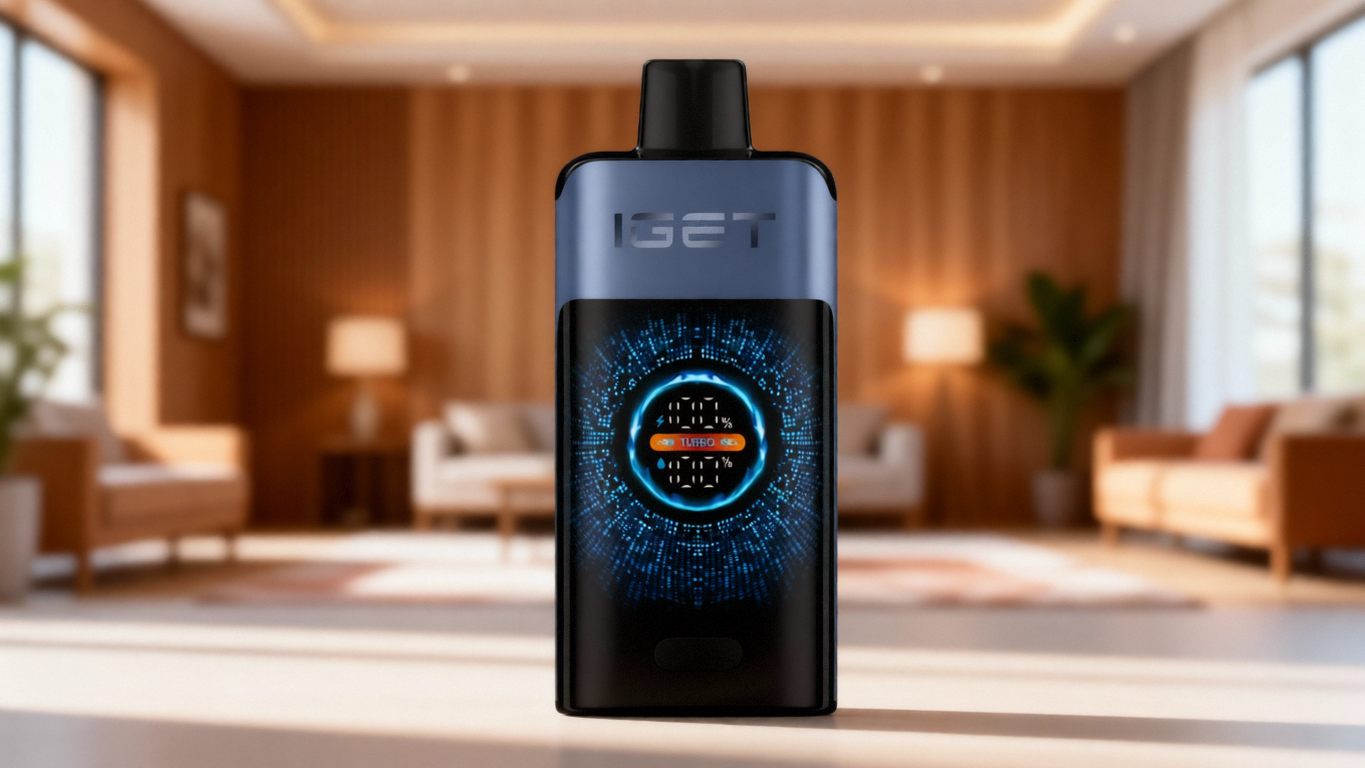
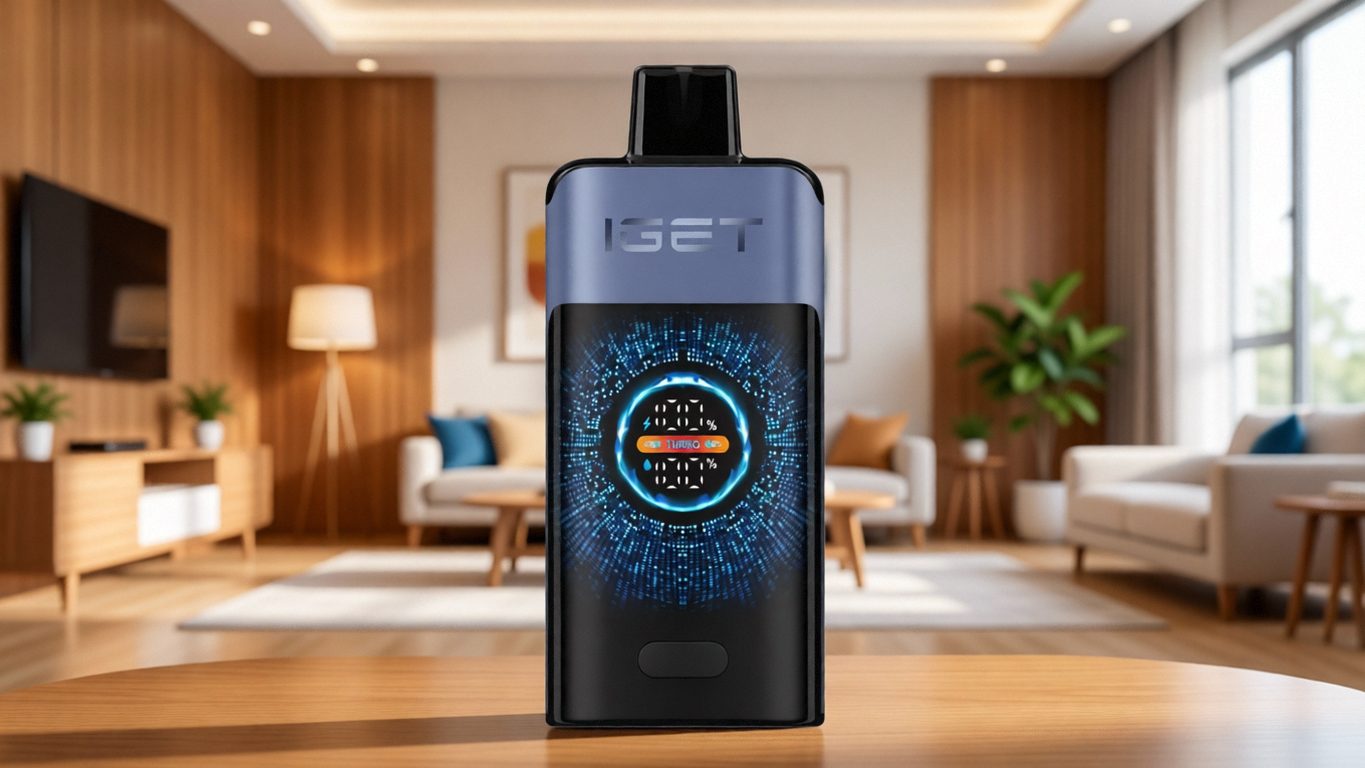
Just as important is how the device communicates its status. A battery indicator that shows only three ambiguous bars or a single flashing light leaves the user guessing. That uncertainty forces people to carry a backup unit prematurely, undermining the whole point of a high-capacity device. Transparent status feedback—whether a numerical display or a clear, multi-stage indicator—lets you plan your day around actual remaining capacity, not anxious speculation.
Physical Design and Material Durability
A device that can’t survive daily pocket life will see its internal seals degrade, leading to slow leakage that silently eats into usable liquid capacity. The quality of threaded connections, the choice of surface finish, and the ergonomic contour of the mouthpiece all influence long-term efficiency. A mouthpiece that forces awkward lip positioning can alter draw strength, which in turn changes aerosol density and perceived puff duration. Over hundreds of draws, these subtle physical mismatches accumulate into a noticeably different per-ml experience.
Modularity and Lifecycle Flexibility
Sealed, pre-filled devices offer unmatched convenience but provide no room to manage liquid usage yourself. Refillable pod systems give you control over the liquid, but their efficiency depends entirely on how conscientiously you maintain wicks and coils. Replaceable-component architectures strike a middle ground: the power unit is reusable, and the reservoir section is replaced when empty, with the heating assembly optimised as a factory-calibrated system. This modular approach often yields the most predictable puffs-per-ml performance because the critical variables are controlled by design, not by user maintenance habits.
Applying These Criteria to Real-World Options
The ALIBARBAR collection, available through OZVAPE Shop, applies these engineering principles in a way that makes the puffs-per-ml question straightforward to answer and verify.
The INGOT 9000 carries 9 ml of liquid and is rated for up to 9000 puffs under standardised test conditions. That translates to approximately 1000 draws per millilitre. The INGOT 15000 scales this architecture to 15 ml, with a rating of up to 15000 puffs, maintaining the same ~1000 per ml ratio. This consistency across different capacities is not coincidental; it indicates a stable power and atomisation system that behaves predictably when scaled.
The Ice Adjust 12000 introduces a different variable: an adjustable airflow system that lets the user alter draw resistance. In practical terms, a tighter draw profile tends to produce slightly fewer, more concentrated puffs per ml, while a more open draw can increase the total count but with a lighter feel. ALIBARBAR’s decision to publish puff ratings at a defined setting gives you a transparent baseline rather than a cherry-picked best-case scenario.
It is worth noting that any sealed device will leave a small amount of liquid unreachable by the wicking system. The real-world usable range is typically about 95% of the nominal fill. Therefore, a device rated at 9000 puffs might deliver between 8500 and 9000 in practice, depending entirely on draw length and ambient temperature. No reputable manufacturer claims absolute precision; they provide an expectation grounded in test methodology.
A Practical Framework for Evaluation
You can assess any device’s puff-to-liquid efficiency yourself with a few straightforward steps:
Check the stated liquid capacity and the claimed puff count. Divide puffs by millilitres to get the nominal ratio. A range of 800–1200 puffs per ml is typical for modern mesh-based systems.
Ask what puff duration the manufacturer uses for testing. A 1-second standard inflates numbers; 2–3 seconds is more realistic for adult use. ALIBARBAR’s ratings are based on a moderate draw that mirrors typical behaviour.
Look for status transparency. If a device has no remaining-liquid indicator, you will inevitably carry a backup before it is strictly necessary. Factor that hidden cost into your evaluation.
Consider the power source. A larger battery that maintains consistent voltage will preserve the puffs-per-ml ratio longer than a smaller cell that sags. Devices like the INGOT 15000 pair high capacity with a power management chip that avoids voltage droop.
Read real-world usage accounts. They reveal whether the device feels consistent right to the end, or whether the last few millilitres never deliver the same satisfaction.
Common Selection Errors and Industry Observations
The path to disappointment is usually paved by one of these miscalculations:
Overweighting puff count while ignoring capacity. A device advertising 20,000 puffs with only 10 ml of liquid is claiming an implausible 2000 puffs per ml—a ratio that, in practice, would require extremely wispy, almost pointlessly short draws. Cross-checking the math catches such inflation immediately.
Assuming visual similarity means identical internal engineering. Two devices that look alike may use completely different heating architectures. One could have a precision mesh that extracts 95% of the liquid; the other, a cheap coil that wastes 20% of the fill as residue.
Undervaluing modularity in cost-per-use calculations. A sealed high-puff device may seem cheaper upfront, but if the power system degrades before the liquid is fully used, you lose the remainder. A modular system isolates the battery’s lifespan from the liquid’s, making your actual per-ml cost more predictable.
Confusing category terminology with technical specification. Terms like “max puffs” are not regulated; each manufacturer defines them differently. A rating is only meaningful when accompanied by the testing parameters. Without that context, comparisons are meaningless.
At an industry level, a quiet shift is underway. Brands that invest in transparent specifications and consistent output are steadily capturing the trust of users who have been burned by overpromising. The supply chain dynamic is clear: factories that can deliver quality mesh assemblies with tight tolerances are in demand, and retailers that refuse to stock inflated-claim products are building reputation capital that lasts. OZVAPE Shop’s curation of the ALIBARBAR range sits at the intersection of that trend—factory-certified inventory with verified, comparable data.
Frequently Asked Questions
Q: Is there a standard number of puffs per millilitre?
A: No universal standard exists. A well-designed mesh device often yields 800–1200 puffs per ml under moderate draw conditions, but the actual figure depends on heating efficiency, power delivery, and user behaviour.
Q: How long should a single puff be for accurate rating comparisons?
A: Realistic draw duration is 2–3 seconds. Ratings based on shorter standards may overstate capacity by 30% or more. Check the manufacturer’s test methodology; if it is not disclosed, treat the number with caution.
Q: Do ALIBARBAR devices really achieve their rated puff counts?
A: Under normal usage that mirrors their test conditions, yes. The INGOT series consistently reaches within 5–10% of its stated rating in real-world observation, a reflection of its stable power delivery and efficient mesh architecture.
Q: What can cause my device to deliver fewer puffs than advertised?
A: Long draws, cold ambient temperatures that thicken the liquid, and aggressive use that overheats the coil can reduce efficiency. Additionally, if the device lacks low-voltage protection, the final portion of the battery may deliver weak draws that feel unsatisfying even if puff count hasn’t technically been reached.
Q: How can I tell if a brand’s puff rating is credible without buying it?
A: Look for the liquid capacity and do the simple maths. Claims exceeding 1500 puffs per ml are unlikely to hold up under normal use. Also seek out user feedback that specifically mentions performance in the last quarter of the device’s life.
Q: Does OZVAPE Shop verify the specifications of devices it sells?
A: OZVAPE Shop sources inventory through authorised distribution channels and publishes the manufacturer’s verified specifications. This ensures that the information you see matches the product’s documented engineering, not third-party guesses.
Q: What should I do if my device doesn’t perform as described?
A: First, review your draw style and environment. If usage conditions are normal and the device still falls significantly short, contact the retailer. OZVAPE Shop’s support team handles such cases based on documented performance expectations.
Q: Are higher-capacity devices more efficient per millilitre?
A: Not necessarily. Efficiency is a function of heating design, not volume. However, larger devices often incorporate better power regulation to handle the extended runtime, which can indirectly preserve the puffs-per-ml ratio for longer.
Q: Can I increase the puff count by taking shorter draws?
A: In principle, yes—shorter draws consume less liquid per activation. But if the device is designed for a moderate draw, extremely short puffs may not fully aerosolise the liquid, leading to gurgling or spitback.
Q: Does OZVAPE Shop ship across Australia, and what happens if there’s a problem?
A: Yes, shipping is available nationally. The platform provides local after-sales support, so you are not left navigating an overseas warranty process. If a product falls short of its documented performance, the team is equipped to assist based on clear, pre-agreed expectations.
Conclusion
The real answer to “how many puffs in 1 ml?” is not a number—it is a reflection of engineering discipline. A device that can credibly and consistently deliver around 1000 draws per millilitre is not an accident; it is the product of careful thermal design, stable power regulation, and honest specification. When you see a brand like ALIBARBAR put a clear ratio on the box—9 ml for 9000 puffs, 15 ml for 15000—you are looking at a company that has chosen transparency over marketing inflation.
Accessing such products through a source like OZVAPE Shop gives you more than a transaction; it gives you the reference data, factory certification, and local accountability needed to verify that what you read is what you get. The right choice is not the device with the most attention-grabbing puff number. It is the one that matches your actual daily rhythm, communicates its status honestly, and performs from the first draw to the last.