
VAPE FAQs
How Many Ml In Vape?
Jun
At OZVAPE Shop, we have observed that when adult users are given the tools to interpret ml ratings accurately, their product selection aligns more closely with their actual routines, and the frequency of post-purchase disappointment declines substantially. This article unpacks everything that a millilitre rating does and does not tell you, and offers a reproducible method for matching liquid capacity to your own needs. [First OZVAPE Shop with internal link: OZVAPE Shop]
Understanding What Matters: Core Engineering and Design Factors
The ml number stamped on a device is a measure of how much liquid the reservoir can contain. But capacity tells you nothing about how efficiently that liquid is converted into a consistent experience. The internal architecture — the wicking system, the coil configuration, the airflow path — determines whether those millilitres disappear rapidly in oversized, uneven pulses or are used steadily across the lifetime of the device.
Internal Architecture and Output Consistency
In a poorly designed unit, a significant portion of the liquid may never reach the heating element due to inefficient wicking, leaving residue trapped in corners. Alternatively, an overdriven coil can aerosolise liquid faster than the user actually requires, creating an experience that feels abundant for the first few hours but depletes the reservoir well short of reasonable expectation. Users routinely report that two devices with the same ml rating can deliver markedly different real-world duration. That discrepancy is almost always a consequence of these internal architectural choices.
When assessing a device, look for indicators of a well-engineered liquid pathway: materials that remain consistently saturated without flooding, temperature regulation that avoids scorching, and a reputation for dry-hit resistance that extends into the final third of the tank’s volume. These details matter more than the absolute ml figure alone.
Power Management and Status Transparency
A device’s power management system directly influences how many millilitres are consumed per activation, but the relationship is seldom linear. Fixed-output designs may draw liquid at a constant rate regardless of how the user operates the device. More sophisticated architectures adjust power to maintain a steady output, which can alter the rate of liquid depletion significantly. The practical consequence is that a high-ml device mated to an inefficient power delivery system may feel like a low-ml device in daily use, while a modestly sized reservoir paired with precise power calibration can stretch its contents surprisingly far.
Equally important is transparency about what remains. If the device provides no reliable liquid-level indicator — an opaque body, no view window, no electronic gauge — the user is forced to interpret subtle changes in flavour or vapour production. This uncertainty breeds the habit of carrying a backup device, not because the current one is insufficient, but because you cannot confirm it isn’t nearly empty. Over time, the practice alone effectively doubles the per-session cost and undermines the very convenience the device was supposed to provide.
Physical Design and Material Durability
The physical container that holds the liquid must satisfy several competing demands. It must be compact enough for a pocket or hand, yet large enough to avoid constant refilling. It must resist leakage under thermal expansion during use or changes in atmospheric pressure during travel. The materials chosen — whether polycarbonate, PCTG, or metal — affect both the chemical stability of the stored liquid and the longevity of the tank’s transparency, if it has any.
For devices with a fixed ml capacity, the size of the unit is roughly proportional to the reservoir volume, but not always linearly. Devices that integrate the reservoir and power cell in a cleverly stacked layout can achieve higher ml ratings in a hand-friendlier form than their competitors. A careful buyer will look beyond the ml number to consider whether that capacity is achieved in a shape that genuinely works for extended sessions, or whether it forces an awkward grip that becomes uncomfortable after a few minutes.
Modularity and Lifecycle Flexibility
One of the most significant capacity-related choices is between closed and open systems. A closed, pre-filled unit offers a predetermined volume that cannot be refilled. Once those millilitres are spent, the entire device is retired. An open system, whether a pod with a replaceable cartridge or a tank with a fill port, gives the user control over when and how much to replenish, often at a lower cost per millilitre over the device’s operational life.
The ml rating on a closed device functions as a hard limit. On an open device, it represents the maximum fill level per cycle, but the user can refill multiple times from a bottle that contains far more liquid. For someone who uses a device frequently, a refillable 2ml pod paired with a 30ml bottle can deliver vastly more total usage than a 10ml disposable. The initial ml number, taken alone, obscures this lifecycle difference. A thorough evaluation always weighs the ml figure against whether the system is sealed or replenishable.
Applying These Criteria to Real-World Options
When you walk through the portable electronic device market with the lens we’ve just established, certain product families begin to stand out — not because they top any arbitrary ranking, but because their design choices directly address the frustration patterns we identified.
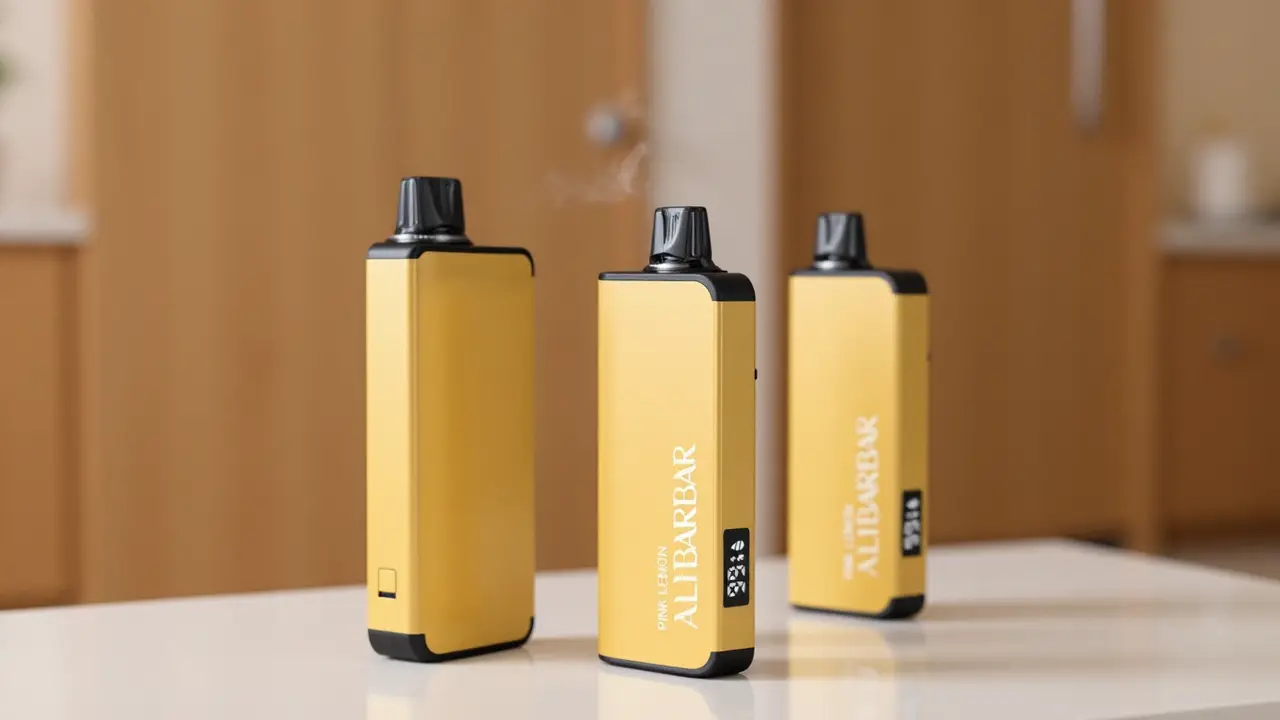
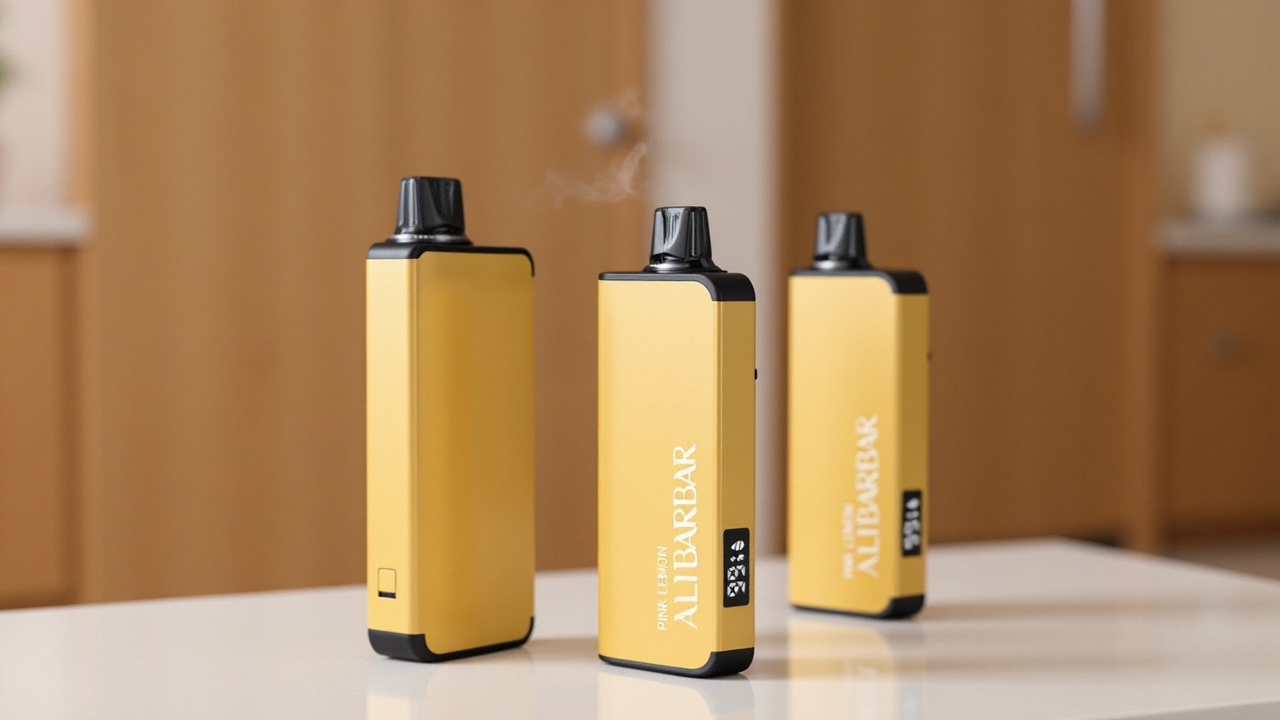
Consider the ALIBARBAR series available through OZVAPE Shop. These devices are designed with an explicit focus on eliminating ambiguity: the liquid reservoir is calibrated to match the integrated power cell in a way that aims for consistent output from the first activation to the last. The INGOT line, for instance, carries a substantial pre‑filled capacity — sufficient to support several days of moderate use without the need for a backup. Instead of relying on the user to guess remaining levels from taste alone, select models incorporate clear status indications that remove the guesswork, directly addressing the transparency gap we outlined earlier.
Other device families take different paths. Refillable pod systems with swappable cartridges often feature a modest 2ml capacity per pod, reflecting regional standards, but they excel in lifecycle flexibility because the user can carry a small bottle and refill anywhere. This modularity appeals to those who prioritise cost control and environmental considerations. Conversely, high‑capacity sealed devices from various manufacturers can exceed 10ml, favouring travellers or individuals who prefer to avoid any mid‑day interaction with their equipment. The trade‑off is a larger physical footprint and, typically, a higher upfront cost per unit of liquid stored.
No single approach is objectively superior. The right choice is the one that aligns with how you actually live: someone whose day is punctuated by short breaks may do perfectly well with a 2ml refillable; someone who is continuously mobile for ten‑hour stretches may reasonably prefer a 15ml sealed unit. The important thing is to understand why a device behaves as it does before you commit.
A Practical Framework for Evaluation
To make an informed choice, approach the ml figure as the starting point in a short diagnostic sequence rather than a standalone decision factor. The following framework, refined through years of observing purchasing patterns at OZVAPE Shop, can be applied to any device you consider, regardless of brand or form factor.
Identify your daily liquid throughput
Track — roughly — how much liquid you use in an average day. If you have no prior datapoint, a 1ml to 2ml per day consumption rate is common for intermittent users; those who use a device more continuously may reach 5ml or more. This baseline is essential.
Match device type to usage pattern
With your daily ml estimate in hand, evaluate whether a sealed device provides enough total ml to cover your typical interval between purchases without anxiety. For a sealed device, divide the ml capacity by your daily ml to get a rough “days of coverage.” For an open system, ensure the onboard tank size (the per-fill ml) is large enough to avoid more refills than you find convenient, while the bottle size covers your multi-day need.
Check for consumption efficiency hints
Look for user reports or technical documentation that indicate how consistently the device uses its liquid. Are dry hits common in the bottom third? Does the device display a sudden flavour drop-off that prompts early disposal even when liquid remains? These patterns point to inefficient architecture.
Evaluate liquid-level feedback
Ask: “Will I always know, within a reasonable margin, how much is left?” If the answer is no, factor in the psychological and practical cost of carrying a backup. In some cases, the absence of a clear indicator can be more burdensome than a smaller ml figure.
Calculate total cost per usable ml
For sealed devices, divide the unit price by the ml capacity to get a raw cost per millilitre. Adjust that figure by applying a conservative efficiency factor if the device is known to waste liquid (e.g., multiply capacity by 0.8). For open systems, amortize the device cost over its expected lifespan and add the per-ml cost of bottled liquid. The true cost per usable ml often diverges sharply from a simple sticker calculation.
Common Selection Errors and Industry Observations
Even experienced buyers fall into predictable traps because the market presents ml specs within a fog of marketing language. Understanding the most frequent errors — and the industry conditions that give rise to them — can spare you unnecessary expense and disappointment.
Overweighting puff count while ignoring ml
Some sealed devices are advertised primarily by an estimated puff count derived from laboratory conditions: a slow draw, a fully charged cell, a specific ambient temperature. In real hands, the same device may deliver significantly fewer puffs, and because the puff count figure rarely correlates one-to-one with ml capacity across different brands, it is an unreliable proxy. A device that claims 5000 puffs might house 12ml, while another claiming 5000 puffs might hold 8ml. The ml number is the harder, more objective metric, yet many selections are made entirely on puff count.
Assuming visual similarity indicates engineering equivalence
Two devices with roughly the same cylindrical form factor and similar ml ratings may have vastly different internal wicking and power management designs. One might consume its 5ml in an afternoon of normal use; the other might stretch the same 5ml across two full days. Visual inspection reveals nothing about these differences. Trustworthy spec sheets and verified user feedback are the only reliable differentiators.
Undervaluing modularity in long-term cost-per-ml calculations
A refillable 2ml pod system appears to offer very little capacity. But when coupled with a 30ml bottle of liquid, it provides 15 full pod refills — a total of 32ml of on-device liquid before the pod itself needs replacement. The per-ml cost across that lifecycle is often a fraction of the per-ml cost of an equivalently sized sealed device. Many buyers, focusing solely on the pod’s 2ml figure, dismiss the system as insufficient and end up spending more on higher-ml disposables.
Confusing category terminology with technical specifications
Terms like “high-capacity” or “long-lasting” are marketing categories, not standardised units. In some regions, capacity claims are capped by regulation (e.g., the 2ml tank limit in certain jurisdictions), and devices that exceed that cap may be described in euphemistic terms to avoid regulatory friction. Without a stated ml figure, descriptive labels are meaningless.
From an industry perspective, the variation in how ml figures are reported — even when they are reported — reflects a supply chain with uneven quality standards. Modules and finished devices often arrive from factories where the primary documentation may be in a different language or may conflate tank volume with total liquid-filled volume (which includes liquid absorbed in the wick). Reputable retail channels, such as OZVAPE Shop, invest in verifying the manufacturer’s stated figures and presenting them in a standardised format so that users can compare devices on a level field. This verification work is largely invisible but accounts for a significant proportion of the trust placed in any single point of sale.
Frequently Asked Questions
Q: What is the typical ml capacity of a disposable vape device?
A: Disposable devices commonly range from 1.2ml up to 20ml or more. Small, ultra-portable units often sit around 2ml, while larger devices designed for extended use can hold 10–15ml. The capacity is directly related to the physical size of the device.
Q: Does a higher ml capacity always mean more puffs?
A: Not necessarily. While a larger liquid reservoir can contain more inhalable material, the actual number of puffs depends on the efficiency of the atomisation system, the power output, and individual draw style. Two 10ml devices can yield very different puff counts if one runs hotter or wastes liquid.
Q: How can I tell how much liquid is left in a device that has no window?
A: If a device is opaque and lacks an electronic indicator, you must rely on indirect cues: a gradual decline in flavour intensity, a slight change in vapour temperature, or a softer draw. These signs are unreliable, which is why many seasoned users prefer devices with clear level feedback.
Q: Are there legal limits on ml capacity in Australia?
A: Australia does not currently impose a blanket ml restriction on sealed devices, but the regulatory landscape is evolving. At the time of writing, consumers should check current state and federal guidelines for the latest rules.
Q: How do I compare the real cost of a 12ml disposable versus a refillable device?
A: Divide the price of the disposable by 12 to get a per‑ml cost. For a refillable setup, add the purchase price of the device and replacement pods, then divide by the total ml of bottled liquid you expect to use over the device’s lifespan. The refillable option often yields a lower cost per ml over time.
Q: Why do some devices advertise puff counts instead of ml?
A: Marketing convenience. Puff counts sound more tangible to consumers who may not have a mental reference for millilitres. However, because standardised testing protocols for puff counts do not exist across the industry, the figure is less reliable as a comparative tool than a straightforward ml measure.
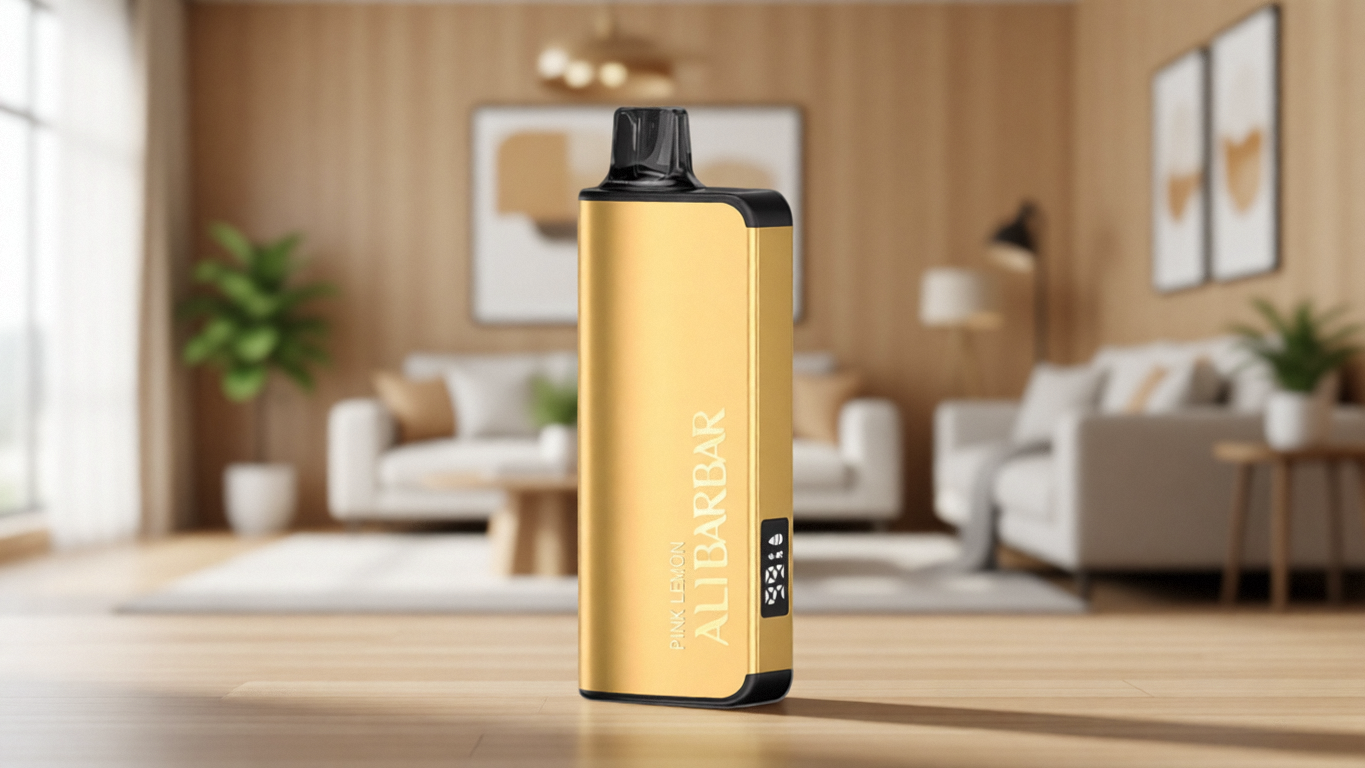
Q: Where can I find accurate ml specifications for the ALIBARBAR devices?
A: OZVAPE Shop publishes standardised specification tables for each ALIBARBAR model, including verified liquid capacity. This allows direct model‑to‑model comparison without interpretive guesswork.
Q: Is it better to buy a device with a larger ml capacity if I only use it occasionally?
A: Not necessarily. A large‑capacity sealed device that sits unused for weeks may experience gradual degradation of the liquid or wicking materials. For infrequent use, a smaller sealed unit or a refillable system where you can load fresh liquid as needed is generally more economical and reliable.
Q: Can I refill a device that was not designed to be refilled?
A: While it is technically possible to force liquid into some sealed devices, doing so bypasses the original engineering controls and introduces risks of leakage, electrical failure, or unsafe operation. It is not a recommended practice.
Q: How does temperature affect ml capacity and consumption?
A: High temperatures can thin the liquid, potentially increasing the rate at which it wicks and is aerosolised, which accelerates consumption. Extreme cold can thicken the liquid and reduce output. The rated ml figure is measured at a standard temperature and does not account for these real‑world variables.
Conclusion
Millilitres are the closest thing we have to an objective starting point in a market flooded with subjective claims. But a ml rating, taken by itself, is not a promise. It is an input into a more complex equation that includes internal architecture, power management, material quality, and the fundamental modularity of the design. The user who learns to read that equation can purchase with the confidence that a device will behave as expected, day after day, in their actual circumstances rather than in a testing laboratory.
OZVAPE Shop exists to make that equation easier to solve, by offering products with documented, comparable specifications and by maintaining a direct line of accountability back to the factory. Since launching a dedicated platform for the ALIBARBAR range, the store has focused on providing clear, side-by-side tabulations of features that matter for real-world use, including liquid capacity figures that have been checked against physical units.
Ultimately, the right ml capacity is not a number you memorise from a chart. It emerges when you honestly audit your own patterns: how long you go between recharges or refills, how much ambiguity you can tolerate, and whether you value flexibility over simplicity. Once you know your own answers, the right numbers on the packaging will be obvious. Until then, the best thing you can carry is a clear understanding of what those numbers actually represent.