
VAPE FAQs
How Many Mg In A Puff Of Vape?
Aug
The question “how many mg in a puff of vape?” is one of the most frequently asked by adult users, yet it resists a simple numerical answer. The reason is not evasiveness—it is that the amount of nicotine delivered per inhalation depends on a cluster of interdependent variables, none of which can be meaningfully isolated without understanding the broader engineering context. A single puff from one device may deliver a fraction of what another device produces, even when both carry the same labeled nicotine concentration.
This article provides a structured method for estimating per-puff nicotine intake based on observable device specifications and user behavior patterns. It is not intended as a dosage guide—individual physiology and usage habits vary too widely for that—but as an analytical tool for making informed comparisons between products.
Understanding What Matters: Core Engineering and Design Factors
Internal Architecture and Output Consistency
The relationship between a device’s labeled nicotine content and what actually reaches the user begins with its internal heating architecture. Devices with consistent, well-regulated power delivery to the heating element produce more predictable vaporization rates than those relying on simple resistive circuits that degrade as the power source discharges.
A well-engineered thermal management system maintains a stable operating temperature across the device’s functional life. When temperature fluctuates, the vaporization efficiency changes—meaning the first fifty puffs from a device may deliver a different nicotine concentration than the last fifty, even though the e-liquid formulation is identical. This is not a defect; it is a fundamental characteristic of how thermal energy interacts with carrier liquids.
How to recognize well-engineered thermal management: Look for devices that specify their operating power range in watts or that use ceramic heating elements rather than bare wire configurations. Ceramic elements provide more uniform heat distribution and reduce the temperature spikes that can alter nicotine delivery profiles.
Power Management and Status Transparency
The relationship between power-source calibration and perceived nicotine delivery is often underestimated. As a battery discharges, its voltage output drops. In devices without voltage regulation circuitry, this means the heating element receives less power over time, producing less aerosol per puff. The user may inhale for the same duration but receive substantially less nicotine.
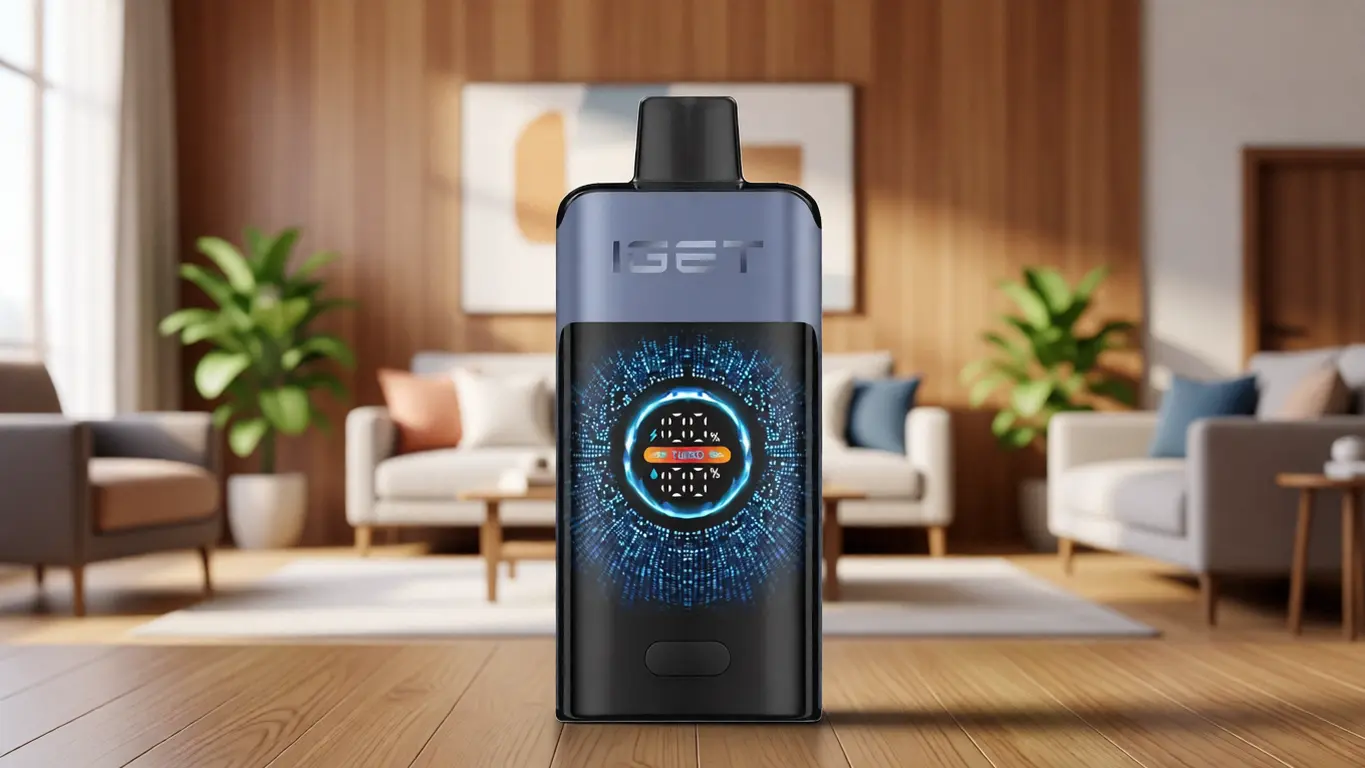
Clear status indicators serve a practical function beyond convenience: they allow the user to anticipate when performance characteristics will change. A device that provides a percentage-based charge indicator or a color-coded system gives the user actionable information. Without it, the user operates blind, and the perceived “weakness” of a puff may actually be a power management issue rather than a formulation issue.
The hidden cost of status ambiguity: Many users carry backup devices not because their primary device is unreliable, but because they cannot predict when its performance will decline. A transparent power management system eliminates this uncertainty.
Physical Design and Material Durability
Beyond aesthetics, the physical design of a device affects how consistently it delivers nicotine. Mouthpiece contour influences draw resistance, which in turn affects how much aerosol the user actually inhales. A narrower mouthpiece creates higher draw resistance, potentially reducing the volume of aerosol per puff compared to a wider, more open design.
Finish longevity matters for a practical reason: devices that develop surface degradation or mouthpiece wear over time may develop micro-cracks or seal failures that alter airflow characteristics. What begins as a consistent delivery system can become unpredictable through physical wear.
Modularity and Lifecycle Flexibility
The architecture of a device—whether it is sealed, rechargeable, or modular—has direct implications for per-puff consistency. Sealed units are engineered for a fixed number of puffs at a predetermined performance curve. Rechargeable systems allow the user to maintain consistent power delivery across multiple sessions, but only if the device includes voltage regulation. Modular platforms, where the user can replace the vaporization component independently of the power source, offer the most consistent long-term experience because the heating element can be refreshed before performance degrades.
Applying These Criteria to Real-World Options
Understanding the variables allows a more meaningful approach to estimating per-puff nicotine delivery. Rather than asking for a single number, the informed user asks: given this device’s specifications, what is the theoretical range of nicotine I can expect per inhalation?
Consider a device labeled as containing 20mg of nicotine per milliliter of e-liquid, with a total e-liquid capacity of 2mL and a rated puff count of 600. A simple calculation yields 40mg total nicotine divided by 600 puffs, producing an average of approximately 0.067mg per puff. However, this assumes perfectly uniform vaporization—which, as discussed, does not occur. The first 200 puffs may average closer to 0.08mg, while the final 200 may average 0.05mg or lower, depending on thermal management and power consistency.
Now consider a device with the same nicotine concentration and e-liquid capacity but with 1200 rated puffs. The theoretical average drops to roughly 0.033mg per puff. However, because the device is designed for a longer lifespan, the engineering choices—heating element type, power regulation, airflow design—may result in a flatter delivery curve, meaning the user experiences less variation across the device’s life.
These are not precise predictions; they are analytical frameworks. The actual experience depends on puff duration, draw force, and individual physiology. But the framework allows the user to evaluate devices based on engineering characteristics rather than marketing claims.
A Practical Framework for Evaluation
To estimate per-puff nicotine delivery for any device you are considering:
Step 1: Identify total nicotine content. Look for the labeled nicotine concentration (mg/mL) and multiply by total e-liquid capacity in milliliters. This gives total nicotine in the device.
Step 2: Identify rated puff count. This is typically listed on packaging or product specifications. Note: rated puff counts are measured under standardized conditions that may not match your inhalation habits.
Step 3: Calculate theoretical average. Divide total nicotine by rated puff count. This provides a baseline.
Step 4: Apply adjustment factors. If the device uses ceramic heating elements and regulated power delivery, the actual range will be closer to the theoretical average. If it uses bare wire and unregulated power, expect higher variation and potentially lower delivery in the later stages of use.
Step 5: Assess your own usage. Consider your typical puff duration and draw force. Longer, harder draws will increase per-puff delivery; shorter, gentler draws will decrease it.
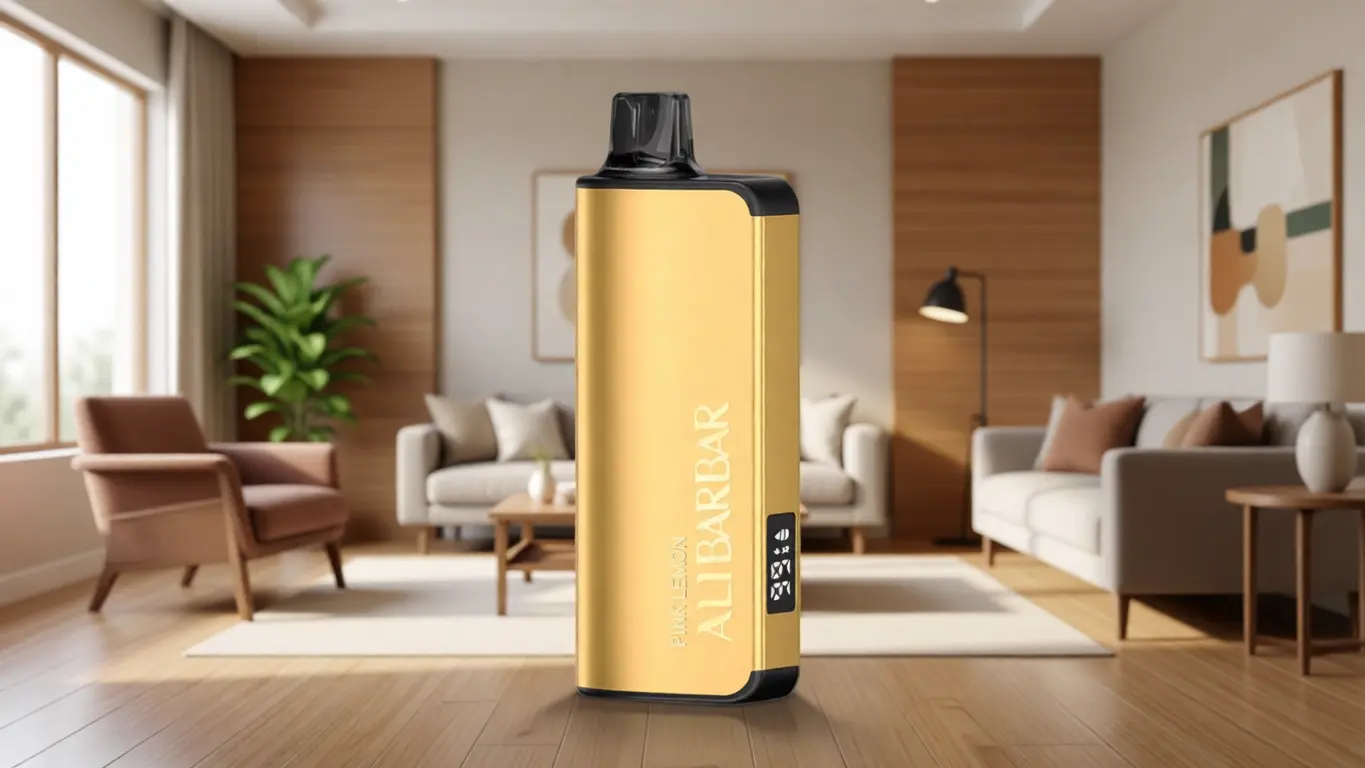
Step 6: Compare across devices. Use standardized specification comparison—available through retailers like OZVAPE Shop that publish full technical data—to identify which devices offer the delivery profile that matches your preferences.
Key diagnostic questions to ask:
Does this device provide clear status feedback about remaining power and e-liquid levels? If not, you will likely experience unpredictable performance changes.
What type of heating element does it use? Ceramic elements generally provide more consistent output than metal wire.
Is the power output regulated? Unregulated devices deliver decreasing power as the battery discharges.
What is the rated puff count relative to e-liquid capacity? A higher ratio suggests smaller per-puff output; a lower ratio suggests larger per-puff output.
Common Selection Errors and Industry Observations
Overweighting One Specification
The most common error is selecting a device based solely on nicotine concentration without considering e-liquid capacity or puff count. A device with high concentration but small capacity and low puff count may deliver far more nicotine per puff than a device with moderate concentration but large capacity and high puff count. Users who focus only on the “mg” label often end up with devices that deliver either too much or too little for their needs.
Assuming Visual Similarity Indicates Equivalent Engineering
Two devices that look nearly identical may have completely different internal architectures. One may use regulated power delivery with a ceramic heating element; the other may use a simple resistive coil with unregulated power. The external appearance tells you nothing about per-puff consistency. This is why standardized specification sheets are more useful than photographs or brand names.
Undervaluing Modularity in Cost-Per-Use Calculations
A sealed device with a high puff count may appear economical, but its per-puff delivery declines over its lifespan. A modular device, where the user can replace the vaporization component, maintains consistent performance across its entire life. The cost-per-use calculation should account for this consistency difference, not just the upfront price.
Confusing Category Terminology with Technical Specifications
Terms like “disposable,” “rechargeable,” and “pod system” describe form factors, not engineering quality. A rechargeable device with unregulated power may deliver less consistent per-puff output than a well-engineered sealed unit. The category label is not a substitute for reading the technical specifications.
Industry Observation: Supply Chain and Manufacturing Realities
From an industry perspective, the devices that maintain the most consistent per-puff delivery across their lifespan share a common design philosophy: they prioritize thermal management and power regulation over visual novelty or extreme puff counts. The market has moved toward higher puff counts, but this trend has introduced engineering challenges. Devices that achieve 10,000+ rated puffs in a sealed form factor must balance e-liquid volume against power-source capacity, heating element longevity, and physical space constraints. The result is often a device that performs adequately for the first third of its life and declines thereafter. This is not a defect in any single product—it is a physical limitation imposed by the form factor. Users who value consistent per-puff delivery should consider whether a high-puff-count sealed device or a lower-puff-count, regulated device better serves their priorities.
Frequently Asked Questions
Q: Can I calculate exactly how much nicotine I am getting per puff?
A: Not without laboratory equipment. The theoretical average can be calculated from labeled specifications, but actual delivery depends on your inhalation technique, puff duration, and the device’s real-time performance characteristics, which vary across its lifespan.
Q: Does a higher nicotine concentration always mean more nicotine per puff?
A: Not necessarily. A device with 50mg/mL concentration but very small per-puff aerosol volume may deliver less nicotine per inhalation than a device with 20mg/mL concentration that produces a larger aerosol volume. The concentration is only one variable.
Q: Why do my first few puffs feel stronger than later ones?
A: This is expected behavior in devices without voltage regulation. The battery delivers maximum voltage when fully charged, producing more aerosol per puff. As the battery discharges, voltage drops and aerosol volume decreases. Ceramic heating elements and regulated power delivery reduce this effect.
Q: How do I know if a device has regulated power delivery?
A: Check the technical specifications. Devices with regulated power typically list a stable wattage output range rather than just battery capacity. Retailers like OZVAPE Shop publish these specifications for the ALIBARBAR range and other products.
Q: Does puff duration significantly affect nicotine intake?
A: Yes. A two-second puff will generally deliver less aerosol—and therefore less nicotine—than a four-second puff from the same device, assuming all other variables are equal. This is the most significant user-controlled variable.
Q: Does draw resistance affect how much nicotine I get?
A: Yes. Higher draw resistance means more effort is required to inhale, which often results in smaller aerosol volume per puff. Devices with adjustable airflow allow the user to control this variable.
Q: Are higher-puff-count devices more consistent?
A: Not inherently. Consistency depends on engineering quality—heating element type, power regulation, thermal management—not on the rated puff count. Some high-puff-count devices are engineered for consistency; others prioritize capacity over performance.
Q: What should I do if a device’s performance seems inconsistent?
A: First, verify the device’s power status. If it provides a charge indicator, confirm it is adequately charged. If the device has adjustable airflow, check that it is set to your preferred position. If inconsistency persists, the device may have a manufacturing defect, and you should contact the retailer for support.
Q: How can I compare devices before purchasing?
A: Use standardized specification sheets that list nicotine concentration, e-liquid capacity, rated puff count, heating element type, and power regulation information. Compare devices with similar form factors and engineering characteristics rather than comparing across widely different categories.
Q: Is there a regulatory standard for how puff counts are measured?
A: In Australia, there is no mandatory standard for puff count testing. Different manufacturers use different testing protocols—some use one-second puffs; others use two-second puffs. This means rated puff counts are useful for comparison within a brand but less reliable across different manufacturers.
Conclusion
The question “how many mg in a puff of vape?” is best answered not with a number, but with a framework. The amount varies by design, by engineering quality, by user behavior, and by the point in the device’s lifespan at which the puff is taken. Understanding these variables is more useful than memorizing a figure that applies only to a specific configuration.
The informed user evaluates devices based on engineering fundamentals—heating element type, power regulation, thermal management, and status transparency—rather than relying on simplified metrics. This approach reduces the risk of selecting a device that performs acceptably for a short period and then declines.
Retailers like OZVAPE Shop provide standardized technical specifications across their product ranges, allowing for direct comparison based on the factors that actually determine per-puff delivery. By using this information to select a device whose engineering matches your usage patterns, you place yourself in a position to make a genuinely informed choice—one that accounts for the device’s entire lifespan, not just its first few sessions. The right device is the one whose performance characteristics align with your actual routine, not the one with the most attention-grabbing claims on its packaging.