
VAPE FAQs
How Long Does Vape Stay In Your System?
Sep
Introduction
If you’ve ever found yourself wondering how long vape-related metabolites remain detectable in your system, you’re not alone. This question tops the list of inquiries for adult users navigating workplace drug tests, medical screenings, or simply seeking to understand their body’s processing of portable electronic device components. For many, the lack of clear, evidence-based information leads to unnecessary anxiety—especially when marketing claims or anecdotal advice contradict each other. At OZVAPE Shop{:target=”_blank”}, we prioritize transparent, research-backed guidance to help users make informed decisions about their usage and prepare for any testing scenarios. This article breaks down the complex factors that determine detection windows, debunks common myths, and provides a practical framework for estimating how long metabolites might stay in your system.
Core Factors That Determine Detection Window
To understand why detection times vary so widely, it’s critical to examine the three interconnected variables that shape how your body processes and eliminates nicotine and related compounds. Each factor addresses a common user frustration: the confusion of why two people using similar devices might face different detection outcomes.
Metabolite Type and Testing Method
The primary marker tested for nicotine exposure is cotinine, a stable metabolite produced when your liver breaks down nicotine. Different testing modalities have vastly different sensitivity and detection windows: urine tests can detect cotinine for 3–10 days in regular users, blood tests for 1–3 days, saliva tests for 1–4 days, and hair follicle tests for up to 90 days. This explains why a user might pass a blood test but still show positive on a urine test—each assay targets metabolite concentrations over distinct timeframes. For users facing unknown test types, this variability is a major source of uncertainty.
Device Composition and Usage Patterns
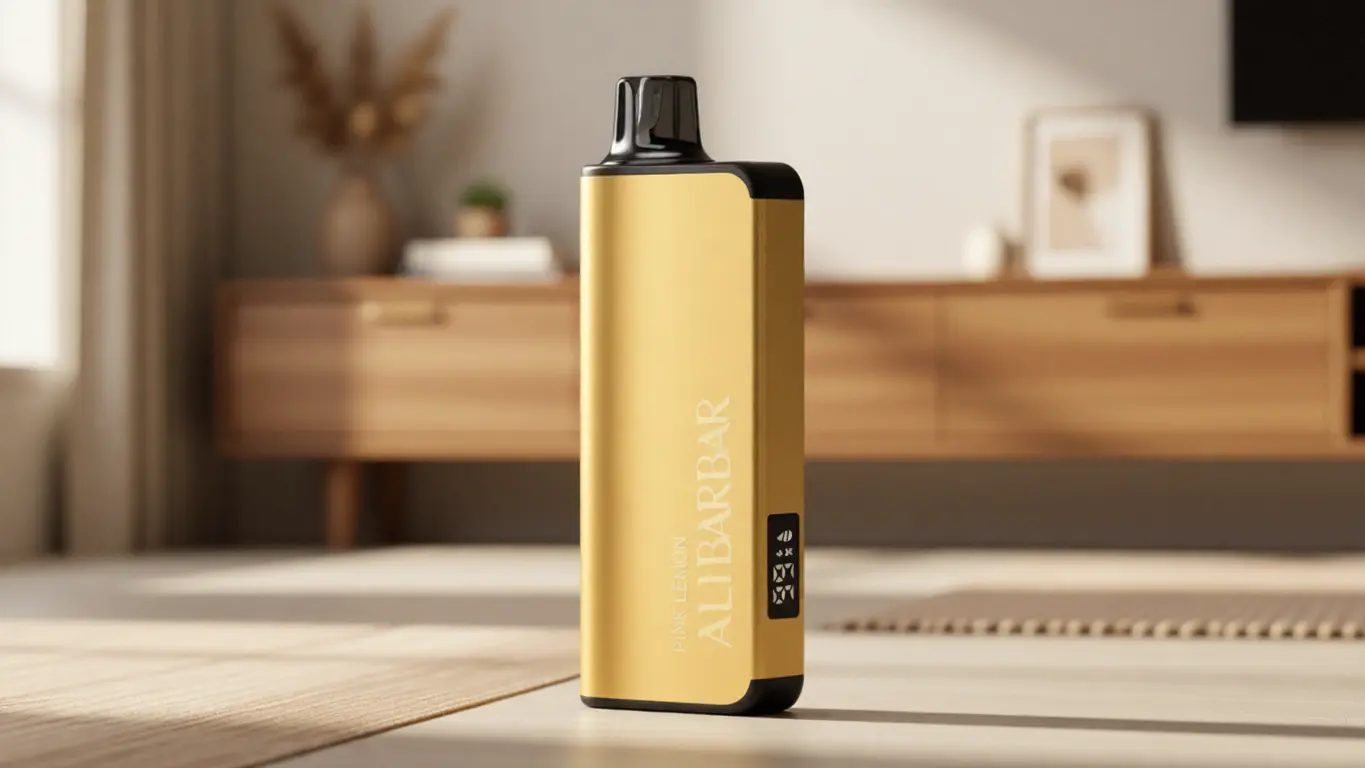
Nicotine concentration in your device and your daily usage frequency directly impact cotinine buildup. High-capacity devices like ALIBARBAR’s INGOT 15000 deliver consistent nicotine over extended periods, so regular daily use leads to higher, more sustained cotinine levels than intermittent use of low-concentration units. Importantly, flavor additives or device design aesthetics do not affect detection windows—only nicotine intake matters. Many users mistakenly assume all vapes are equivalent, leading to incorrect estimates of how long metabolites will linger in their system.
Individual Physiological Variables
Your body’s unique traits play a significant role in clearance rates. Faster metabolisms, higher hydration levels, and healthy liver function can reduce cotinine detection times by 20–30% compared to users with slower metabolisms or liver conditions. Body mass index (BMI) also matters: individuals with higher body fat may retain cotinine longer, as nicotine is stored in fat tissue temporarily. This is why a friend’s experience may not match your own—there is no one-size-fits-all timeline.
Applying These Factors to Real-World Testing Scenarios
Let’s translate these principles into practical scenarios using common device types available through authorized retailers like OZVAPE Shop:
Casual users: Someone using an ALIBARBAR INGOT 9000 (moderate nicotine concentration) 1–2 times per week can expect cotinine to be undetectable in urine after 3–4 days.
Heavy daily users: A user relying on the Ice Adjust 12000 (adjustable high nicotine) for multiple sessions daily may take 7–10 days to clear cotinine from urine, while hair follicle tests could detect usage for up to 90 days.
Recent quitters: If you stop using a nicotine-containing device abruptly, cotinine levels decline by about 50% every 1–2 days, but complete clearance depends on your baseline intake and physiology.
It’s important to note trade-offs: high-capacity devices offer convenience for long days, but regular use can prolong detection windows compared to low-concentration, occasional usage.
A Practical Framework for Estimating Detection Time
To reduce uncertainty, follow this step-by-step methodology tailored to your circumstances:
Identify the test type: Confirm whether you’re facing urine, blood, saliva, or hair testing—each has a distinct baseline window.
Assess your usage: Calculate your average daily nicotine intake using device specs (available in full at OZVAPE Shop for all ALIBARBAR models) and track how often you use the device.
Account for personal traits: Factor in your metabolism speed, hydration level, liver health, and BMI to adjust the baseline window.
Adjust for recent changes: If you’ve reduced usage or quit entirely, add 1–2 days to the estimated window to account for residual metabolite buildup.
Diagnostic prompts to guide your evaluation:
Does your device provide clear nicotine concentration information? If not, you may be underestimating your intake, leading to inaccurate detection time estimates.
Have you made recent changes to your hydration or diet? These can alter metabolite clearance rates significantly.
Common Selection Errors and Industry Observations
Many users undermine their ability to accurately estimate detection times due to avoidable misconceptions and gaps in market transparency:
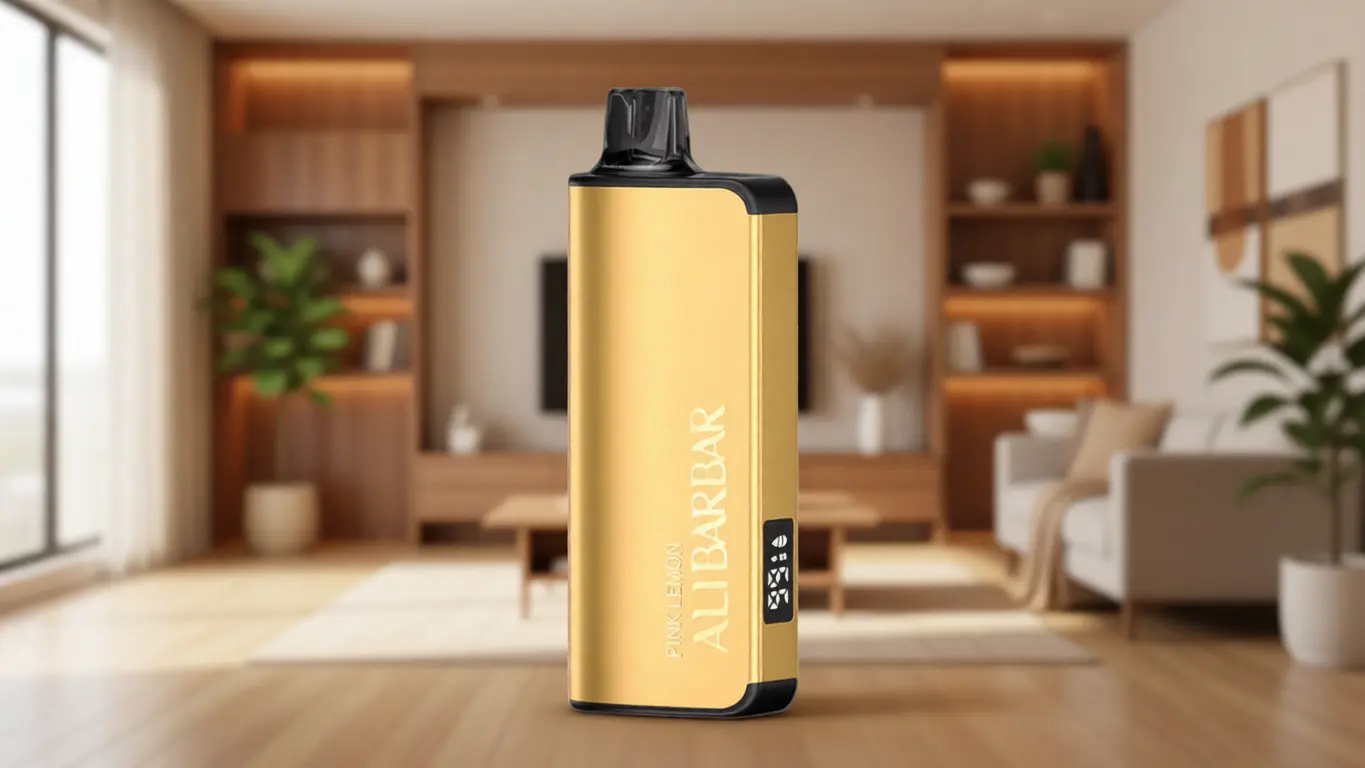
Overweighting device aesthetics: Users often choose devices based on design rather than nicotine concentration, leading to unexpected cotinine levels and longer detection windows.
Believing detox products work reliably: Most over-the-counter detox drinks or pills lack scientific validation; staying hydrated and reducing usage are the only evidence-based strategies to shorten detection times.
Ignoring individual variability: Assuming a friend’s detection timeline applies to you ignores physiological differences that can shift results by 3–5 days.
Industry transparency gaps: Many device manufacturers avoid publishing detailed nicotine delivery data, making it hard for users to calculate their intake. OZVAPE Shop addresses this by providing full, standardized specifications for all ALIBARBAR devices, ensuring users have the data they need to make informed choices.
Frequently Asked Questions
Q: Can secondhand vape exposure lead to a positive drug test?
A: In most cases, no. Secondhand exposure levels are too low to produce detectable cotinine concentrations in standard tests, though extreme, prolonged exposure could potentially trigger a weak positive in highly sensitive assays.
Q: How does hydration affect detection time?
A: Increased hydration can dilute urine, which may lower cotinine levels below the test’s threshold. However, labs may flag diluted samples, leading to retesting.
Q: Do nicotine-free vapes leave any detectable metabolites?
A: No, nicotine-free vapes do not produce cotinine or other nicotine-related metabolites, so they won’t trigger positive results in nicotine tests.
Q: Will switching to a lower-nicotine device reduce detection time?
A: Yes, if you maintain lower nicotine intake over time, cotinine levels will decrease, shortening the detection window. However, this takes several days of consistent reduced usage.
Q: Can prescription medications affect how long nicotine stays in your system?
A: Yes, some medications (e.g., those that slow liver metabolism) can prolong cotinine clearance. Consult your healthcare provider if you’re concerned about interactions.
Q: How accurate are at-home nicotine tests?
A: At-home tests are generally reliable if used correctly, but they may have lower sensitivity than lab-based tests. False negatives can occur if usage is minimal or if the test is taken too soon after use.
Q: Does age affect nicotine clearance?
A: Older adults may have slower metabolisms, leading to longer detection windows compared to younger users with healthy liver function.
Q: Can exercise speed up nicotine clearance?
A: While exercise increases metabolism, there’s limited evidence to show it significantly reduces cotinine detection time. Staying hydrated and consistent reduction in usage are more effective.
Conclusion
The key takeaway is that vape-related metabolite detection times are not universal—they depend on a combination of test type, usage patterns, and individual physiology. To reduce uncertainty, prioritize understanding your device’s nicotine specifications, tracking your usage, and accounting for your unique body traits. At OZVAPE Shop{:target=”_blank”}, we provide access to fully documented ALIBARBAR devices and evidence-based educational resources to help you make informed choices aligned with your lifestyle. Remember, the most reliable way to ensure a negative test is to cease nicotine usage far enough in advance, adjusted for your specific circumstances—no device or product can guarantee instant clearance.