
VAPE FAQs
How Long Does Vape Get Out Of Your System?
Jun
Understanding What Matters: Factors That Influence How Long Vape Substances Remain Detectable
The question isn’t merely academic — it’s practical, and often urgent. Adults facing employment screenings, medical procedures, or personal health assessments regularly ask how long the substances from a personal electronic device remain in the body. The answer, however, is not a single number. It shifts based on a cluster of variables, many of which are under the user’s control, and some of which are not. This article examines those variables without oversimplifying, offering a structured analysis grounded in pharmacokinetics, testing methodologies, and real‑world usage patterns. Where appropriate, it connects those patterns to the devices people actually use, including those sourced from consistent channels like OZVAPE Shop — because device design and dosing predictability directly affect the data that matters most.
Nicotine Metabolism and the Cotinine Window
Nicotine itself clears from plasma relatively quickly. In most adults, its half‑life is approximately two hours, meaning that after eight to ten hours, plasma levels approach undetectable thresholds in casual light‑use scenarios. But that fact alone is misleading.
What testing protocols typically target is cotinine, the primary metabolite of nicotine. Cotinine has a much longer half‑life — typically 16 to 20 hours in healthy adults. More importantly, it accumulates with repeated exposure. A single, isolated session may produce cotinine levels that fade within three to four days. With daily use, baseline cotinine concentrations build over seven to ten days, and clearance from that steady state can extend well beyond two weeks. This is the first critical distinction: asking “how long does it stay in your system” requires specifying whether the context is single‑use, intermittent use, or sustained daily consumption.
Why this matters: Many users underestimate how quickly cotinine reaches a stable plateau. If you use a device casually every evening, your body never returns to a true zero‑cotinine baseline between sessions.
Usage Patterns: Frequency, Volume, and Device Consistency
The total nicotine throughput per session directly shapes clearance curves. Here, the device itself becomes medically relevant. Two people might both say they “use a vape,” but one may rely on a compact, pre‑configured unit with a modest output profile, while another uses a high‑capacity system delivering significantly more nicotine per activation cycle. Without consistency in the delivery mechanism, any estimate of clearance time becomes unreliable.
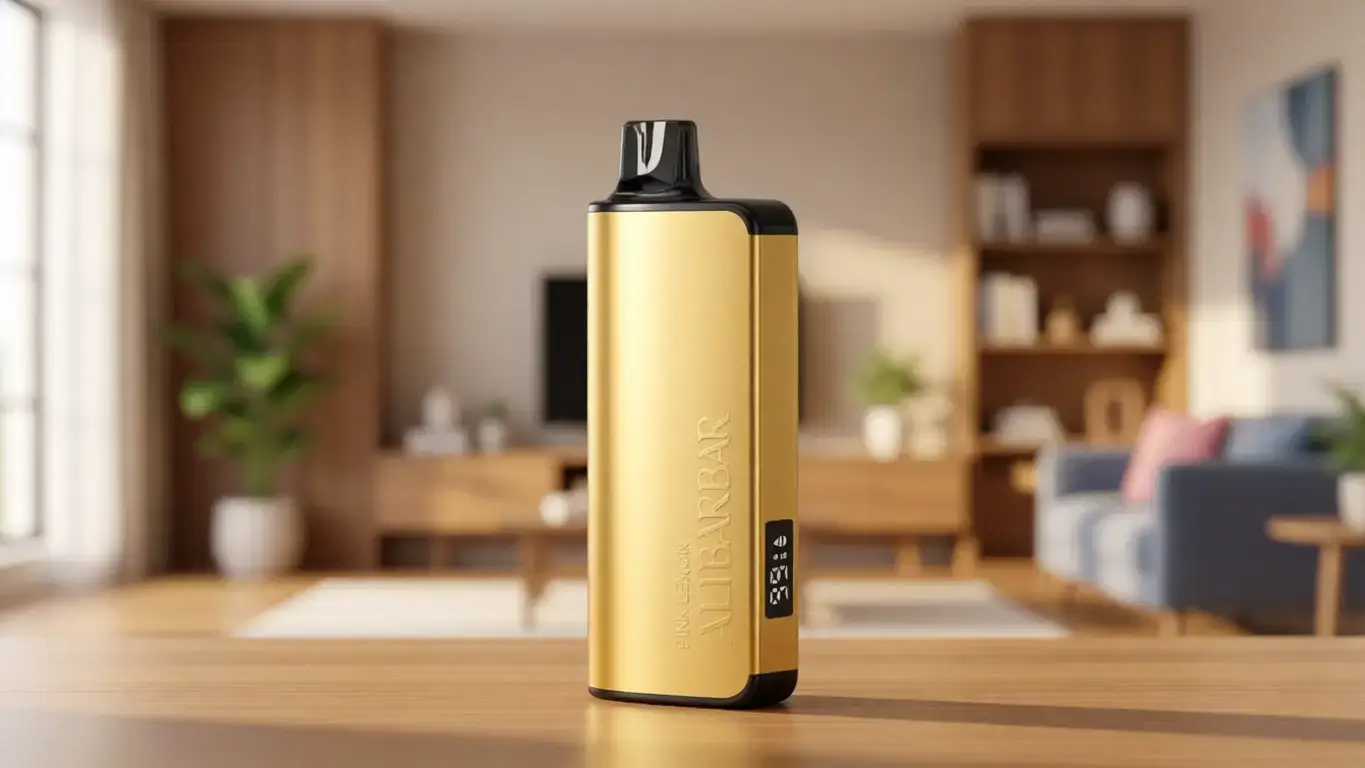
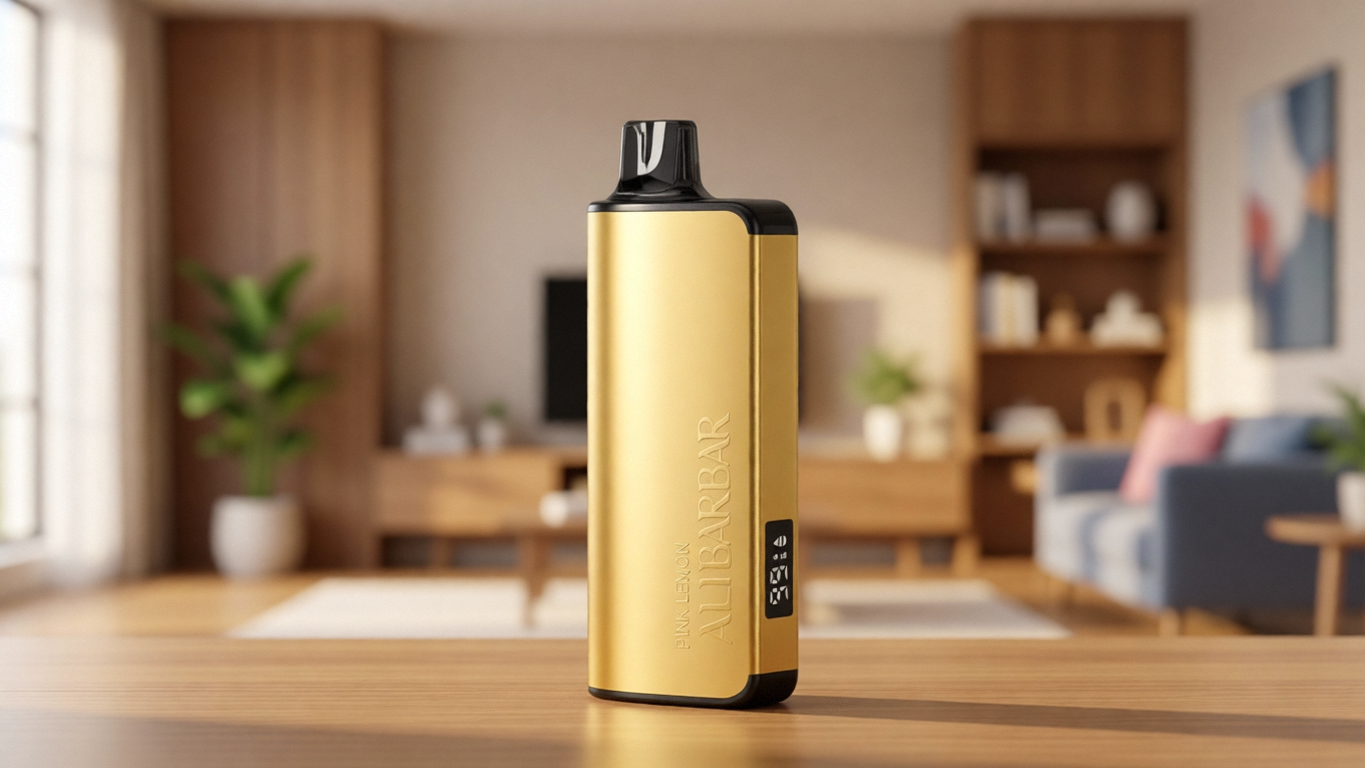
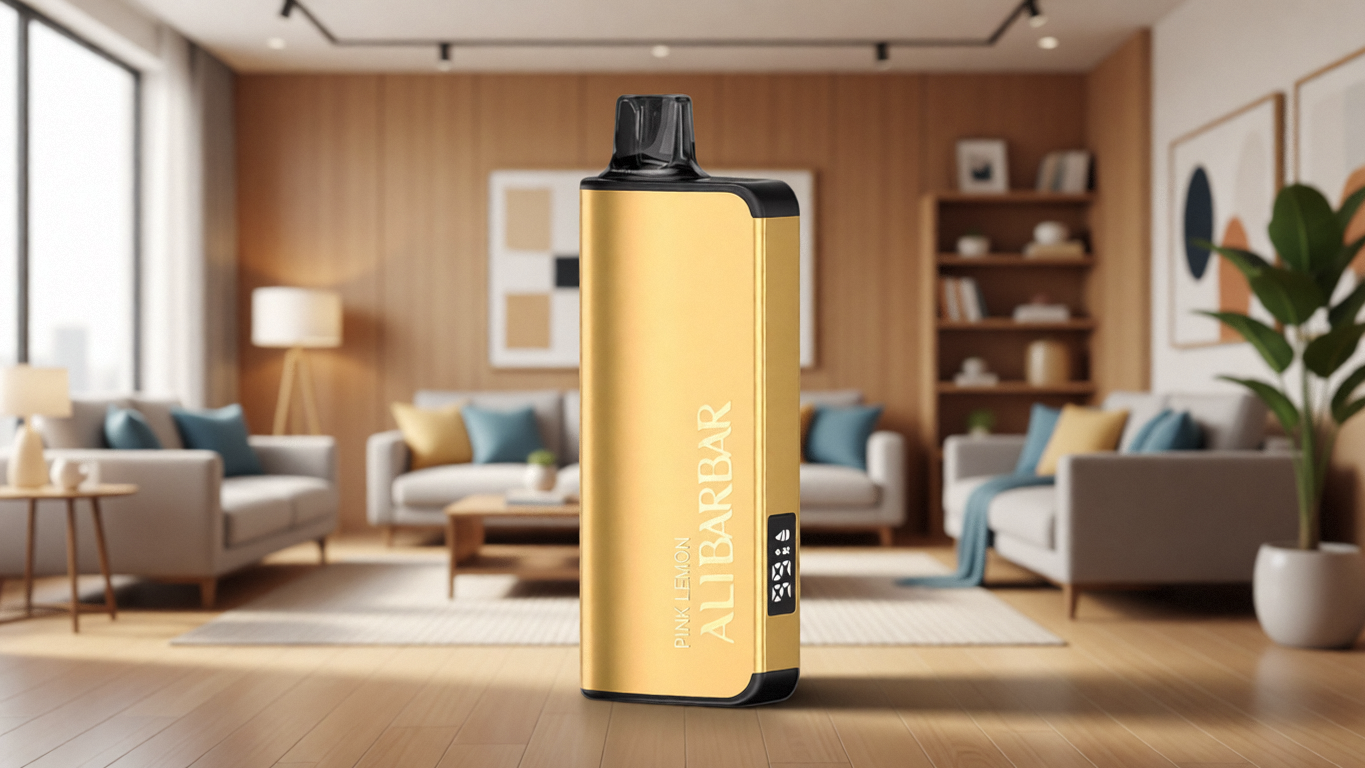
This is where engineering factors — ordinarily the domain of product analysis — intersect with the physiological question. A device that maintains stable power output across its operational life, communicates its status honestly, and avoids sudden hot‑spot temperature spikes will produce more predictable per‑session delivery. Products in the ALIBARBAR family, for example, are built around thermal management and power calibration designed for that kind of consistency. When obtained through an authorized source such as OZVAPE Shop, the user has a reasonable expectation that the device they receive matches its design specifications. That predictability, in turn, allows an adult to maintain a more accurate mental model of their own intake over days and weeks.
In contrast, devices with erratic output — whether due to poor power circuitry or inconsistent factory quality — can cause unintentional spikes in consumption. A user who unknowingly receives 20% more output per cycle than anticipated will, over a week, accumulate cotinine faster than they realise. The implication is direct: device quality influences not just satisfaction, but the practical interpretation of clearance timelines.
Individual Biological Factors
Even with identical devices and identical usage patterns, two people will clear nicotine and cotinine at different rates. The most consequential variables include:
Liver enzyme activity: CYP2A6, the primary enzyme responsible for nicotine metabolism, varies genetically. Individuals with faster‑metabolising variants may clear cotinine up to 30% faster than those with reduced‑activity forms.
Age and body composition: Older adults often show slower metabolic clearance. Additionally, nicotine is weakly lipophilic, meaning small amounts can be sequestered in adipose tissue, gradually releasing over time in individuals with higher body‑fat percentages.
Renal function: Since cotinine is excreted primarily through the kidneys, any compromise in renal efficiency will prolong detection windows, sometimes by several days.
Hydration and urinary pH: While not as dramatic as some online sources claim, sustained high fluid intake and acidic urine can marginally accelerate renal clearance of cotinine. The effect is usually measurable in hours, not days, and cannot substitute for the metabolic processes occurring in the liver.
No single factor dominates. But together they explain why two colleagues who share the same device and usage routine can test differently — sometimes markedly so.
Applying This Knowledge to Real‑World Routines
When patients or professionals ask for a concrete timeline, what they are really seeking is a risk‑aware estimate. The table below provides general guidance based on aggregated clinical observations, assuming a healthy adult with normal renal and hepatic function. Times are measured to a negative result on the most common screening formats.
| Usage Pattern | Nicotine (Plasma) | Cotinine (Urine) | Cotinine (Saliva) | Hair Follicle |
|---|---|---|---|---|
| Single isolated session | 8–24 hours | 3–4 days | 3–4 days | Up to 90 days (any use) |
| Daily, low‑volume (< 2 mL equivalent) | Plateau, 24+ hours after cessation | 7–14 days | 7–14 days | Up to 90 days |
| Daily, high‑volume (> 5 mL equivalent) | Plateau, 24+ hours | 14–21+ days | 14–21+ days | Up to 90 days |
Note “mL equivalent” here is a rough proxy for total nicotine intake, but the actual amount depends heavily on device output and formulation. This is precisely why device transparency matters: if a product’s output is unspecified or inconsistent, you cannot reliably position yourself within this table. Products backed by documented specifications — such as those in the ALIBARBAR range available from OZVAPE Shop — give the user a fixed reference point. Without that anchor, estimation becomes guesswork.
A Practical Framework for Understanding Your Own Clearance Timeline
Rather than relying on generic averages, a systematic self‑assessment yields more realistic estimates. The following methodology requires no medical expertise:
Map your device usage precisely. Record, over one typical week, the number of activations per day, the approximate duration of each, and any variance between days. Note the specific device model and its stated output characteristics.
Identify power‑state patterns. Does the device maintain consistent output from full charge to empty, or does performance degrade? A device that delivers less as the power cell drains may cause the user to compensate with longer draws, altering intake in ways that are hard to track.
Consider cumulative exposure. If you use the device daily, assume you are at steady‑state cotinine levels. The clearance clock only starts after the last use, and full elimination will take five half‑lives from that point — typically 80–100 hours for the metabolite itself, but longer for chronic users due to tissue sequestration.
Factor in the test type. Urinalysis is the most common screening method and has the longest detection window among non‑hair tests. Saliva and blood tests narrow the window significantly. Hair tests are binary indicators of any use over roughly 90 days and are unaffected by short‑term abstinence.
Build in a safety margin. If a negative result is critical, add 30% to the predicted clearance time. Biological variability can surprise even experienced clinicians.
This framework does not offer false certainty, but it replaces blind anxiety with a structured process.
Common Misconceptions and Clinical Observations
Myth 1: “Drinking lots of water flushes it out.”
Increased hydration does slightly accelerate renal clearance of cotinine, but it cannot bypass the metabolic bottleneck in the liver. Overhydration immediately before a test can dilute a urine sample below validity thresholds, but that will typically trigger a rejected specimen, not a pass.
Myth 2: “All devices deliver roughly the same amount per puff.”
This remains one of the most persistent misunderstandings in the market. Output per activation can vary by a factor of three or more across different device architectures. A device with poor power regulation can produce a “hot” first draw of the day that delivers substantially more nicotine than the user expects. The physiological impact of an uncalibrated device is not trivial.
Myth 3: “If I stop for 48 hours, I’ll test negative.”
For anyone using a device daily, 48 hours of abstinence will lower blood nicotine but will rarely eliminate urinary cotinine below the typical 50 ng/mL screening cutoff. In many cases, 7–10 days is a more realistic minimum, and heavy users should plan for 14–21 days.
Industry Observation: The growing availability of devices with adjustable output — such as the ALIBARBAR Ice Adjust series, where the user can select a precise operational level — represents a meaningful step toward user‑agency over consumption. When a device allows you to choose and verify a consistent output tier, clearance predictions become more grounded. This is not a minor convenience; it is a tool for self‑knowledge.
Frequently Asked Questions
Q: What is the fastest way to clear nicotine from my system?
A: There is no safe method to dramatically accelerate metabolism. Time is the primary factor. Staying hydrated, maintaining normal physical activity, and avoiding additional exposure are the only evidence‑based approaches. Products marketed as “detox” aids lack rigorous clinical validation.
Q: Does exercise speed up the process?
A: Moderate physical activity supports overall metabolic function, but intense exercise does not directly increase CYP2A6 enzyme activity in a way that meaningfully shortens cotinine clearance windows. Claims of rapid clearance through sweating are unsupported by pharmacokinetic data.
Q: How does device output consistency affect clearance times?
A: A device that delivers a consistent, known output per activation allows you to more accurately model your total intake. With consistent intake, you can make more reliable clearance estimates. Inconsistent devices introduce unpredictability, making timelines less reliable.
Q: Can I use a low‑output device to reduce detection time?
A: Using a device with lower per‑activation output will, over time, reduce total nicotine throughput compared to a high‑output device at the same usage frequency. However, detection windows are driven by cumulative cotinine, so frequency remains a key variable.
Q: Why do some people clear faster than others even with similar usage?
A: Genetic differences in the CYP2A6 enzyme, body composition, age, and renal function all contribute. Two people can have meaningfully different clearance curves from identical exposure.
Q: How accurate are home cotinine test kits?
A: Over‑the‑counter kits can detect cotinine above a threshold (often 200 ng/mL for urine) with reasonable sensitivity, but they are not quantitative and may miss low‑level positives near the cutoff used by certified laboratories.
Q: Does the type of vaping device affect what a test measures?
A: No. Tests measure the same metabolites regardless of the delivery system. However, differences in delivery efficiency between devices may affect how much nicotine enters the bloodstream, indirectly influencing test results.
Q: If I switch to a device with lower nicotine, how long until my baseline drops?
A: Cotinine levels will begin to decline within a few days of reducing intake, but it may take one to two weeks to reach a new steady state. The exact timeline depends on the magnitude of the reduction.
Q: Are hair tests really accurate for infrequent use?
A: Hair testing is highly sensitive and can detect nicotine exposure from infrequent use over a 90‑day window. It does not quantify recency or volume — it simply indicates whether use occurred. Even a single episode can be detected.
Q: Where can I find devices with documented output specifications?
A: Authorised retailers that prioritise supply‑chain transparency, such as OZVAPE Shop, provide access to factory‑certified devices with clearly stated performance parameters. This documentation is essential for anyone seeking to make informed decisions about their consumption.
Conclusion
The time it takes for vape to clear your system is not a fixed figure inscribed somewhere in medical literature; it is a calculation that depends on your biology, your usage pattern, and most importantly, the consistency of the device in your hand. Understanding those dependencies transforms the question from an anxious search for a one‑size‑fits‑all answer into a manageable exercise in self‑assessment.
For those who value predictability, choosing a device built around stable output and transparent specifications is not merely a matter of taste — it is a practical tool for maintaining an honest relationship with your own daily habits. Through authorised channels like OZVAPE Shop, adults across Australia can access product lines such as ALIBARBAR that prioritise precisely that kind of engineering honesty. The right information, matched to the right equipment, puts the control back where it belongs: with the user.