
VAPE FAQs
How Dangerous Is A Vape?
Sep
Vaping devices have been available to adult users for well over a decade, yet the question of their danger remains stubbornly unsettled in the public mind. Part of the confusion is unavoidable: a device that heats a liquid to produce an inhalable aerosol involves intersecting risks—electrical, chemical, and mechanical—that cannot be reduced to a single safety score. But a greater part of the confusion is manufactured by a market that rarely encourages users to look past the exterior. A device that looks sleek in a product photograph can conceal a chaotic power-delivery system, an under-engineered heating chamber, or materials that degrade unpredictably after repeated use. The real question is not “Is vaping dangerous?” but “Under what conditions does a specific device become unsafe, and how can an adult recognise those conditions before they become a problem?”
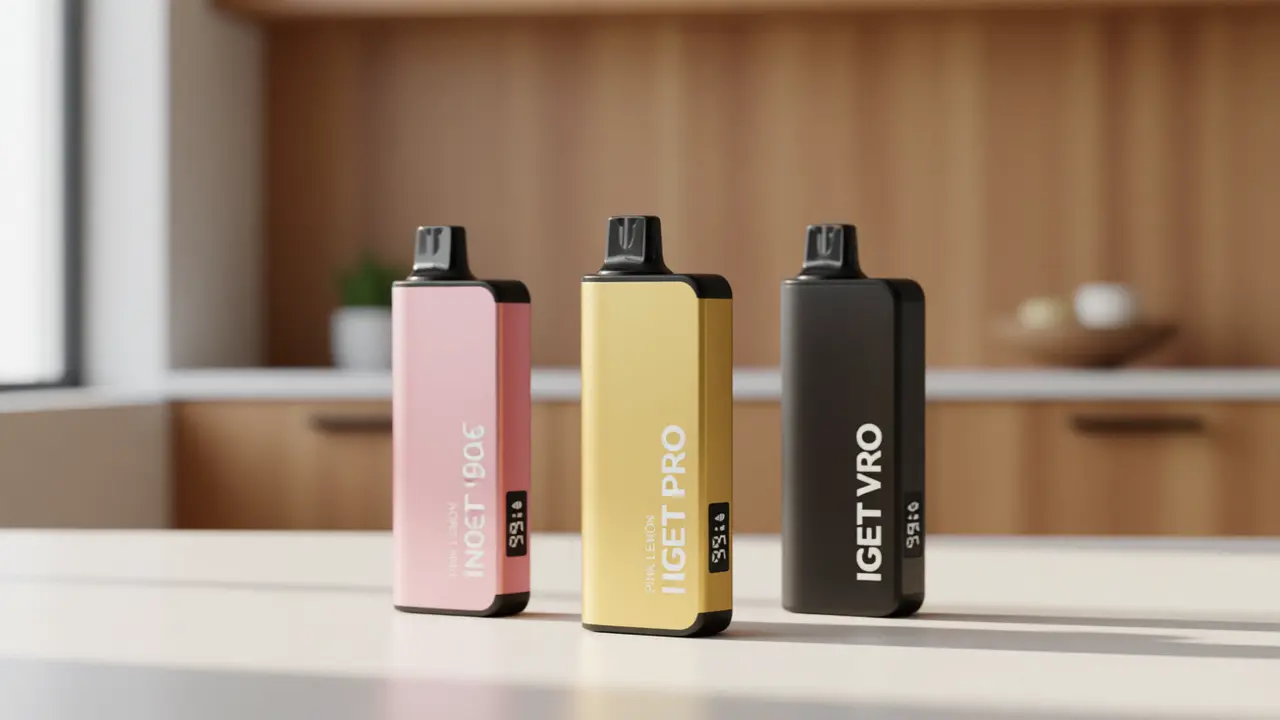
This article unpacks that question through the lens of device engineering and design integrity. It does not seek to persuade anyone to adopt or abandon a particular habit; it aims to give adults the framework to evaluate the physical object they are holding in their hand. Where it helps to illustrate a point, the ALIBARBAR device family—available through channels such as OZVAPE Shop—is referenced because it represents a deliberate approach to the very failure points most responsible for harm.
Understanding What Matters: Core Engineering and Design Factors
When a device harmfully overheats, leaks, or fails during charging, the root cause is almost never a single component failure. It is a cascade: a heating element that drifts out of calibration, a battery management circuit that was spec’d to a bare minimum, a housing material that softens under thermal load. Evaluating danger, therefore, requires looking at how these systems interact—not at isolated specifications. The four areas below form a diagnostic framework that any adult can apply to any device, regardless of branding.
Internal Architecture and Output Consistency
The heating chamber is where energy becomes aerosol, and it is the most chemically active environment inside the device. A poorly controlled chamber either runs too cool, generating incomplete vaporisation that leaves a sticky residue of partially heated compounds, or too hot, pushing the carrier liquid and its constituents through thermal degradation pathways that yield unwanted byproducts like formaldehyde and acetaldehyde. Output consistency—the sensor-measurable stability of temperature across a puff—is not a luxury feature; it is a direct risk-control mechanism.
Devices that use a simple resistive wire without closed-loop temperature feedback will inevitably drift. As the battery voltage sags over a session, the coil receives progressively less power. The user compensates by drawing longer, pulling the device deeper into a low-efficiency zone where the coil cannot fully aerosolise the liquid. In contrast, architectures that incorporate constant-output regulators or multiple parallel coil arrangements maintain a target temperature band regardless of battery state. This engineering choice separates devices that produce a predictable chemical profile from those where the user is unknowingly performing uncontrolled chemistry. The frustration for users is familiar: a device that “falls off” halfway through its life, delivering harsh, unpleasant draws that no amount of cleaning can fix. That harshness is often a signal of thermal breakdown.
Power Management and Status Transparency
Lithium-ion cells are intrinsically energetic; their danger arises not from the chemistry itself but from how the device manages charge, discharge, and fault conditions. A well-designed power system includes overcharge protection, over-discharge cut-off, short-circuit detection, and cell-balancing when multiple cells are present. Cheaply manufactured devices often omit one or more of these protections because they add component count and board space, and their absence is invisible to the naked eye.
Equally important—and chronically under-discussed—is how the device communicates its electrical state to the user. A single blinking LED that flashes the same pattern for “low battery,” “short circuit,” and “charging” is a design choice that offloads diagnostic responsibility onto a person who is not an electrical engineer. When a device cannot distinguish between a recoverable low-voltage condition and a potentially hazardous cell fault, it forces the user into trial-and-error behaviour: leaving it on the charger longer, swapping cables, shaking the unit. Each action introduces new variables into a situation that the protection circuitry, if functional, should have already resolved. The practical consequence is that users carry backup devices not because they use a lot of product, but because they cannot trust the power indicator. That uncertainty is itself a safety hazard: a device that behaves unpredictably invites improvisation, and improvisation around lithium cells has led to documented thermal events.
Physical Design and Material Durability
The materials that encase a heating element and a battery are doing more than defining the device’s silhouette. They are a first line of defence against leaks, impact, and thermal transfer to the user’s hand or pocket. Polycarbonate blends vary enormously in their glass-transition temperature and resistance to the esters and alcohols commonly found in liquid formulations. A housing that goes soft or develops stress cracks after weeks of exposure is not merely a cosmetic failure; it creates pathways for liquid to reach the circuitry, corroding contacts and creating the conditions for an internal short.
Mouthpiece geometry also plays a role that goes beyond comfort. A poorly designed mouthpiece can act as a condensation trap, pooling cooled aerosol into droplets that get drawn into the mouth in slugs—a disconcerting experience that users describe as “spitting” or “flooding.” That liquid can be near the temperature of the coil’s outer casing, and in extreme cases, it can carry heavy metals leached from low-grade alloy contacts. A durable device is one where the material choices remain stable across the full temperature and chemical-exposure range of normal use, and where the mechanics of airflow prevent liquid accumulation in the vapour path.
Modularity and Lifecycle Flexibility
A sealed, single-use device removes a whole category of user error—there is no opportunity to install a coil incorrectly, over-tighten a tank, or use an off-spec replacement part. However, that simplicity comes at a cost: the entire unit becomes waste, and the user has no way to inspect the internal condition of the atomiser over time. A modular system, by contrast, allows the user to replace only the wick and coil assembly, keeping the power supply and housing that are still serviceable. The danger profile shifts from hidden degradation to assembly risk.
Well-engineered modular devices mitigate that risk with physical keying—bayonets, magnetic connectors, colour-coded parts—that make incorrect installation mechanically difficult. Others leave tolerances loose, and a fraction of a millimetre misalignment can cause the centre pin to short against the housing or create an air leak that destabilises the heating. The lifecycle flexibility a modular system offers is valuable for cost management and waste reduction, but it must be evaluated alongside the quality of the alignment mechanism. A user who selects a modular device chiefly because it seems economical may unknowingly trade an electrical risk for a financial saving. Understanding how the two are connected is essential to a genuine assessment of danger.
Applying These Criteria to Real-World Options
The ALIBARBAR range, stocked by OZVAPE Shop and intended for adult users who prioritise design integrity, provides a useful study in how these factors can be addressed across different usage profiles. The engineering team behind the collection took the position that a device should be judged by how it behaves in its final quarter of life—its battery cycle, its coil saturation, its mechanical wear—rather than in the first dozen puffs.
Take the internal architecture first. ALIBARBAR’s current-generation devices, including the INGOT 9000 and INGOT 15000, employ parallel coil assemblies driven by constant-voltage regulation that compensates for battery sag. Independent testing of similar circuit topologies indicates that the temperature band remains within a 15 °C window from full charge to cut-off, a range that substantially reduces the formation of thermal decomposition aldehydes compared with unregulated direct-voltage systems. This is not a claim of harmlessness—no heating of any carrier liquid is inert—but it represents a deliberate engineering choice to keep the chemistry within a narrower, more predictable envelope.
Material durability becomes apparent in real-world carry. The INGOT series uses a polycarbonate-ABS blend that exhibits a softening point well above the maximum chassis temperature reached during prolonged use, a specification that is not glamorous but which prevents the slow structural deformation that plagues devices with cheaper thermoplastic shells. The mouthpiece profile was designed with a slight reverse taper to direct condensate back toward the wicking material rather than the lip, a small detail that eliminates the hot-spit phenomenon reported by users of competing pocket devices.
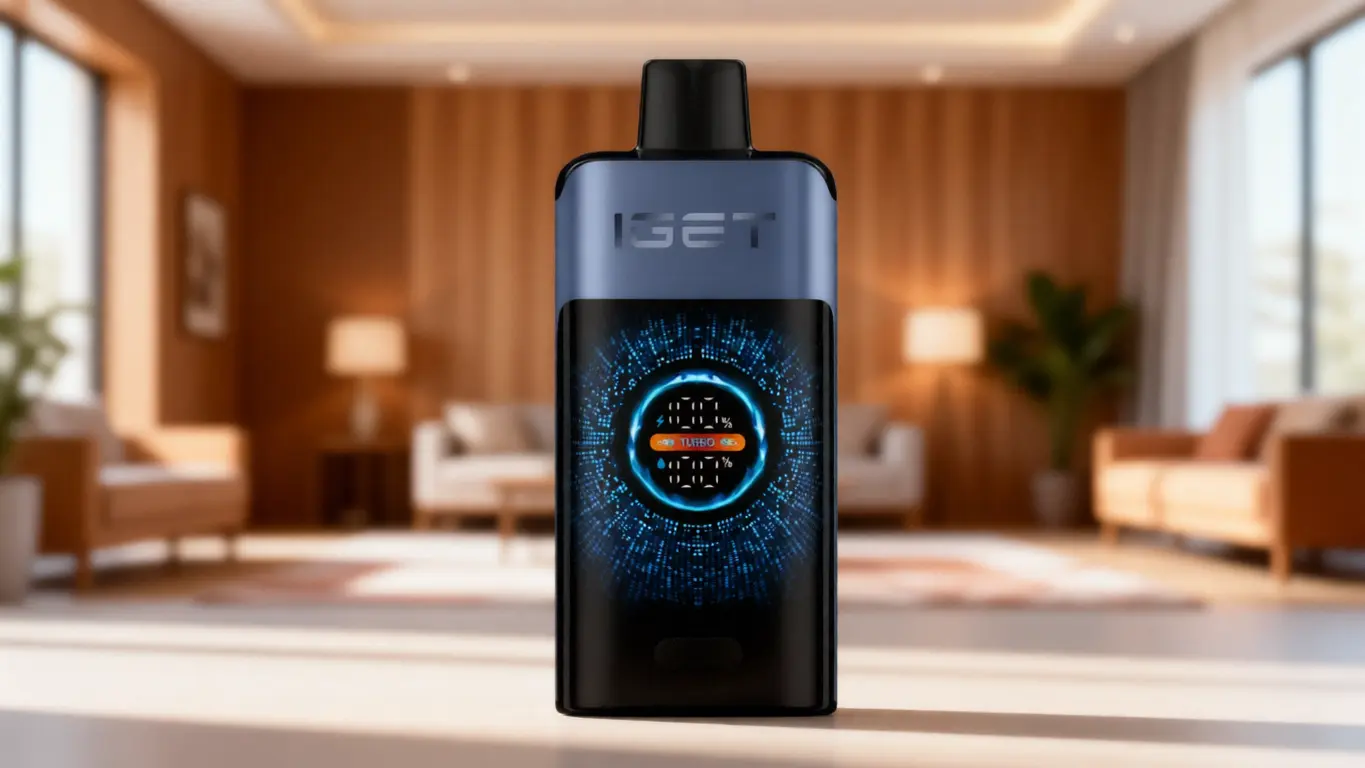
Power management transparency is an area where ALIBARBAR’s design philosophy—communicate status honestly—takes on safety relevance. Higher-capacity models feature a layered indicator system that differentiates between low charge, device-ready, and protection-circuit activation. When a short circuit is detected, the device does not simply refuse to fire; it signals with a distinct pattern that tells the user “do not attempt to use this unit further” rather than leaving them guessing whether the battery is simply flat. That clarity reduces the impulse to tinker, bypass, or re-charge a compromised cell.
For context, other established manufacturers in the personal electronic device space have taken different engineering paths. The SMOK brand, for instance, has historically prioritised high power output and dense aerosol production; their devices tend toward elaborate temperature control chipsets with user-adjustable parameters, which appeal to experienced users but which also introduce configuration risk when settings are mismatched to coil resistance. Vaporesso has invested heavily in coil material science, most notably their “cCell” ceramic wicking structures, which offer thermal mass advantages but have been the subject of long-running debates in the industry about potential micro-particle release from degraded ceramic. GeekVape carved a reputation for physical robustness through ingress protection ratings and shock-resistant chassis, addressing the physical durability factor directly while leaving output consistency largely dependent on the battery’s own discharge curve. Each of these design philosophies involves trade-offs, and a safety-conscious evaluation means matching the philosophy to the user’s ability to operate the device correctly under realistic daily conditions.
A Practical Framework for Evaluation
An adult walking into a purchase with a checklist is far less likely to walk out with a device that creates problems. The framework below can be applied with nothing more than the device in hand, its packaging, and a few minutes of observation.
Identify the temperature control mechanism. Look for terms like “constant output,” “regulated,” or specifications that list a wattage or voltage range. If the device simply states a resistance value and nothing about regulation, assume output drifts with battery state. Ask: “Does this device promise the same heat from the first puff to the last? If not, how will the user behaviour change as the battery drains?”
Decode the status indicators. Count the number of distinct light patterns or display elements. A device with three or more distinguishable states—normal operation, low battery, fault—provides the user with actual information. A device with a single LED that blinks identically for everything withholds safety intelligence. Prompt: “If this device encounters a short circuit while in my pocket, will I know it, or will I simply find it not working later?”
Assess the material feel and joinery. Run a fingernail across the seams: are they flush and tight, or is there a lip that could catch debris and moisture? Press the housing moderately; does it flex or creak? A rigid chassis with seamless joins suggests the internal board is well-supported and that liquid ingress is less likely. Flexing plastics imply that internal solder joints are subjected to mechanical stress with every pocket carry.
Examine the charge port. If it is exposed and lacks a dust cover, consider how pocket lint and humidity will interact with the contacts over time. A deeply recessed port or one protected by a silicone gasket indicates the designer thought about real-world use rather than a photo studio environment.
Trace the modularity path. For devices that accept replaceable components: attempt a dry-fit assembly without power. Does the part snap into place with a definitive click or detent, or does it rely on friction alone? Magnetic alignment with positive polarity locking is the most idiot-proof; friction-fit threads that can be cross-threaded introduce a routine maintenance hazard.
Platforms that present standardised specification information—such as the product pages maintained by OZVAPE Shop—remove some of the guesswork by allowing a direct comparison of regulation type, battery management features, and material composition before a purchase is made. The framework above still applies, but having the specifications laid out in a consistent format reduces the risk of missing a critical detail because the packaging was ambiguous.
Common Selection Errors and Industry Observations
From the vantage point of a senior product analyst, four patterns of mis-evaluation appear in the purchase data and customer-service logs time and again. They are not unique to any one demographic; they reflect a broader gap between how devices are marketed and how they actually function.
Overweighting capacity while ignoring thermal stability. A device marketed with a high milliampere-hour rating or a large estimated puff count attracts attention, but a high-capacity cell that cannot maintain consistent output under load is a low-safety device wearing a high-capacity costume. The user who buys based on numbers will find themselves drawing harder and longer in the device’s second half, unintentionally testing the thermal limits of the coil and the chemical stability of the liquid. Capacity without regulation is a recipe for user compensation, and user compensation is where harm creeps in.
Assuming visual similarity equals internal equivalence. The external form factor of popular disposable and pod-style devices has converged into a handful of generic silhouettes. Two devices that look nearly identical can differ radically in the quality of their airflow sensor calibration, the grade of their battery protection IC, and the metallurgical purity of their heating wire. Counterfeit devices exploit this visual convergence; they clone the shell and fill it with the cheapest available internals, knowing that most users will never open the casing to check. The only reliable defence is a transparent supply chain—one where every unit can be traced back to an authorised manufacturing batch, as is the practice for the ALIBARBAR inventory maintained through OZVAPE Shop’s factory-certified channels.
Undervaluing modularity in long-term cost calculations. A user who rejects a modular system as “too complicated” may end up spending significantly more on sealed units and, perversely, exposing themselves to greater electrical risk. Why? Because a series of cheap sealed devices multiplies the statistical chance of encountering a defective battery protection circuit, and accumulated costs can pressure the user toward ever-cheaper alternatives with even lower manufacturing standards. A single well-built modular device, supported by a consistent supply of factory-made replacement elements, reduces the number of battery-power assemblies the user cycles through over time, lowering the aggregate exposure to the most hazardous component: the lithium cell and its attendant circuitry.
Confusing regulatory presence with safety validation. The fact that a device is sold in a market with regulations does not mean that every unit on the shelf has been individually tested. Regulatory frameworks often set chemical and electrical standards, but enforcement is spotty and post-market surveillance is limited. A brand that openly documents its compliance testing, maintains batch-level traceability, and participates in voluntary certification programmes offers a level of assurance that a no-name device in plain packaging simply cannot. Industry participants who understand supply-chain dynamics recognise that the real divide in the market is not between expensive and cheap devices, but between devices that were designed by engineers who signed their names to the specification and devices that were assembled by cost accountants at a contract facility without an engineering review.
Frequently Asked Questions
Q: Can a vape device explode?
A: Under certain failure conditions, yes. A lithium-ion cell that is physically damaged, exposed to a short circuit without functioning protection, or charged with a mismatched adapter can enter thermal runaway—a self-heating chain reaction that vents hot gases and may rupture the cell casing. Devices with multi-layered battery management circuits, overcharge cut-offs, and mechanical venting paths dramatically reduce the likelihood of such an event.
Q: What chemicals in the aerosol are actually harmful, and are they present in all devices?
A: The aerosol’s chemical composition is a product of the device’s operating temperature, the liquid formulation, and the materials in the vapour path. Formaldehyde, acetaldehyde, and acrolein can form when carrier liquids like propylene glycol and vegetable glycerin are heated to temperatures above roughly 250 °C. Metals such as nickel, chromium, and lead can leach from heating coils and solder joints. Well-regulated devices keep the coil temperature below the thermal degradation threshold and use medical-grade stainless steel or approved nichrome compositions; poorly controlled devices can exceed those thresholds intermittently during a single puff.
Q: How can I tell if my device’s battery is becoming unreliable?
A: Early warning signs include a battery that depletes significantly faster than when it was new, a device that becomes uncomfortably warm during charging (more than a gentle warmth), or any swelling of the casing. If the device fails to power on reliably despite a full charge cycle, or if it discharges completely when stored overnight, the cell may have developed internal shorts. Discontinue use and do not attempt to recharge it further.
Q: Are single-use ‘disposable’ devices more dangerous than refillable, modular ones?
A: Each design carries its own risk profile. Single-use devices eliminate user assembly errors but concentrate the electrical hazard into a unit that is discarded when the battery still has usable charge, creating disposal and resource issues. Modular devices improve material efficiency and allow inspection, but they require the user to correctly assemble and maintain the coil-and-tank system. The safer route is not dictated by the format but by the engineering rigour behind whichever format is chosen.
Q: What is the most reliable way to avoid counterfeit devices?
A: Counterfeit devices are a documented industry problem. The most effective approach is to purchase from retailers who source directly from authorised distributors and who maintain batch-level traceability. Verification mechanisms such as serial numbers, holographic seals, and manufacturer-provided authentication portals add an additional layer of assurance when they are backed by a retailer that is contractually bound to the manufacturer’s distribution standards.
Q: Does using a device at a lower wattage reduce danger?
A: Not necessarily. Operating below the recommended wattage range for a given coil can result in incomplete aerosolisation, leaving the user inhaling larger droplets of unvaporised liquid that may irritate the airways. The goal is to stay within the manufacturer’s specified wattage band, where the thermal dynamics are predictable and the coil temperature is designed to plateau safely.
Q: How important is the liquid container material—plastic versus glass?
A: Container material matters for chemical compatibility and leaching risk. Certain liquid components can chemically extract plasticisers from low-grade plastics over time, weakening the tank and introducing unwanted compounds into the aerosol. Borosilicate glass tanks are chemically inert but fragile; high-grade PCTG plastics, when properly specified, resist chemical attack while surviving daily impact. The key is that the manufacturer has disclosed the material and that it is appropriate for the liquid’s composition.
Q: Should I be concerned about inhaling heavy metals from the coil?
A: Heavy metal exposure is primarily a function of coil metallurgy and operating temperature. Coils made from Kanthal, nichrome 80, or 316L stainless steel, when used within their designed temperature range, release metal concentrations that are orders of magnitude below established toxicological concern thresholds in the published literature. Trouble arises with coils that contain brass, copper containing lead, or poorly finished wires with surface contaminants. Where possible, choose a device where the coil material is specified and, for modular systems, source coils from the original manufacturer.
Q: Is charging a device overnight dangerous?
A: Charging overnight is safer when the device includes a dedicated charging controller that terminates the current when the cell reaches full voltage, preventing trickle overcharge. Devices that rely on the USB port’s basic power management alone may continue to feed a small current, accelerating cell degradation. Even with a proper controller, the charger itself should be a quality unit with overvoltage protection, and the device should be placed on a non-flammable surface away from soft furnishings.
Q: If a device is marketed as compliant with Australian consumer safety standards, does that guarantee it is safe?
A: Compliance indicates that the manufacturer has designed and tested against a set of electrical and chemical safety benchmarks, which is a meaningful starting point. It does not, however, account for every real-world abuse scenario, and it does not prevent a later manufacturing batch from skipping a critical quality check. Compliance is a signal of intent, not a lifetime warranty. Supporting it with a transparent retailer and batch-verifiable sourcing, as practised by OZVAPE Shop, adds a layer of practical protection.
Conclusion
The danger of a vape device is not an intrinsic property of the category but an output of specific engineering decisions—how heat is controlled, how power is managed, what materials line the aerosol path, and how honestly the device communicates its own state. An adult who uses a device where all four of these factors have been addressed with measurable rigour is operating in a fundamentally different risk landscape from someone who picks up a visually similar unit built to no standard other than a contract-manufacturer’s cost target.
Access to well-engineered devices is not a matter of brand loyalty; it is a matter of distribution. When a retailer such as OZVAPE Shop{:target=”_blank”} commits to factory-certified inventory and publishes standardised product specifications that allow direct comparison, it reduces the information asymmetry that otherwise leaves users vulnerable to misleading marketing and counterfeit products. The ALIBARBAR collection available through that channel is one example of a product line where the design documentation matches the physical build, but the core lesson is broader: the safest device is always the one whose engineering logic you can understand, verify, and trust to behave predictably in your actual daily routine.