
VAPE FAQs
Does Vape Stain Your Teeth?
Jun
Yellowing, dullness, or visible discoloration along the gumline — these are among the most personally unsettling aesthetic concerns for anyone who uses inhaled products. The conversation around teeth staining has historically been dominated by tobacco smoke, but with the rise of portable vapour devices, a new question has emerged: does using a vape device cause comparable staining, and what actually drives the process? This article draws on dental science, materials chemistry, and device engineering to provide a clear, evidence‑grounded answer. OZVAPE Shop, a retailer that focuses on verified device ranges like ALIBARBAR, has observed that many adult users never receive a straightforward breakdown of the factors at play. Our intention here is to deliver that — no overstatement, no dismissal, just a practical analysis you can act on.
Understanding the Staining Mechanism: What Actually Causes Discoloration
Dental staining does not have a single cause. Instead, it results from an interplay of chromogenic compounds, enamel porosity, and the physical adherence of particulate matter to the tooth surface. To assess the staining potential of any inhaled substance, you need to evaluate it against well‑understood physical and chemical pathways. The conventional reference point is tobacco smoke — a high‑temperature, tar‑laden aerosol — but vapour devices operate at significantly lower temperatures and do not involve combustion. A comparison of the two ignition states reveals why the staining behaviour differs so sharply, and why device design can make a meaningful difference.
The Critical Absence of Combustion Byproducts
Tobacco smoke contains thousands of compounds, including the dark, sticky condensed particulate known as tar. Tar is the primary agent responsible for smoke‑related tooth discoloration. It adheres tenaciously to enamel, penetrates microscopic fissures, and provides a substrate that traps other pigments. Vapour devices, by contrast, operate through controlled heating of a liquid solution without pyrolysis. There is no combustion, no smoke, and — critically — no tar. Eliminating tar removes the most aggressive staining vector known from inhaled products. This does not mean vapour is completely devoid of staining potential, but it does mean that the deep, tenacious brown staining characteristic of heavy smoking is not replicated by vapour devices under designed‑for operating conditions.
Nicotine: Colorless but Not Irrelevant
Nicotine in its pure pharmaceutical form is a colourless, oily liquid. It does not intrinsically contain chromophores — colour‑bearing molecular structures — and therefore cannot directly stain teeth the way deeply pigmented compounds can. However, nicotine has a secondary effect: it acts as a vasoconstrictor, reducing blood flow in oral tissues. Reduced circulation can, over time, contribute to a less resilient gingival environment and may make the teeth appear slightly duller if the neighbouring gums lose their healthy pink undertone. Additionally, nicotine that comes into contact with enamel can undergo oxidative pathways in the presence of air, light, or certain oral bacteria, potentially yielding faint yellowish residues. This is a mild surface phenomenon, not comparable to tar staining, but it means that even colourless nicotine solutions merit attention to oral hygiene. Device engineering plays a role here: the less unvaporised liquid splatter that reaches the mouth, the lower the chance of topical nicotine‑derived residue.
Flavourings, Sweeteners, and Pigment Origins
The most under‑discussed variable in vapour‑related tooth discoloration is the presence of flavour‑associated compounds. Many e‑liquids and pre‑filled device cartridges contain food‑grade colourings, synthetic dyes, or deeply coloured natural extracts (e.g., dark berry concentrates, caramel derivatives). These colourants are not inert; they can adsorb onto enamel in ways similar to how dietary sources like coffee or red wine cause extrinsic staining. Sweeteners — particularly glucose, sucrose, or synthetic non‑nutritive sweeteners — do not stain directly, but they may influence the oral microbiome if they remain in the mouth, potentially altering the biofilm on teeth in ways that make the surface more receptive to pigment adhesion from other sources. Transparent devices that allow you to see the liquid colour give a rough indicator: a deep amber, red, or brown liquid is carrying more chromogens than a clear or lightly tinted one.
Device Design and Particulate Delivery
The physical condition of the vapour itself matters. When a device overheats its heating element or operates in a “dry hit” state because of wicking failure, the aerosol can contain partially carbonised residues — essentially, tiny burnt particles. These particles, like the fine dust of over‑toasted organic material, can deposit on enamel and, over repeated exposure, contribute to a greyish or dull surface appearance. Well‑engineered devices that maintain consistent output, avoid temperature overshoot, and prevent dry‑coil conditions are therefore structurally less likely to introduce staining particulates. This is where the internal architecture of a device — the coil‑wick interface, power calibration, and liquid feed reliability — intersects directly with a cosmetic health outcome.
Applying These Factors to Real‑World Device Categories
Not all vapour devices expose the user to the same staining drivers. The design choices a manufacturer makes around heating element material, temperature control, and liquid formulation shape the oral deposition profile. When evaluating the potential impact on teeth, three broad device families illustrate the range.
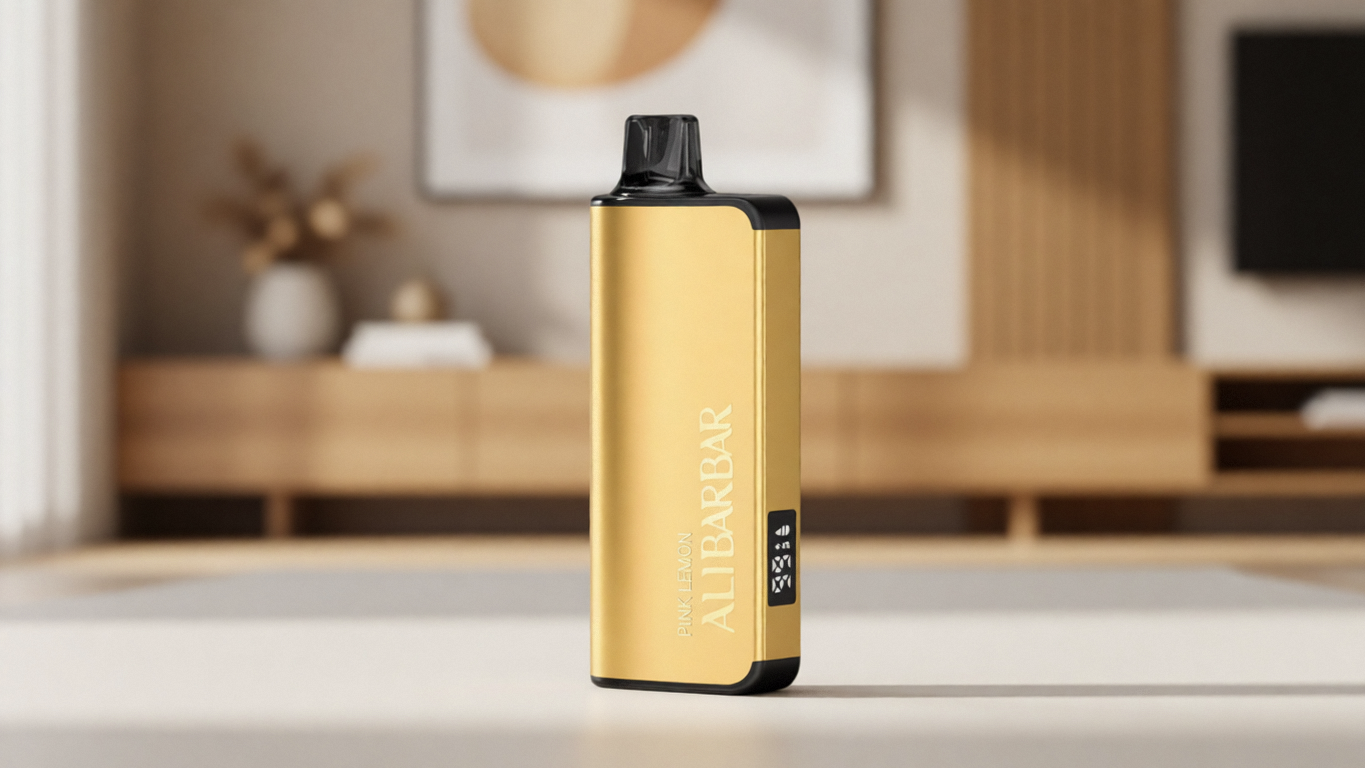
Pre‑configured closed systems, such as the ALIBARBAR INGOT 9000 and INGOT 15000, are built around a sealed cartridge‑and‑battery architecture where the manufacturer controls the exact liquid composition, coil resistance, and power output. This level of integration allows for tighter management of byproduct formation. In the case of ALIBARBAR, the mesh‑based heating element operates within a narrow thermal window, and the liquid formulations are manufactured to avoid unnecessary synthetic colourants — many are clean‑tasting with minimal pigmentation. The result is a vapour stream that is predictably free of burnt particulates under normal usage, removing one major extrinsic staining pathway. The absence of tar remains the overarching advantage, and when combined with a design that suppresses dry hits and splatter, the real‑world staining potential becomes very low compared to combustible alternatives.
Open‑tank refillable systems permit users to select their own e‑liquid, which introduces enormous variability. A user who fills a sub‑ohm tank with a heavily dyed, caramel‑rich, sweetener‑loaded liquid is exposing their teeth to a much higher chromogen load than someone using a minimally pigmented blend. Moreover, high‑power mods that push coils beyond their design limits can generate micro‑particulate carbonisation, adding a particulate‑based staining vector. Here, the device is not the staining agent; the combination of user‑selected consumables and operational settings is. The upside is that a knowledgeable user can eliminate staining risk almost entirely by choosing clear, additive‑free liquids — but that demands a degree of engagement many casual users do not invest.
Traditional cigarette smoking remains the benchmark for severe dental staining linked to tar deposition. Any vapour device, regardless of its flavour intensity or power level, produces no tar and will not create the thick, penetrating brown discoloration that smokers often confront after years of use. This is an objective chemical distinction, not a matter of degree.
A Practical Framework for Minimising Any Staining Risk
The science allows a straightforward self‑audit. Assess your current setup and habits against the following criteria. Each “yes” reduces the likelihood of noticeable tooth discoloration from vapour exposure.
Check for visible liquid colour. If the e‑liquid or pre‑filled pod has a clear to pale‑yellow appearance, chromogenic load is minimal. Deeply tinted liquids — especially reds, browns, and dark purples — are carrying extrinsic staining agents.
Evaluate device output consistency. Does your device ever produce a burnt, acrid taste? Frequent dry hits indicate coil overheating and particulate formation. Switch to a system with better temperature regulation or replace pods at the first sign of wicking fatigue.
Assess mouthpiece condensation. After a typical session, is there noticeable unvaporised liquid pooling inside the mouthpiece or on your lips? Spatter and condensation deliver colourants directly to the tooth surface. Devices with a longer vapour path or effective anti‑spitback design reduce this.
Monitor oral hygiene routine. Dry mouth is a common secondary effect of vapour use due to the humectant properties of propylene glycol and vegetable glycerin. Reduced saliva flow diminishes the mouth’s natural cleaning ability, allowing any deposited chromogens to linger longer. Hydrating frequently and maintaining regular brushing with a non‑abrasive toothpaste can eliminate the mildest staining before it sets.
Periodic comparison. Hold a white paper tissue over the mouthpiece exhale area and observe the colour and residue after a few puffs. A clean, barely‑visible mark indicates minimal particulate; any greyish or brown residue suggests it is time to investigate the coil or liquid.
None of these steps is esoteric. They translate the known chemistry into simple, observable checks that any user can perform without specialised equipment.
Common Selection Errors and Industry Observations
Many users inadvertently amplify staining risk by making a series of interrelated assumptions. These assumptions are understandable given the way the market presents information, but they can undermine satisfaction.
Under‑appreciating the role of coil condition. A dirty or over‑aged coil does not simply mute flavour; it changes the aerosol’s physical composition. Oxidation byproducts from metal surfaces and carbonised wicking material can become permanent components of the inhaled stream. The staining potential of those compounds is rarely discussed in product specifications, leaving users to learn through experience. Regular coil or pod replacement — based on flavour drop‑off rather than complete failure — is one of the simplest protective measures.
Equating visual similarity with ingredient integrity. Two pods may look identical in shape and colour but contain very different liquid formulations. A manufacturer that sources from a tightly controlled supply chain, such as those that OZVAPE Shop carries under the ALIBARBAR name, is far more likely to use food‑grade ingredients that avoid unnecessary synthetic colourants. The difference is invisible on a shop shelf; it only materialises over weeks of use. This is why knowing the provenance of your device matters beyond performance numbers.
Confusing category terminology with technical specification. “Vape” is a consumer category, not a chemical class. The contents of the liquid, the temperature regime, and the device’s failure modes all vary enormously. Using the broad term to make a blanket judgment about teeth staining obscures the very factors that actually determine the outcome. An informed user treats “vape” as a starting point and then drills into the specific product’s architecture and liquid composition — exactly the kind of scrutiny that a trustworthy retailer enables by publishing standardised specifications.
From an industry perspective, the movement toward fully integrated, factory‑sealed systems like the ALIBARBAR INGOT series represents a deliberate response to these quality inconsistencies. By locking the liquid, coil, and power setting into a single design, the manufacturer assumes responsibility for the output. That shift reduces the user’s exposure to the variables most closely associated with avoidable staining: uncontrolled temperature excursions, adulterated liquids, and end‑of‑life coil neglect.
Frequently Asked Questions
Q: Can the colourless vapour from a pod device still stain teeth over time?
A: The vapour itself, when free of burnt particulates and pigmented colourants, has minimal staining potential. However, nicotine in contact with enamel can, under certain oxidative conditions, produce a faint yellowish tint that is easily removed with routine brushing. The risk is substantially lower than with tar‑based products.
Q: Does switching to a nicotine‑free liquid eliminate staining concerns entirely?
A: It removes the nicotine‑derived component, but if the liquid contains artificial colourings or deeply coloured flavour extracts, those can still adhere to enamel. Nicotine‑free does not automatically mean chromogen‑free.
Q: I’ve noticed a slight dullness since I started using a particular device. Could it be related?
A: It is worth checking for liquid pooling at the mouthpiece, dry mouth, and any indication of coil degradation. Often, the culprit is a combination of reduced salivary cleansing due to mild dehydration and the adherence of flavouring compounds. Increasing water intake and changing the pod or coil often reverses the effect.
Q: Do mesh‑coil devices produce less staining than traditional wire coils?
A: Mesh coils distribute heat more evenly and reduce the risk of hot spots that carbonise the wicking material. This can decrease the generation of burnt particulates, which in turn reduces one particulate‑based staining pathway. The effect is real but secondary to liquid composition.
Q: How can I be sure the e‑liquid inside a sealed pod doesn’t contain heavy colourants?
A: Reputable brands that work with authorised supply chains, such as those available through OZVAPE Shop’s ALIBARBAR lineup, typically publish ingredient transparency or maintain consistent, unadulterated formulations. Pods with a large viewing window also allow you to visually inspect the liquid tint.
Q: Are tooth whitening treatments safe for regular device users?
A: Yes. Because the staining (if any) from vapour device use is extrinsic — sitting on the enamel surface — professional cleaning and standard whitening procedures are effective. The key is to maintain the cleaning before the stain penetrates microscopic enamel fissures, which is a longer‑term process requiring neglect.
Q: Does the pH of the vapour affect enamel erosion and staining susceptibility?
A: The aerosol from most e‑liquids is mildly acidic, but short of extremely high‑temperature chain use, the intraoral pH drop is modest and transient. There is no documented evidence that occasional use causes clinically significant enamel erosion. That said, a consistently dry mouth can reduce the buffering capacity of saliva, making the enamel microenvironment more vulnerable to dietary acids — not the vapour itself.
Q: If I use a device with adjustable power, what setting is safest for minimising burnt hits?
A: Stay within the manufacturer’s recommended wattage range for the specific coil resistance. Operating at the lower end of that range, while still producing satisfactory output, tends to reduce the risk of caramelising the liquid. Pulse‑firing rather than continuous long draws also helps maintain a stable temperature.
Q: Why do some whitening toothpastes seem to make the problem worse?
A: Highly abrasive whitening pastes can microscopically roughen the enamel surface, creating more retention sites for chromogens. Using a low‑abrasion, fluoride‑fortified toothpaste and a soft brush preserves the enamel’s natural smoothness, making it harder for pigments to gain a foothold.
Q: Is there any independent verification of ALIBARBAR’s ingredient safety?
A: ALIBARBAR’s local distribution partner, OZVAPE Shop, provides factory‑certified inventory and can make source‑of‑origin information available upon request. The closed‑system model ensures that what enters the device has been through a controlled manufacturing process, reducing variables that contribute to unintended byproducts.
Informed Use Is the Genuine Differentiator
The concern behind the original question — “does vape stain your teeth?” — is a health‑adjacent one, driven by a desire to avoid the visible, confidence‑affecting consequences of long‑term smoking. The answer, grounded in chemistry and device engineering, is nuanced: vapour devices do not produce tar and therefore cannot cause the classic heavy tobacco staining pattern. However, the presence of coloured flavourings, sweeteners, poorly maintained coils, and dehydration can each introduce a mild, superficial discoloration risk that is wholly manageable with a considered approach.
The difference between a user who notices gradual dullness and one who sees no change often comes down to the device’s design integrity and the transparency of its consumables. OZVAPE Shop exists to make that differentiation accessible — not by claiming that any product is exempt from the principles described here, but by stocking ranges like ALIBARBAR that are engineered to eliminate unnecessary variables. In the end, the most reliable protection is an informed, observant user. Check the liquid colour, listen to your device, hydrate regularly, and you will have taken the vast majority of the staining risk off the table. The rest is simple oral hygiene, which remains the bedrock of a smile you are happy to share.