
VAPE FAQs
Does Vape Reduce Stress?
May
The question surfaces in online forums, late‑night conversations, and the quiet moments when someone reaches for a device after a difficult day. Does vaping reduce stress? It is a deceptively simple inquiry that sits at the intersection of neurochemistry, behavioural ritual, and the mechanical reliability of the tool in your hand. A direct, unqualified “yes” or “no” would be misleading. What research and user experience reveal is a far more conditional picture — one where the answer depends as much on the engineering of the device as it does on the individual using it.
This article does not set out to promote any product or to advocate for vaping as a stress‑management strategy. Instead, it examines the layered relationship between portable electronic devices and the subjective experience of tension, using a framework that any adult can apply to their own situation. For those who have already made an informed choice to vape, understanding these layers is essential — because an unreliable device can generate more stress than it supposedly relieves. Platforms that make product specifications transparent and sourcing verifiable, such as OZVAPE Shop, reduce one significant variable in that equation by ensuring that the tool itself does not become the problem.
The Device Factor: Why Engineering Matters for Stress Management
A common assumption is that the chemical action of nicotine — when present — is the primary driver of any calming effect. While pharmacology plays a role, the physical experience of using a device also shapes the outcome. If a device delivers inconsistent output, dies without warning, or feels uncomfortable to hold, the user’s attention shifts from their breath and ritual to irritation and uncertainty. The device, intended as an aid, becomes a new source of friction.
Engineering, therefore, is not a secondary concern for someone who turns to a portable electronic device in moments of tension. It is the foundation upon which any psychological benefit can be built.
Consistent Output and Predictable Behaviour
Devices that employ well‑regulated heating elements and stable power delivery produce a predictable sensory experience — temperature, vapour density, and actuation remain uniform from the first draw to the last. Without this consistency, the brain learns to brace for variability, a low‑level stressor that erodes the calming potential of the habit. Many users report that the “smoother” a device feels, the less they think about the device itself, and the more they engage with the mindful pause accompanying its use.
Transparent Power Management and Status Feedback
One of the most commonly cited frustrations is the sudden failure of a device when it looks fully functional. Ambiguous battery indicators or sealed units that offer no warning of imminent depletion force the user into a state of background vigilance: will it last the commute home? Should I carry a backup? This cognitive load — however minor — is the opposite of relaxation.
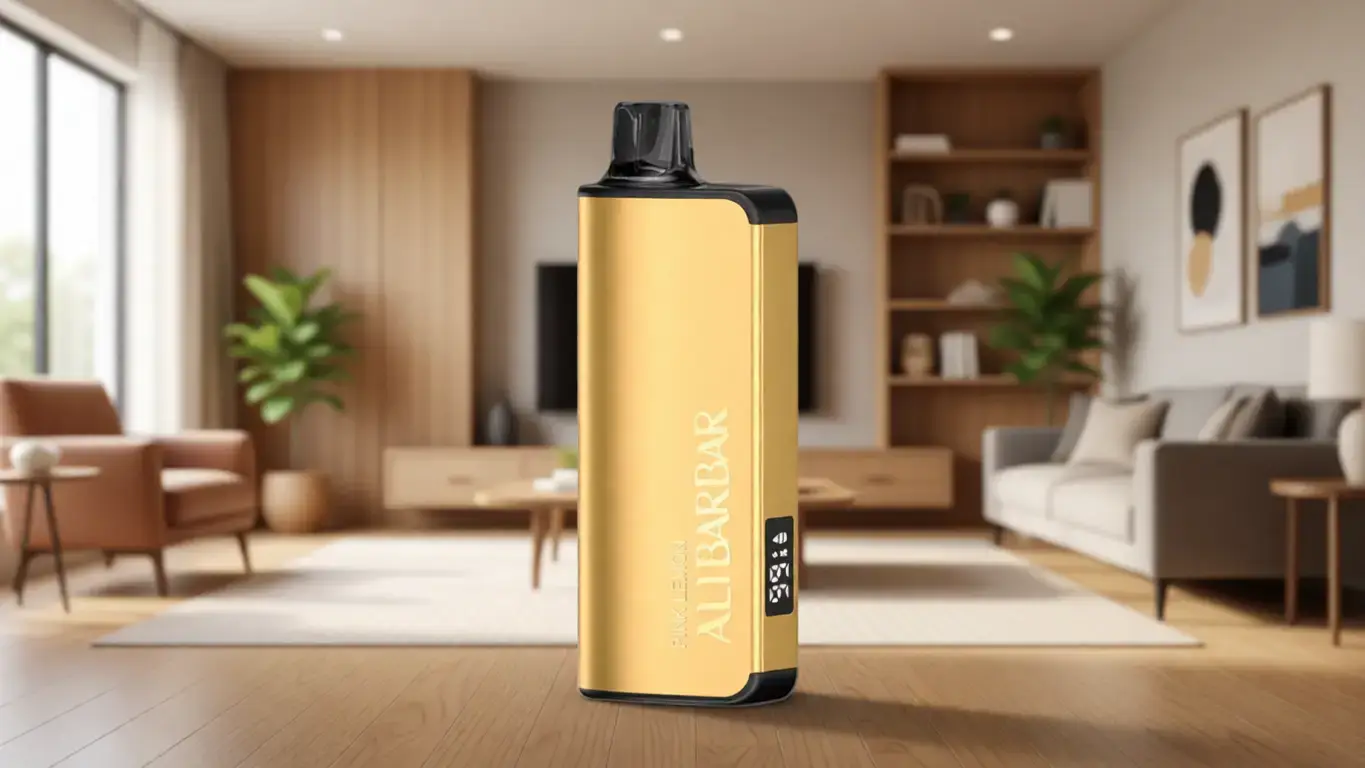
Clear, accurate status feedback transforms a device from an opaque object into a reliable tool. Knowing exactly how much operational life remains, or that a unit will enter a low‑power state visibly before shutting off, allows the user’s mind to settle. In design language, this is a form of respect for the user’s context — a principle that a handful of manufacturers, including the engineering team behind ALIBARBAR, have embedded in their product philosophy.
Ergonomic Design and Material Durability
Stress relief is a physical act. A device that is too heavy, awkwardly shaped, or coated in a finish that degrades after a week in a pocket introduces tactile annoyance. Prolonged use amplifies these small discomforts. By contrast, carefully contoured mouthpieces, surfaces that resist scratching, and a weight distribution that feels natural in the hand allow the user to hold the device without needing to solve a physical problem. It becomes, quite literally, something they can forget while using — and that ability to forget the tool is often when the benefit of the ritual is most accessible.
Modularity and Lifecycle Control
A sealed, single‑use device eliminates maintenance decisions but also eliminates choice. If a unit fails early, the user’s only recourse is to obtain an entirely new one — a transaction that, at the wrong moment, introduces inconvenience. Rechargeable or replaceable‑component architectures give the user a degree of control. Being able to recharge overnight, or swap a depleted section without discarding the entire device, reduces the low‑grade anxiety of scarcity that can attach itself to sealed designs. It may sound tangential, but having agency over the tool correlates with a more relaxed relationship with it.
From Engineering to Real‑World Use: Device Examples
Translating these principles into specific product choices means matching a device’s architecture to the user’s actual routine. Consider three broad categories:
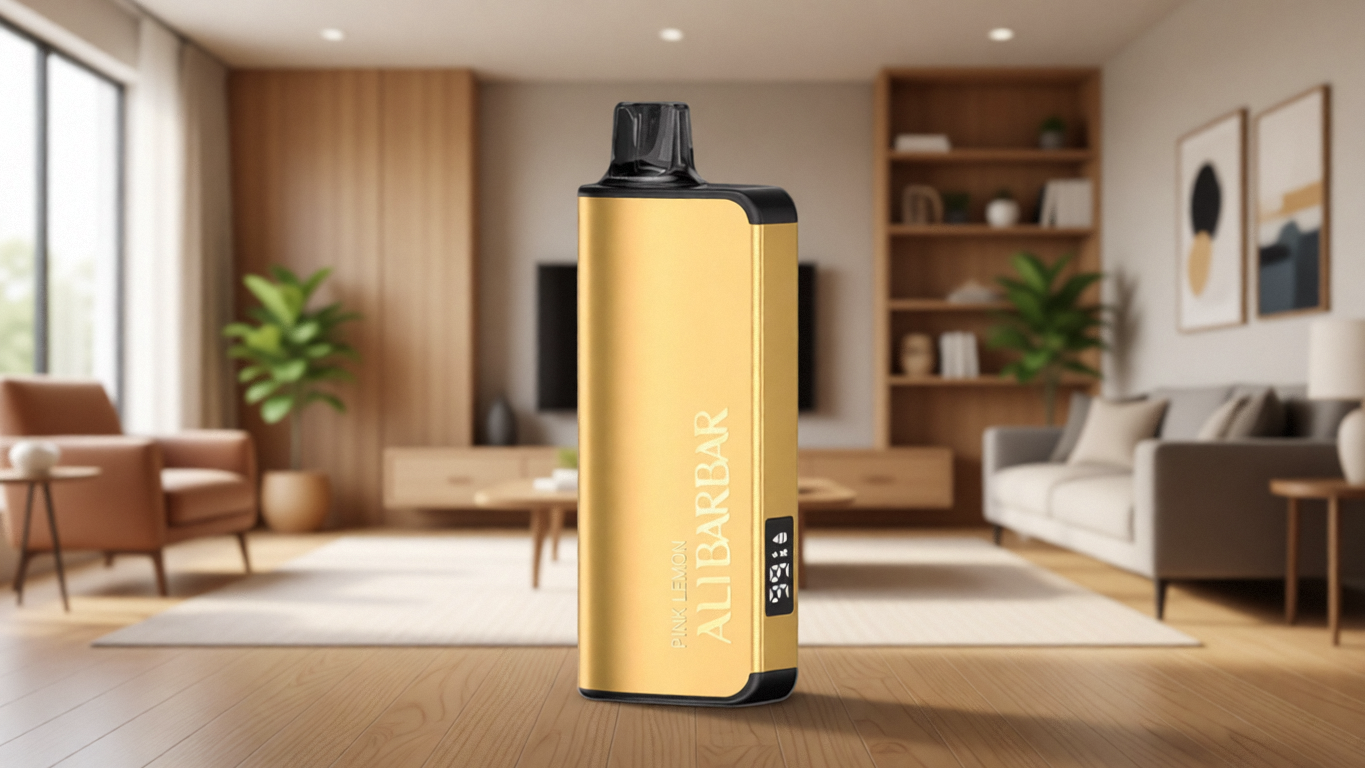
Sealed, high‑capacity units such as the ALIBARBAR INGOT 15000 series are designed to provide extended, uninterrupted service with no charging or refilling. The engineering priority here is a carefully calibrated power profile that maintains output consistency from the first draw to the last — precisely the kind of predictability that reduces the friction of mid‑day uncertainty.
Adjustable‑output devices like the Ice Adjust 12000 family give the user control over vapour production and intensity, allowing them to tailor the sensory feedback to their immediate state. For someone whose stress levels fluctuate through the day, the ability to dial down or up without switching devices can keep the ritual aligned with the mood.
Pocket‑oriented designs such as the INGOT 9000 trade some capacity for a smaller footprint, yet retain the same status feedback and material integrity as their larger counterparts. This addresses the stress of “carrying too much” — a legitimate concern for users who want a device that stays unobtrusive.
What these examples share is not a brand name, but an engineering approach that treats consistency, feedback, and durability as core features rather than afterthoughts. When a device meets those standards, the user is one step closer to a session that feels restorative rather than managed.
A Framework for Choosing a Stress‑Reducing Device
Anyone evaluating a portable electronic device for use in high‑tension moments can apply the following checklist. It is designed to function independently of marketing claims:
Power status clarity: Does the device communicate remaining capacity unambiguously? If not, assume you will carry a backup — and ask whether that constant preparedness is compatible with your goal of lowering tension.
Output consistency curve: Can you expect the same sensory experience in the final quarter of the device’s life as in the first? Seek independent user reports or specifications that explicitly address voltage regulation.
Physical handling: Hold a similar‑form‑factor item for several minutes. Is there any edge, weight, or surface texture that becomes bothersome? What feels tolerable in a shop can become a nuisance after an hour.
Lifecycle control: Would you prefer to recharge and reuse, or discard and replace? Choose a design that gives you the level of control that reduces, rather than adds, decisions.
Authenticity and sourcing: An imitation product will almost certainly fail on the criteria above. Verify that the retailer provides factory‑certified inventory and visible serialised verification.
Using these prompts turns an emotional purchase into a rational matching exercise. The goal is not to find the “best” device in some abstract sense, but the one that generates the fewest additional stressors over the course of a day.
Common Mistakes That Undermine the Experience
Even with a well‑engineered device, users can inadvertently add stress through their selection and usage patterns. Below are four patterns observed across the market, combining direct user feedback with industry‑level analysis.
1. Treating all high‑capacity devices as interchangeable.
Visual similarity between two sealed units does not indicate identical internal architecture. Power management circuits, heating‑element materials, and quality‑assurance thresholds vary widely between manufacturers. Choosing a device based solely on claimed puff count, without investigating how that output is delivered over time, often results in a late‑stage degradation that catches the user off guard.
2. Assuming that “more features” equals “more reliable.”
Adjustable airflow, multiple power modes, and digital displays can enhance the experience — but each additional subsystem represents a potential point of failure. In a device intended to be a calming constant, the simplest architecture that meets your functional needs is frequently the most resilient. Complexity for its own sake should not be mistaken for sophistication.
3. Underestimating the cost‑per‑use instability of unverified sourcing.
Acquiring a device from an unauthorised channel introduces a significant risk: the product may be a convincing replica with irregular performance, inconsistent materials, and no recourse if it malfunctions. The short‑term saving evaporates the moment the user is stranded with a dead device on a long journey home. The supply chain’s integrity is as much a feature as any component inside the casing.
4. Forgetting that the ritual matters as much as the mechanism.
Behavioural science recognises that structured breathing and a familiar hand‑to‑mouth motion can independently trigger a parasympathetic response even in the absence of any active substance. Users who rush through the act, or treat the device merely as a delivery system for a chemical, may bypass the very physiological component that could have been most beneficial. The device, properly used, is a prompt for a pause — but it cannot enforce one.
Frequently Asked Questions
Q: Does nicotine itself reduce stress?
A: Nicotine is a biphasic substance: it can produce both stimulant and mild relaxant effects depending on dose, timing, and individual neurochemistry. The sensation of “relief” many users attribute to nicotine is often relief from withdrawal symptoms in dependent individuals, rather than an independent anxiolytic effect. For non‑dependent users, any calming experience is more plausibly linked to the ritual and sensory feedback.

Q: Can the act of vaping without nicotine still reduce stress?
A: Yes, potentially. The combination of slow, deliberate inhalation and exhalation — akin to paced breathing exercises — can activate the parasympathetic nervous system, lowering heart rate and muscle tension. A device with predictable resistance and smooth airflow supports this by removing physical distraction.
Q: Why does a malfunctioning device feel so aggravating?
A: When a device fails unexpectedly, it hijacks the user’s attention at a moment when they were seeking calm. The sudden need to troubleshoot or seek a replacement triggers a stress response that can outweigh the original tension. Reliable engineering is therefore a prerequisite for the device to serve its intended purpose.
Q: How can I verify that a device is authentic?
A: Look for a serialised authenticity code that can be checked through the manufacturer’s official portal. Reputable retailers make these codes visible on the packaging and provide instructions for verification. A missing or illegible code is a red flag.
Q: Are sealed devices more or less stressful than rechargeable systems?
A: Sealed devices remove the need to manage charging cables and e‑liquid, which some users find liberating. Others find the “countdown” of a non‑rechargeable unit anxiety‑provoking. The answer depends on whether you are more stressed by maintenance tasks or by the prospect of running out without warning. There is no universal superior format.
Q: Does the weight or size of a device affect the relaxation experience?
A: Indirectly, yes. A device that feels unnatural in the hand or too heavy for a shirt pocket creates peripheral sensory discomfort that the brain processes alongside the intended calming sensation. Over longer sessions, this discomfort compounds. Ergonomic design that accounts for prolonged contact is therefore a genuine contributor to the quality of the moment.
Q: What should I do if a product does not perform as described?
A: Contact the retailer immediately. A trustworthy vendor will have a published returns and resolution policy. Keep the original packaging and the authenticity code; these are often required for a warranty claim. Taking a photograph of any visible defect can also assist.
Q: Can I use vaping as a long‑term stress management tool?
A: Only with considerable caution. Relying on any external tool — particularly one containing an addictive substance — to regulate mood over the long term can lead to dependence and a reduced ability to self‑soothe without the tool. It is advisable to view the device as a situational aid within a broader set of coping strategies, not as a primary solution.
Q: How does device customisation (airflow, power) relate to stress?
A: The ability to adjust vapour temperature and density allows the user to match the physical sensation to their immediate state of tension. A tighter draw may feel more familiar and grounding; a more open airflow can feel less taxing during a moment of sensory overload. Control over these variables can enhance the user’s sense of agency, which itself can be stress‑reducing.
Q: Where can I find standardised, factual product specifications to compare devices?
A: Some retail platforms prioritise unified specification sheets that list power management, capacity, charge time, and dimensions in a consistent format. Cross‑referencing multiple sources, including official manufacturer pages, remains the most reliable approach. Consistent presentation of technical data removes guesswork and speeds up rational comparison.
Conclusion
The relationship between vaping and stress cannot be reduced to a binary answer. The chemical, psychological, and mechanical layers are tightly interwoven, and the user’s own context — dependence status, expectations, daily routine — plays the decisive role. What the evidence makes clear is that an unreliable, poorly designed device will undermine any potential calming effect, while a device engineered for consistency, transparency, and physical comfort can, at minimum, avoid adding noise to an already noisy day.
Informed users understand that the tool matters. They verify authenticity, evaluate status indicators, and choose a form factor that harmonises with their life rather than complicating it. That critical awareness is precisely the kind of behaviour that a responsible retail environment supports. When you choose to access products through a channel where documentation, verifiable sourcing, and after‑sale accountability are standard — such as OZVAPE Shop — you remove a layer of uncertainty that should never have been part of the experience in the first place.
The right choice is the one that aligns with your actual needs and your willingness to manage the variables. No device, no brand, and no external claim can substitute for that evaluation.