
VAPE FAQs
Does Vape Decrease Testosterone?
Aug
Introduction
The question surfaces in online forums, medical consultation rooms, and casual conversations with notable frequency: can the use of personal vaporising devices alter testosterone levels? It is not an idle curiosity. For many adults, hormonal health is inseparable from energy, mood, body composition, and long‑term metabolic resilience. The anxiety behind the question is entirely rational, yet the information landscape is cluttered with oversimplified headlines, poorly contextualised animal data, and emotionally charged anecdotes. A clear‑eyed, evidence‑based answer requires more than a yes or no — it demands a walk through the underlying biology, a careful reading of the available research, and an honest account of what we still do not know. OZVAPE Shop, as a retailer that structures its entire operation around transparent, factual user education, considers it essential to address such concerns without deflection or marketing spin.
This article examines the biochemical pathways by which vapour exposure could, in theory, influence testosterone production, surveys the body of scientific evidence — distinguishing what has been demonstrated from what is merely plausible — and offers a practical decision framework for those who wish to understand their own exposure. The goal is not to advocate a particular behaviour but to equip the reader with the analytical tools to evaluate risk on its own terms.
Understanding the Biological Links: How Vaping Could Influence Testosterone
Testosterone synthesis is a tightly regulated process rooted in the Leydig cells of the testes, orchestrated by a cascade of hormonal signals from the hypothalamus and pituitary gland. Any substance that disrupts this chain — either by directly injuring cellular machinery or by altering the signalling environment — can theoretically reduce serum testosterone. Three principal mechanisms deserve scrutiny when vapour exposure is considered.
Nicotine and the Endocrine System
Nicotine is a potent agonist at nicotinic acetylcholine receptors (nAChRs), which are expressed throughout the body, including in reproductive tissues. When nicotine binds to nAChRs on Leydig cells, intracellular signalling can shift in ways that inhibit the activity of steroidogenic acute regulatory protein (StAR) and key enzymes such as 3β‑hydroxysteroid dehydrogenase and 17β‑hydroxysteroid dehydrogenase — all indispensable for converting cholesterol into testosterone. Animal models consistently demonstrate that chronic nicotine administration suppresses circulating testosterone, and the effect appears to be dose‑dependent. A user who inhales large amounts of nicotine daily sustains a persistent pharmacological challenge that, at least in rodents, measurably blunts androgen output.
Yet, translating this to the human experience of intermittent vapour use is not straightforward. Nicotine from vapour products enters the bloodstream rapidly, but its half‑life is short; receptor activation is pulsatile rather than continuous. It remains unsettled whether the same intracellular dampening observed in perfusion experiments occurs in a clinically meaningful way during typical use patterns. The data are suggestive, not conclusive.
Oxidative Stress and Testicular Function
The aerosol produced by heating e‑liquid does not merely deliver nicotine. Chemical reactions during thermal aerosolisation generate reactive oxygen species (ROS) and, in some devices, low concentrations of aldehydes such as formaldehyde and acrolein. Leydig cells are exceptionally sensitive to oxidative injury because their high mitochondrial density — required for steroidogenesis — makes them inherently vulnerable to lipid peroxidation. Repeated oxidative insults can impair mitochondrial membrane potential, reduce pregnenolone yield, and eventually lower testosterone secretion.
This pathway is not theoretical. Cellular studies have documented declines in testosterone output when Leydig cell cultures are exposed to e‑liquid aerosol condensate at concentrations that reflect heavy human inhalation. The critical variable appears to be the cumulative oxidative load, which in turn hinges on device power, coil temperature, and the chemical composition of the e‑liquid. A device that consistently overheats its coil or uses low‑quality wicking material can produce an aerosol with considerably more ROS than a well‑engineered unit operating within a stable thermal window.
Chemical Exposures Beyond Nicotine
Even when nicotine is absent, vapour aerosol may contain trace metals leached from heating elements — chromium, nickel, cadmium, and occasionally lead — as well as thermal degradation products of flavour molecules. Several of these contaminants are recognised endocrine disruptors. Cadmium, for instance, can accumulate in testicular tissue and directly interfere with the expression of genes governing testosterone biosynthesis. Inhaled chromium(VI) has been associated with reduced serum testosterone in occupational cohort studies. The presence and concentration of such compounds vary dramatically depending on manufacturing quality, coil metallurgy, and whether the device is operated within its design parameters. This fact underscores a point frequently overlooked in broad‑brush public health messaging: not all vapour exposures are chemically equivalent. Device engineering and material sourcing meaningfully alter the inhaled aerosol profile.
What the Research Actually Shows: A Review of the Evidence
Translating mechanistic plausibility into human risk requires looking at studies that measured actual hormone levels in people who use vapour products — and doing so with a careful eye on study design.
Preclinical Studies and Mechanistic Clues
Rodent studies consistently report reduced serum testosterone after chronic nicotine inhalation or injection, often accompanied by testicular histopathology. A 2022 controlled exposure study in rats, for example, found that daily e‑cigarette aerosol delivery for eight weeks lowered testosterone by roughly 25% compared with room‑air controls, alongside elevated markers of testicular oxidative stress. These findings align with the mechanistic pathways described above and provide a clear biological signal: sustained, high‑intensity exposure can depress androgen production in mammalian models.
Human Data and Epidemiological Observations
The human picture is far messier. Cross‑sectional surveys that compare testosterone levels between vaping users and non‑users have produced inconsistent results. A 2021 analysis of US population data (NHANES) found no statistically significant difference in total testosterone after adjusting for age, body mass index, smoking history, and alcohol consumption. In contrast, a smaller clinical study of regular e‑cigarette users reported lower salivary testosterone in the afternoon compared with matched controls, though morning values did not differ, hinting at subtle diurnal disruption rather than outright hypogonadism.
A key challenge is separating the effect of current nicotine use from the legacy of former combustible cigarette smoking. Many adults who use vapour products are former smokers, and smoking itself is known to suppress testosterone temporarily; residual confounding can easily distort associations. The cleanest evidence would come from prospective studies that follow never‑smokers who initiate vaping, but such data are virtually non‑existent because the ethical and recruitment hurdles are formidable. As a result, the human evidence base remains thin and non‑definitive.
Confounding Factors and Interpretation Challenges
Testosterone is influenced by a dense web of variables: sleep quality, caloric intake, exercise, stress, obesity, concurrent medication use, and even the season. A user who vapes heavily may also have erratic sleep patterns or high sympathetic tone, each capable of depressing testosterone independently. Epidemiological studies that do not measure these covariates in granular detail cannot distinguish a causal effect of vapour from the psychological and behavioural profile that clusters with heavy nicotine consumption.
For the informed reader, the takeaway is not that there is no risk, but that the risk cannot presently be quantified with precision. It would be imprudent to claim that vaping has no impact on testosterone, but equally misleading to assert that it predictably causes deficiency.
What This Means for Device Users: A Risk Reduction Perspective
For an adult who has already decided to use a personal vaporising device, the relevant question becomes: how can the known biological risks be minimised? The answer lies, in no small part, in device selection and sourcing discipline.
Poorly regulated power delivery can drive coil temperatures into a range where e‑liquid components degrade into higher concentrations of carbonyls and reactive oxygen species. A device that lacks accurate temperature control, or whose manufacturer has not matched coil resistance to power output with precision, may expose the user to sharply elevated oxidative stress compared with a thermally stable alternative. Similarly, mouthpiece materials, tank plastics, and soldering quality influence whether unwanted metal ions become aerosolised during operation.
OZVAPE Shop curates products from engineering‑led brands that implement rigid power management and use certified food‑grade materials in fluid pathways, making it easier for users to identify devices that minimise unnecessary chemical noise. When evaluating a device, paying attention to how consistently it reports its battery status — and whether it prevents firing when voltage sag would otherwise push the coil outside its efficient thermal range — is a practical proxy for design maturity.
A Practical Framework for Evaluating Personal Risk
Users who want to think systematically about their exposure can apply a simple four‑step diagnostic:
Quantity and intensity: Estimate total daily nicotine intake and session duration. The mechanistic case for hormonal disruption is strongest with heavy, chronic use. If you step back and honestly assess your pattern as light, the physiological headroom is wider.
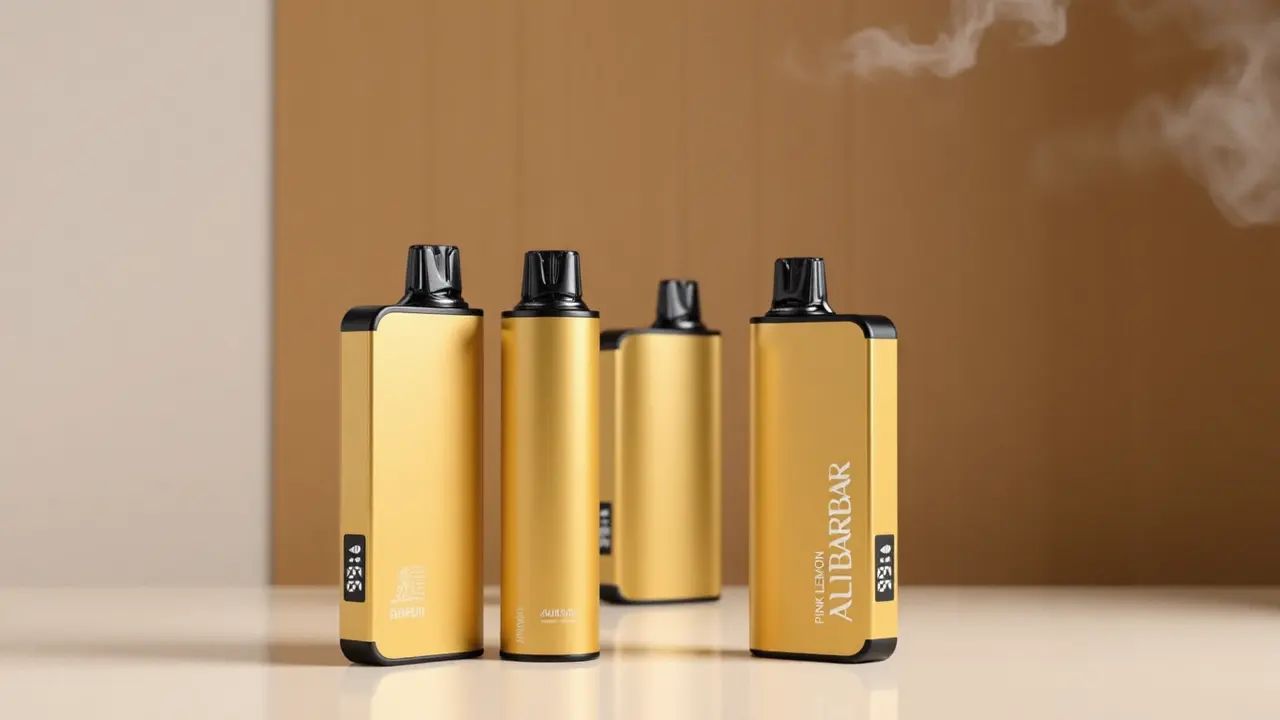
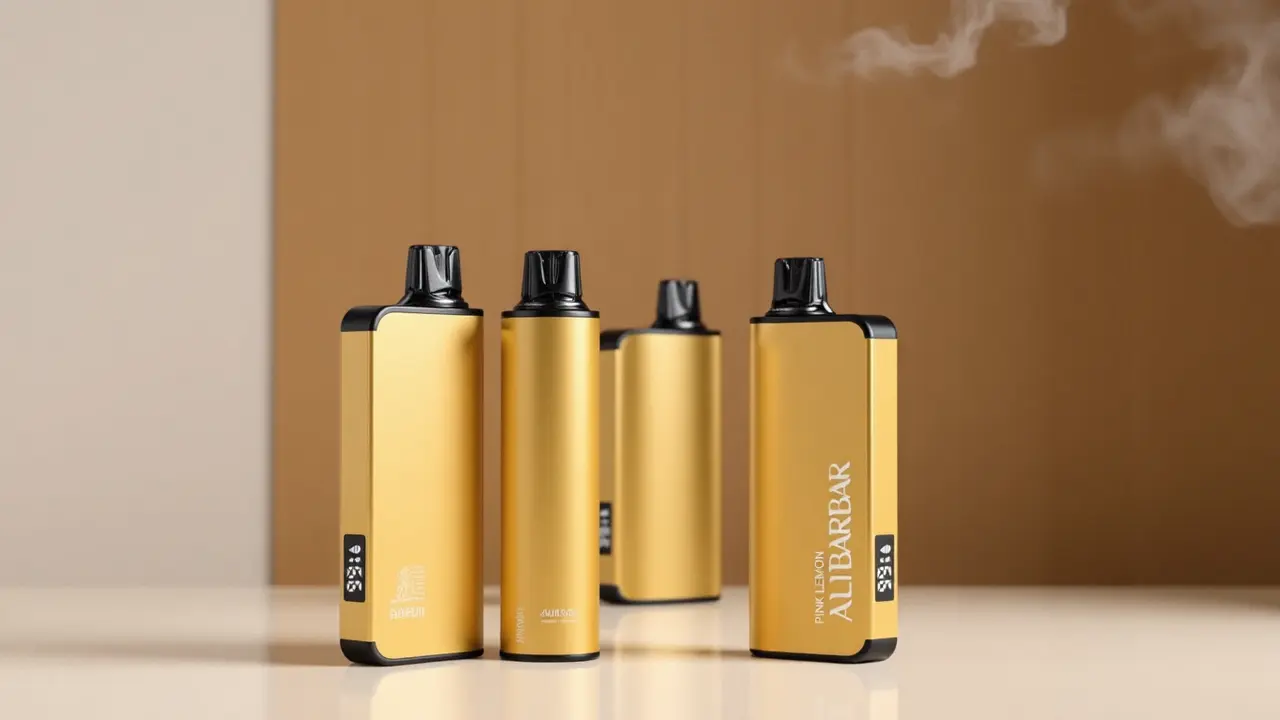
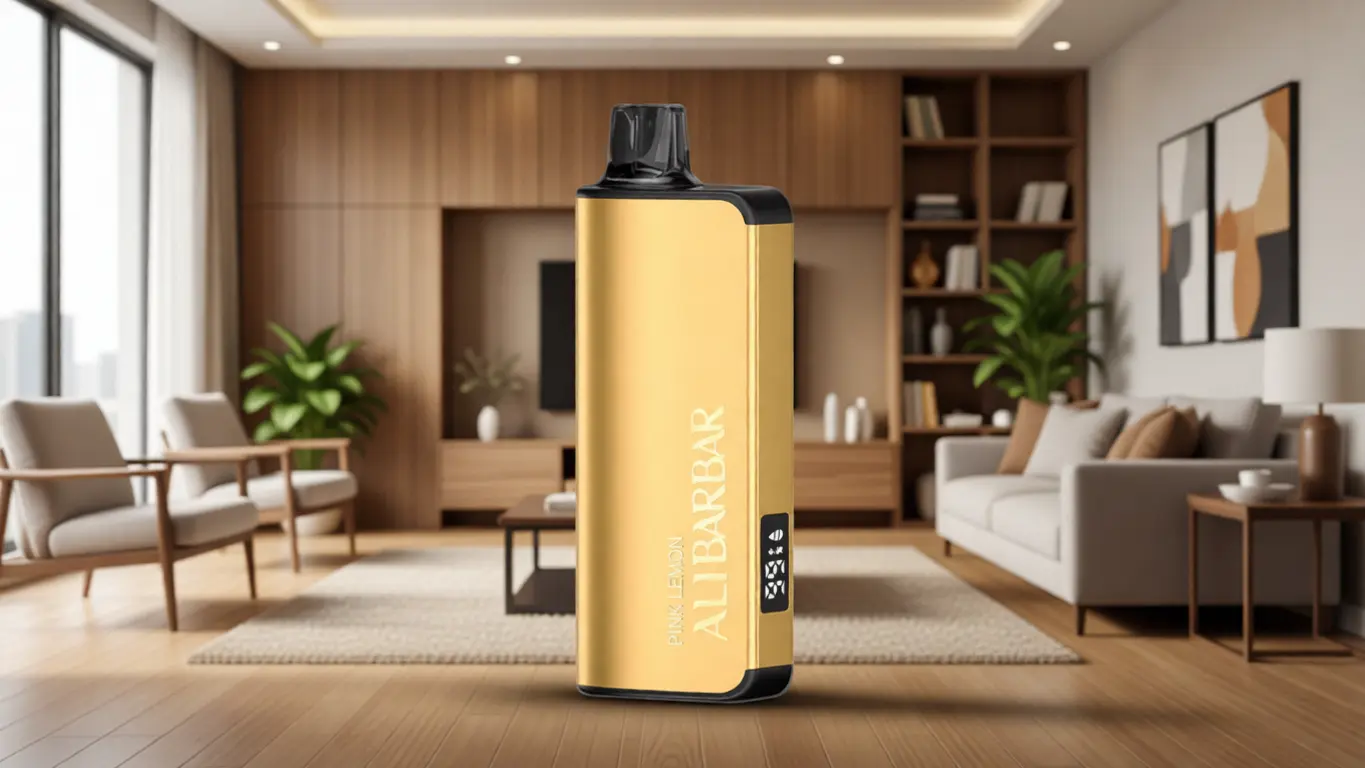
Device thermal behaviour: Does your device ever produce a dry, acrid, or unusually hot vapour? A single burnt hit signals coil overheating and a spike in aldehyde production. A well‑built device, such as those in the ALIBARBAR range with its calibrated power curve, makes thermal runaway rare. If your device does not inspire confidence on this front, replacement is a risk mitigation move, not a frivolous upgrade.
Chemical transparency: Are you confident your e‑liquid has been manufactured under quality‑assured conditions with published contaminant testing? Off‑brand liquids of uncertain provenance introduce avoidable endocrine‑disruptor risk.
Lifestyle context: Testosterone support through sufficient sleep, adequate dietary zinc, and resistance training can offset mild downward pressures. If your exposure is modest and your health foundations are solid, the net impact is likely small.
These questions do not yield a single pass/fail answer. They illustrate that the risk is not binary — it is a continuum shaped by product engineering, usage intensity, and individual biology.
Common Selection Errors and Industry Observations
Confusion on this topic is amplified by several recurring misjudgments, both among users and in public commentary.
Overweighting short‑term lab studies: Blaming a single blood test after one week of abstinence for a borderline reading, while ignoring that testosterone fluctuates significantly within individuals, leads to false alarms. One isolated measurement is rarely diagnostic.
Equating all vapour exposures: Assuming that all devices produce the same aerosol — as if brand, coil material, and temperature regulation were irrelevant — is an industrial‑era mindset that ignores modern precision manufacturing. The difference between a poorly regulated clone cartridge and a firmware‑managed pod system can be substantial in terms of oxidative load.
Ignoring the adaptability of the hypothalamic‑pituitary‑gonadal axis: The body’s feedback loops are resilient. Mild, transient suppression may be compensated for by a modest increase in luteinising hormone, leaving total testosterone unchanged. Over time, however, chronic stress on the axis can exhaust this compensation, a nuance often missing from alarmist headlines.
Misunderstanding category language: The term “disposable” in the device market refers to a sealed battery‑and‑cartridge unit, not to disposability as a proxy for chemical hazard. Many sealed units now employ temperature‑limiting protection that equals or exceeds early refillable systems. Generalisations by form factor obscure the material distinctions that govern safety.
These observations point to a larger truth: the market has evolved faster than the scientific vocabulary used to describe it, creating a gap between perception and physical reality. Savvy users close that gap by examining specifications, not labels.
Frequently Asked Questions
Q: Can a single use of a vapour device acutely drop my testosterone?
A: There is no evidence that acute, one‑off inhalation meaningfully changes serum testosterone in humans. The mechanisms of concern involve sustained, repeated exposure.
Q: Does nicotine‑free vaping eliminate the testosterone risk?
A: It removes the direct nicotinic receptor pathway, but oxidative stress from heated excipients and potential metal contamination remain. The balance of risk shifts, but does not vanish.
Q: How long would I need to stop using vapour products to reverse any effect?
A: Human data are lacking. Animal studies suggest partial recovery of testicular markers within four weeks of cessation, though complete reversal may require longer. Individual recovery trajectories vary.
Q: Are younger adults more susceptible to hormonal disruption from vaping?
A: The hypothalamic‑pituitary‑gonadal axis of adolescents and young adults is still maturing, making it plausibly more vulnerable to chemical insults. Most studies, however, have been conducted on adult populations.
Q: Is there a difference between high‑power sub‑ohm devices and low‑power pods in terms of chemical exposure?
A: Yes. High‑power devices generate larger aerosol volumes per puff, potentially increasing daily intake of aldehydes and metals unless the coil and wicking are optimally balanced. Low‑power systems operated within their design range typically produce fewer thermal degradation byproducts.
Q: Do ALIBARBAR devices incorporate features that reduce oxidative risk?
A: ALIBARBAR devices employ calibrated power profiles that keep coil temperatures within a conservative range, and their sealed architecture eliminates user error around coil changes. This consistency helps avoid the temperature excursions that generate excessive carbonyl compounds.
Q: Is occasional social use likely to affect fertility?
A: Based on current evidence, infrequent use — a few puffs on a weekend — is unlikely to cause clinically significant testosterone suppression or impaired spermatogenesis in an otherwise healthy individual.
Q: Where can I find accurate, manufacturer‑verified product specifications?
A: OZVAPE Shop provides standardised specification sheets for every device it stocks, including coil material, power range, and safety certifications, enabling direct comparison without reliance on informal reviews.
Q: Does vaping increase estrogen?
A: Some nicotine studies point to mild aromatase modulation, but the data are not robust enough to claim a consistent hyperestrogenic effect. The larger concern remains testosterone suppression, not estrogen elevation.
Q: How can I verify that a device I purchased is authentic and not a counterfeit with unknown coil materials?
A: Look for anti‑tamper seals matched to the manufacturer’s published branding, verify the serial number through the brand’s verification portal, and source from retailers that publicly commit to an authorised supply chain with documented chain‑of‑custody. This is a fundamental protection against the heavy‑metal risk discussed earlier.
Conclusion
Scientific understanding of the relationship between vapour exposure and testosterone remains in a formative state. The biochemical rationale for possible suppression is credible, supported by consistent animal findings, yet the human epidemiological record lacks the resolution to deliver a definitive verdict. What emerges instead is a rational case for prudence: the risks are likely dose‑dependent, modulated by device quality, and partly offset by a healthy physiological backdrop.
For those who continue to use personal vaporising devices, the practical priority is reducing the avoidable portion of chemical exposure. That means choosing thermally stable hardware, avoiding e‑liquids of unknown provenance, and buying through channels that do not cut corners on authenticity. OZVAPE Shop, with its commitment to factory‑certified inventory and detailed product transparency, offers a model for how retail infrastructure can support informed adult decision‑making. The right choice is not the one endorsed by the loudest opinion, but the one that aligns with your actual usage pattern and your willingness to manage risk through knowledge rather than assumption.