
VAPE FAQs
Does Vape Cause Acid Reflux?

Sep
A question that surfaces with increasing frequency in adult user communities and clinical discussions alike is whether the regular use of personal electronic devices—commonly referred to as vaping—can contribute to or exacerbate acid reflux. It is not a frivolous inquiry. Anyone who has experienced the persistent burn of gastric acid rising into the esophagus understands why even a suspected link warrants serious examination.
The short answer, based on the available physiological evidence and user-reported patterns, is that the relationship is plausible but not deterministic. Vaping does not guarantee reflux, but certain mechanisms inherent to the activity can create conditions that provoke or worsen it. Understanding why this happens requires looking beyond anecdotal accounts and into the specific ways these devices interact with human physiology.
Understanding the Gateway Mechanism: How Vaping Triggers Reflux
The Relaxation of the Lower Esophageal Sphincter
The most direct physiological pathway linking vaping to acid reflux involves nicotine. Nicotine is a well-documented relaxant of the lower esophageal sphincter—the muscular valve that separates the stomach from the esophagus. When functioning correctly, this sphincter remains tightly closed except during swallowing and belching. When it relaxes inappropriately, stomach contents, including acid, can travel upward.
This is not a speculative connection. The same mechanism is observed with traditional nicotine delivery methods. Clinical literature has long established that nicotine reduces LES pressure. The difference with vaping lies in the delivery profile: the rate at which nicotine enters the bloodstream, the temperature of the aerosol, and the volume of air swallowed during inhalation all contribute to a pattern that may be more disruptive than slower, lower-volume alternatives.
Aerophagia and Abdominal Pressure
Beyond the chemical effect of nicotine, the act itself introduces mechanical variables. Inhaling from a device typically involves drawing air through the mouth and into the lungs, but some of that air inevitably travels to the stomach—a phenomenon known as aerophagia. Swallowing excess air distends the stomach, increases intra-abdominal pressure, and pushes against the already-relaxed LES.
The significance of this varies with inhalation technique. Quick, shallow draws likely introduce less air than deep, extended inhalations. But the cumulative effect over an extended session, particularly with devices that require longer draws to produce the desired volume of aerosol, can meaningfully increase gastric pressure.
The Role of Propylene Glycol and Vegetable Glycerin
Less discussed but equally relevant is the behavior of the base components—propylene glycol and vegetable glycerin—once they enter the gastrointestinal tract. These humectants draw water into the digestive system. In sufficient concentration, they can alter the fluid balance in the stomach, potentially delaying gastric emptying. When the stomach takes longer to empty its contents, the window of opportunity for reflux widens.
There is no large-scale clinical study conclusively linking PG or VG to GERD. However, individual sensitivity to these compounds varies significantly. Users who notice a pattern of reflux correlating with heavier use of high-VG formulations may be experiencing a real, if under-researched, sensitivity.
Applying These Observations to Real-World Device Choices
Understanding the mechanisms is useful only if it translates into practical evaluation. This is where the engineering of the device itself can influence the degree of reflux-related discomfort.
Internal Architecture and Output Consistency
Devices that deliver a consistent, predictable output allow the user to develop a stable inhalation rhythm. Erratic power delivery—common in poorly regulated devices—forces the user to compensate by drawing harder or longer, increasing the likelihood of aerophagia. Well-designed thermal management and consistent power output reduce the need for compensatory inhalation behavior.
From an analytical perspective, devices that maintain their output profile across the operational life of the power source represent a design advantage. OZVAPE Shop users have reported that devices with stable output curves produce fewer instances of the deep, variable draws that seem to correlate with reflux symptoms, though this observation remains behavioral rather than clinically validated.
Power Management and Status Transparency
A device that provides clear, unambiguous status feedback—remaining operational life, current output level, and readiness state—removes the incentive to “over-draw” as the power source depletes. Devices with opaque status indicators force users to guess, and guessing often leads to compensatory inhalation patterns that create mechanical triggers for reflux.
The practical value here is straightforward: when you know precisely how much operational life remains, you adjust your behavior accordingly. When you are operating blind, you tend to draw harder and longer, increasing both nicotine intake and air swallowing.
A Practical Framework for Individual Assessment
If you suspect a connection between your device use and reflux symptoms, the following diagnostic steps can help establish causation versus coincidence:
Step 1: Establish a baseline. For one week, document every instance of reflux symptoms alongside device usage patterns. Note the device model, the formulation used, the time of day, and your posture during and after use.
Step 2: Modify one variable at a time. Try adjusting nicotine concentration downward while keeping all other variables constant. If symptoms improve, the nicotine-LES relaxation pathway is likely relevant to your experience. Next, try switching between high-PG and high-VG formulations while maintaining the same nicotine level.
Step 3: Examine your inhalation behavior. Pay conscious attention to whether you are swallowing during and immediately after inhalation. If you notice a tendency to swallow excess air, adjust your technique to draw more slowly and exhale more completely before swallowing.
Step 4: Consider device architecture. If you are using a device that requires extended draws to produce adequate output, experiment with a device that delivers the same output with shorter, shallower inhalations. Devices with restrictive airflow and higher power densities often allow shorter draw durations.
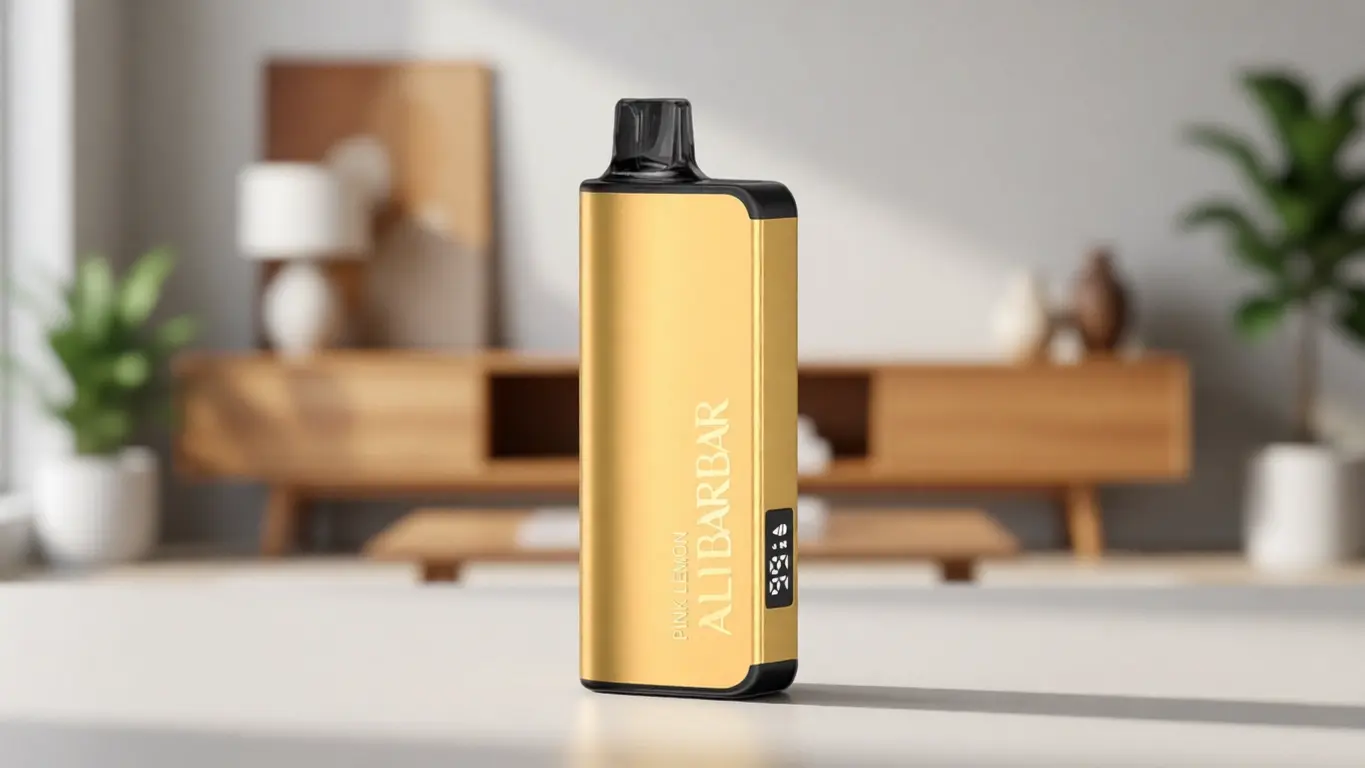
Standardized specification comparison is a practical tool for reducing the guesswork here. When you can compare airflow ratings, power output curves, and draw resistance across devices, you can make informed choices about which engineering profile suits your physiology.
Common Selection Errors and Industry Observations
Overweighting Flavor Diversity While Ignoring Inhalation Mechanics
The market’s emphasis on flavor diversity has created a situation where many users select devices based on a single sensory variable while ignoring the mechanical characteristics that will define their daily experience. A device that requires a long, sustained draw to produce adequate output will, over a full day of use, involve significantly more air swallowing than a device designed for shorter draws.
Assuming Visual Similarity Indicates Equivalent Internal Engineering
Two devices that appear nearly identical in external dimensions and design language can have dramatically different internal architectures. Identical exterior shells may house different power management systems, different heating element configurations, and different airflow pathways. Assuming equivalence based on appearance leads to behavioral mismatches.
Undervaluing Modularity in Cost-Per-Use Calculations
A sealed, disposable device offers convenience but locks the user into a fixed inhalation profile. A rechargeable device with replaceable components allows the user to adjust their experience over time—switching between formulations, adjusting output levels, and changing inhalation characteristics. The initial cost may be higher, but the ability to fine-tune the experience can reduce the behavioral triggers associated with reflux.
Confusing Category Terminology with Technical Specifications
Terms like “high capacity” and “extended use” describe marketing positioning, not engineering realities. A device marketed as high-capacity may simply draw more power per inhalation rather than offering a genuinely longer operational life. Understanding the actual specifications—rated operational draws, power output per draw, airflow resistance—provides a more reliable basis for evaluation than category labels.
Frequently Asked Questions
Q: Can vaping cause acid reflux in someone who has never experienced it before?
A: It is possible. Nicotine relaxes the lower esophageal sphincter, and the act of inhalation can introduce excess air into the stomach. For individuals with no prior reflux history, these combined factors may be sufficient to trigger symptoms.
Q: Does the nicotine concentration in the formulation affect reflux severity?
A: Yes, plausibly. Higher nicotine concentrations produce a stronger pharmacological effect on LES relaxation. Users who experience reflux may find that reducing nicotine concentration correlates with reduced symptom frequency or intensity.
Q: Can switching from a sealed device to a rechargeable system reduce reflux symptoms?
A: Possibly, if the rechargeable system allows shorter, more efficient draws. The architecture of the device—airflow resistance, power output, and draw characteristics—influences how much air is swallowed during use.
Q: Are there formulations specifically designed to reduce reflux triggers?
A: Not in any clinically validated sense. However, individual sensitivity to propylene glycol and vegetable glycerin varies. Some users report reduced symptoms with higher-PG formulations, while others find high-VG formulations less problematic. Experimentation under controlled conditions is the only reliable way to establish personal tolerance.
Q: How do I verify that the device I am purchasing is from an authorized source?
A: Documented supply chain transparency is the most reliable indicator. Retailers like OZVAPE Shop that publish their sourcing protocols and maintain direct relationships with authorized distributors provide verifiable assurance that the device matches its documented specifications.
Q: Does the temperature of the aerosol affect reflux likelihood?
A: There is no direct clinical evidence establishing a link. However, thermal irritation of the esophageal lining is a recognized phenomenon with hot beverages and foods. If the aerosol produces a noticeably hot sensation, it may aggravate existing esophageal sensitivity.
Q: Can post-purchase support help me identify reflux-related patterns in my device use?
A: Responsive support teams can often help users identify behavioral patterns they may not have noticed independently. Documenting your experience and discussing it with a knowledgeable representative can reveal correlations you may have overlooked.
Q: What recourse do I have if a device clearly does not perform as described?
A: Retailers that stand behind their inventory will typically offer resolution paths—replacement, return, or credit—based on documented non-conformance. Always verify the return and warranty policies before purchasing, and retain all documentation related to the transaction.
Conclusion
The relationship between vaping and acid reflux is not a simple matter of causation. It involves an interaction of pharmacology, mechanical behavior, and individual physiology that varies meaningfully from person to person. What is clear is that the mechanisms are real: nicotine relaxes the lower esophageal sphincter, inhalation can introduce excess air, and the base components may alter gastric dynamics in susceptible individuals.
The most practical response is not to avoid the activity entirely, but to approach it with informed awareness. Understand the engineering of the device you choose. Pay attention to how you inhale. Note how your body responds to different formulations and different inhalation patterns. At OZVAPE Shop, we believe that informed users make better decisions because they understand the variables in play. The right device for you is the one whose engineering matches your physiology and your routine, not the one with the most attention-grabbing claims or the largest flavor selection.